
Yerba Mate and the Kidneys – Is Drinking It Safe?
2026-08-15
Yerba mate and the kidneys is a question we hear from two completely different groups of customers. The first is people with diagnosed chronic kidney disease or a history of kidney stones, who want to know if a matero will harm them. The second is simply people who drink yerba every day and heard somewhere that caffeine “flushes out” the body, so they got worried. The answers to both questions are different, so we break them down separately – honestly, without scaremongering and without promising that the infusion cures anything.
Does yerba mate harm the kidneys? The short answer
With healthy kidneys and consumption in reasonable amounts, there’s no well-documented evidence that yerba mate harms them. The infusion is mostly water, and it delivers caffeine in doses similar to coffee or black tea – and billions of people drink those beverages without widespread kidney problems. However, there are three specific points really worth knowing: what caffeine does to hydration, what oxalates mean if you’re prone to kidney stones, and why potassium in the infusion matters if your kidneys are no longer working at full capacity. We cover each of these separately below.

Hydration and the kidneys – does caffeine really dehydrate you?
This is probably the oldest myth surrounding caffeine: that every cup or matero “takes away” more fluid than it provides. In practice, in people who drink caffeine regularly, the body gets used to it and the diuretic effect is mild – the infusion still counts towards your daily fluid balance, it doesn’t subtract from it. Kidneys filter blood continuously, and how much urine they produce depends mainly on how much you drink overall during the day, not on whether you’re reaching for yerba or plain water.
There is, however, a situation worth being careful about: heat, exercise, fever, or a day when you drank more matero than usual. In that case, a simple rule works well – one glass of water for one matero. Kidneys that have to deal with dehydration and process caffeine at the same time simply have more work to do than those getting regular top-ups of plain water.
Oxalates and kidney stones – who should really worry about this
Infusions made from plant leaves, including tea and yerba mate, contain a certain amount of oxalates (oxalic acid). For most people this makes no difference at all – the kidneys handle it without any problem. The situation is different if you’ve had an episode of calcium oxalate kidney stones, or your doctor has told you that you’re prone to them. In that case, renal dietitians usually recommend moderation with oxalate-rich foods – spinach, rhubarb, nuts, strong black tea – and plant infusions, including yerba, are worth drinking with caution rather than straight away in large amounts.
The most important protective factor if you’re prone to kidney stones isn’t eliminating one particular infusion, but staying properly hydrated throughout the day – diluted urine means lower risk that oxalates and calcium in the urinary tract will manage to combine into a crystal at all. If you have a history of kidney stones, the best decision is to ask a nephrologist or dietitian how much and how often you can drink yerba given your specific diet – they know your results, we don’t.

Potassium and chronic kidney disease – this is where you really need to be careful
This is the only thread in this article where there’s no room for „probably”. Dried yerba mate leaves, like many plants, contain potassium. Healthy kidneys remove its excess from the body without any trouble, so for most people it’s just a regular, needed mineral. The problem arises with advanced chronic kidney disease (CKD) and in dialysis patients – damaged kidneys can’t cope with excreting excess potassium, and its too-high level in the blood (hyperkalemia) can be dangerous for the heart.
If you have been diagnosed with advanced-stage CKD, have had a kidney transplant, or are on dialysis, and your doctor or dietitian has recommended a low-potassium diet – treat this as a signal to ask them directly whether and how much yerba mate you can include in your diet. This is not the place for making your own decisions based on an article on the internet, even this one. A diet for CKD is tailored individually to blood test results, disease stage and other foods you already eat.
How much yerba mate a day so you don’t burden your kidneys unnecessarily
For a person with healthy kidneys there’s no single magic number, but a sensible reference point is the guidelines on caffeine: EFSA (European Food Safety Authority) considers up to 400 mg of caffeine per day safe for a healthy adult. One matero, i.e. 10–15 g of dried leaves, usually gives 60–120 mg of caffeine – similar to a cup of espresso machine coffee. For most people, 1–2 servings a day is a reasonable, safe range, which also gives the body time to replenish fluids between one matero and the next.
If you’re just starting your yerba mate journey, start with a smaller amount – two spoons instead of a full matero – and observe how you react before moving on to larger portions. We described the full brewing technique, including how much dried leaves and at what water temperature, in our yerba mate brewing guide.
5 rules for mindful drinking when caring for your kidneys
- One glass of water per one matero. This is the simplest habit that really takes the load off your kidneys, especially in summer and after a workout.
- Don’t count yerba mate as your only source of fluids during the day. The infusion counts, but it won’t replace regularly drinking plain water.
- Have a history of kidney stones? Ask a dietitian, don’t guess. Moderation and hydration matter more than eliminating one infusion.
- CKD or dialysis always means a consultation with a nephrologist. Potassium intake in kidney failure is tailored individually, not based on an article on the internet.
- Watch for signals from your body. Infrequent urination, swelling, dark urine despite normal hydration – these are matters for a doctor, regardless of what you drink.
Purity of the dried leaves – this is what we check in lab tests
On the topic of kidneys there’s one more thread you actually have influence over as a buyer: the purity of the dried leaves themselves. Our yerba mate grows in Brazil and is packed in Europe. Every batch undergoes testing: GBA Polska checks for heavy metals, pesticides and PAHs, the Institute of Natural Fibres and Medicinal Plants confirms the authenticity of the dried leaves chromatographically, and J.S. Hamilton verifies compliance with the reference standard. On top of that there’s HACCP, KIWA certification, Swiss OROTAL oversight and the Quality Certificate from the National Medicines Institute. We publish the full list of reports on the lab tests page.
These documents say nothing about your kidneys – but they say a lot about what’s definitely not in your infusion. For kidneys that have to filter what you drink anyway, that actually matters.
Our products to try
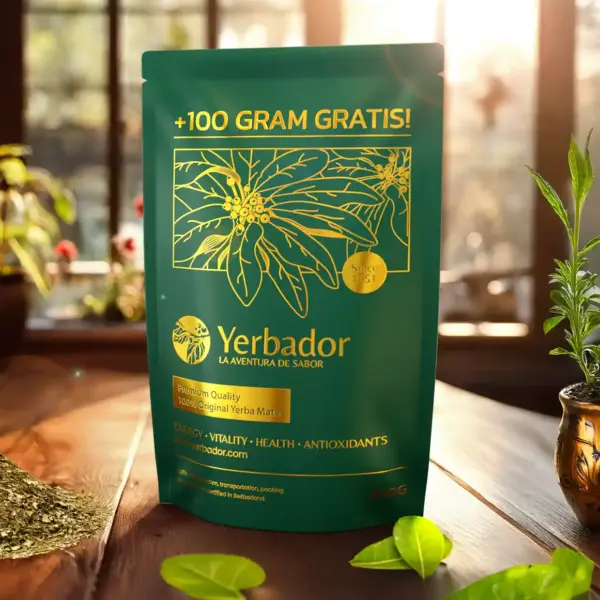
Yerba De Brasil – Doypack 0.5 kg
Classic with no additives – pure dried leaves from Brazil. A good starting point if you want full control over the amount you use and your dose: two spoons to begin with, more only once you know how you react.
Check out the product: Yerba De Brasil – Doypack 0.5 kg

Exclusive Ceramic Matero
A vessel with a fixed capacity makes it easier to keep an eye on portions – you pour the same amount every time, so it’s easier to work out how much you actually drink during the day. Check the current price.
Check out the product: Exclusive Ceramic Matero
Terremos Pro Max + Doypack free
A stainless steel flask with a spring filter and a straw – a handy way to take both your yerba and water with you for the whole day, instead of relying only on what you can buy along the way. Check the current price.
Check out the product: Terremos Pro Max
Most Common Questions about Yerba Mate and Kidneys
Does yerba mate harm the kidneys?
With healthy kidneys and reasonable consumption, there is no well-documented evidence for this. Attention is only warranted with existing kidney disease or a tendency toward kidney stones – in that case, it’s best to consult a doctor.
Does yerba mate dehydrate you?
With regular drinking, the diuretic effect of caffeine is mild, and the infusion still counts toward your daily fluid balance. However, it’s worth making sure it doesn’t completely replace plain water, especially in summer or after a workout.
Can I drink yerba mate if I have kidney stones?
It depends on the type of stones and your medical history – with calcium oxalate stones, dietitians usually recommend moderation in beverages rich in oxalates. It’s best to ask your doctor or dietitian directly how much you can drink in your case.
Can dialysis patients drink yerba mate?
This is a decision solely for the nephrologist or renal dietitian overseeing the dialysis – a low-potassium diet is tailored individually to blood test results and the stage of treatment, and the potassium in the dried leaves is genuinely relevant here.
How much yerba per day is safe for the kidneys in a healthy person?
Usually 1–2 servings per day (30–50 g of dried leaves), which fits within EU recommendations for caffeine. Add one glass of water for every matero – a simple habit that really eases the load on your kidneys.
Does yerba mate contain a lot of potassium?
The dried leaves contain potassium, as do many food plants. For healthy kidneys, this is a minor burden, but with advanced chronic kidney disease, any additional potassium in the diet should be discussed with a doctor.
Yerba Mate for Your Business or Shop
Do you run a shop, café, or office where yerba mate would sell better than a vending machine full of energy drinks? We work wholesale – details are on the Yerbador B2B wholesale page, and we prepare pricing individually.
Discover our TOP products!




Your dream figure




Discover new flavors






Yerba mate with tea





Accessories





Superfoods













Certified raw honeys from Poland






Check the current price
free shipping
Up to 90 days
free returns
24 H
shipping