
How to Brew and Drink Yerba Mate – A Step-by-Step Guide
2026-07-28
The most common reason someone tries yerba mate once and never comes back isn’t the taste. It’s a poorly brewed first cup – boiling water instead of warm water, too much dried leaves, bitterness that overwhelms everything else. Which is a shame, because well-brewed yerba mate tastes completely different from what you might expect after a bad first experience.
What you need to get started
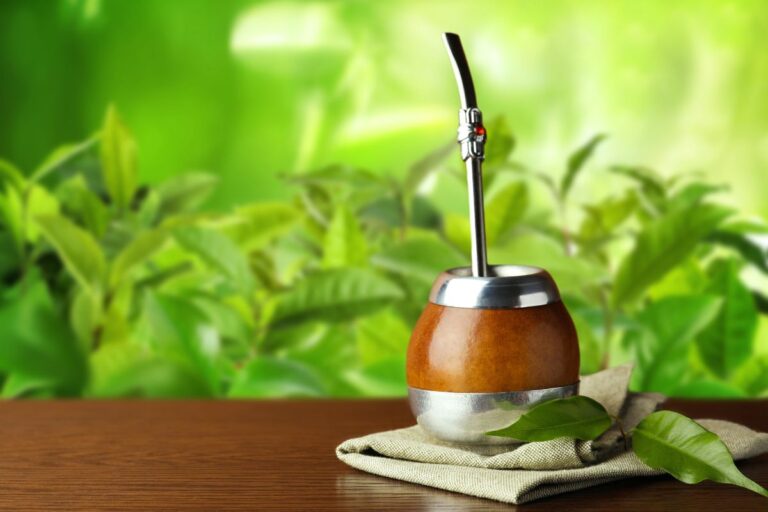
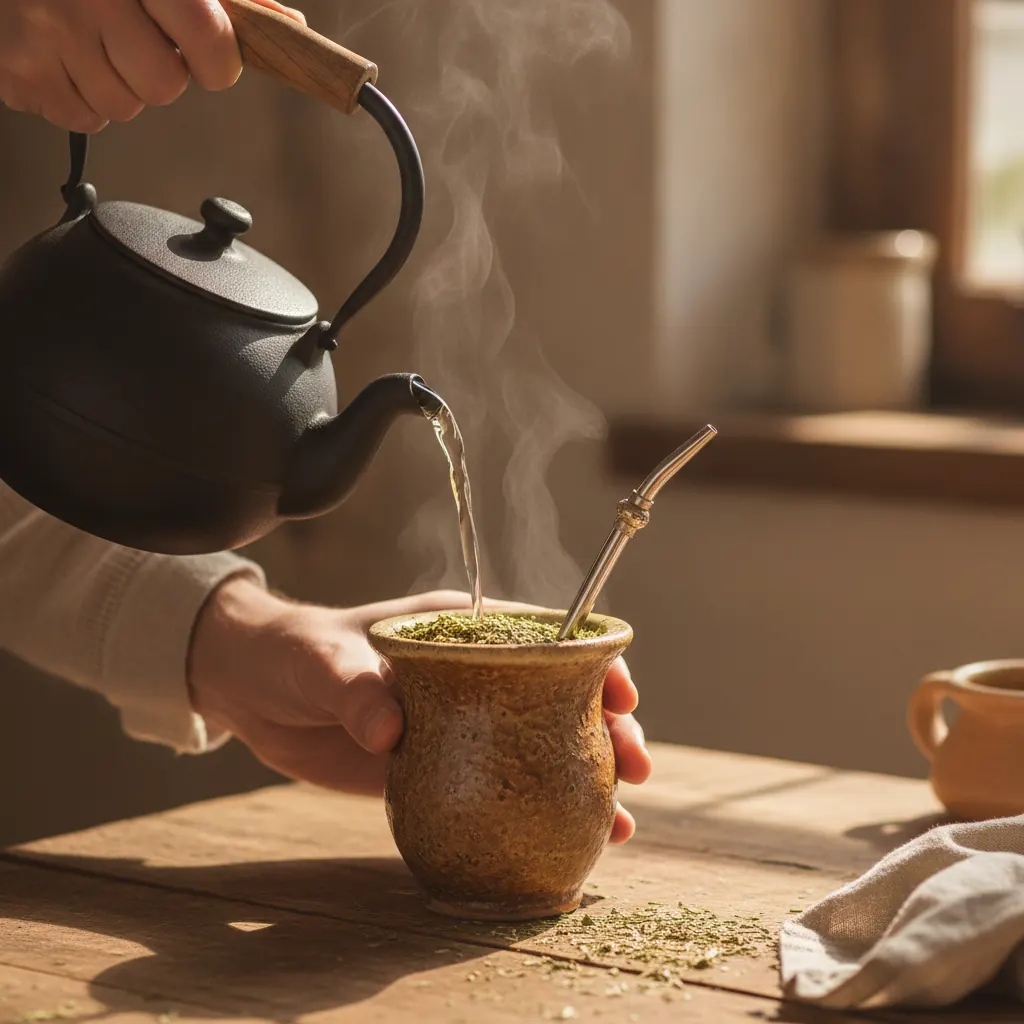
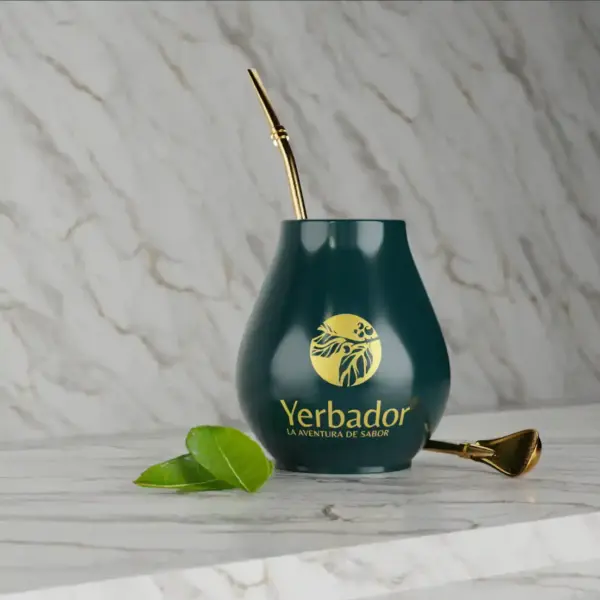
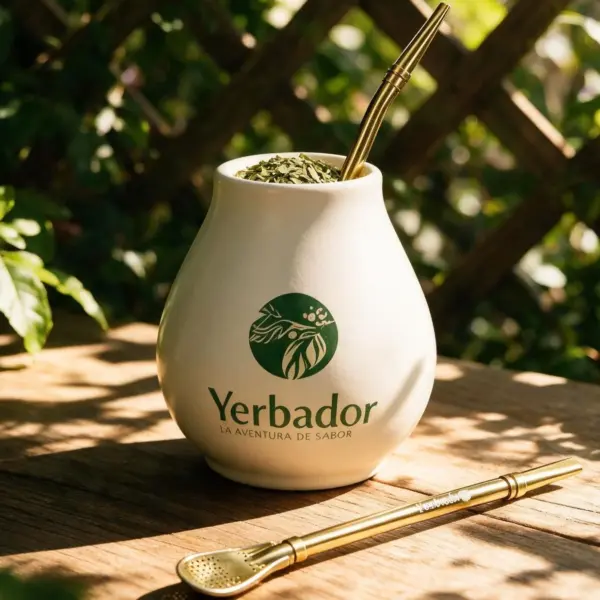
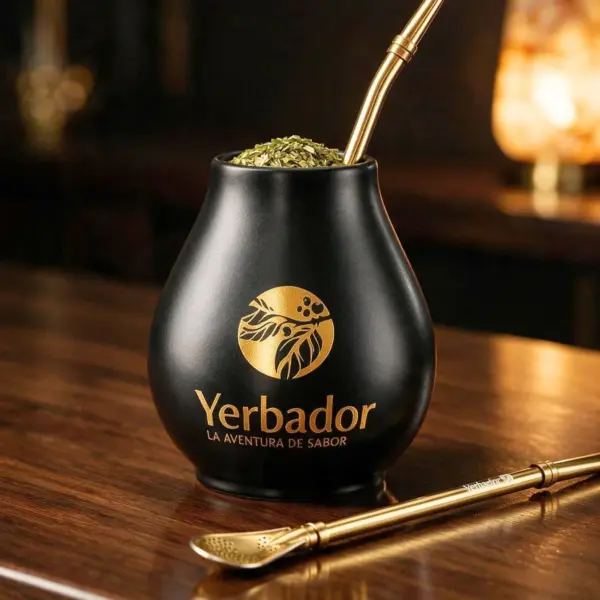
The classic set consists of a matero (a vessel, traditionally made from a gourd or ceramic) and a bombilla – a metal straw with a strainer at the end that filters the leaves as you drink. Without a bombilla you’ll simply swallow the leaves along with the water, which is neither pleasant nor safe for your throat. If you’re just starting out, a good ceramic matero with a capacity of 300-350 ml is perfectly enough – a traditional gourd is prettier, but requires “curing” before first use and a bit more maintenance.
Step by step: how to brew yerba mate
1. Fill the matero with dried leaves to about 2/3 to 3/4 of its capacity. That’s more than it may seem sensible at first glance – yerba mate brews differently than tea; here the leaves stay in the vessel the whole time you’re drinking, not just briefly.
2. Tilt the matero and shake it so the fine dust settles on one side. Hold the vessel at about a 45-degree angle for a moment – this is a classic trick that keeps small particles of leaves from clogging the bombilla’s strainer later.
3. Pour a little lukewarm (not hot) water into the lower, empty part of the vessel and wait a minute. This moistens the leaves from below before hot water hits them – this way the leaves release their flavor gradually, rather than all their bitterness at once.
4. Insert the bombilla into the lower, moist part, at an angle, strainer facing down. Don’t stir the leaves with it anymore – the bombilla should stay in one place throughout the brewing.
5. Top up with water at 70-80°C, never boiling water. Boiling water scorches the leaves, destroys some of the active compounds, and makes the infusion taste bitter and “burnt” from the very first pour. Pour slowly, always in the same spot, next to the bombilla, not in the center.
6. Sip slowly through the bombilla, topping up with fresh water when the vessel starts to “crackle”. The same leaves can be refilled multiple times over several hours – the flavor gradually changes, becoming milder with each refill.
With stems or without – it does matter
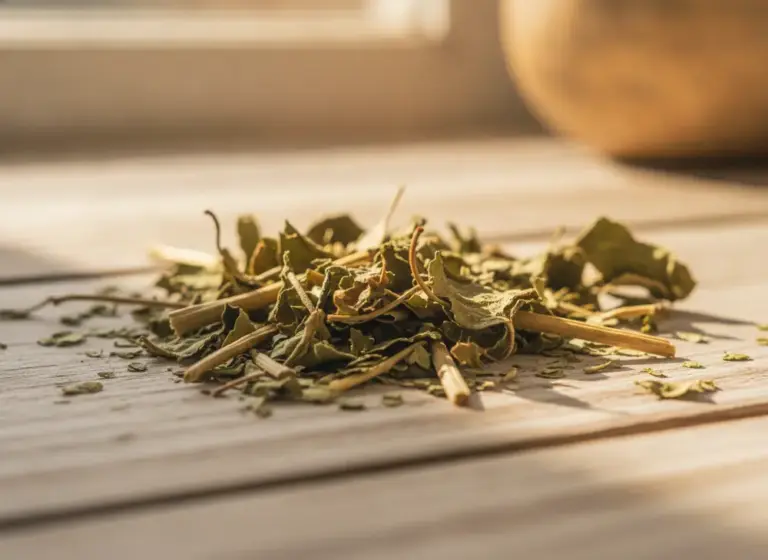
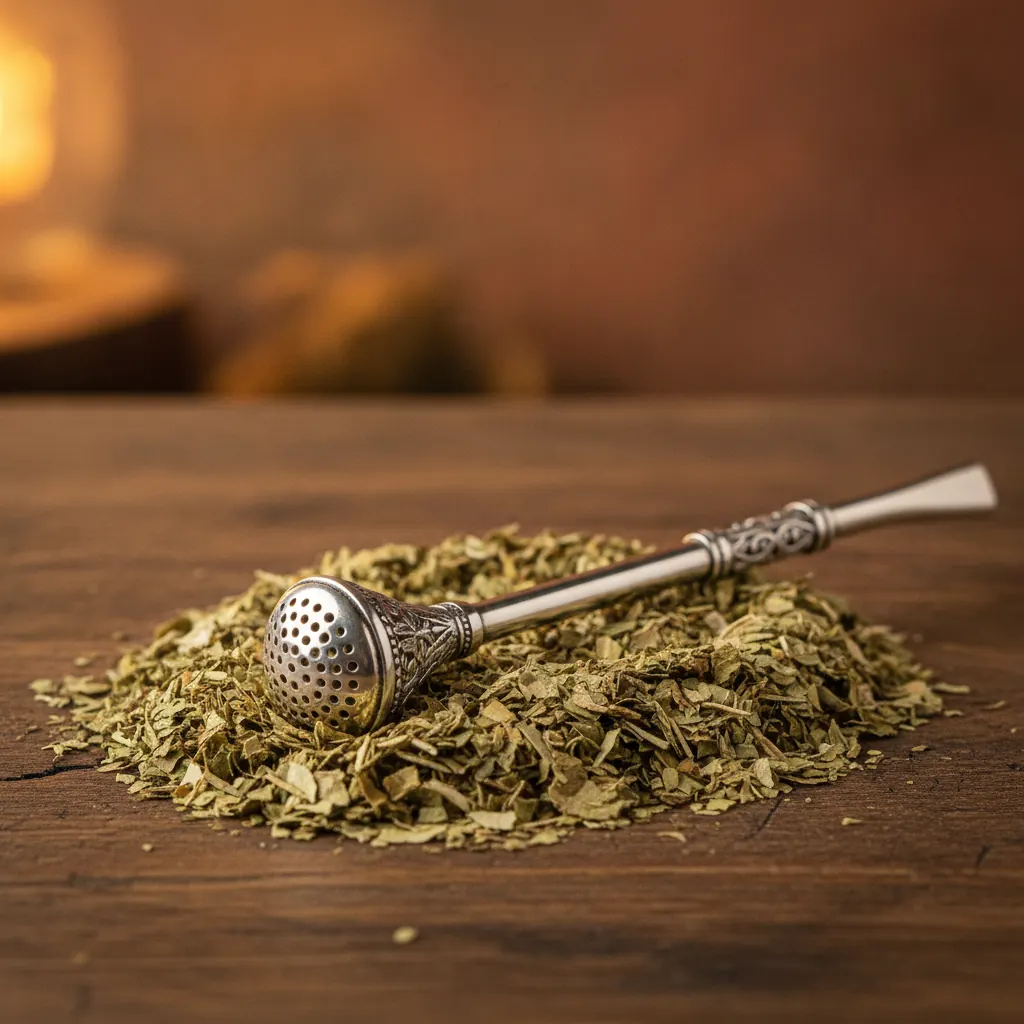
Dried yerba mate leaves are sold in two basic variants. “With stems” (con palo) contains small pieces of stalks that soften the flavor and lower the caffeine content – this is the traditional version, especially recommended for beginners, as it’s easier to accept from the very first sip. “Without stems” (sin palo, sometimes called “despalada”) is pure leaf, stronger, more pronounced and more intense in caffeine – a choice for those who already know they like a stronger character. If you’re not sure which version to choose, start with the one with stems – you can always move to a stronger one, but it’s harder to go back the other way after an initial disappointment with bitterness.
How to care for your matero between brews
A ceramic matero is much simpler to maintain than a traditional gourd – just rinse it with warm water after use, without detergent (soap can leave an aftertaste that carries over into the next infusion). A gourd requires more attention: before first use it needs to be “cured” – filled with hot water and a bit of dried leaves for 24 hours to remove the natural bitterness of the walls, and then regularly dried upside down so it doesn’t develop mold inside. This is one of the reasons why we recommend ceramic for beginners – less ritual at the start, more focus on the actual drinking.
The most common beginner mistakes
Boiling water instead of warm water is mistake number one – if the flavor after brewing is sharply bitter and “burnt”, it’s almost always a matter of water that’s too hot, not the leaves themselves. Second mistake: too little yerba in the vessel – without the right amount of leaves, the infusion quickly becomes watery and loses character after just two or three refills. Third: stirring the leaves with the bombilla while drinking – this clogs the strainer and forces you to keep pushing it through instead of simply drinking.
How to drink yerba mate – hot or cold
The classic version is a hot infusion sipped through a bombilla throughout the day, ideally in the morning and early afternoon (the caffeine in yerba can make it harder to fall asleep if you drink it in the evening – this applies to any caffeinated drink, not just yerba). In summer, cold yerba mate also works well – the so-called terere, traditionally popular in Paraguay and Argentina: the same leaves, but poured over with cold water instead of hot, sometimes with added ice, mint or lemon. The taste is milder, less intense, but wonderfully refreshing on hot days.
Drinking in a group: the role of the cebador and the circulating matero
Traditionally, yerba mate is rarely drunk alone. In Argentina, Paraguay or southern Brazil, one matero is passed around among several people, and it is always filled by the same person – the cebador, or cebadora if it’s a woman. The cebador pours in the water, tastes the first sip to check the temperature and strength of the infusion, and then passes the matero to the next person in the circle, usually clockwise. Everyone drinks their portion to the end and hands the matero back to the cebador, who refills it with fresh water and passes it on. The bombilla stays in one vessel throughout the session – one matero serves the whole group, and no one has their own straw.
Etiquette of the shared matero – what not to do
A few rules that are obvious to those familiar with the ritual, but can surprise a newcomer:
- Don’t stir with the bombilla while holding the matero – it stays where the cebador placed it.
- Drink your round to the end, until you hear the characteristic “gurgle” of the empty vessel, before passing the matero on.
- Say “gracias” only when you truly don’t want any more – it’s a signal of “I’m done”, not a polite thank-you after every round.
- Don’t turn the bombilla toward yourself or change its position – that’s the cebador’s job, not the drinker’s.
Bombilla – what to pay attention to
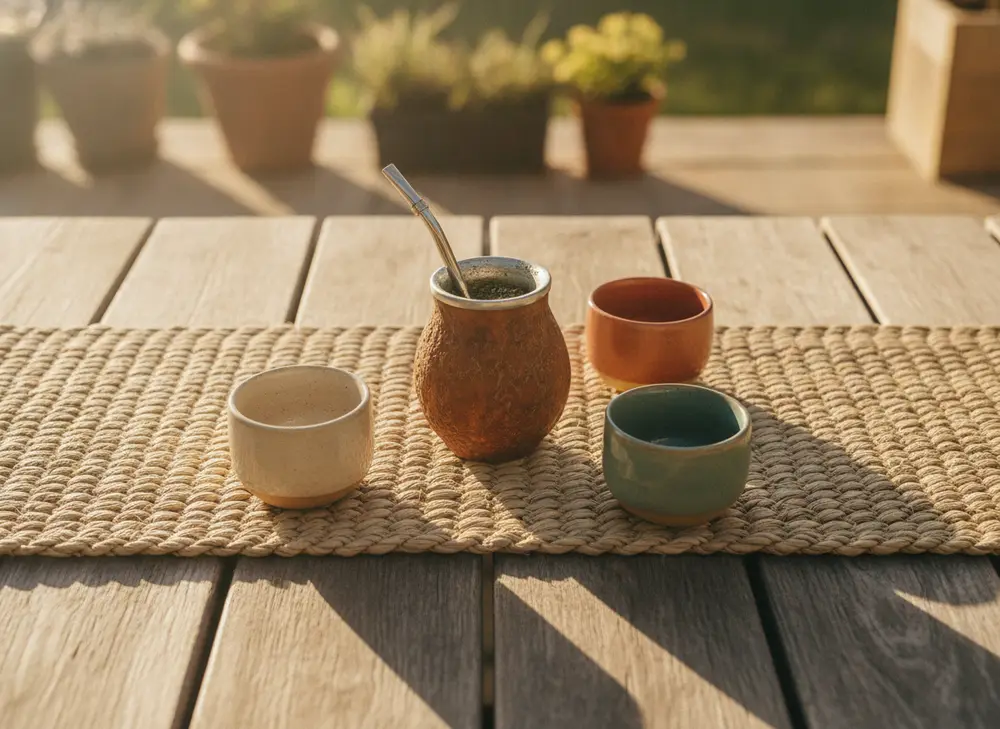
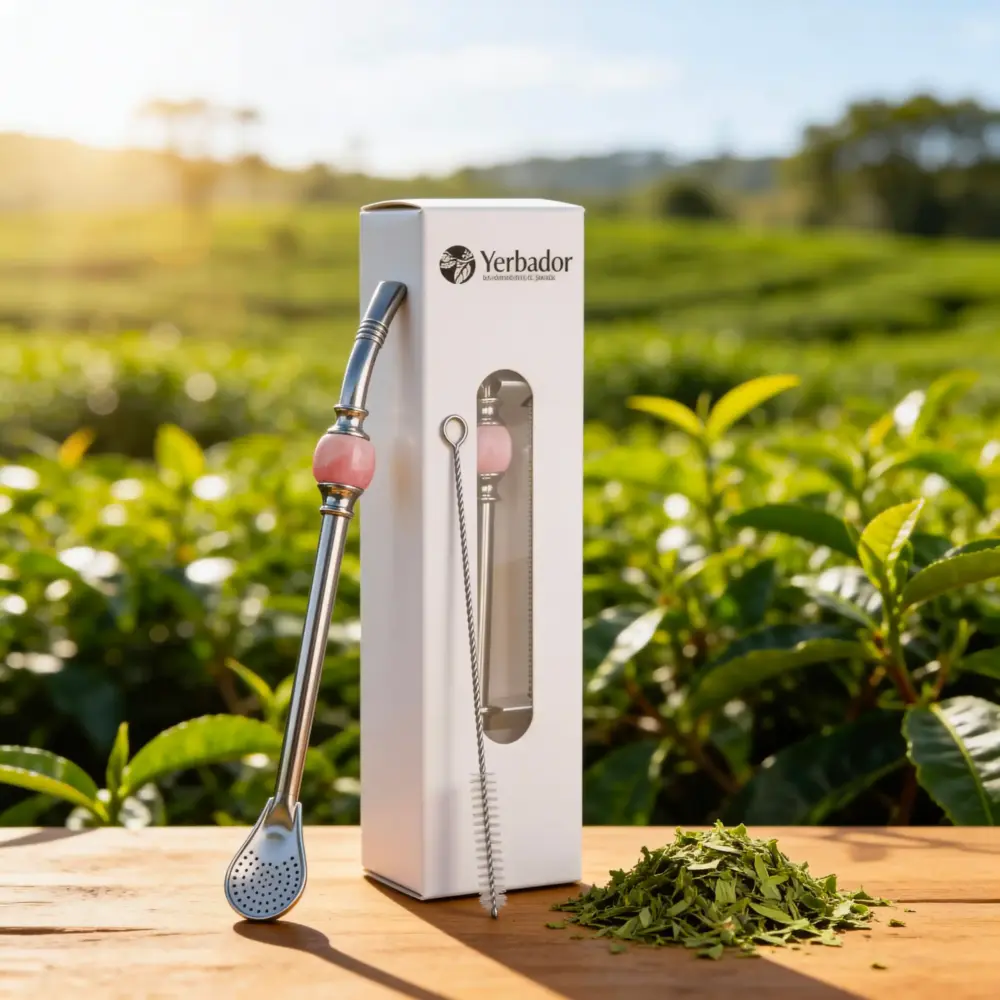
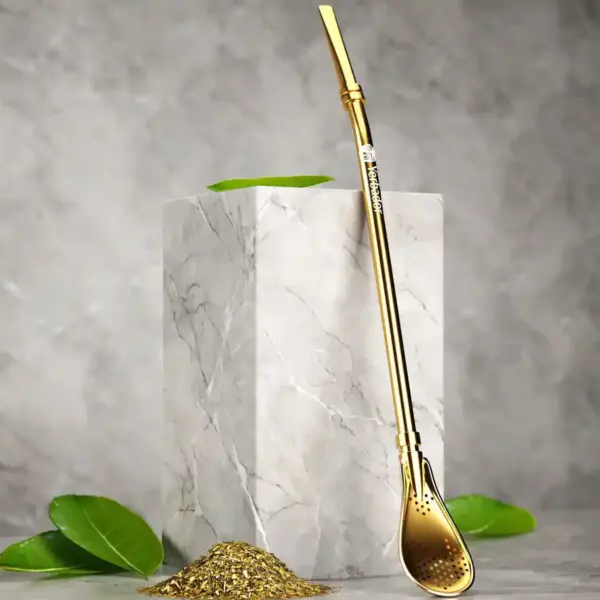
Not every bombilla is the same. Cheaper versions have simple, round holes in the strainer that quickly clog with fine dust from the dried leaves – then you constantly have to blow through the straw, which is annoying and spoils the whole ritual. Better bombillas have a spoon-shaped strainer (the so-called cuchara) or a dense mesh, which handle the dust much better. It’s also worth washing the bombilla right after use, ideally taking it apart if the design allows it – dried leaves stuck inside the straw are the most common cause of an unpleasant taste the next time you brew, not the yerba itself.
How many servings a day and how long you can drink the same leaves
2-3 full vessels a day is a reasonable, safe amount for most people – each matero can be topped up with water several times, so one filling of dried leaves easily lasts one to two hours of drinking. It’s worth replacing the same leaves with fresh ones when they stop giving off color and flavor – usually after 3-4 hours of continuous refilling, depending on the amount of dried leaves at the start.
When the infusion is “lavado” and it’s time to replace the leaves
Leaves that have already given up most of their flavor are called lavado in Argentina and Uruguay – literally “washed out”. Water flows through the dried leaves faster than at the beginning, almost without resistance. The color of the infusion lightens, turning from greenish-brown to increasingly transparent. The taste loses its character – the bitter-herbal note disappears, leaving mostly water with a grassy aftertaste. This is a sign that the leaves are spent, not that something went wrong. Replace the whole batch of dried leaves with fresh ones, or add half a portion of fresh yerba on top of the old one, without mixing.
Water temperature in subsequent rounds and how many cebadas the dried leaves can withstand
The 70-80°C temperature applies to the whole session, not just the first pour. A common mistake: someone brews the first round correctly, but for the following ones grabs water straight from the kettle because “the leaves are already soaked”. Water that’s too hot in the middle rounds scorches the remaining dried leaves just as badly as at the start. You can only raise the temperature slightly towards the end of the session, when the leaves are approaching the lavado state.
The number of rounds (cebadas) depends on the amount of yerba in the matero and its type. When filled to 2/3-3/4 of the vessel, con palo dried leaves can withstand a dozen or so refills spread over 2-3 hours of drinking. Sin palo, stronger and finer, releases its flavour faster – here you can expect more like 8-10 rounds. This is an approximate range, not a strict rule.
How much it costs and where to buy good yerba
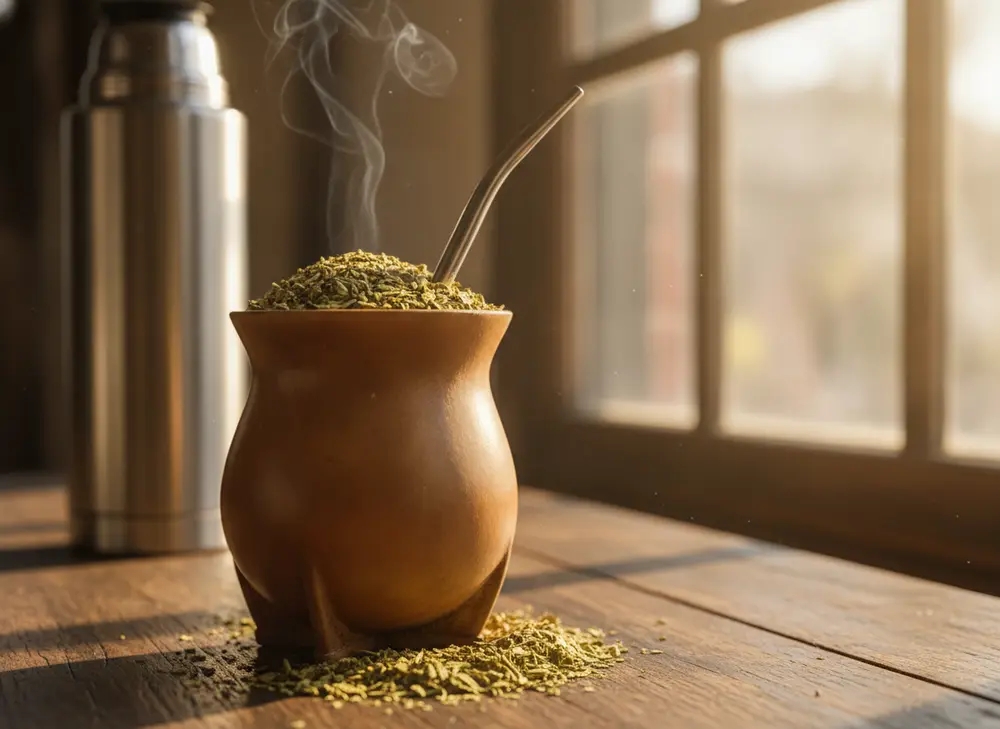
Good yerba mate usually comes in a pack that lasts a few weeks of regular drinking – and a reasonable starter set with a vessel and a bombilla is a one-off cost for gear that lasts for years. It’s worth buying from a seller who states the origin of the leaf and the drying method, and not just “yerba mate” with no details – that’s usually the best sign that the producer genuinely cares about the quality of the dried leaves, and not only about the price on the shelf.
In short, for those reading on the go
- Fill the vessel with dried leaves to 2/3-3/4, no less.
- Water at 70-80°C, never boiling.
- First a little water on the leaves, wait a minute, only then the bombilla.
- Don’t stir the leaves with the bombilla while drinking.
- The same leaves last for several hours of refilling.
- Beginners: yerba with twigs, ceramic matero, bombilla with a fine filter.
Start with a good set
If you’re just starting out, it’s much easier to begin right away with a complete set than to buy the matero, bombilla and yerba separately and hope everything matches.
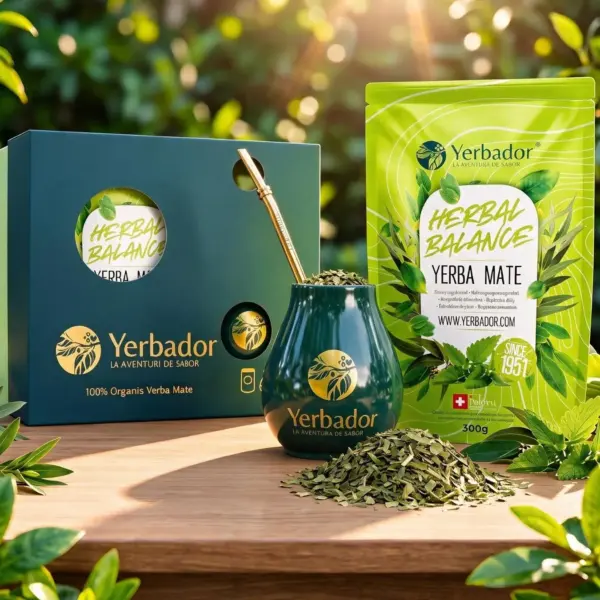
Starter set: matero, bombilla, scoop and yerba
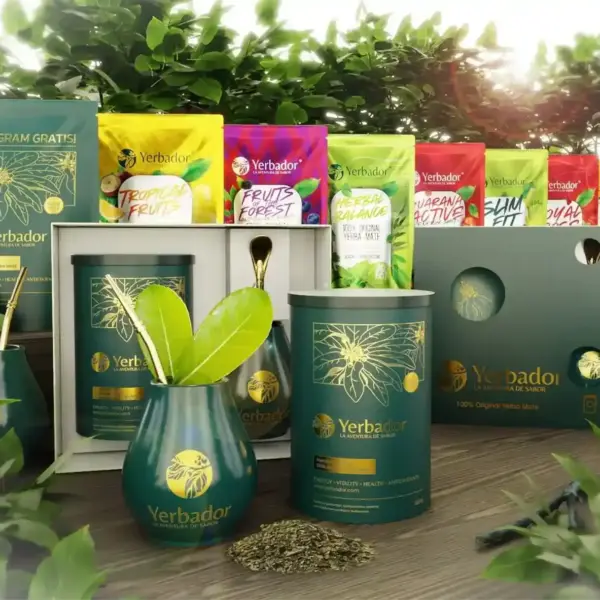
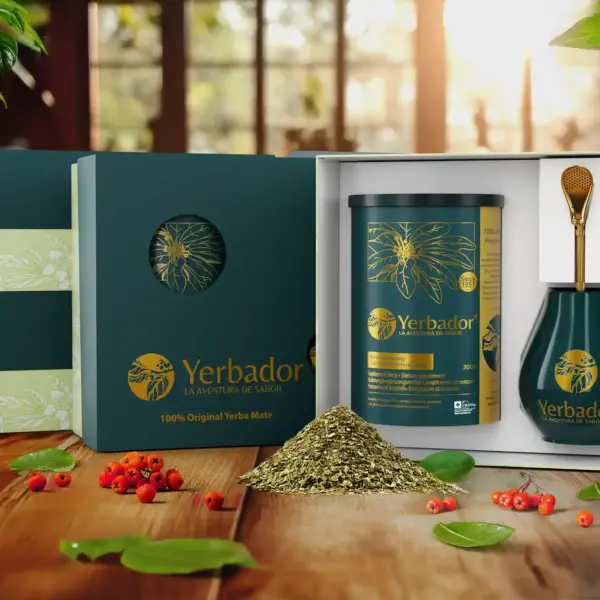
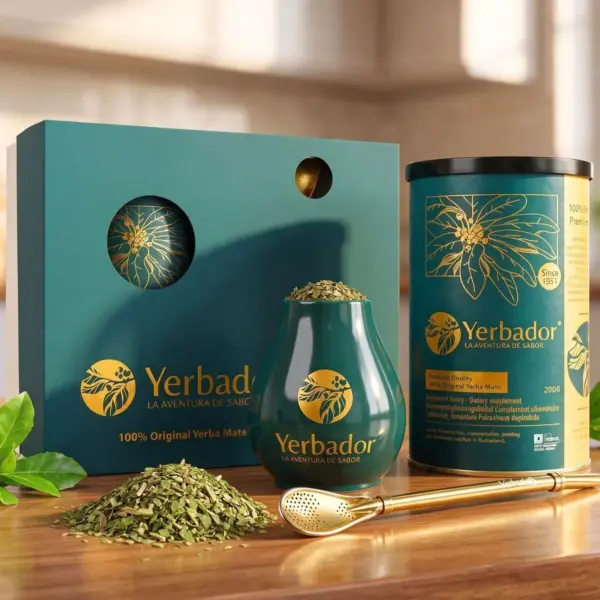
A set containing everything we described above – ceramic matero, traditional bombilla, wooden scoop and a portion of yerba, so you can start brewing that same day.
Check out the product: Yerbador Starter Set
Yerba Mate – classic version, for everyday brewing
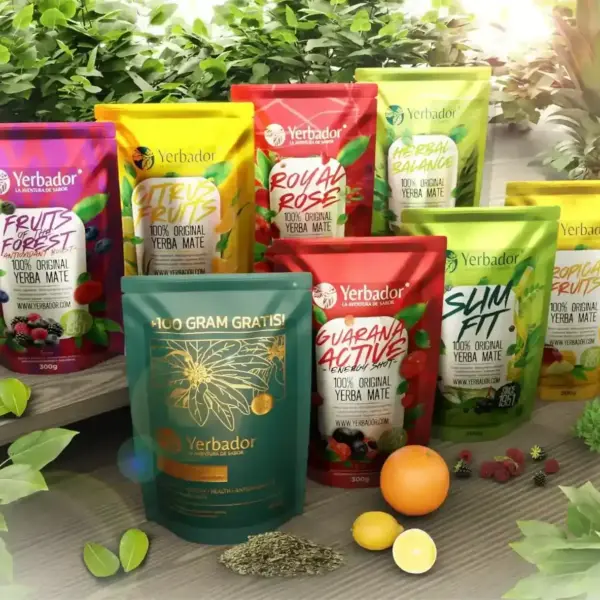
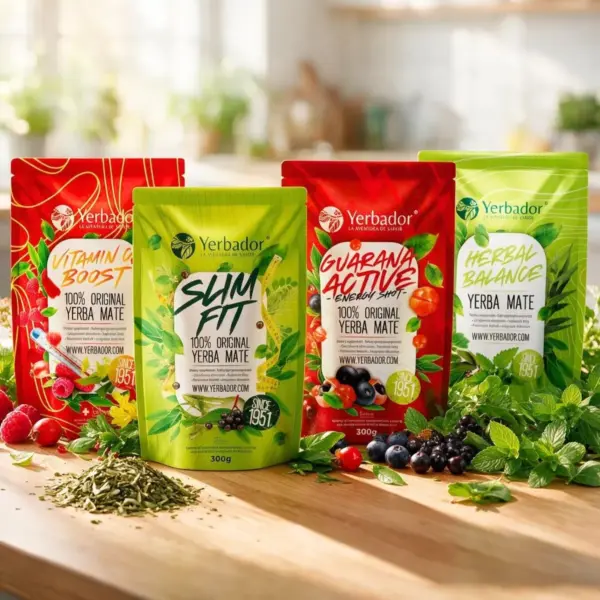
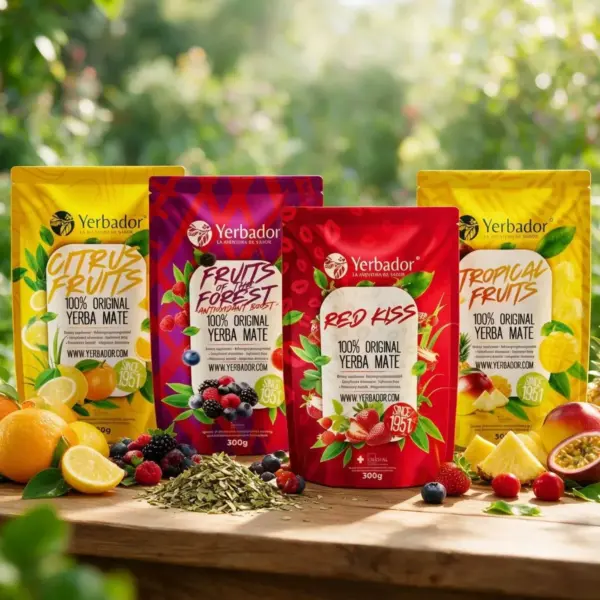
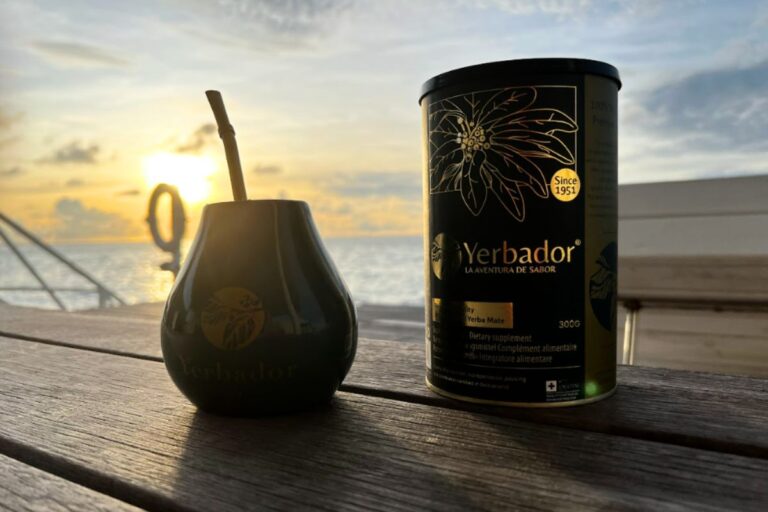
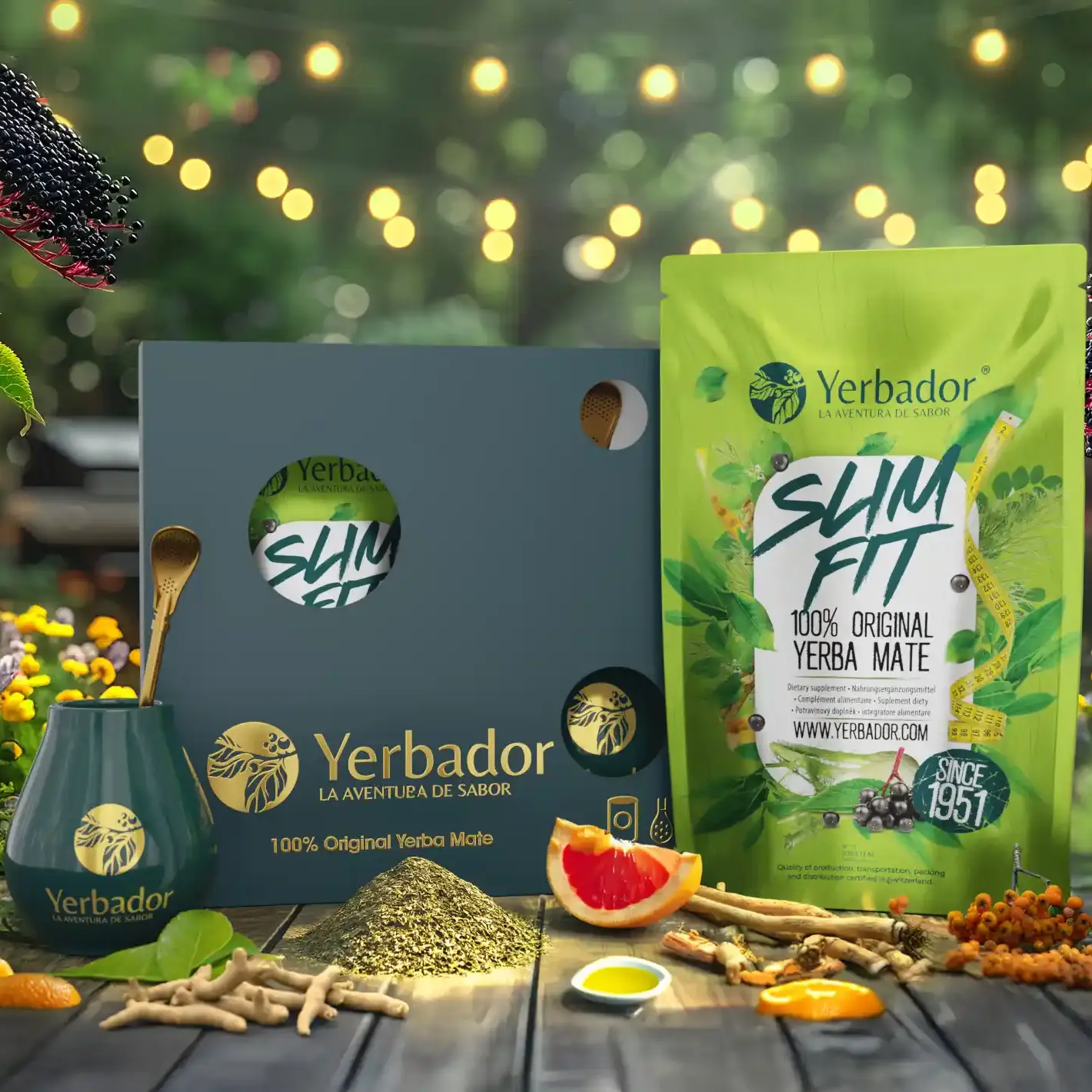
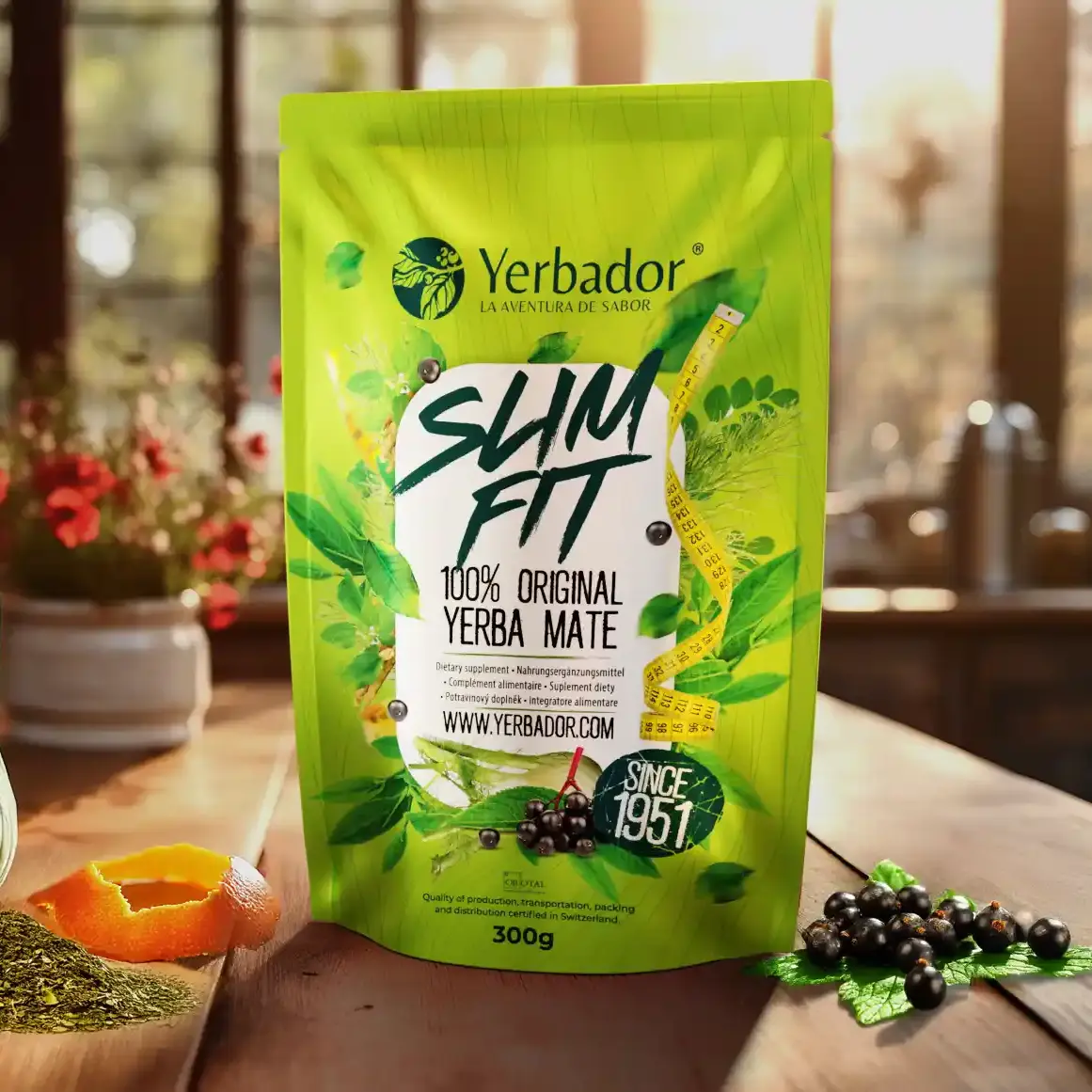
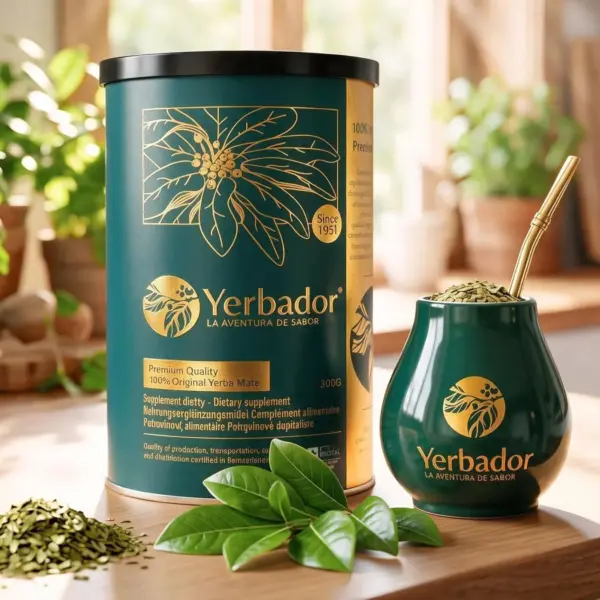
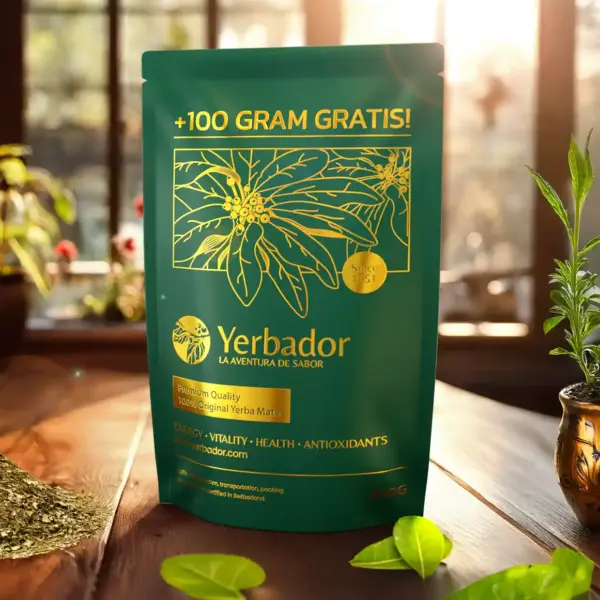
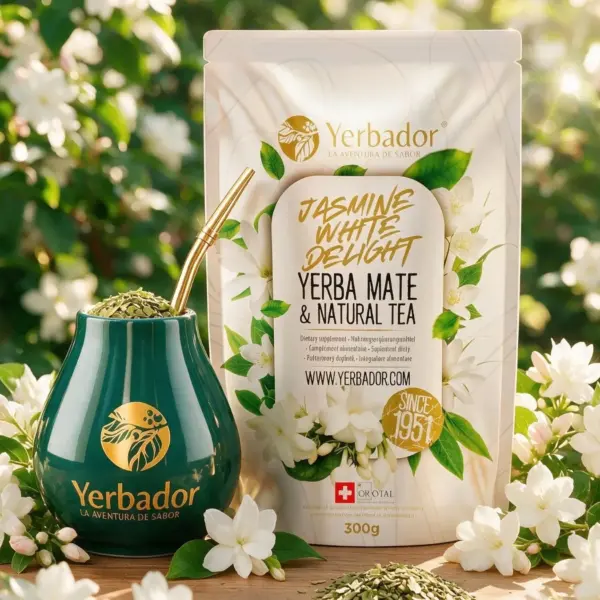
For those who already have a matero and bombilla and are looking for good yerba to start with – 100% leaves from Yerbador plantations, from a tradition dating back to 1951.
Check out the product: Yerbador Yerba Mate
For drinking on the go and in a group
If you often drink mate away from home – at the office, camping, with a group of friends – two extras make a real difference.
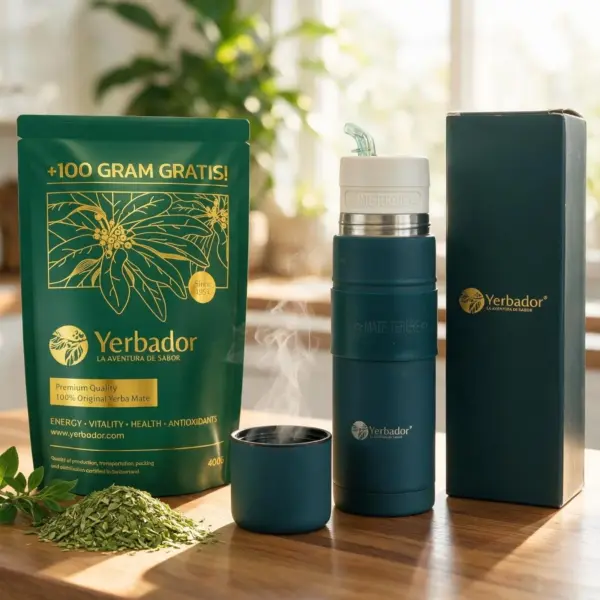
A thermos for water at the right temperature
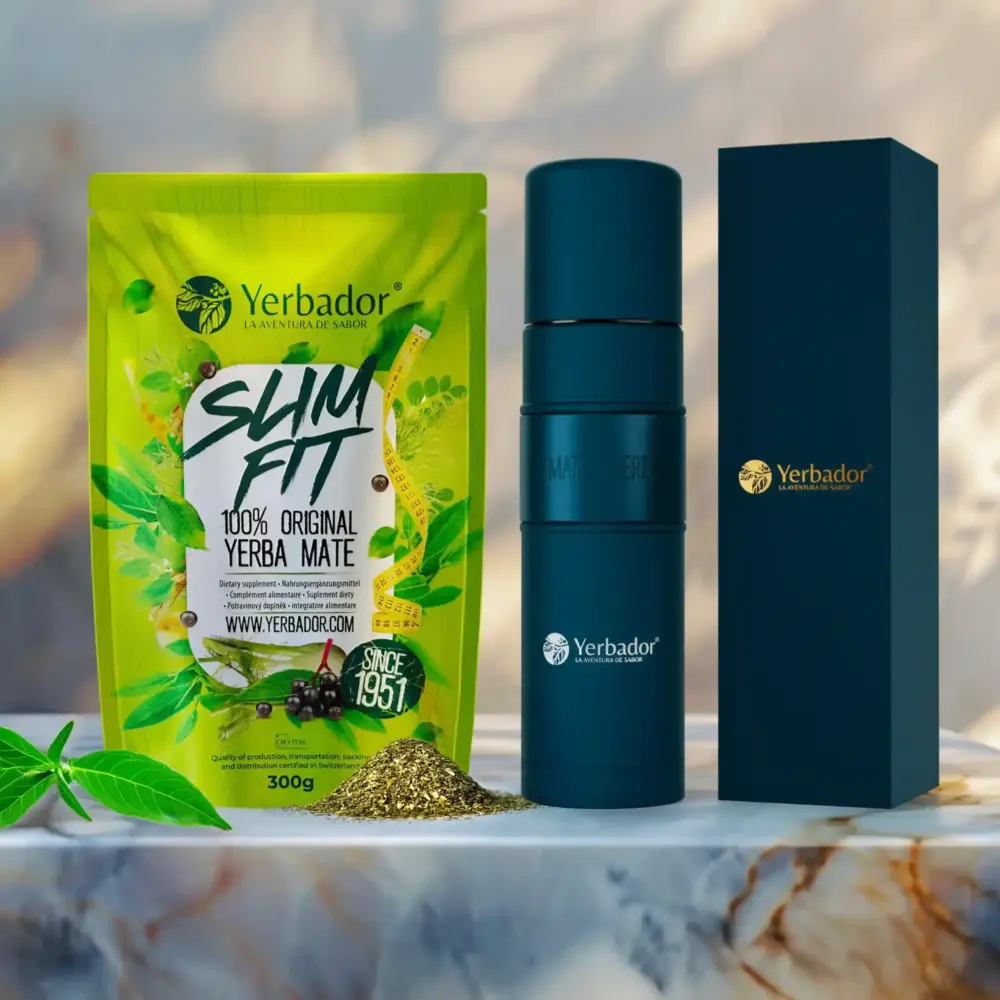
The matero passes around the group, so the cebador needs to have water at a constant temperature throughout the whole session. A thermos keeps it hot long enough that you don’t have to go back to the kettle for every round.
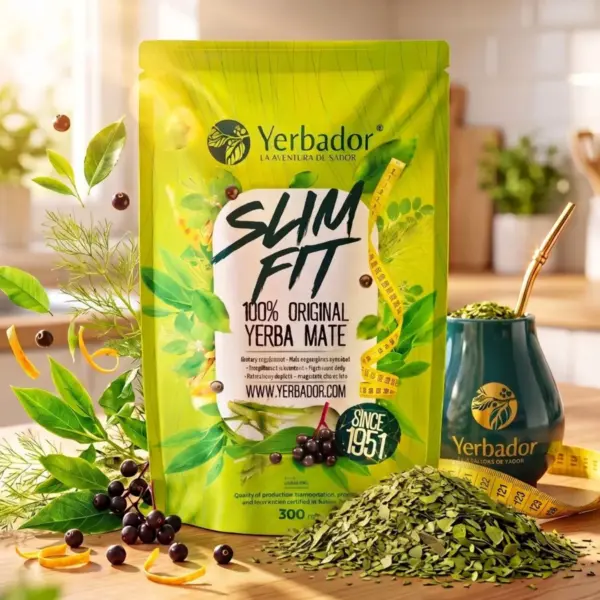
Check out the product: TERREMOS PRO MAX + SLIM FIT – check the current price
Bombilla premium with a cleaner – hygiene when drinking together
When sharing one matero, a single bombilla passes through the hands of the whole group, so it’s worth having one that’s easy to clean between sessions. This straw has a dense filter that doesn’t clog as fast as cheaper versions, and comes with a cleaner for washing the inside.
Check out the product: Decorated Bombilla Premium Straw with Cleaner – check the current price
Frequently asked questions about drinking yerba mate
Is sharing one bombilla hygienic?
This is how it’s been drunk for generations in South America, but it’s your decision. If you have doubts, everyone can have their own matero and bombilla. Washing with warm water after use reduces the risk, but doesn’t eliminate it.
Can you drink yerba mate on an empty stomach?
It’s possible, but in some people the acidity and caffeine on an empty stomach cause discomfort, similar to strong coffee without breakfast. If you have a sensitive stomach, it’s better to start with a small meal.
How much caffeine does yerba mate have compared to coffee?
Yerba mate contains caffeine, sometimes called mateine, although chemically it’s the same substance. The amount depends on the variety and brewing time. A session spread over several hours with refills is gentler than one strong cup of coffee at once.
What to do if the infusion is bitter despite lower water temperature?
Check whether you stirred the dried leaves with the bombilla (this releases more bitterness at once) and whether the water is hitting the same spot next to the bombilla, not the center of the vessel.
Do you need to wash the matero after every refill of water?
It’s enough to rinse it with warm water at the end of the session, not after every refill – during drinking, the leaves stay in the vessel and that’s normal.
One last thing: the first cup is rarely perfect. The amount of dried leaves, water temperature, drinking pace – these get calibrated over the first week, not on the first brew. Don’t judge the whole ritual by a single attempt.
Discover our TOP products!

Your dream figure

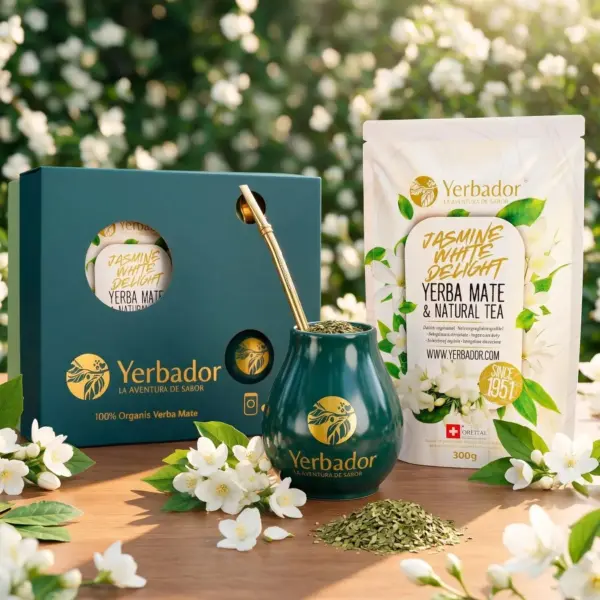
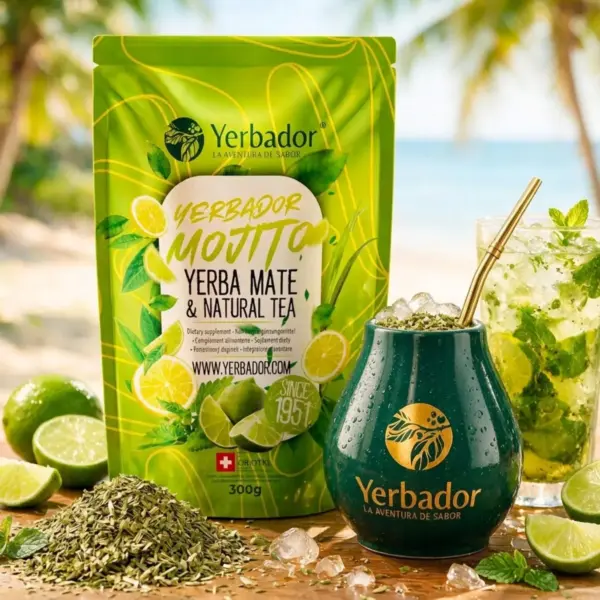
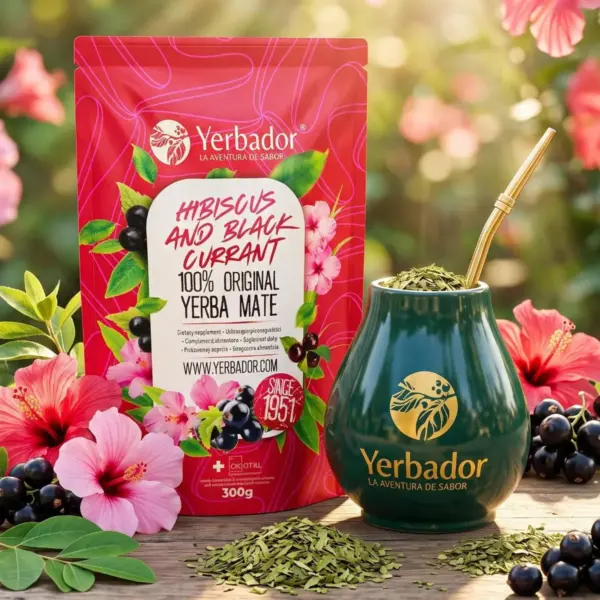
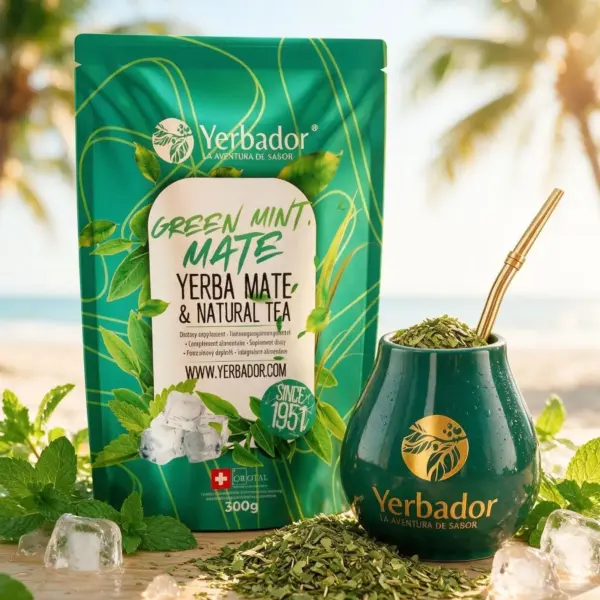
Discover new flavors
Yerba mate with tea
Accessories
Superfoods

Certified raw honeys from Poland

Check the current price
free shipping
Up to 90 days
free returns
24 H
shipping