
How to Introduce Yerba Mate to a Restaurant or Bar – A Step-by-Step Guide
2026-07-30
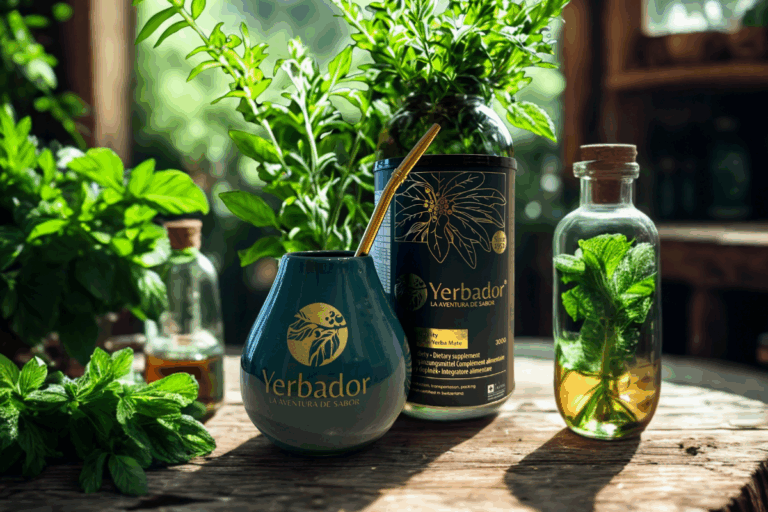
“We want to give guests something different from another coffee or homemade lemonade, but we don’t know where to start” – this is a sentence we hear from restaurant, bar and café owners regularly, ever since yerba mate stopped being an exotic curiosity known only to travellers around South America. The good news is that introducing yerba mate to a venue’s menu is simpler, cheaper and less risky than most people assume at the start.
Step 1: decide what role yerba mate is to play in your venue
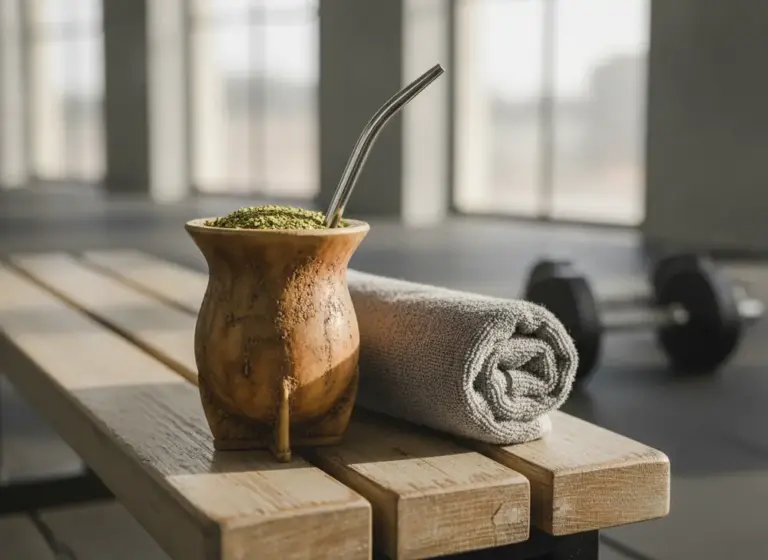
Before you place your first order, answer one question: is yerba mate meant to be a traditional ritual served in a gourd (matero) with a bombilla, or rather a modern drink served in a glass – hot or cold, like tereré? In restaurants aiming to tell guests a story, the first approach works well – the waiter places a matero on the table, explains the ritual, and guests drink in turn or each gets their own set. In bars and places focused on quick service, the second approach more often wins out – yerba mate brewed like tea, served in a glass with ice, mint and lemon, or as a base for non-alcoholic and alcoholic cocktails.
You don’t have to choose one variant forever. Many of our partners start with the simpler, glass-served version, and only once they see guests’ interest do they add the traditional ritual to the menu as a “showcase dish” – something that catches the eye of neighbouring tables and sells itself.

Step 2: choose the right yerba mate variant
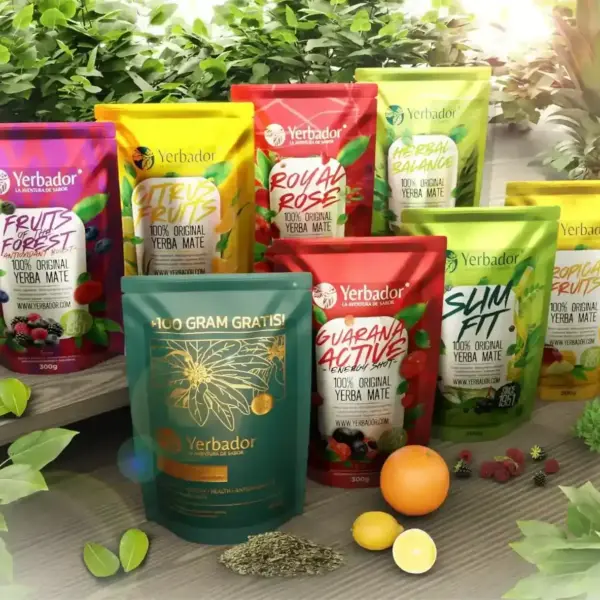
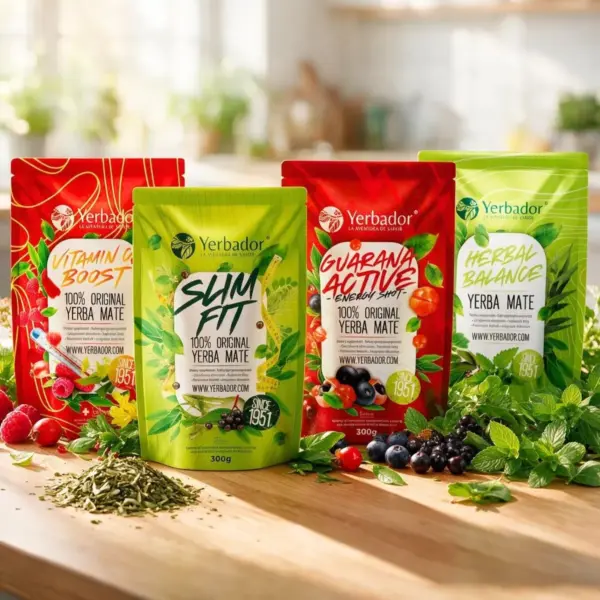
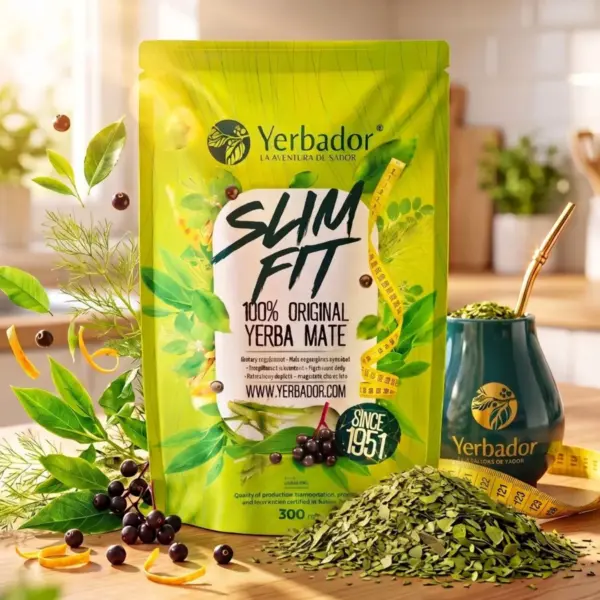
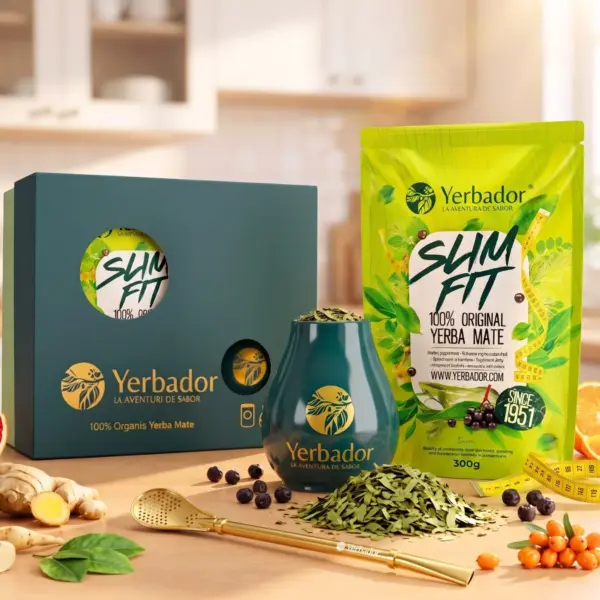
For classic serving in a matero, our classic yerba mate works best – bold, herbal-woody, true to tradition. If your venue has a “healthy lifestyle” or wellness profile (gyms with a bar, clinics, organic cafés), it’s worth considering the functional variants: Slim Fit (weight control support – a frequent topic of conversation at the bar) or Ultra Energia with guarana – a stronger boost of stimulation than classic yerba, great as a “morning reset” on the breakfast menu or an alternative to a second coffee.
The whole leaf comes from Brazil, is packaged in Europe, and is covered by the Swiss quality certification of OROTAL Commodities Trading SA, the HACCP certificate, and KIWA certification — and in Poland, additionally by the Quality Certificate of the National Medicines Institute. These are documents you can show a guest if they ask where what they just ordered comes from – and in the food service industry, they’re asking more and more often.
Step 3: work out whether it’s worth it
A 1 kg doypack is excellent value. A standard serving for brewing in a matero is 30-50 g of yerba mate (which can be topped up with water many times during a single “session”), and for a glass, as you would tea, 5-8 g per serving is enough. So one kilogram yields anything from a dozen or so traditional services to over a hundred glass servings, depending on the format. At typical premium-segment selling prices (for comparison: about the same as many a specialty coffee or a non-alcoholic cocktail), the margin stays real even once you add ice, lemon or mint.
If you want to keep opened yerba fresh longer than a standard package allows, an airtight doypack works well – it limits contact with air and moisture, which, in a bar’s back room where the package is opened and closed multiple times a day, makes a real difference to the flavour of the drink served.
Step 4: train your team – it’s not difficult
Brewing yerba mate differs from brewing coffee or tea, but a bar or waiter usually gets the hang of it after two or three tries. The classic method: fill the matero with yerba to 2/3, tilt the vessel so the dried leaves settle at an angle, insert the bombilla against the wall (not in the centre), and pour water at 70-80°C – never boiling, as it scalds the leaves and ruins the flavour. Subsequent pours are made in the same spot, added slowly. For the glass version, simply brew like strong tea for 3-5 minutes and strain – simpler than many an infusion already on the menu.
With your first order, we include a simple preparation guide for both variants, which you can hang up in the bar’s back room – your team doesn’t need outside training to start serving it correctly from day one.
Step 5: start with a small batch, test it, then scale up
You don’t have to order a full kilogram for the whole month right away. A smaller retail package lets you see how yerba mate is received by your specific guests – reactions in a big city centre can differ from those at a seaside resort or a mountain lodge. Once, after two or three weeks, you see the item selling well and guests asking about other variants, you can move on to wholesale orders in the 1 kg format with a steady, planned delivery cycle.
Menu ideas – more than just one drink
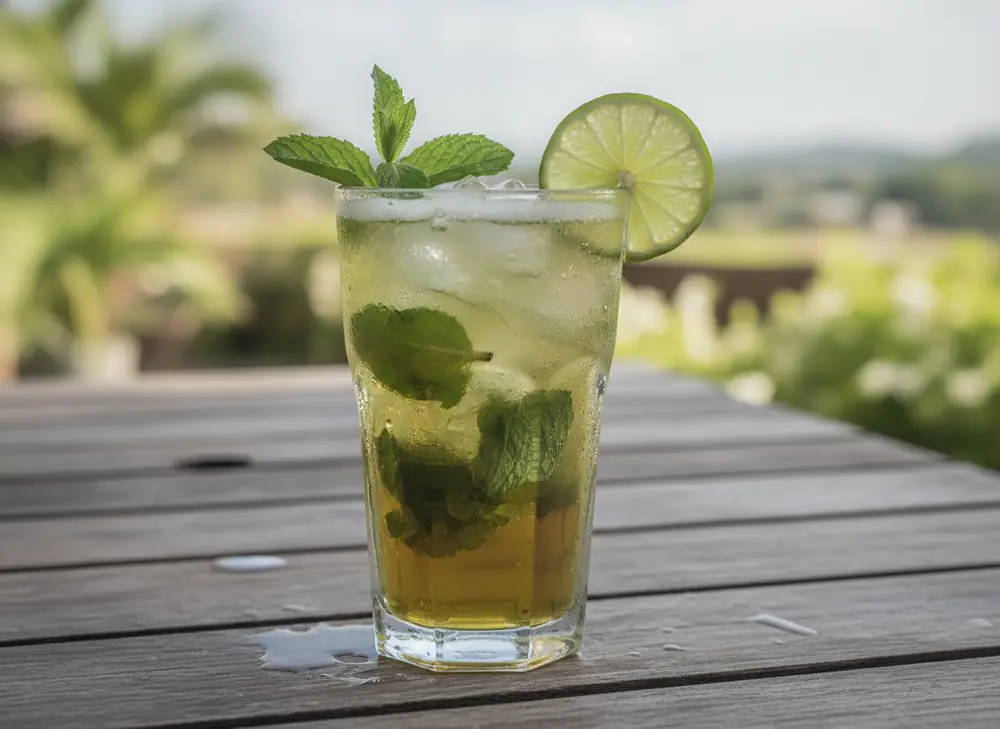
Yerba mate offers more menu possibilities than just “an infusion in a gourd”. The classic tereré – a cold version with ice, mint, and lime – works great in summer as a lighter alternative to iced tea or lemonade, and with a bit of bartending courage, yerba mate also blends beautifully into non-alcoholic cocktails (mate with lime juice and ginger syrup) and rum- or gin-based drinks, where it acts as a more complex, herbal alternative to tonic. In cafés, a “mate latte” version also works well – brewed yerba essence with steamed milk, served like a regular milky coffee, for guests who want to try something new without stepping outside a familiar format.
How to promote a new menu item
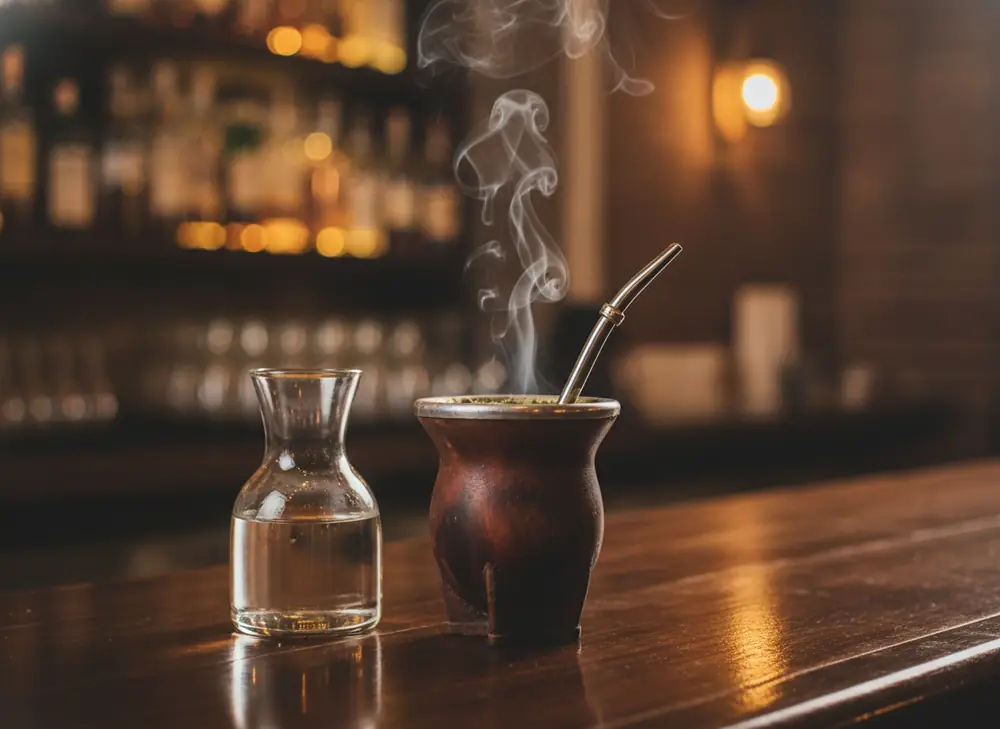
The ritual of drinking yerba mate is visually unique – a shared matero passed between guests at the table, a metal bombilla, steam rising above the vessel – these are images that beg to be photographed for Instagram. It’s worth giving staff a simple line to say to a guest on their first order: “it’s a drink that South Americans drink instead of coffee all day long – gentler stimulation, without the jittery kick” – this line works because it’s true, and the guests’ curiosity does the rest.
The most common mistakes during first implementation
Too large a first delivery – ordering a kilogram “just in case” before knowing whether the item will catch on in your specific venue is the most common starting mistake. Second: brewing with boiling water instead of water at 70-80°C – yerba mate brewed with water that’s too hot turns bitter and loses its character, and a guest who tries it that way may never come back to that item on the menu. Third: lack of clear instructions for the team – without it, every bartender or waiter brews it slightly differently, and guests get an inconsistent experience shift to shift. Fourth: hiding yerba mate in the menu without any promotion – a ritual that’s never shown to anyone won’t sell itself.
Ready to get started?
Write to us with information about your venue’s profile and the scale you’re considering – we’ll advise which variant and format to choose to start, and propose terms tailored to your volume, whether it’s a one-off test order or a steady, ongoing partnership. Also check out our wholesale offer for the food service industry and shops if you’re looking for a broader list of formats and variants.
[email protected]
Proven formats for the food service industry
Check out the product: Yerba De Brasil – Doypack 1 kg
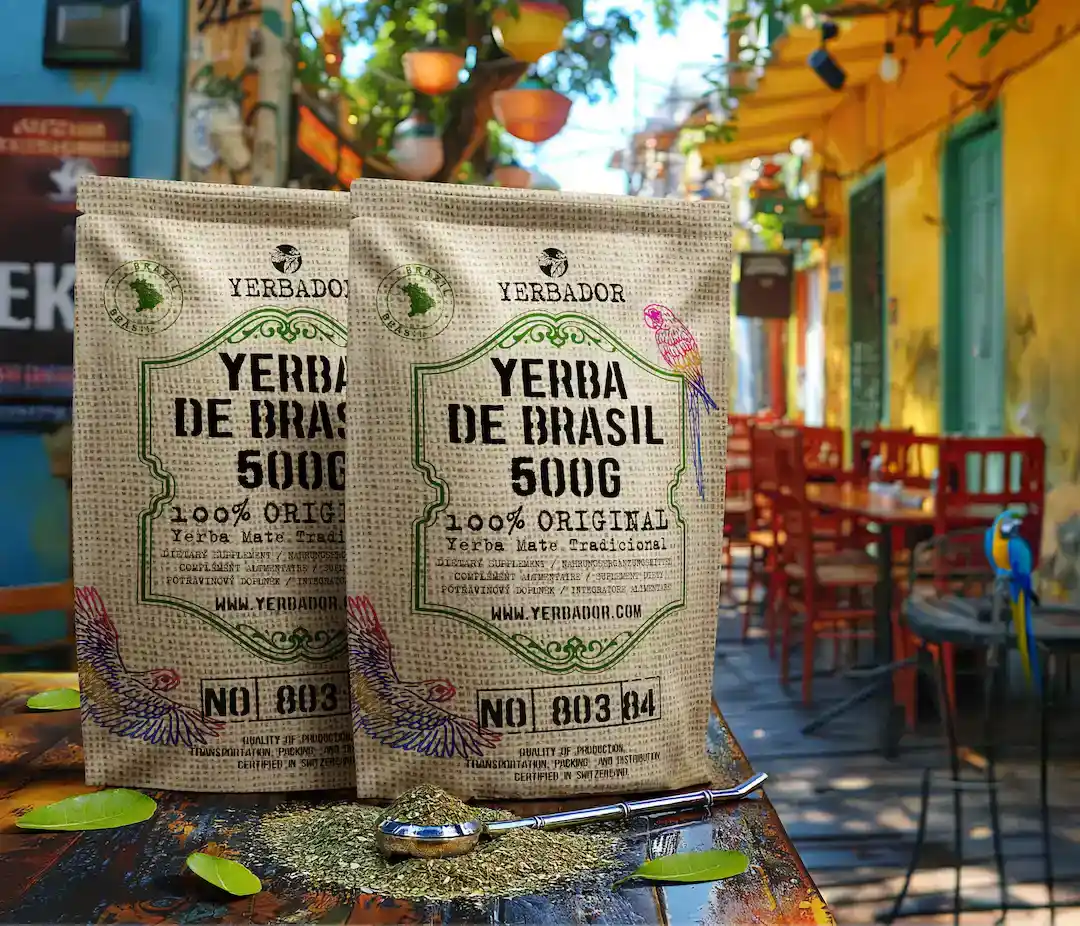
Wholesale format – the lowest cost per serving, ideal for steady rotation in a bar or restaurant.
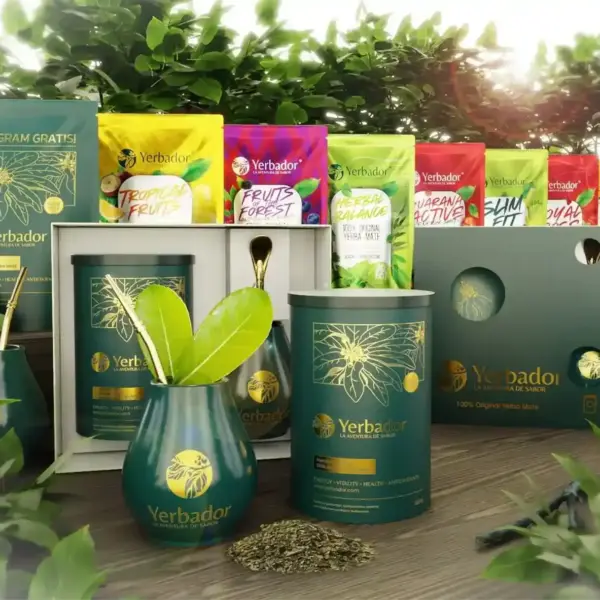
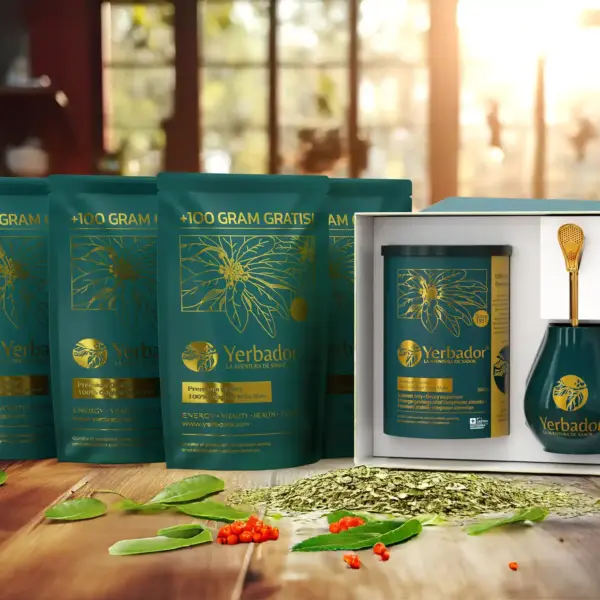
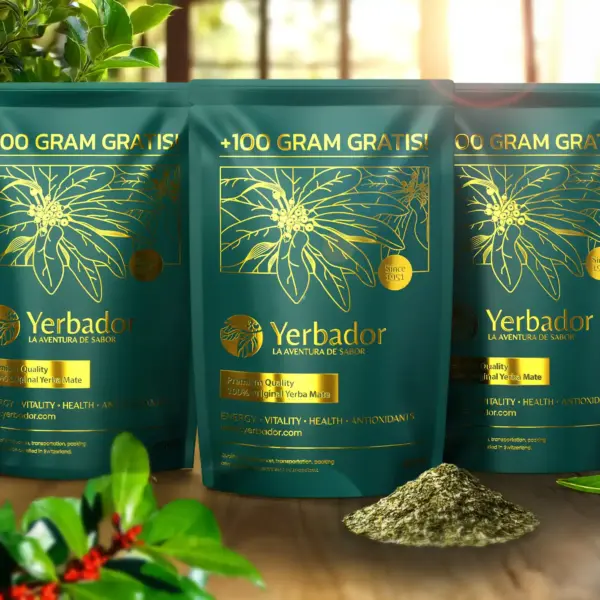
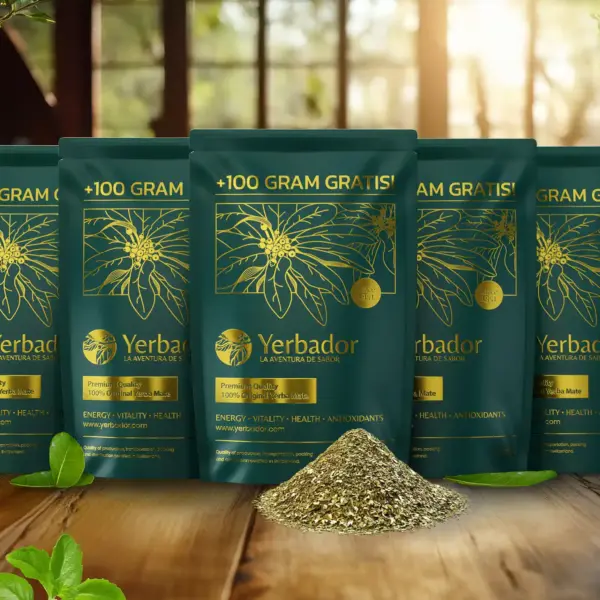
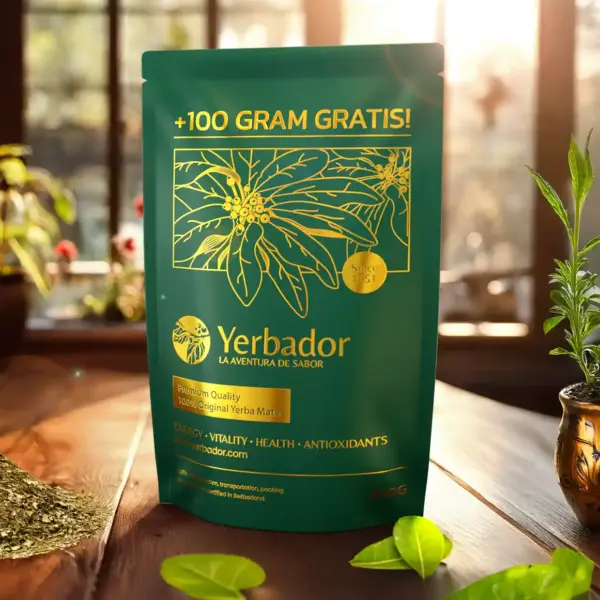
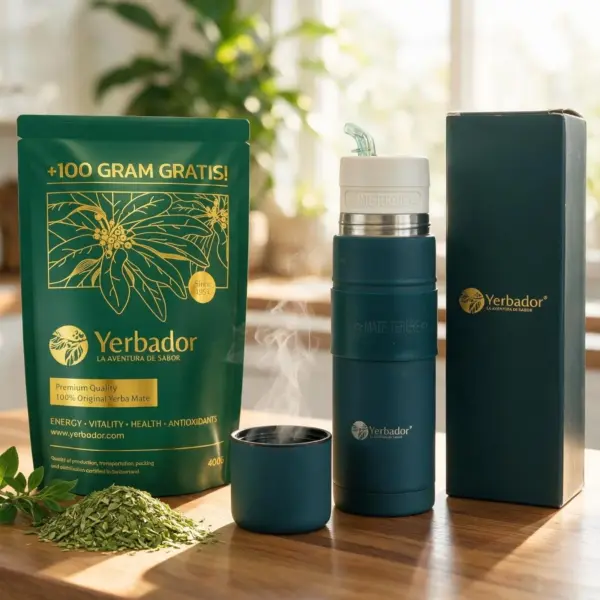
Check out the product: Airtight Doypack Yerba Mate + 100g free
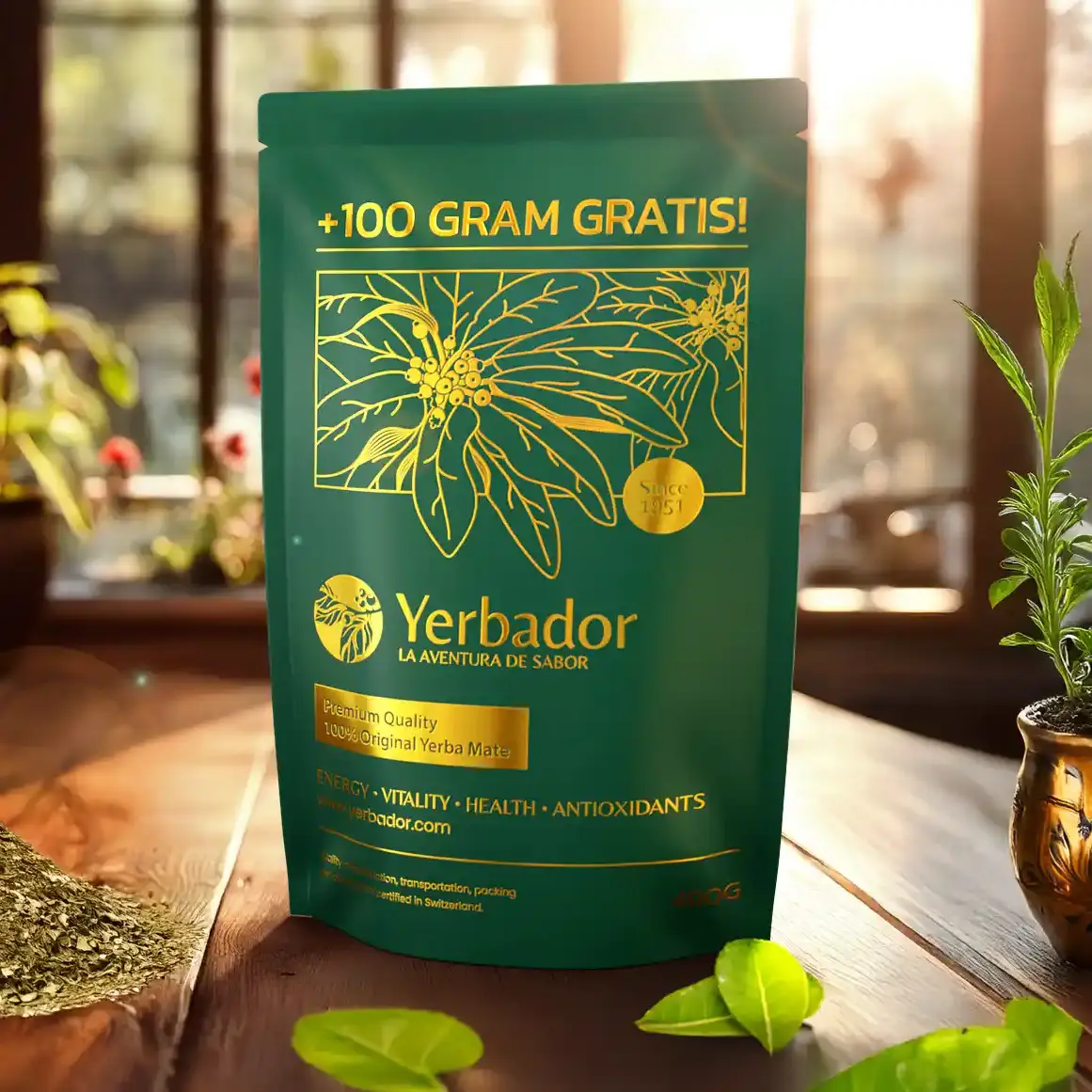
Sealed packaging that protects the freshness of opened dried leaves in the bar’s back room – where it’s reached for several times a day.
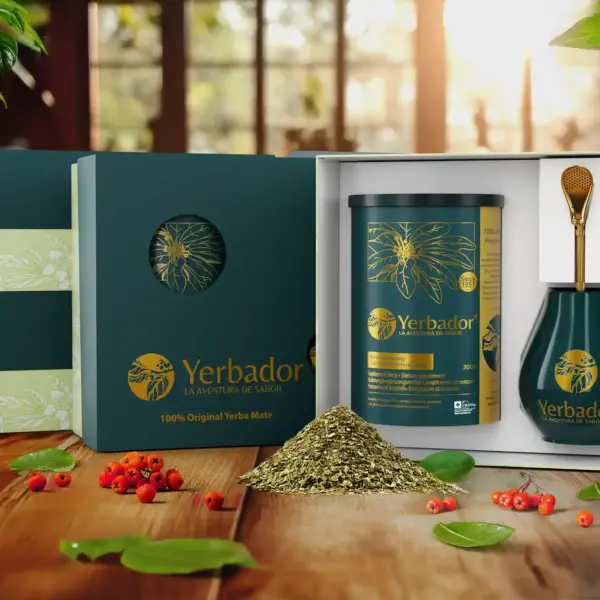
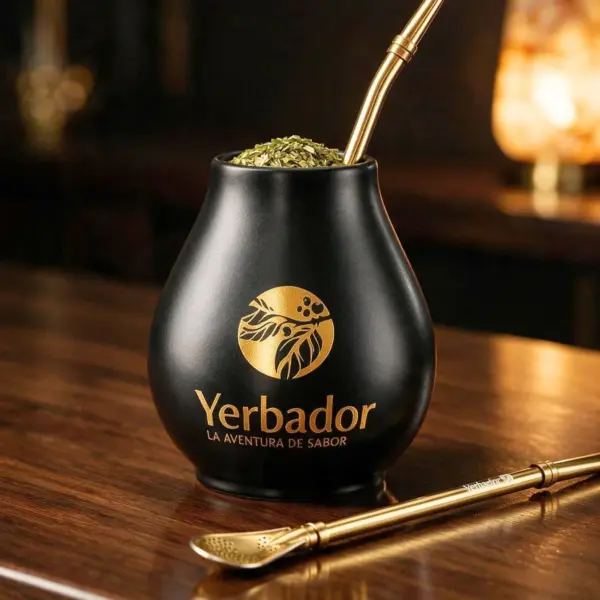
Check out the product: Exclusive Matero – Volcanic Black

An impressive vessel for traditional table-side service – an element that creates an impression and a story to tell guests.
Frequently asked questions
How much does it cost to introduce yerba mate to a restaurant?
You can start a trial rollout with a very modest outlay – one retail doypack plus a matero and bombilla for service, if you’re going for the traditional ritual. The 1 kg format is enough for dozens of servings, so the entry threshold is lower than for many other new additions to the menu.
Do you need special equipment?
No. A kettle with a thermometer or temperature control (70-80°C), a matero and bombilla for the traditional version, or a regular pitcher for brewing the glass version is enough – no investment in expensive bar equipment required.
Do guests in Poland even know yerba mate?
More and more, yes – it’s one of the fastest-growing coffee alternatives. Recognition makes selling easier – a guest has often heard the name before sitting down at your table.
Discover our TOP products!
Your dream figure
Discover new flavors
Yerba mate with tea
Accessories
Superfoods

Certified raw honeys from Poland

Check the current price
free shipping
Up to 90 days
free returns
24 H
shipping