
Yerba Mate and Menopause – Hot Flashes, Weight, and Sleep
2026-08-16
Yerba mate and menopause is a topic that keeps coming back in our inbox, just from two different angles. Some readers write in because they’ve heard that caffeine intensifies hot flashes, and they want to know if they should give up their matero. Others are looking for something to help with a metabolism that simply slows down after forty, and they’ve come across yerba mate as a natural alternative to coffee. The answer isn’t a single sentence – we break it down into concrete threads, with real studies where they exist, and an honest „we don’t know” where science still isn’t sure.

Does yerba mate harm you during menopause? The short answer
There’s no evidence that moderate yerba mate consumption is dangerous during menopause. What actually matters is caffeine – specifically its effect on three things that tend to be more sensitive than usual at this stage of life: hot flashes, sleep, and weight. None of these are caused by yerba mate itself, but the caffeine it contains can intensify or ease them, depending on how and when you drink it. We break this down point by point below.
Hot flashes and caffeine – what the studies show
This is the only thread in this article where we have a specific, named study, so we’ll start here. The Mayo Clinic published a survey-based analysis in the journal Menopause involving 1,806 postmenopausal women, in which caffeine consumption was linked to more bothersome hot flashes and night sweats than in women who didn’t drink caffeine – the link held even after accounting for smoking and menopausal stage. Researchers explain this by suggesting that caffeine may increase the release of stress hormones and raise heart rate and body temperature – exactly the mechanisms behind hot flashes themselves.
It’s worth adding the other side of the same study, though, since it’s often overlooked: in perimenopausal women, caffeine was also linked to fewer problems with mood, memory, and concentration – likely because it boosts alertness and attention. In other words, caffeine at this stage of life isn’t clearly bad or clearly good – it’s a balance every woman has to check for herself. If hot flashes and night sweats are really bothering you, it’s worth cutting back on caffeine (including from coffee and tea) for a week or two and seeing if anything changes. If your main issue is brain fog and low energy, and hot flashes rarely bother you, there’s no reason to give up your matero just in case.
Weight and metabolism during menopause
The drop in estrogen during menopause usually comes hand in hand with a slower resting metabolism and loss of muscle mass – it’s not a matter of willpower, just physiology, which is why many women in their forties and fifties notice that the same eating habits that used to work no longer do the job. We write about this in more detail in the article yerba mate and weight loss after 40.
The mechanism our collaborating clinical dietitian, Dr. Justyna Jessa, points to involves the regulation of leptin and ghrelin (satiety and hunger hormones), partial inhibition of pancreatic lipase, and thermogenesis triggered by the xanthines found in yerba mate – caffeine, theobromine, and theophylline. This is support, not a miracle: yerba mate alone won’t make anyone lose weight without a calorie deficit and exercise, but as part of a daily routine, in place of another coffee or sugary drink, it makes sense. We’ve described the full mechanism and evidence in the article yerba mate for weight loss.

Sleep during perimenopause – when to drink it so it doesn’t hurt you
Sleep disturbances are one of the most common complaints during perimenopause, whether the culprit is night sweats, hormonal fluctuations, or simply age. Caffeine has a half-life in the body of several hours, and for some people this time lengthens with age – so a matero drunk in the afternoon can genuinely make it harder to fall asleep, even if it didn’t cause a problem before. We break down the „caffeine only in the first half of the day” rule in detail in the article yerba mate and sleep.
If sleep happens to be your biggest problem right now, a simple change is to move your last matero to early afternoon and see if it makes a difference over the course of a week. It’s a cheaper experiment than any sleep supplement, and you’ll see results quickly.
What about bones? An honest disclaimer
The drop in oestrogen accelerates bone loss, which is why calcium and bone density are often discussed in relation to menopause. Let’s say it plainly: yerba mate is not a source of calcium or any kind of „bone support” – it’s an infusion made from leaves, not a mineral supplement. Bone density at this stage of life depends primarily on a diet rich in calcium and vitamin D, weight-bearing exercise (walking, strength training), and regular bone density scans if recommended by your doctor. We don’t want to sell matero as something it isn’t.
How much to drink sensibly during this period
The point of reference remains the general caffeine guidelines: EFSA (European Food Safety Authority) considers up to 400 mg of caffeine per day safe for a healthy adult. One matero, i.e. 10–15 g of dried leaves, usually provides 60–120 mg of caffeine, similar to a cup of espresso machine coffee. If hot flashes or insomnia are currently bothering you, a sensible starting point is 1 serving a day, drunk before noon, instead of spreading two or three throughout the day.
We’ve described the full brewing technique – how much dried leaves, at what water temperature – step by step in the yerba mate brewing guide.
5 rules for mindful drinking during menopause
- Observe, don’t guess. Do hot flashes intensify after caffeine? Cut back for a week and compare. It’s simpler than searching for answers online.
- Caffeine only until early afternoon. Sensitivity to caffeine increases with age for some people, even if it wasn’t an issue before.
- Yerba supports metabolism, it doesn’t replace a calorie deficit. Treat it as part of your routine, not a magic solution for weight.
- Don’t rely on it for your bones. Calcium, vitamin D and strength training do the real work here – yerba doesn’t.
- For severe symptoms – talk to your gynaecologist. Hot flashes that seriously disrupt your life are a topic for a consultation, not just a change of drink.
Purity of the dried leaves – this is what we check in lab tests
Our yerba mate is grown in Brazil and packaged in Europe. Every batch undergoes testing: GBA Polska checks for heavy metals, pesticides and PAHs, the Institute of Natural Fibres and Medicinal Plants confirms the authenticity of the dried leaves chromatographically, and J.S. Hamilton verifies compliance with the reference standard. On top of that, there’s HACCP, KIWA certification, Swiss OROTAL supervision, and the Quality Certificate, National Medicines Institute. We publish the full list of reports on the research page.
Our products to try
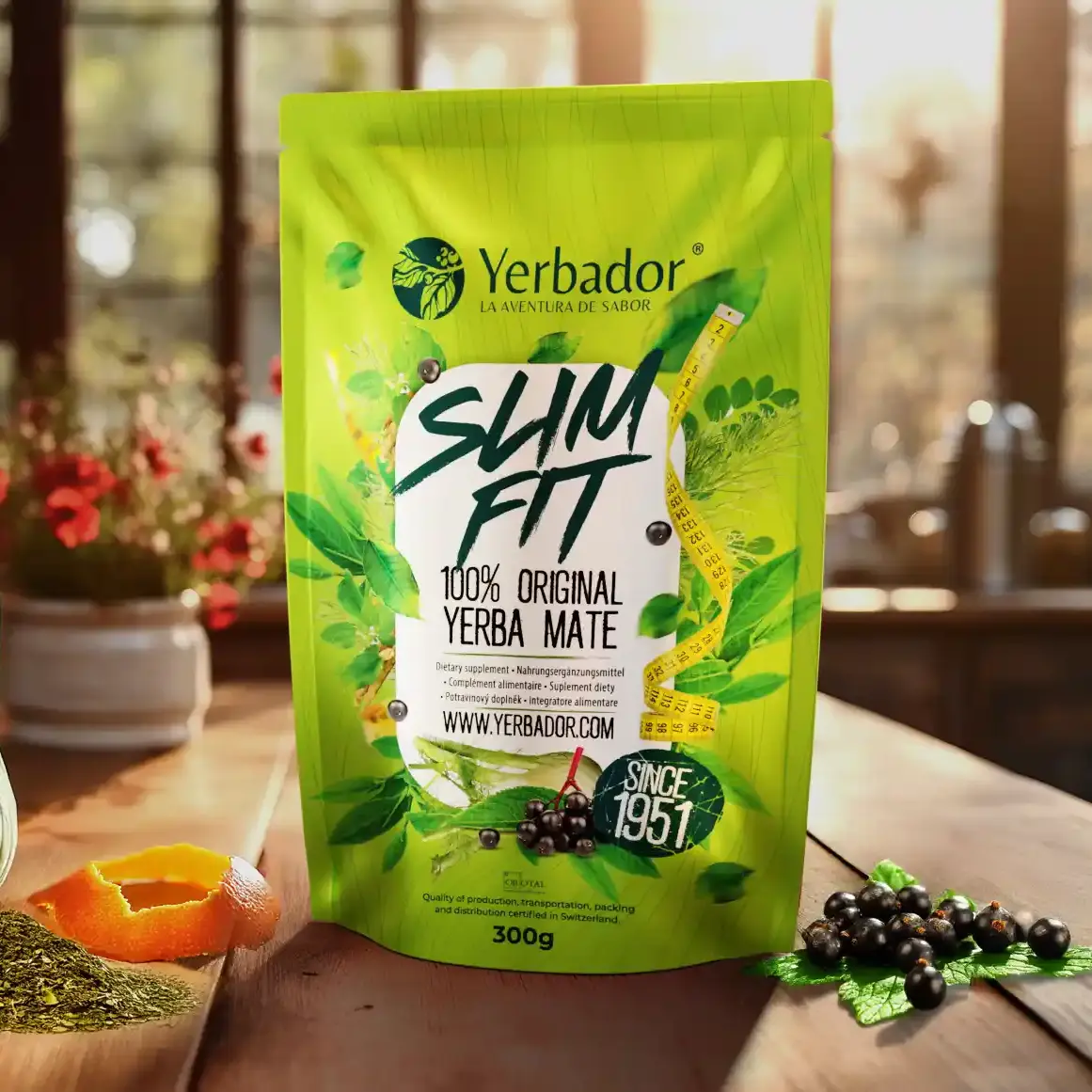
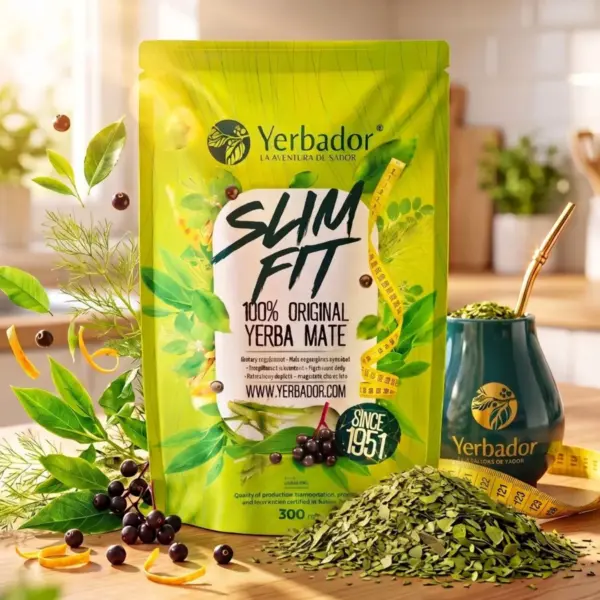
Yerba Mate – Weight Control Support Slim Fit
A classic with metabolism in mind – the same dried leaves we write about in our weight-loss articles. A good choice if your main reason for reaching for yerba is support with weight control at a time when your metabolism slows down.
Check out the product: Yerba Mate Slim Fit
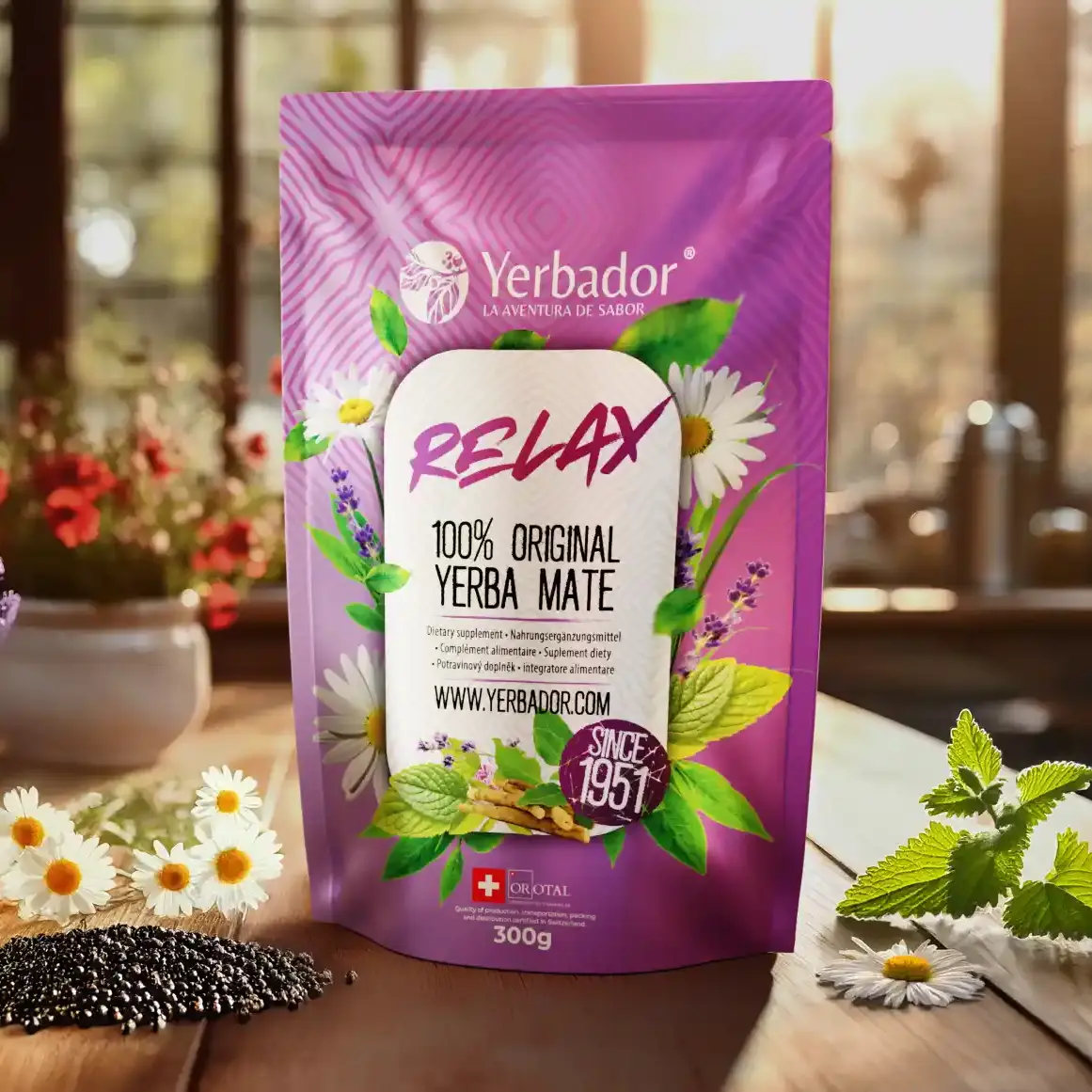
Yerba Mate – Relax
A blend with lemon balm and chamomile. A variant for people who want a gentler daily rhythm – honestly: it’s still yerba with caffeine, so in the evening it’s better to go for lemon balm alone, but as an afternoon matero it works well if you’re sensitive to stronger infusions.
Check out the product: Yerba Mate Relax
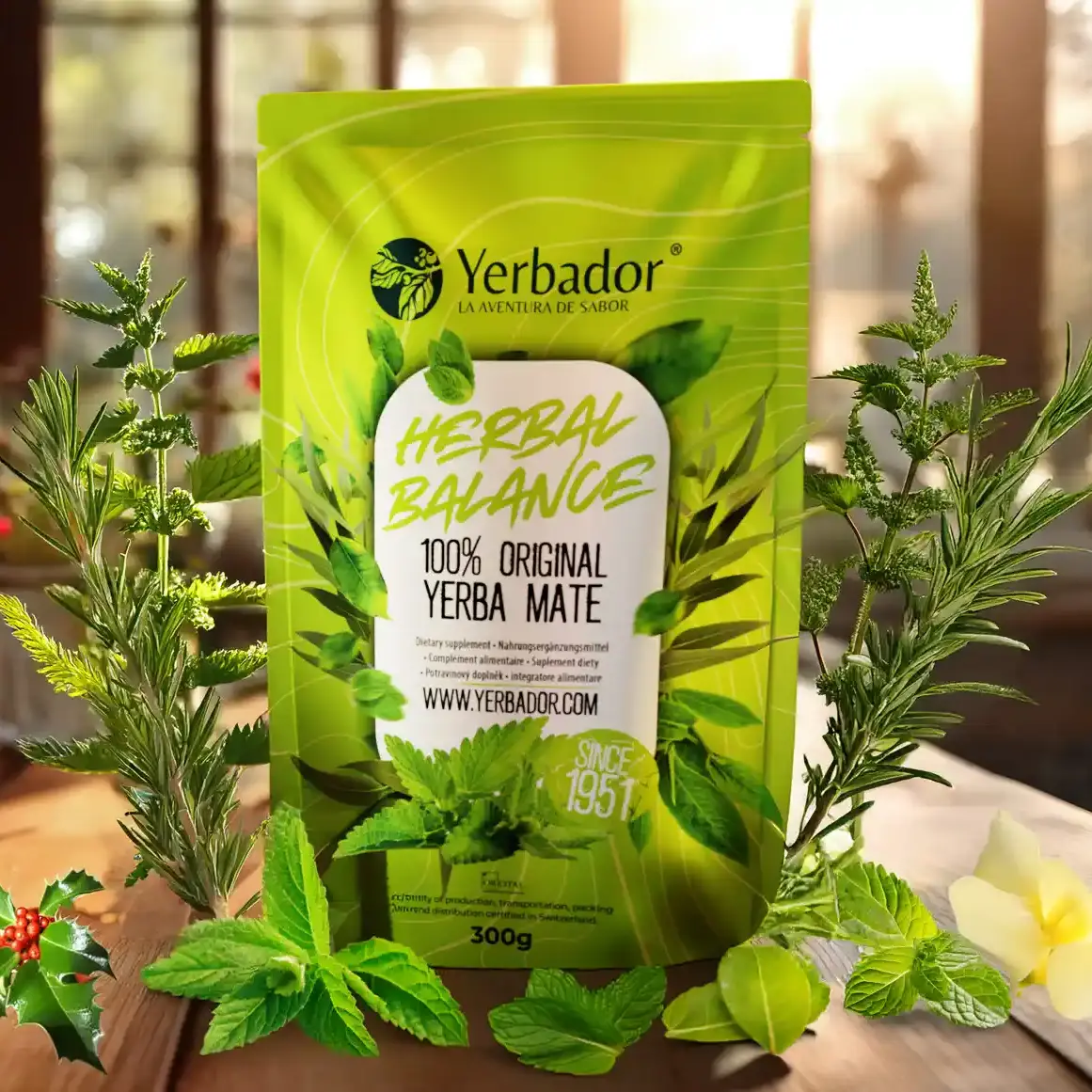
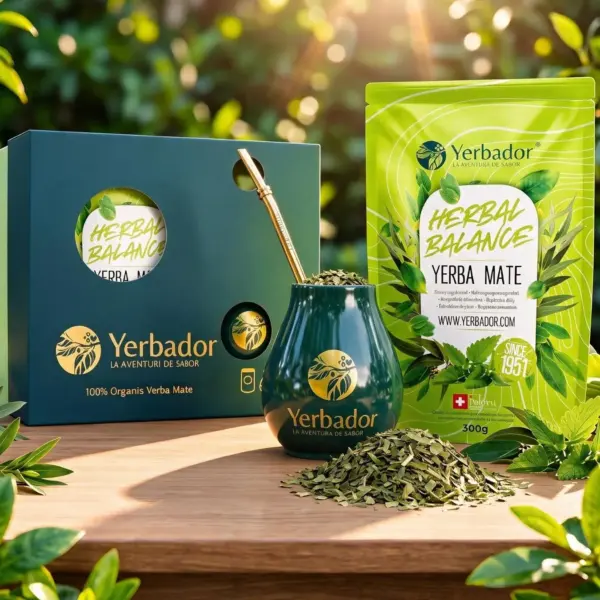
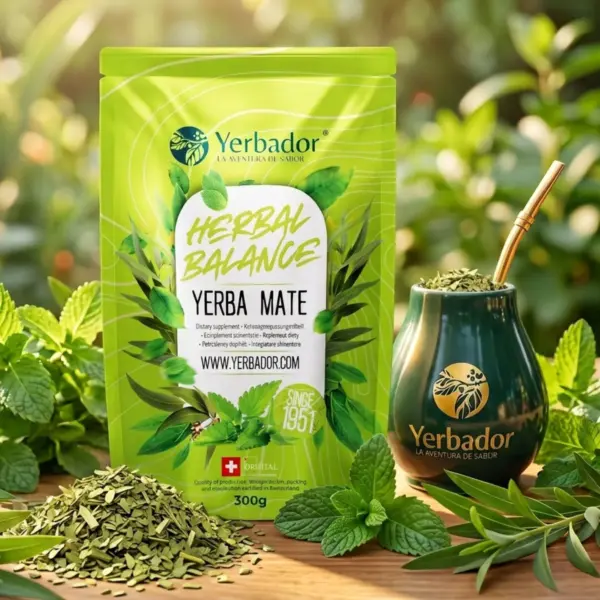
Yerba Mate – Herbal Balance
Six herbs – rosemary, peppermint, elderberry, nettle and boldo leaf – soften the flavour profile of the infusion, giving less raw bitterness while keeping the stimulating effect. Check the current price.
Check out the product: Yerba Mate Herbal Balance
The most common questions about yerba mate and menopause
Does yerba mate make hot flashes worse?
A Mayo Clinic study of 1,806 postmenopausal women found a link between caffeine consumption and more bothersome hot flashes and night sweats. If these symptoms bother you, it’s worth trying to cut back on caffeine, including from yerba mate, and observing the effect.
Does yerba mate help with weight during menopause?
It may support metabolism through the regulation of leptin and ghrelin and thermogenesis from xanthines, but it won’t replace a calorie deficit or physical activity. It’s support, not a standalone solution.
Can I drink yerba mate in the evening during menopause?
Better not, especially if you have trouble sleeping. Caffeine may act longer than it used to, so it’s safer to drink matero until early afternoon at the latest.
Does yerba mate affect bone density?
There’s no evidence that the infusion supports bone density or that it harms it in normal amounts. It’s not a source of calcium – diet, vitamin D and strength training take care of bones.
How much yerba mate is safe per day during menopause?
The general rule is up to 400 mg of caffeine per day (EFSA), which is 3–4 matero for a healthy person. With intensified menopause symptoms, it’s more reasonable to start with 1 serving a day, drunk before noon.
Yerba Mate for Your Business or Shop
Do you run a shop, café or practice where yerba mate would sell better than a coffee machine? We work wholesale – details are on our Yerbador B2B wholesale page, and we prepare quotes individually.
Discover our TOP products!

Your dream figure

Discover new flavors

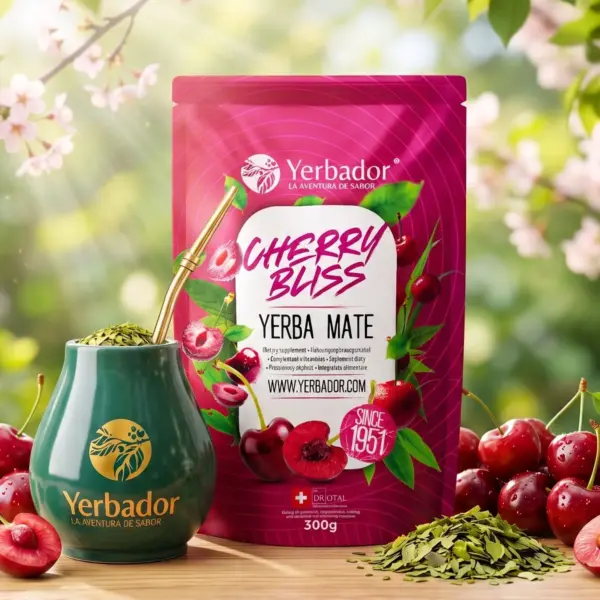

Yerba mate with tea
Accessories
Superfoods


Certified raw honeys from Poland



Check the current price
free shipping
Up to 90 days
free returns
24 H
shipping