
HEALTH

Laughing man having breakfast with an açaí bowl and Yerbador açaí package

Pistachios – Properties, Nutritional Values and How Much to Eat Daily

Pistachios in the shell trigger a different response than most snacks: you have to crack them open, so eating goes slower and the portion naturally controls itself. That actually suits what’s inside – 100 g of pistachios provides 586 kcal, 21.3 g of protein and as much as 1025 mg of potassium, which is more…

Red-haired woman smiling at an açaí bowl

Thompson Raisins – Properties, Composition and How to Eat Them

Raisins are mainly associated with sweet buns, cheesecake or school trips, where they ended up in a backpack as a filler between sandwiches. They’re rarely seen as a conscious snack choice, which is a shame, because dried grapes have a composition that beats many other sweet snacks hands down. In this article, the specifics: what…

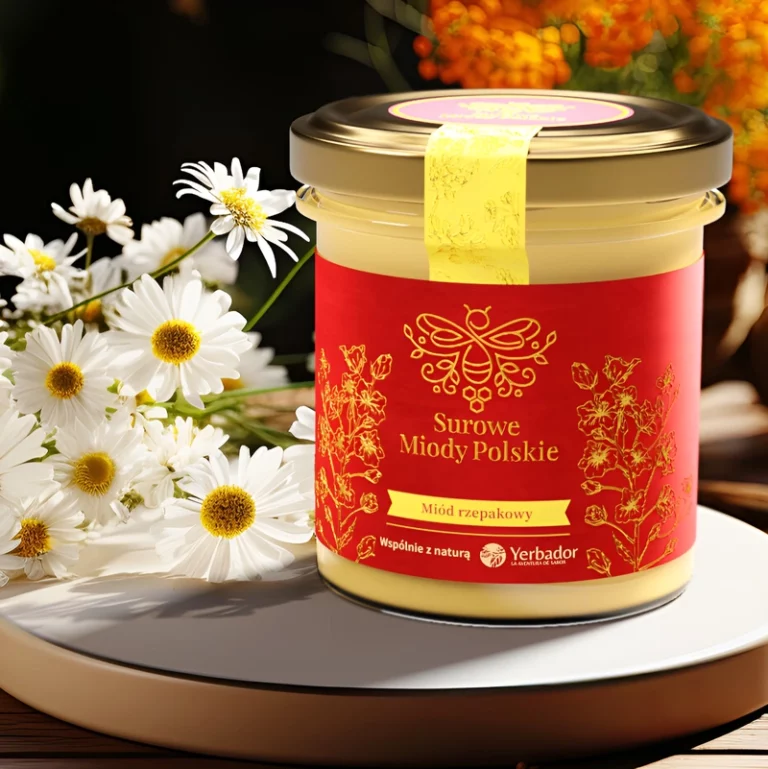
Jar of Yerbador Raw Rapeseed Honey on a white background

Rapeseed Honey – Properties, Composition and How to Recognise It

You can recognise rapeseed honey right away by its texture: it’s one of the few honeys that look almost like butter in the jar, thick and creamy, instead of flowing like multifloral or linden honey. The reason is simple, rapeseed crystallises faster than almost any other variety. In this article we take a closer look…

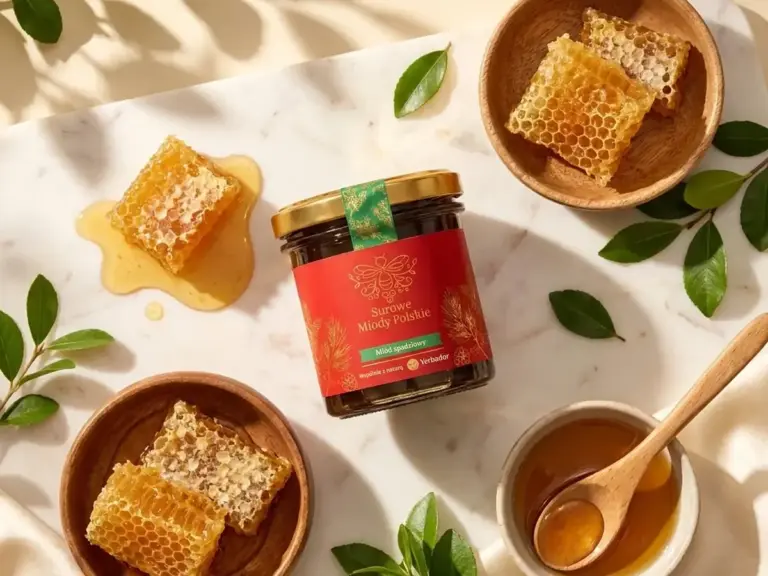
Flat lay: Yerbador honey jar, honeycomb slices in wooden bowls and honey in a dish

Multifloral Honey – Properties, Composition and How to Recognise It

Multiflower honey doesn’t have one dominant flavour, and that is precisely its distinguishing feature. Instead of the pronounced, resinous note of linden or the heavy, spicy character of buckwheat, we get a mild, floral composition made up of nectar from many different plants at once. In this article, we take a closer look at Raw…

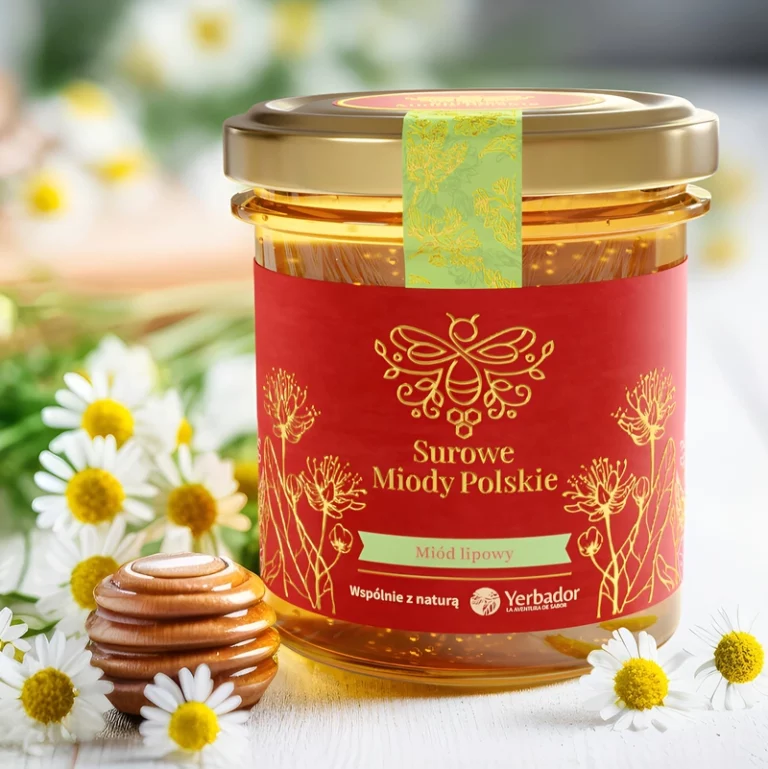
Jar of Yerbador Raw Linden Honey among chamomiles, next to a wooden honey dipper

Linden Honey – Properties, Flavour and How to Tell the Real Thing

Linden honey differs from acacia honey at first glance – it has a noticeably darker, amber colour, and in flavour, alongside sweetness, there’s a slightly resinous, balsamic note that you won’t find in mild acacia. It’s this distinctive aftertaste that has made linden honey associated with hot tea on cold days in Poland for generations….

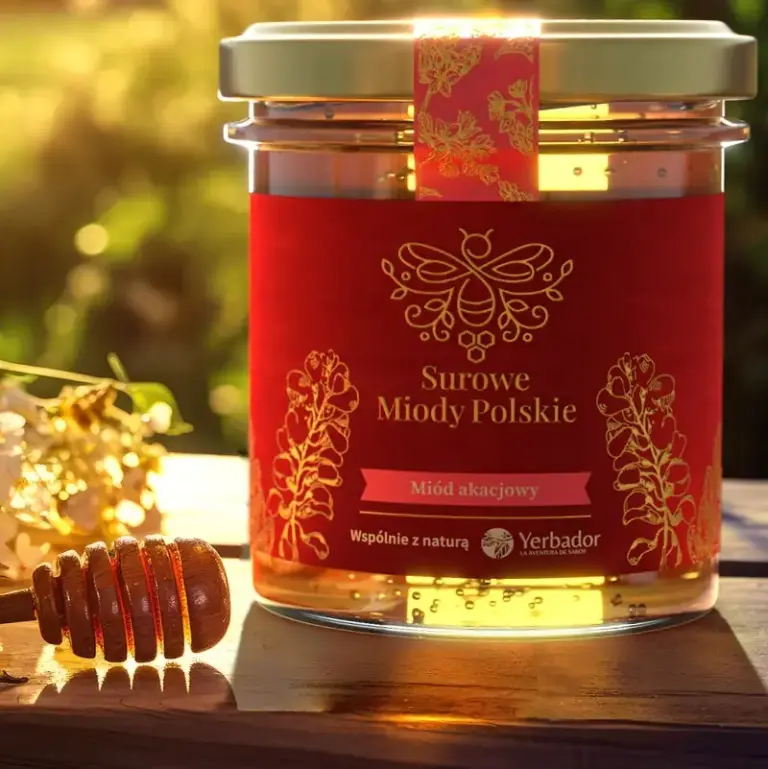
Jar of Yerbador Raw Acacia Honey in golden light, with a wooden honey dipper

Acacia Honey – Properties, Composition and How to Recognise It

You can recognise acacia honey right away by its colour: it’s almost transparent, pale straw-coloured, completely different from the dark, thick buckwheat honey. This clarity is no accident — it’s the result of a specific sugar composition, which also means this honey can stay liquid for many months, while other varieties crystallise within a few…

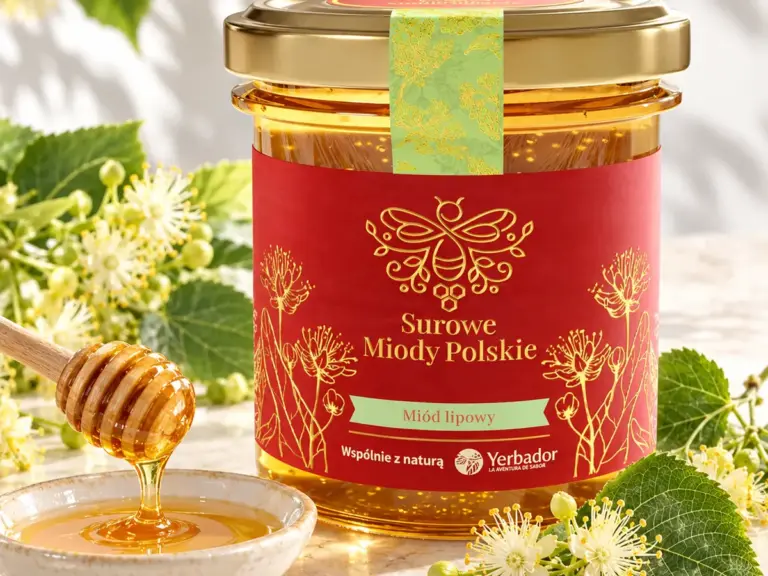
Jar of Yerbador linden honey with honey dripping from a spoon into a bowl

Honeydew Honey – Properties, Composition and How to Recognise It

Honeydew honey doesn’t come from flowers. Bees collect it from honeydew, the sweet secretion of aphids and scale insects feeding on the needles of fir, spruce, and pine trees, which is why it’s sometimes called forest honey or coniferous honey. It tastes completely different from flower honeys: intense, resinous, with a slightly salty note in…

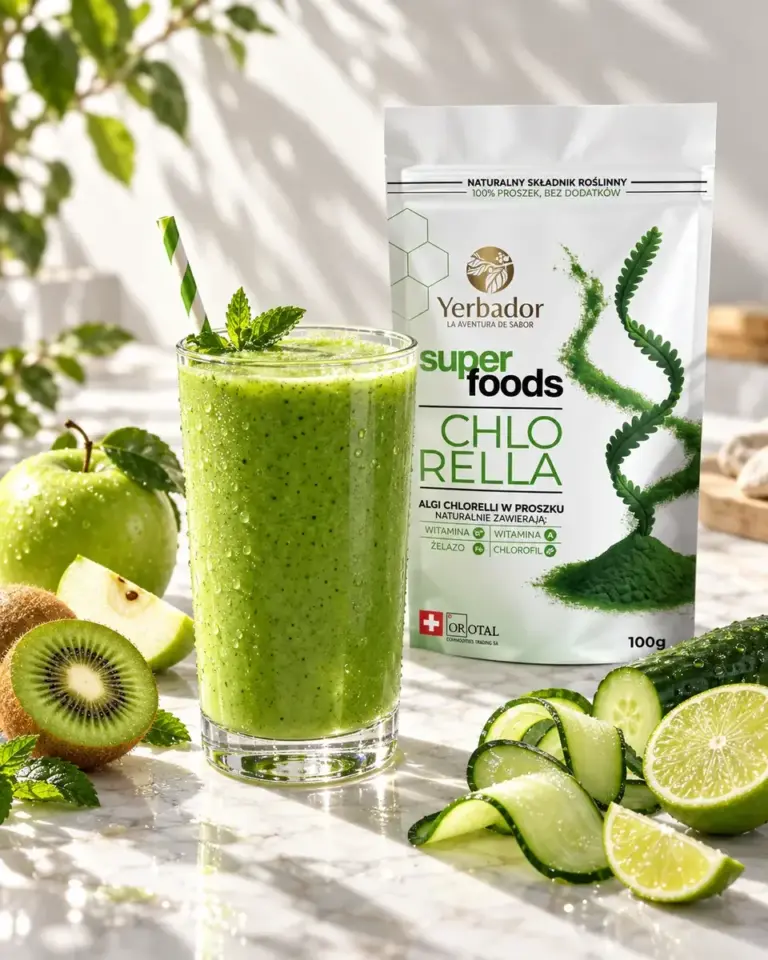
Green chlorella smoothie with apple, kiwi, cucumber and lime

Ginseng Powder – Properties, Dosage and How to Use It

In short: Yerbador’s ginseng powder is 100% powdered Siberian ginseng root (Eleutherococcus senticosus), also known as eleuthero. It is botanically a different plant from true ginseng, i.e. Korean Panax ginseng, although both belong to the same family of adaptogens. A standard serving is 3 g of powder dissolved in 200 ml of water, juice, yoghurt…