
Yerba Mate and Vitamin K: An Infusion Is Not the Same as the Whole Leaf
2026-08-18
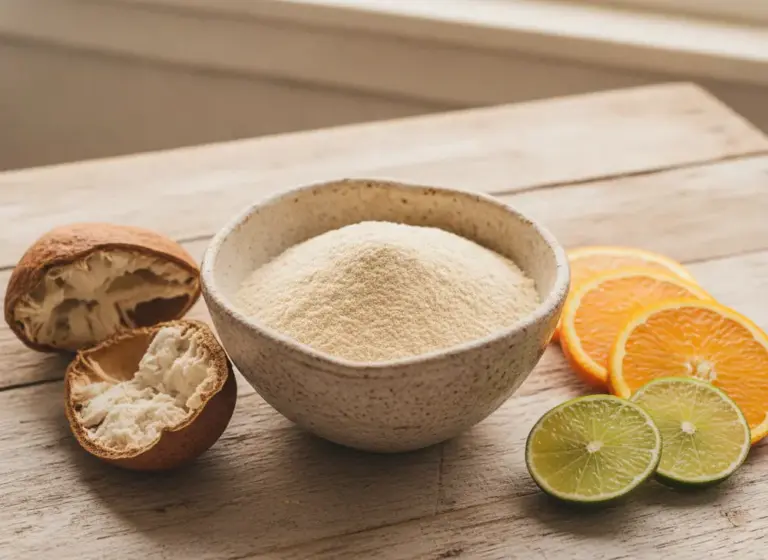
Someone recently asked whether yerba mate is the same as matcha, which has been getting a lot of attention lately because of vitamin K. The answer is: similar, but not the same. The difference lies in exactly what ends up in the vessel you drink from.
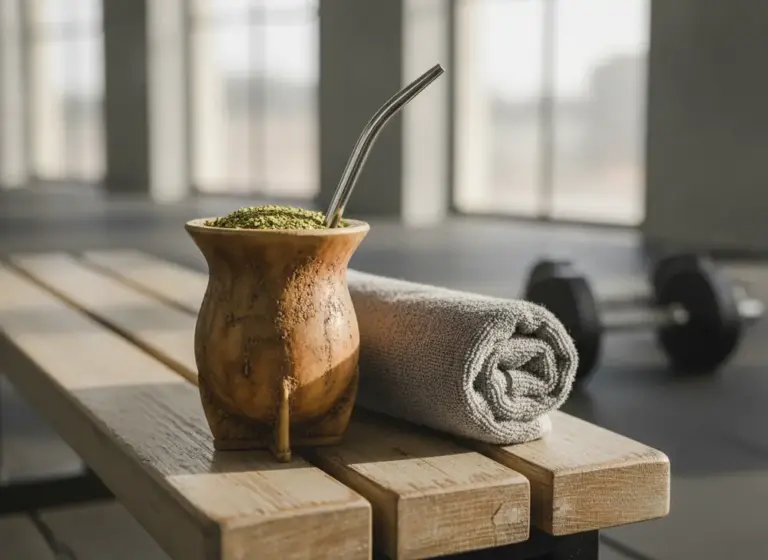
Matcha is a powdered leaf that you drink in its entirety, along with what would be left at the bottom of the teapot in a traditional infusion. Yerba mate works differently. It’s steeped in hot water, sipped through a bombilla, while the dried leaves stay in the matero the whole time and simply end up in the bin once they lose their flavor. This is one of those differences that sounds trivial but actually has real nutritional significance.
What vitamin K is and who it actually concerns
Vitamin K is mainly responsible for proper blood clotting. It also plays a role in bone metabolism, though that’s a topic for a separate article. The body needs it regularly, in small amounts, mainly from green vegetables: kale, spinach, broccoli, parsley.
For the vast majority of people, vitamin K from the diet is simply one of those nutrients nobody thinks twice about. The problem arises in one specific situation: when someone is taking medications from the vitamin K antagonist group, i.e. warfarin or acenocoumarol, known in Poland under the brand names Sintrom or Acenocumarol WZF. These drugs work by blocking vitamin K, so a sudden change in its dietary intake can affect the INR result, the clotting indicator regularly monitored in such patients.
The leaf of the Paraguayan holly is still a green leaf
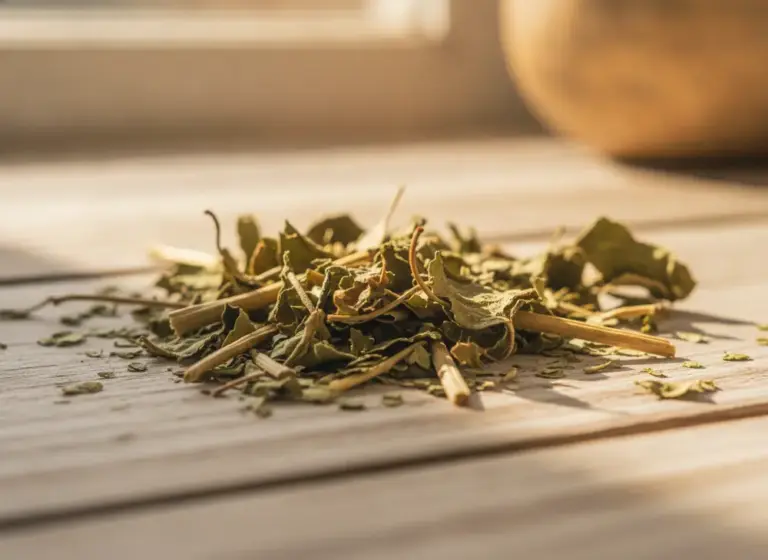
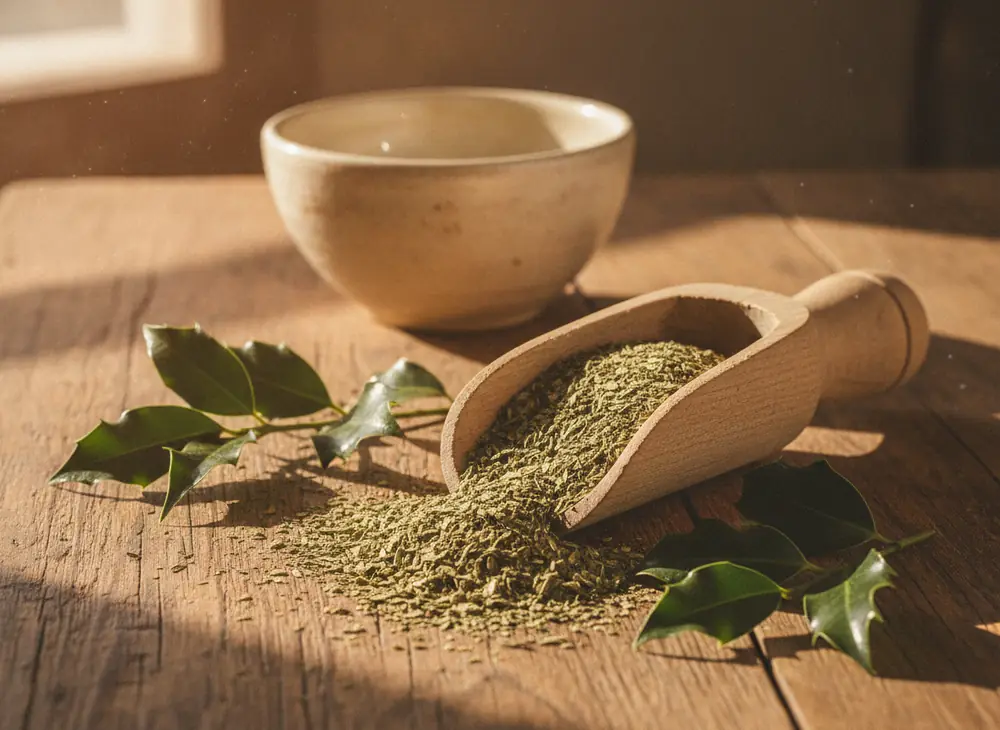
Yerba mate is made from the leaves of Ilex paraguariensis, the Paraguayan holly. The dried leaves have a greenish colour, sometimes with a golden hue after longer aging, and like any leaf from a green plant, they contain chlorophyll. Plants that produce chlorophyll usually also have vitamin K in their leaves. This isn’t any biochemical sensation. Kale has it, spinach has it, tea leaves have it too.
The mere fact that dried yerba mate leaves contain vitamin K shouldn’t surprise anyone. The real question is: how much of it actually ends up in the cup you drink.
An infusion is not the same as eating the leaf
This is where biochemistry comes in, and it happens to be quite clear-cut. Vitamin K, like vitamins A, D and E, is fat-soluble, not water-soluble. When you pour hot water over dried leaves, the infusion picks up mainly water-soluble compounds: caffeine, some polyphenols, certain minerals. Lipophilic compounds such as vitamin K have a much smaller chance of leaving the leaf and dissolving into the water.
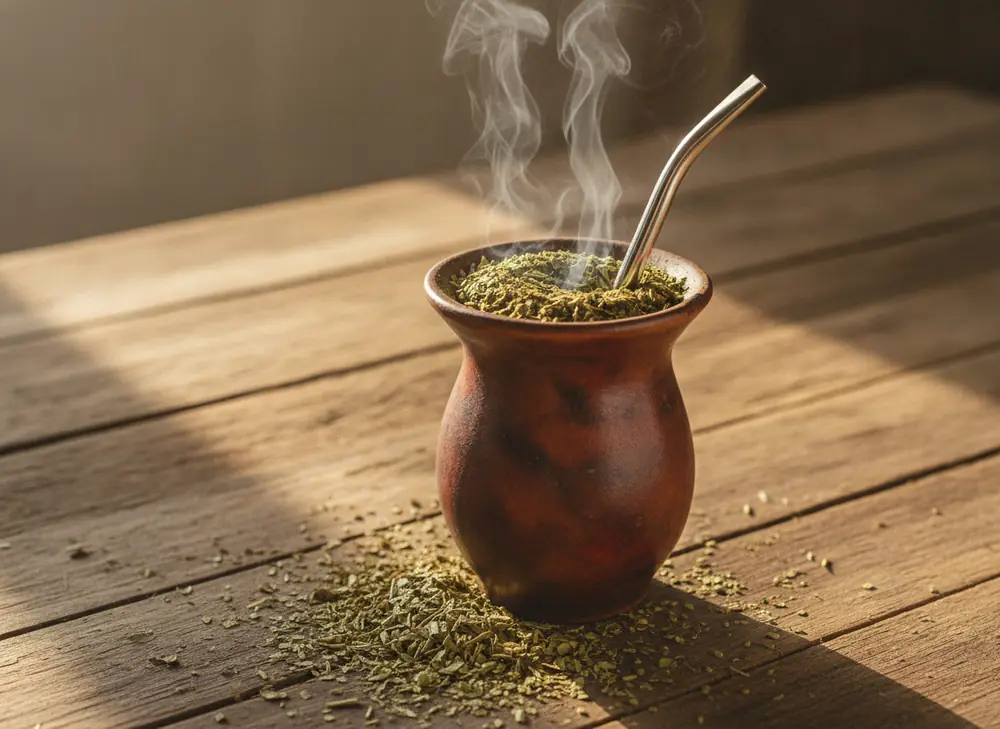
Matcha avoids this issue because it isn’t an infusion. It’s a powdered leaf suspended in water, which you drink in its entirety, including the fat-soluble fraction. Yerba mate is a classic infusion: you brew it, drink the liquid, and the dried leaves stay in the matero or the strainer and end up in the bin. This difference — the fact that with mate you don’t actually eat the leaf — matters specifically for fat-soluble vitamins.
Why it’s hard to find exact figures for yerba mate
I was looking for specific data: how many milligrams of vitamin K per 100 grams of dried yerba mate leaves, or per cup of ready-made infusion. I checked USDA FoodData Central and several scientific publications on the composition of Ilex paraguariensis, including analyses of its elements and bioactive compounds. Result: I couldn’t find a specific, widely cited value for vitamin K in yerba mate.
That’s not really surprising. Yerba mate is studied mainly for its caffeine, polyphenols and minerals, since these are responsible for most of its effects and flavor. Matcha has more publications on its full vitamin profile, because it’s consumed as a whole leaf, so scientifically it’s treated a bit like a leafy vegetable rather than a plain infusion. For yerba mate, this kind of detailed micronutrient analysis simply appears less often in the literature. To be fair: this is a blank spot in the data, not proof that dried yerba mate leaves contain no vitamin K.
What this means if you’re on blood-thinning medication
What we know about the biochemistry of fat-soluble vitamins leads to a fairly reassuring conclusion. Even if dried yerba mate leaves contain some amount of vitamin K, as most green leaves do, extraction into a water-based infusion is inherently limited. You drink the liquid, you don’t eat the leaf, so the actual dose your body receives should be lower than with matcha or with eating raw leafy vegetables.
This doesn’t excuse anyone from caution. If you’re taking warfarin, acenocoumarol or another drug from this group and have your INR regularly monitored, the standard rule is: don’t suddenly and drastically change your eating habits, whether it’s about spinach, broccoli or yerba mate. If you’ve been drinking mate for years in similar amounts, there’s probably no reason to change anything. If you’re only planning to start and you’re on such medication, a short conversation with your doctor or pharmacist before making a change is simply sensible. That’s their job, and they know more about it than any article on the internet.
Besides vitamin K, yerba mate also contains caffeine, which for some people on stimulant or psychiatric medication can be a separate topic worth discussing with a doctor. That’s a different matter than blood clotting, though, and works through a different mechanism.
Whole leaf, no additives, if you prefer the classic
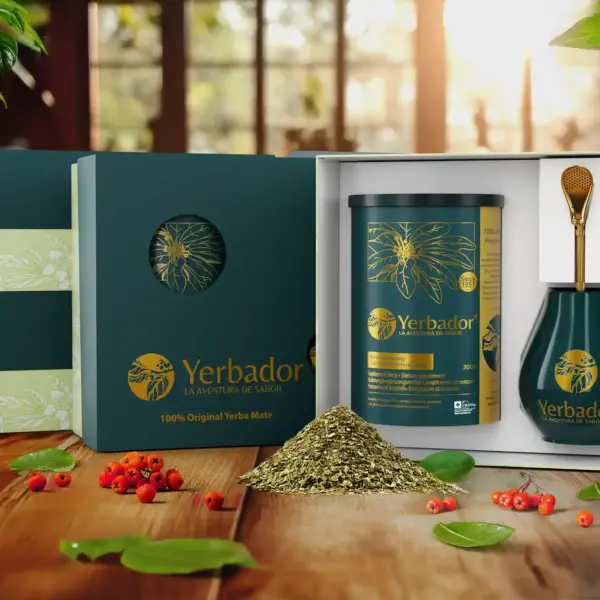
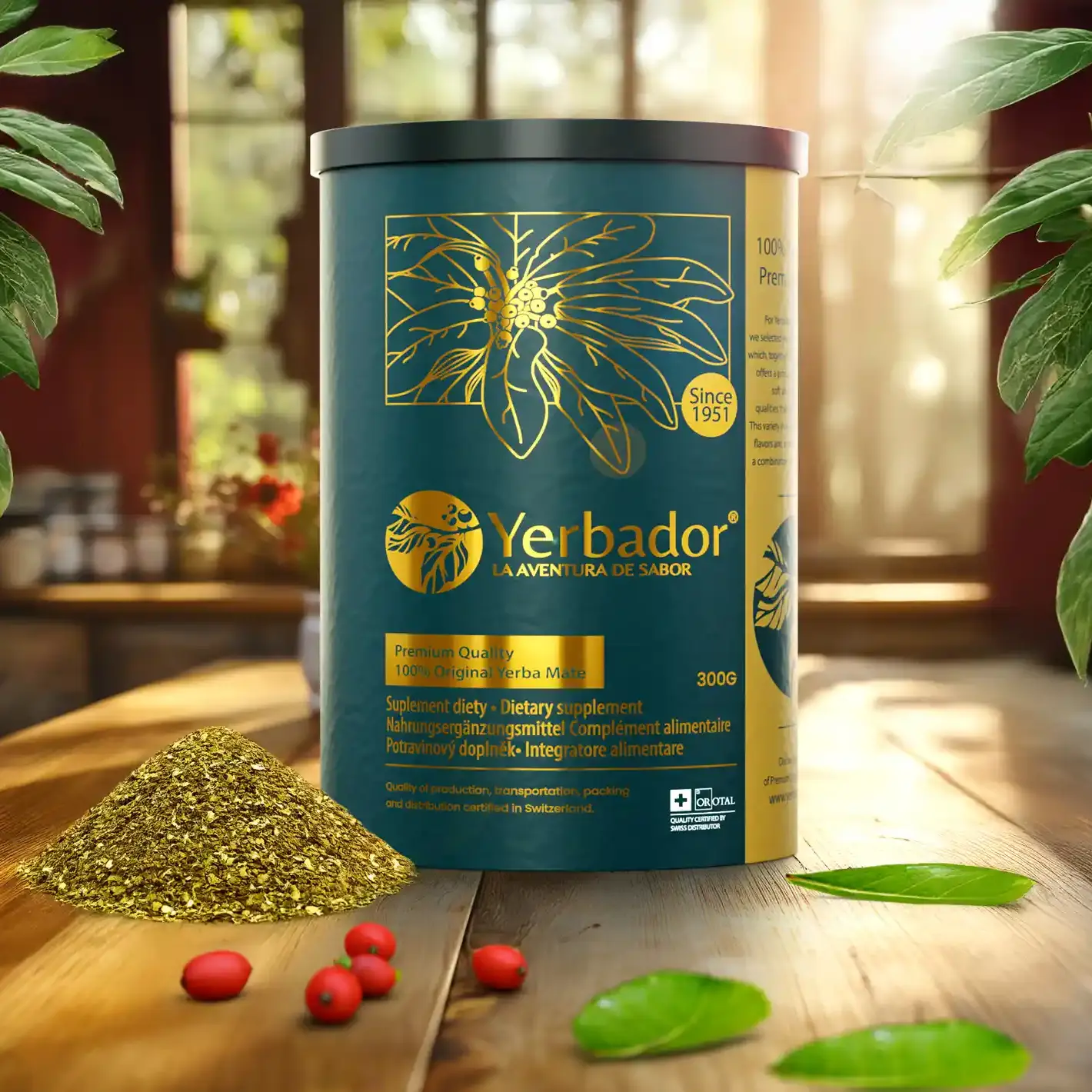
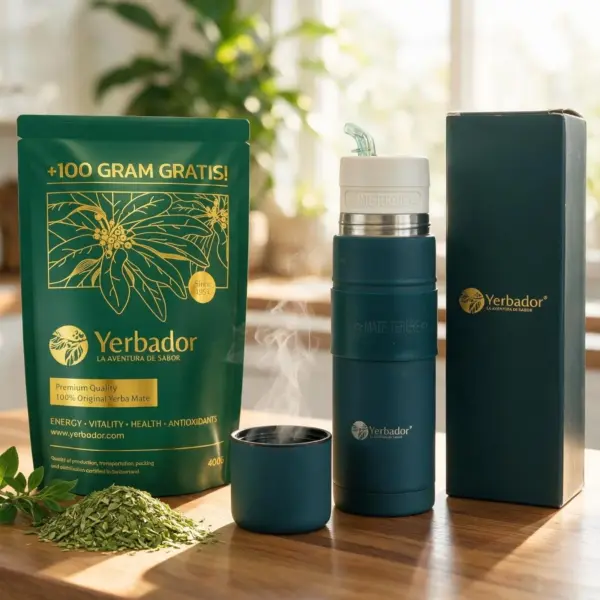
If after all this you’d rather stick to a simple, classic dried leaf without fruity additions, a sensible choice is yerba mate 100% leaves in an airtight tube. This type of packaging limits contact with air and moisture, so the dried leaves keep their color and aroma longer — and that matters for the quality of the infusion, not for the vitamin K content itself.
Check out the product: Airtight Tube Yerba Mate 100% Leaves Only
A set, if you’re just starting out brewing
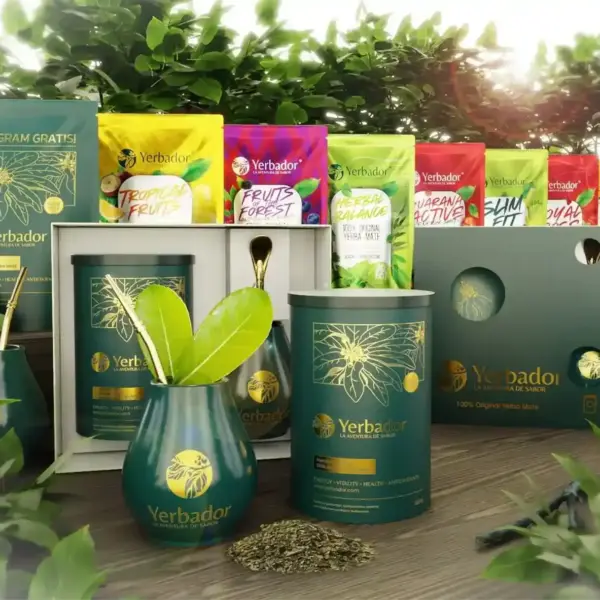
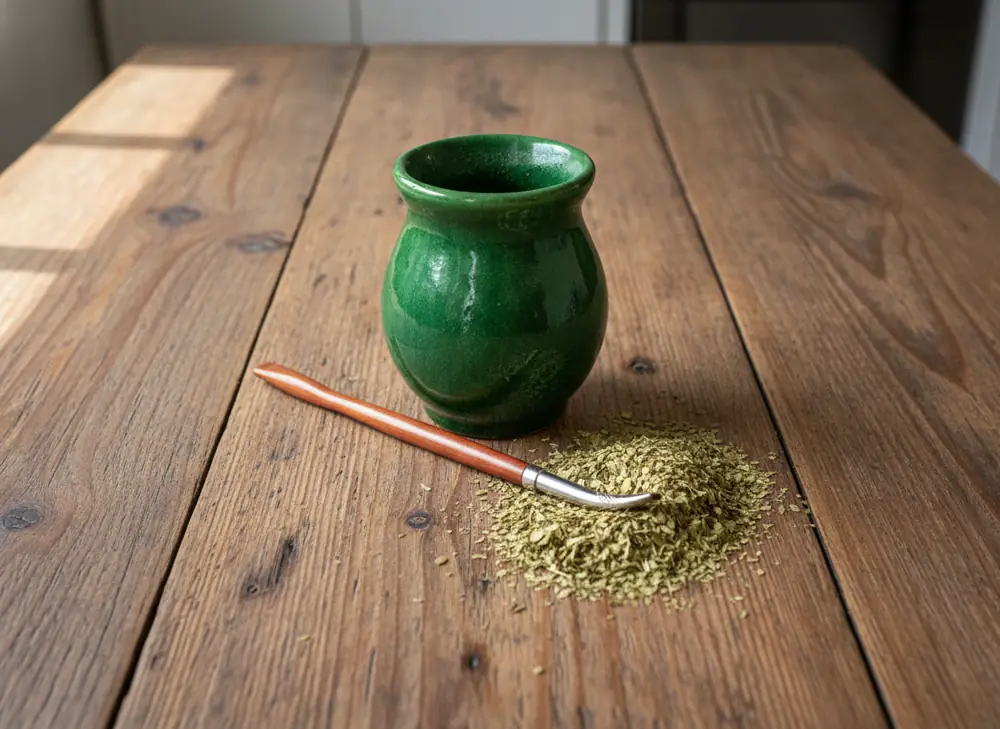
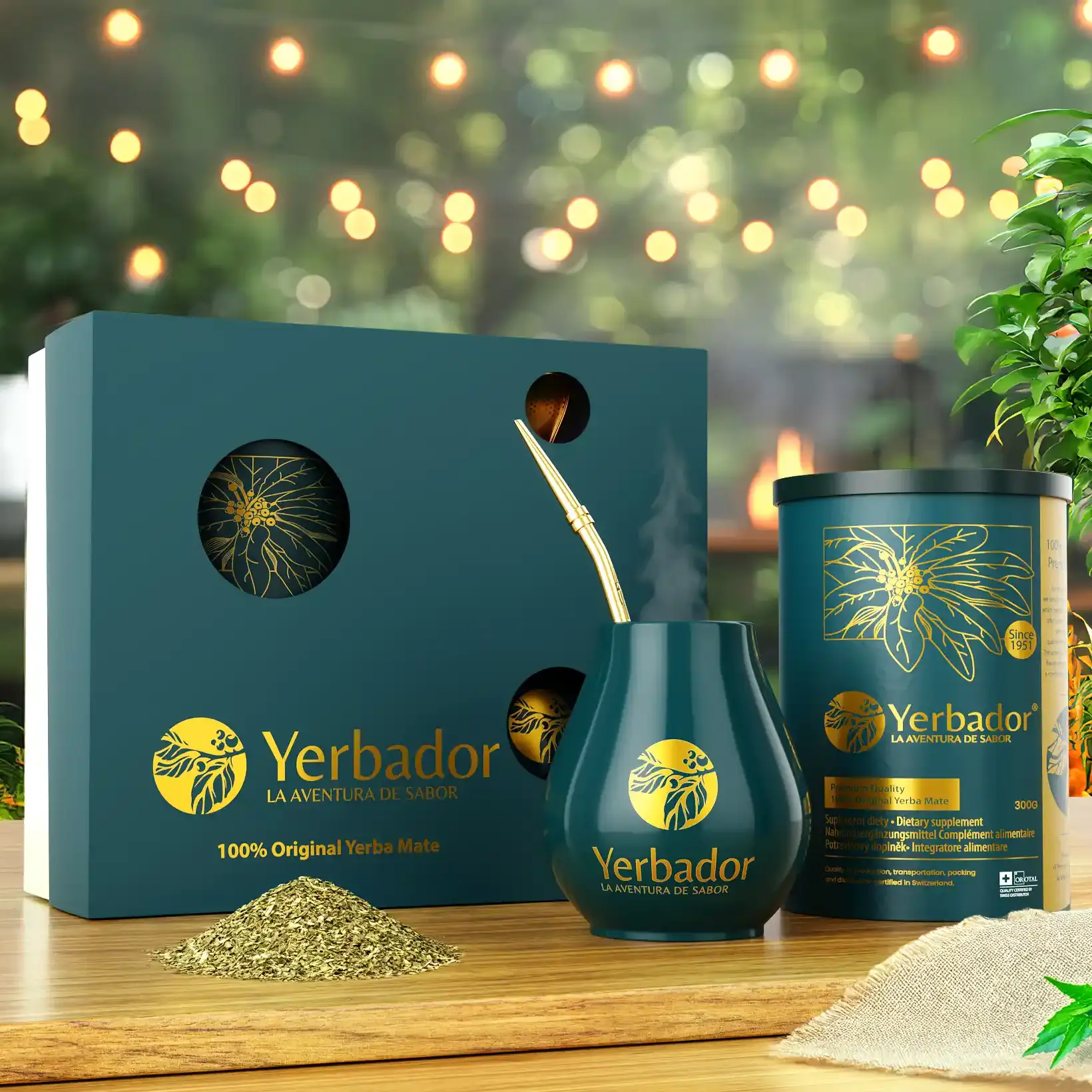
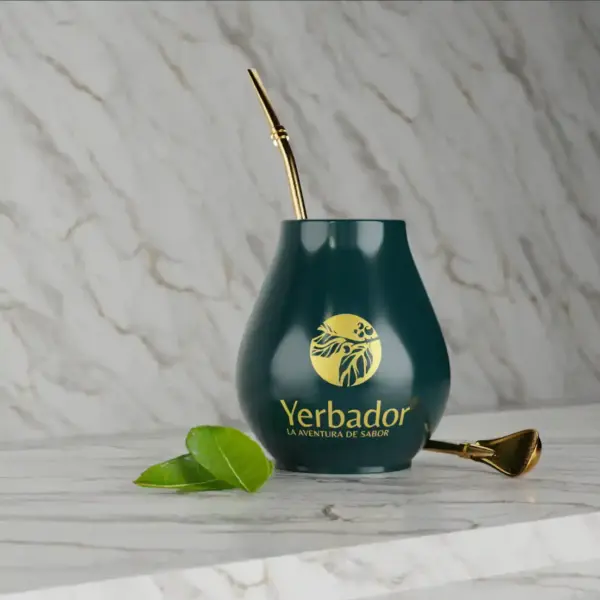
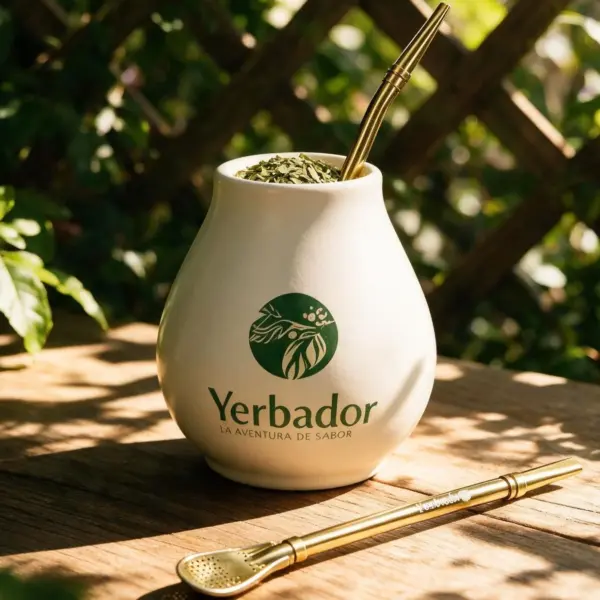
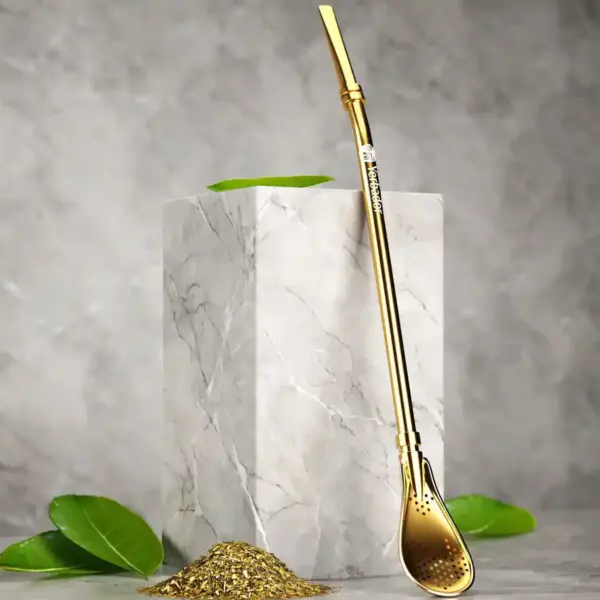
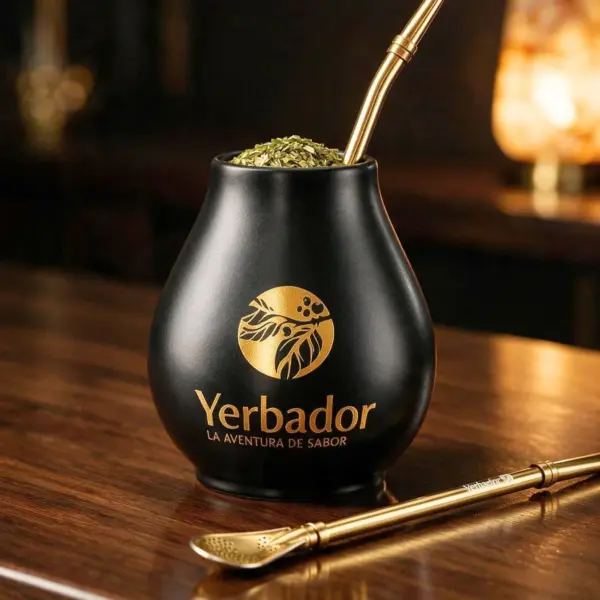
Since the whole difference between matcha and yerba mate comes down to how you brew it, it’s worth doing right from the start. A matero keeps the infusion at a steady temperature, and a bombilla with a strainer tip lets you drink the liquid without swallowing bits of dried leaves. For someone just starting out, a ready-made set saves you a few failed attempts with an ordinary mug and a tea strainer.
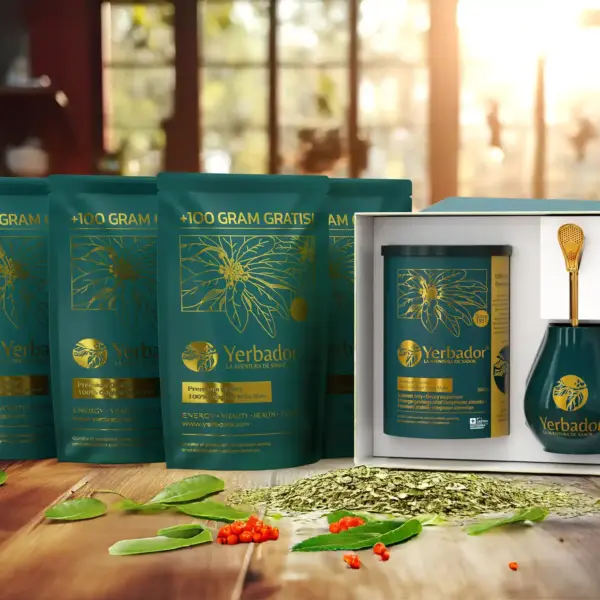
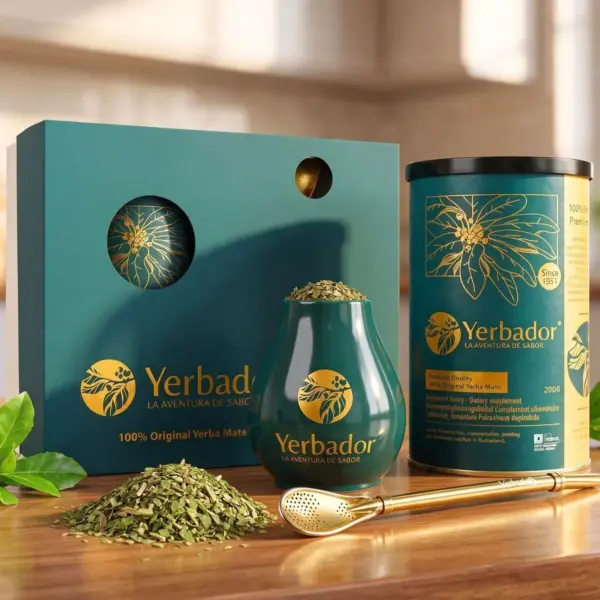
Check out the product: Yerba Mate Set – tube, matero and bombilla
A quick word before you fill another matero
Vitamin K in dried yerba mate leaves probably exists, as it does in most green plants. But you brew mate, not eat it, so very little of it makes it into the infusion, since it’s a fat-soluble vitamin, not water-soluble. Precise figures for both the leaf itself and the infusion are missing from databases, so it’s more honest to admit that than to make up a value that looks good in a table.
The leaves we use for our dried yerba mate come from Brazil and are shipped to Europe for packaging under the control of the Swiss OROTAL Commodities Trading SA certification, with additional HACCP and KIWA supervision. In Poland, every batch also has a Quality Certificate, National Medicines Institute, available for review in the testing section of our website. That doesn’t change the biochemistry of vitamin K, but it does give you certainty that what you actually drink is exactly what should be in your matero, and nothing more.
Discover our TOP products!

Your dream figure
Discover new flavors
Yerba mate with tea
Accessories
Superfoods
Certified raw honeys from Poland

Check the current price
free shipping
Up to 90 days
free returns
24 H
shipping