
Yerba Mate and Alcohol – Is It a Safe Combination?
2026-08-19
An evening with friends, a matero sitting next to the glasses on the table. Someone throws out the question of whether it even makes sense to combine the two – caffeine on one side, alcohol on the other, two completely different stimulants at once. The answer doesn’t fit into a simple yes-or-no sentence. Caffeine and alcohol do something specific to each other in the body, well described in research on energy drinks, and it’s worth separating two different issues here: the combination of caffeine with alcohol itself, and the separate matter of very hot infusions consumed alongside smoking and drinking. We break it down below, without scaremongering and without skipping the uncomfortable parts.
Caffeine from yerba and alcohol – what really happens
Caffeine stimulates, alcohol suppresses – that’s a physiological fact, not an interpretation. When both act at once, the brain gets conflicting signals, and what you feel can diverge from what’s actually happening in your blood. This has been best documented with energy drinks mixed with alcohol: research on this combination, conducted mainly in the United States over the past dozen or so years, has shown that people drinking alcohol together with caffeine feel less drunk than those drinking pure alcohol at the same concentration, despite having identical blood alcohol levels. Caffeine doesn’t neutralise ethanol – it just masks some of the signals of fatigue and sleepiness. The side effect is simple: it’s easier to overestimate your own capability, because your body feels more alert than your actual state would suggest.
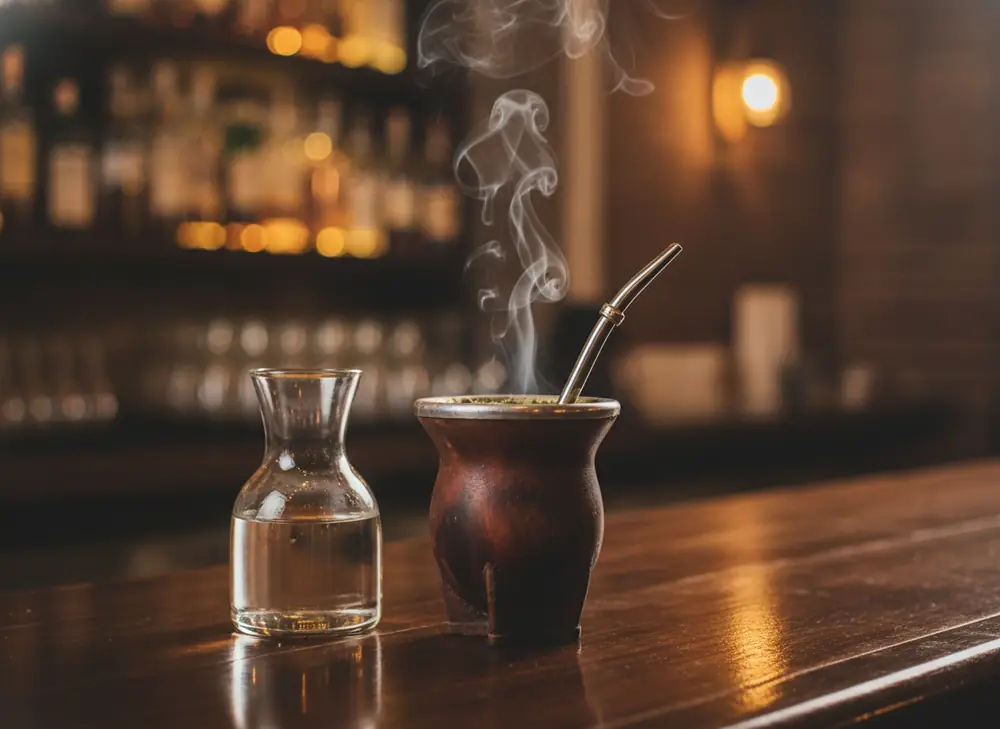
Yerba mate provides caffeine in amounts similar to coffee: one typical brewing session, meaning around 50 g of dried leaves steeped repeatedly over several hours, usually gives 60-120 mg of caffeine. We’ve laid out the exact calculations and comparison with coffee and tea separately in our article on caffeine content in yerba mate. The mechanism of masking the feeling of intoxication applies to caffeine as a substance, and isn’t specific to yerba – the same effect is described with cola, energy drinks, or strong coffee sipped alongside a drink. Since that caffeine is genuinely present in yerba, though, it’s good to know that a drink sipped with matero works on the same principle.
Dehydration – two mild diuretics at once
Caffeine has a mild diuretic effect. In people used to drinking it regularly, the effect is minor, but for someone who reaches for mate rarely, the kidneys can respond with increased urine production after just one stronger serving. Alcohol does something similar, only stronger: it suppresses vasopressin, the hormone that normally tells the kidneys to retain water, so after alcohol the body loses more fluid than was actually drunk. Combined, both mechanisms stack on top of each other.
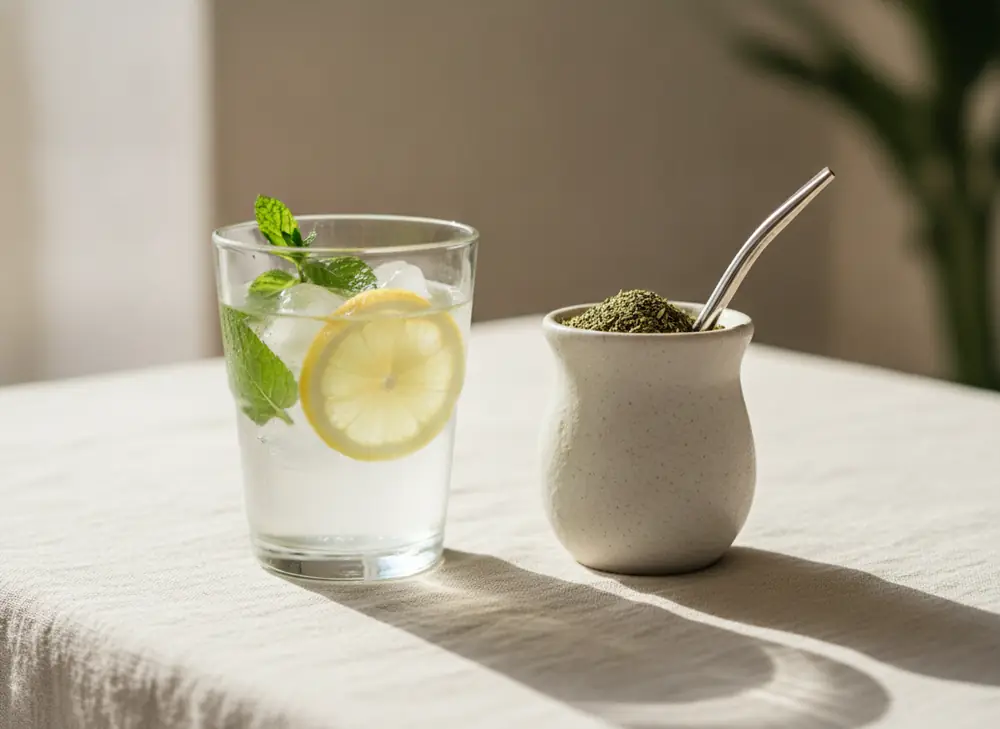
There’s no exaggeration here, it’s simply kidney physiology, the same kind described for any caffeinated beverage. The practical takeaway is simple: if an evening with alcohol starts with matero or continues alongside it, adding plain water, roughly a glass for every round of alcohol, meaningfully reduces dehydration the next day.
Very hot infusions, smoking and alcohol – what science says about oesophageal cancer
There’s one more thread that needs to be addressed directly, because it concerns the intersection of yerba mate, alcohol and cigarettes. The International Agency for Research on Cancer (IARC) in 2016, after reviewing epidemiological studies, classified very hot beverages – above 65°C – as probably carcinogenic to humans (group 2A). The key word is temperature, not any specific drink – it applies equally to very hot coffee, tea, and yerba mate.
Where does this thread even come from in relation to mate? From studies conducted in Uruguay, southern Brazil and northern Argentina, where the traditional way of drinking – for hours, through a bombilla, at near-boiling temperature – combined with smoking cigarettes and frequently drinking strong alcohol, was linked to an increased risk of esophageal cancer. These three factors occurred together so often in the studied populations that they’re hard to separate, but the temperature of the infusion itself emerges from these analyses as an independent risk factor – also confirmed with very hot coffee and tea in completely different countries, where no one has ever heard of yerba mate.
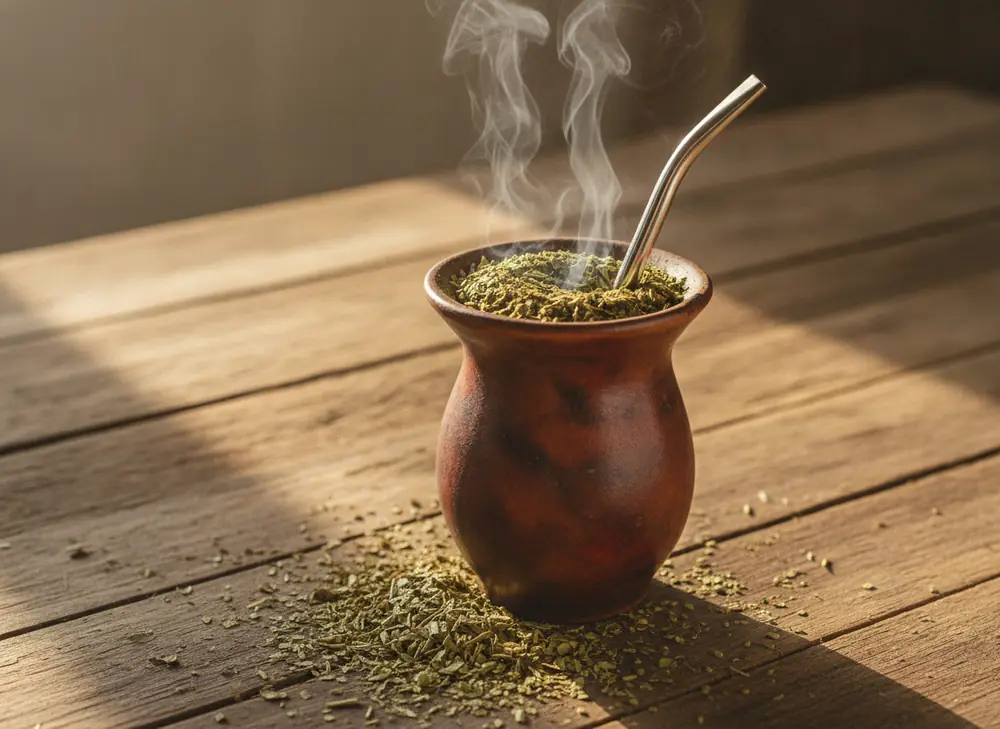
What does this mean in practice for someone in Poland? Probably not much. Typical brewing here rarely reaches near-boiling temperatures, water around 70-80°C is recommended, and by the time the infusion reaches your lips through a bombilla or strainer, it will have cooled by a few degrees. This is not the same as traditional, hours-long drinking straight from the kettle. However, if you regularly smoke cigarettes and drink alcohol at the same time, one habit costs little: don’t drink any hot beverage – mate, coffee or tea – right after brewing, but wait until it stops scalding your mouth. It’s a small detail, but it’s actually backed by real data, not just caution for caution’s sake.
What about the liver
A separate topic is the effect on the liver – it’s the liver that breaks down most of the compounds in yerba, including caffeine, before they move on into the bloodstream, and it’s also the liver that deals with alcohol. We’ve already written about this separately, with specifics on enzymes, metabolism rate and doses, in the article Yerba Mate and the Liver – Is Regular Drinking Safe. We won’t repeat it here – just worth remembering that people with a diagnosed liver condition should ask their doctor about both alcohol and caffeine, regardless of the form in which they drink it.
The myth of “yerba mate for a hangover” – what’s true and what’s wishful thinking
Among yerba mate lovers there’s a belief that a strong matero in the morning after a party gets you back on your feet. It’s partly true, partly wishful thinking. A hangover is mainly dehydration, a drop in electrolytes, an irritated stomach lining and alcohol breakdown products, mainly acetaldehyde, which the body still has to break down. The liver does this at its own pace, roughly one standard drink per hour, and no caffeine will speed that up. What actually helps the next day is water, electrolytes, food and time – nothing can replace that, not even the strongest matero.
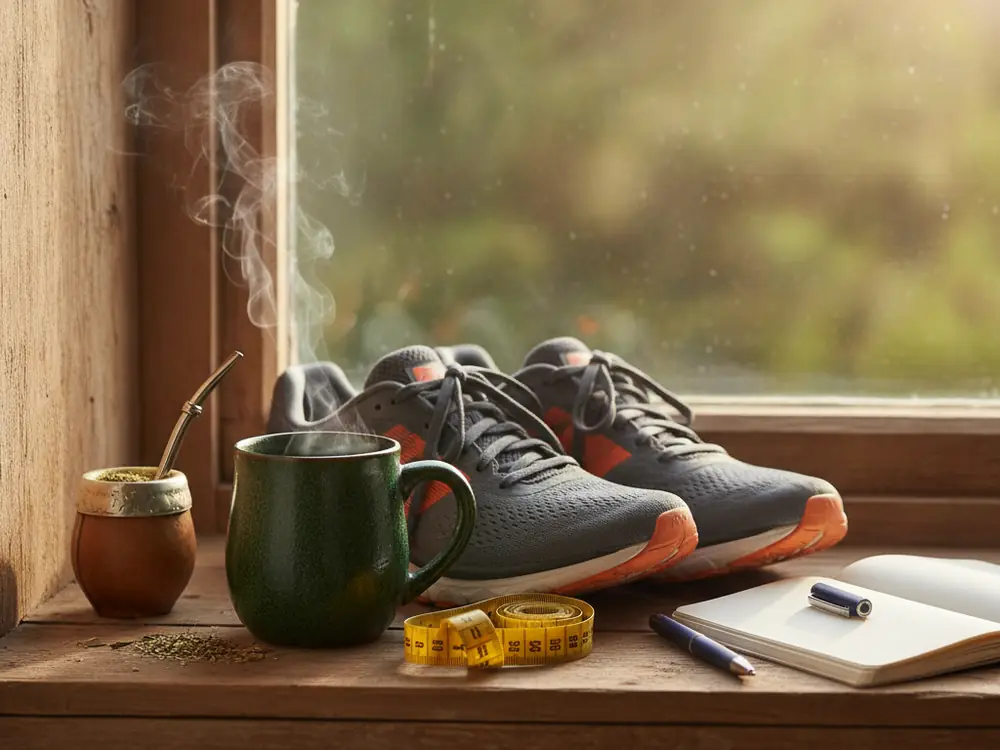
What yerba mate actually can do is give you a feeling of greater alertness thanks to caffeine and mateine, so subjectively it’s easier to get up and start functioning. However, this is masking fatigue, not curing it – exactly the same mechanism described above regarding alcohol and caffeine consumed together, only now without the alcohol itself still in the body. There’s one more trap: the stomach after a night of drinking tends to be irritated, and a strong infusion drunk on an empty stomach can intensify that irritation, for the same reasons described in the article about drinking yerba mate on an empty stomach. If you reach for your matero the morning after a party, it’s better to eat something light first than to pour dried leaves straight onto an empty, sore stomach.
How much, when and for whom this matters especially
A few things can be drawn from all this without overcomplicating matters. Caffeine and alcohol consumed at the same time aren’t forbidden, but the feeling of sobriety can lie, so decisions about driving or “one more drink” are better made with a margin of caution, not by instinct. It’s good to add plain water alongside alcohol regardless of whether mate, coffee or nothing is in the background. Very hot infusions shouldn’t be combined with smoking and frequent alcohol consumption – this is one of the few specific recommendations on this topic that has real support in data, not just caution. People with liver disease, kidney disease or hypertension should ask their doctor about combining caffeine with alcohol in their specific situation, since interactions with medications can vary. And one more thing: a matero isn’t a hangover cure, just a pleasant ritual that can help you wake up once the rest of the work – water, food, sleep – has already been done.
Yerba mate for a get-together and for a calmer day after
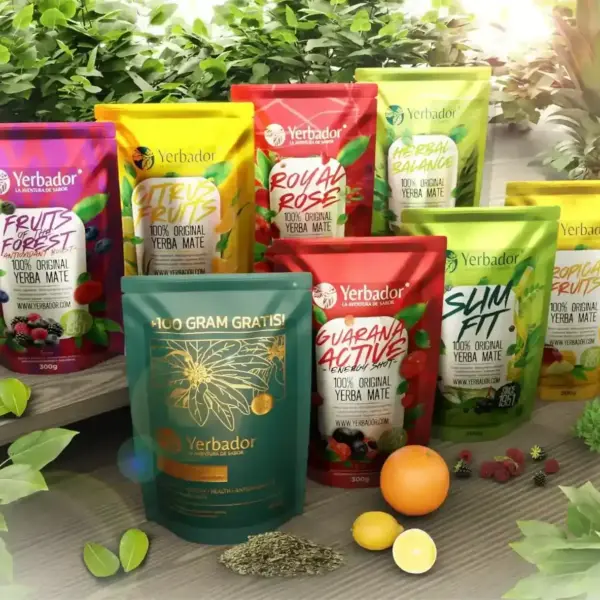
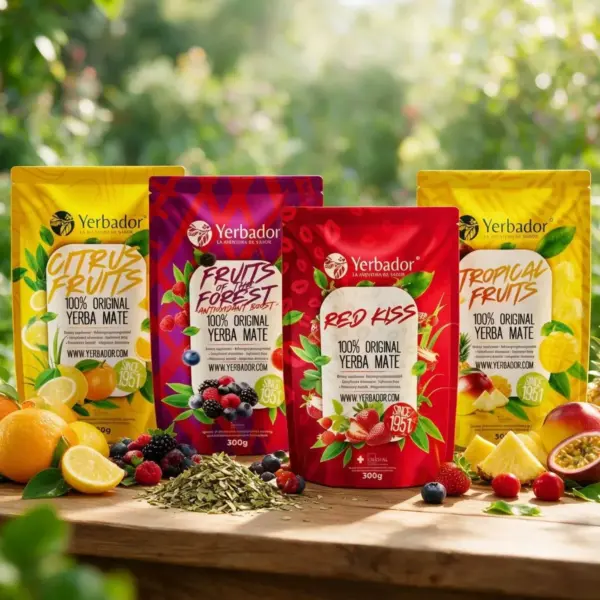
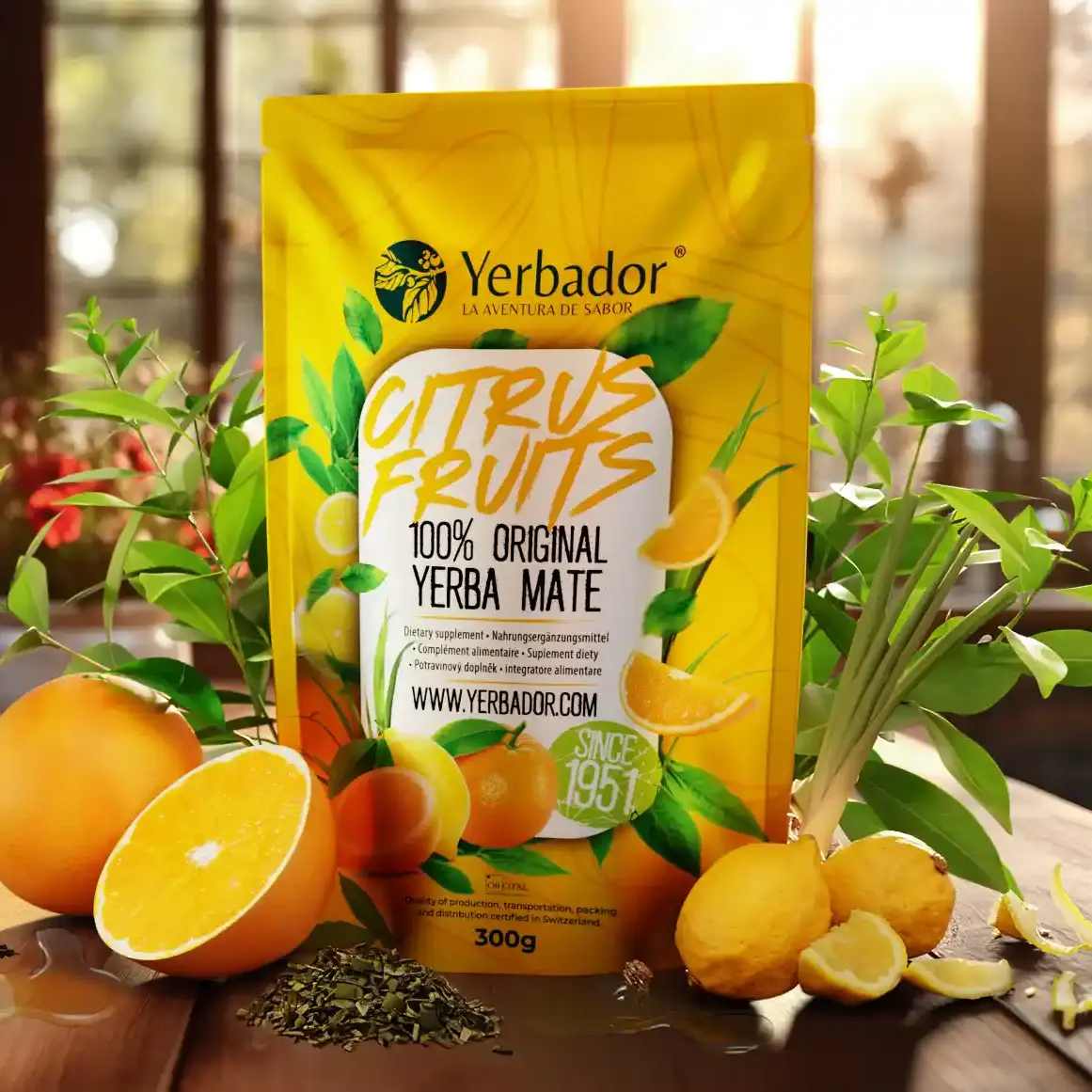
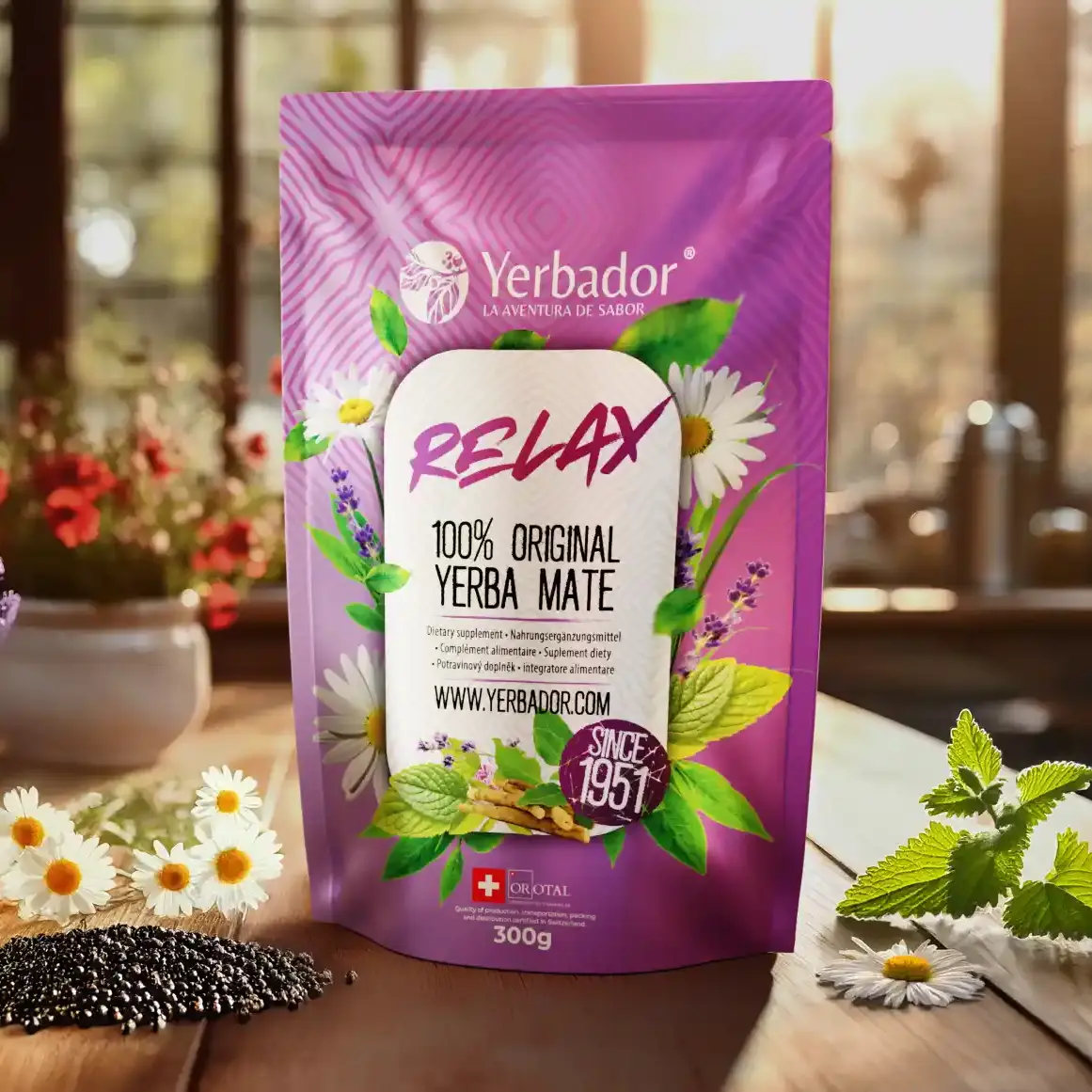
For social gatherings, when you want something refreshing and cold alongside drinks, the citrus version works well – it holds up nicely with ice and lemon, so it naturally fits at the same table as cocktails. For a calmer evening or the day after, when hydration and rest are the priority, a milder herbal blend without extra strength fits better.
Check out the product: Yerba Mate Yerbador – Citrus Fruits
Check out the product: Yerba Mate Relax
Frequently asked questions about yerba mate and alcohol
Can I drink yerba mate and alcohol on the same evening?
Physiologically, nothing about this combination is forbidden for a healthy person drinking in moderation. Caffeine can, however, mask the feeling of intoxication, so it’s easy to overestimate your own sobriety – it’s better not to rely on instinct alone when making decisions like driving.
Does yerba mate help with a hangover?
It doesn’t cure a hangover, but it can give you an energy boost thanks to caffeine. The foundation of recovery always remains water, electrolytes, food and time – no infusion can replace that.
Is very hot yerba mate together with alcohol and cigarettes dangerous?
The temperature of very hot beverages alone, above 65°C, combined with frequent smoking and drinking, is associated in epidemiological studies with an increased risk of esophageal cancer. Typical brewing in Poland rarely reaches such a high temperature, but with regular smoking and drinking, it’s worth waiting until the infusion stops scalding your mouth.
Does caffeine from yerba react chemically with alcohol?
Not in the sense of a chemical reaction – both act on different systems, caffeine stimulates, alcohol suppresses, and the effect is a distortion of subjective perception, not a neutralization of ethanol in the blood.
Who should be particularly careful with this combination?
People with liver or kidney disease, pregnant women, for whom alcohol is contraindicated regardless of yerba mate, and anyone taking medication that interacts with caffeine or alcohol. In these situations, it’s best to ask a doctor.
Discover our TOP products!
Your dream figure
Discover new flavors
Yerba mate with tea
Accessories
Superfoods
Certified raw honeys from Poland

Check the current price
free shipping
Up to 90 days
free returns
24 H
shipping