

Caffeine content in Yerba Mate – 70 mg to 360 mg
2023-02-16
Do you like drinking this South American infusion, or are you planning to try it, and wondering whether Yerba Mate contains caffeine? Maybe you’d like to know if it has more caffeine than coffee? Is there a caffeine-free variety? Does this drink give you energy? In this short article, we’ll answer all the questions above.

Does Yerba Mate contain caffeine? Quick answer
Yes, yerba mate does contain caffeine, and quite a lot of it. An infusion made from yerba mate leaves contains anywhere from a dozen or so to over a hundred milligrams of caffeine per serving, depending on how much dried leaves you put in your matero and how long you brew it. A typical drinking session, meaning around 50 g of dried leaves refilled with water repeatedly over several hours, delivers a total of 60–120 mg of caffeine. That’s comparable to one strong drip coffee, only spread out over the whole morning instead of drunk in five minutes.
We’ve broken down a precise milligram-by-milligram comparison with coffee, tea and energy drinks in a separate table of caffeine content in popular drinks. If you’re wondering what to replace coffee with in the long run, also check out our honest comparison of yerba mate and coffee, where we openly discuss in which situations coffee is the better choice.
Yerba Mate – what is this infusion and how much caffeine does it contain?
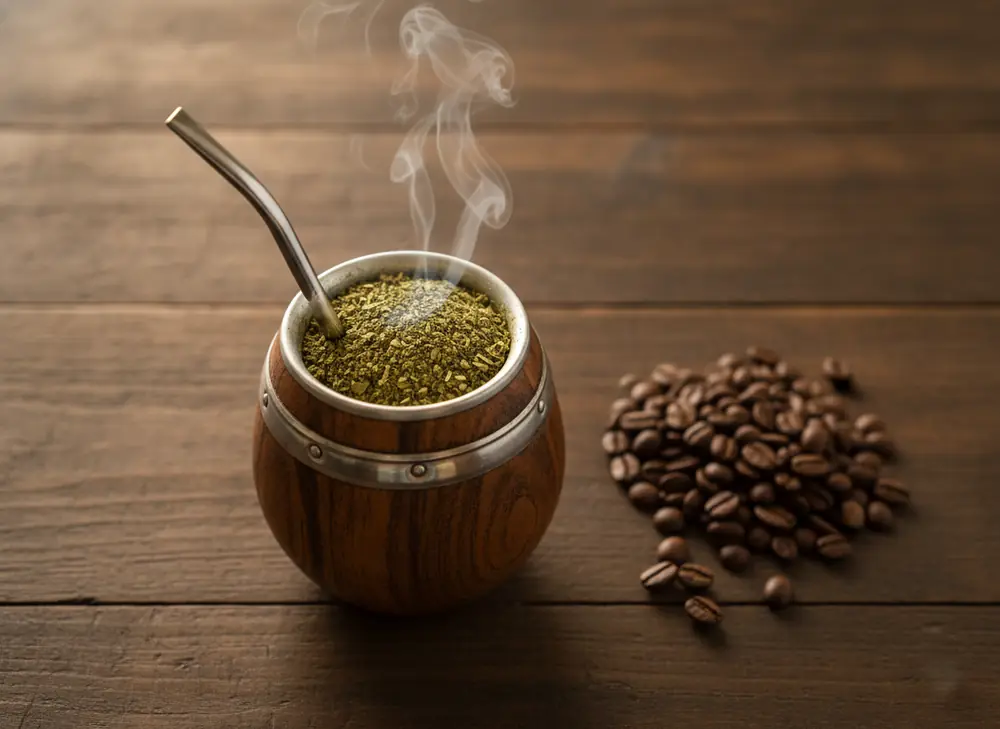
Yerba Mate is an infusion made from yerba mate leaves. The main producers of this drink are three South American countries (Paraguay, Brazil and Argentina). Due to its flavour and health benefits, it is gaining increasing popularity around the world.
Given this, many of us, including perhaps you, wonder how much caffeine Yerba Mate contains. The answer to how much of this substance is found on average in this infusion isn’t straightforward. This amount largely depends on the type and variety of dried leaves, as well as the brewing time. However, we can assume that on average, one litre of Yerba Mate contains between 70 milligrams and 360 milligrams of caffeine. Depending on brewing:
- if you brew the infusion for 15 minutes, the average caffeine amount will be 14 mg per 200 ml (assuming you use 3.5 grams of dried leaves);
- brewing the same amount of infusion for half an hour will give you approx. 22 mg per 200 ml.
How does caffeine affect our body? Consuming this substance improves concentration, boosts mood and reduces feelings of fatigue, as well as, most importantly, has an energising effect. However, you should be very careful not to consume it in excess. Overdosing results in headaches and elevated blood pressure. The recommended caffeine dose for an adult is no more than 400 mg per day.
Are the values given above for Yerba Mate actually high? To answer this question sensibly, we need to look at other drinks that also contain caffeine.
Caffeine is also found in, among others:
- tea;
- coffee;
- carbonated drinks.
In the case of tea, the type of infusion matters a great deal here. On average, however, we can say that the caffeine content in tea ranges from roughly 37 to 86 mg per 200 ml.
In coffee, depending on the producer, the caffeine concentration ranges from 71 to 129 mg per 200 ml.
In 200 ml of Coca-Cola you’ll find 20 mg of caffeine, while in energy drinks like Burn or Red Bull it’s roughly 70 mg.
Does Yerba Mate have more caffeine than coffee?

Looking at the data above, you can see that Yerba Mate contains less caffeine than coffee. However, it’s worth noting that when comparing these two, Yerba comes out on top overall, because besides caffeine it contains a range of other substances that produce a stimulating effect.
How much caffeine does yerba mate have compared to coffee in practice?
Cup for cup, coffee usually wins: espresso is 60–90 mg, drip coffee even 90–150 mg. Yerba mate comes out more modest in the same volume, but hardly anyone drinks yerba the way they drink coffee, one serving and done. You refill the matero repeatedly throughout the morning or afternoon, so the total caffeine dose from one session can match two or three coffees, just spread out over time instead of drunk in one go.
In practice this means a gentler start. No sudden kick that leaves your hands slightly shaking, and no abrupt energy crash two hours later. If you’re looking for a stronger version, take a look at Yerba Mate Ultra Energy with guarana – guarana has one of the highest natural caffeine concentrations of any plant, so the effect is stronger and longer-lasting. For your first encounter with yerba, the classic Yerba De Brasil in a 0.5 kg doypack works better — no additives, just a calm introduction to the subject.
Does Yerba Mate stimulate?
Yes. Due to the substances it contains, namely antioxidants such as theobromine and theophylline, it has a strongly stimulating and activating effect. It helps you focus and overcome fatigue.
Is there caffeine-free Yerba Mate?
There’s a variety of Paraguayan holly, the so-called weak-leaved holly, which is practically caffeine-free. The amount of caffeine it contains reaches a maximum of about 0.12%. For Paraguayan holly, the equivalent figure is 12-16%. So as you can see, Yerba Mate prepared from weak-leaved holly will contain only trace amounts of caffeine. If you don’t tolerate this substance well, you have an alternative.
Can children and pregnant women drink yerba mate because of the caffeine?
In children, caffeine acts more strongly than in adults, because lower body weight means a higher concentration of the substance in the blood for the same dose. The European Food Safety Authority (EFSA) sets a maximum of 3 mg of caffeine per kilogram of body weight per day for children and adolescents as a dose that raises no concerns, meaning for an eight-year-old weighing 25 kg that’s about 75 mg, less than one yerba session for an adult. That’s why a daily, strong yerba mate is not a drink for the youngest. A symbolic portion now and then, heavily diluted, usually raises no concerns, but that’s a parent’s decision, ideally after talking to a pediatrician.
During pregnancy, the limit for a woman is about 200 mg of caffeine per day, counting coffee, tea and yerba together, not each separately. One moderate session with a matero fits within this limit, but it’s easy to exceed it if you add a morning coffee on top. We covered this in detail, along with other things worth watching out for, in the article Yerba Mate during pregnancy.
What actually affects how much caffeine you extract from the dried leaves?
Four factors matter most here. The amount of dried leaves in the matero is the obvious one: more leaves, more caffeine in the same amount of water. Water temperature also makes a difference – pouring boiling water extracts more substances at once, which is why yerba is traditionally brewed with water at 70–80°C, not boiling water. Brewing time works similarly to tea: the longer the leaves stay in contact with water, the more caffeine ends up in the infusion, as shown in the example above of brewing 3.5 g of dried leaves (14 mg per 200 ml after 15 minutes versus 22 mg after half an hour).
The fourth variable is the number of refills. The first water poured over fresh leaves extracts the most, subsequent refills are weaker but still contain caffeine, which is why a typical session with multiple refills over several hours delivers more in total than one quick cup. The type of dried leaves and the way they were dried also matter – yerba dried with hot air, without smoke, usually has a different profile than the traditional, smoky version from Argentina.
Frequently asked questions: does yerba mate contain caffeine
Does yerba mate contain caffeine?
Yes. A single drinking session, meaning around 50 g of dried leaves brewed repeatedly over several hours, delivers 60–120 mg of caffeine. That’s similar to one strong coffee, only spread out over time instead of drunk all at once.
How much caffeine does yerba mate have compared to coffee?
A cup of drip coffee contains 90–150 mg, an espresso 60–90 mg. A whole matero session gives 60–120 mg, so a similar order of magnitude, but absorbed in instalments over several hours, not in five minutes.
Can children drink yerba mate?
Strong yerba mate on a daily basis is not for children, because caffeine affects them more strongly than adults at the same dose per kilogram of body weight. A symbolic, heavily diluted portion from time to time usually isn’t harmful, but that’s a topic to discuss with a pediatrician, not something to decide based on a shop’s blog article.
Can a pregnant woman drink yerba mate because of the caffeine?
In moderate amounts, yes, within 200 mg of caffeine per day counted together from coffee, tea and yerba mate. We write more about this in the article Yerba Mate in pregnancy.
Caffeine Content in Yerba Mate – a Short Summary
The caffeine content in Yerba Mate is difficult to estimate precisely, as it depends on the type and variety of the dried leaves as well as the brewing time. However, we can assume that on average a litre of this drink contains between 70 and 360 mg of caffeine. Yerba Mate contains less caffeine than coffee, yet thanks to other compounds it has stronger stimulating properties. There is also a caffeine-free version of Yerba Mate, made from the yaupon holly.
Discover our TOP products!

Your dream figure

Discover new flavors
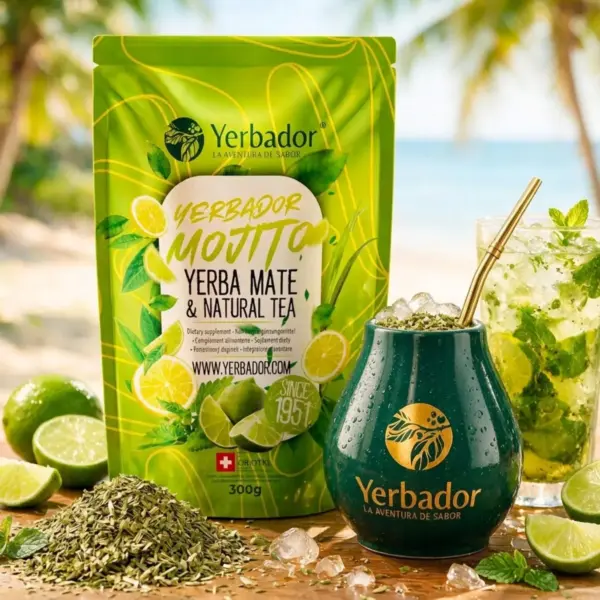
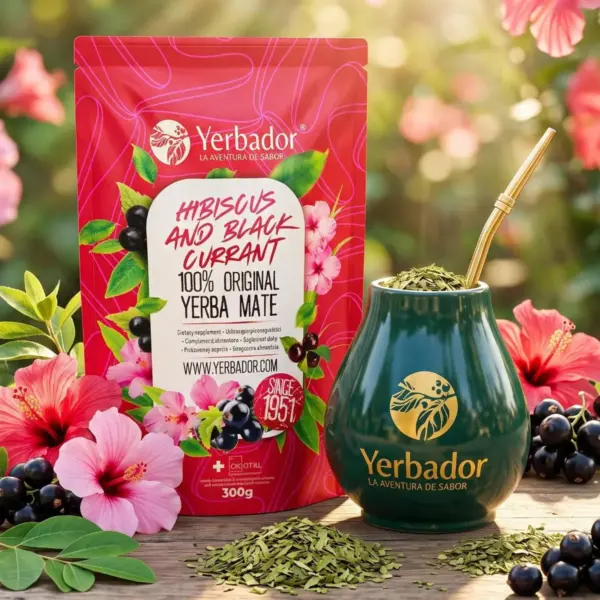
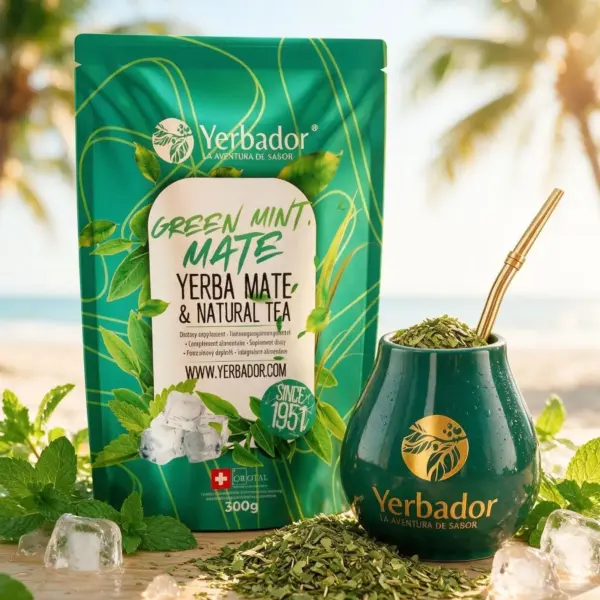
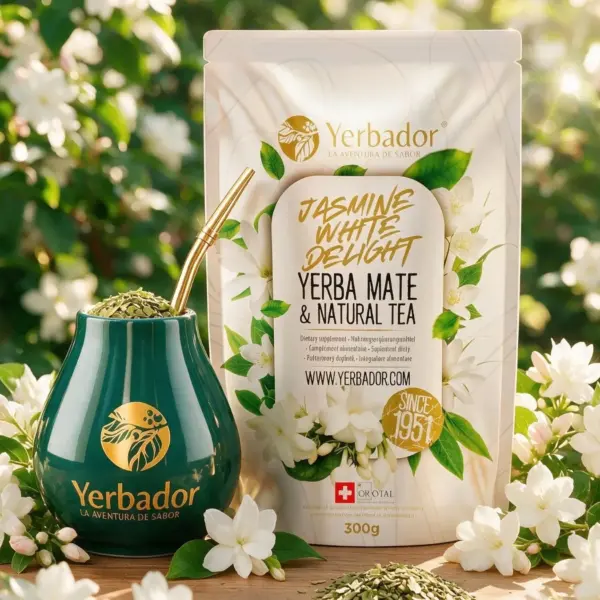
Yerba mate with tea
Accessories
Superfoods


Certified raw honeys from Poland

Check the current price
free shipping
Up to 90 days
free returns
24 H
shipping