
Yerba Mate and Sodium – Is It a Good Source of This Mineral?
2026-08-21
Yerba mate and sodium is a question that sounds a bit different in this series than it did with potassium, calcium, magnesium or zinc – there, we checked whether the dried leaves could help make up for a mineral deficiency. With sodium, it’s the opposite. The question is whether an infusion of yerba mate might add something that most of us already get too much of in our diet anyway. Here’s a concrete answer: how much sodium is really in the dried leaves and in the infusion, where the rest of the sodium in our diet comes from, and for whom this low content actually matters in practice.
Yerba mate and sodium – how much is really in the dried leaves and in the infusion
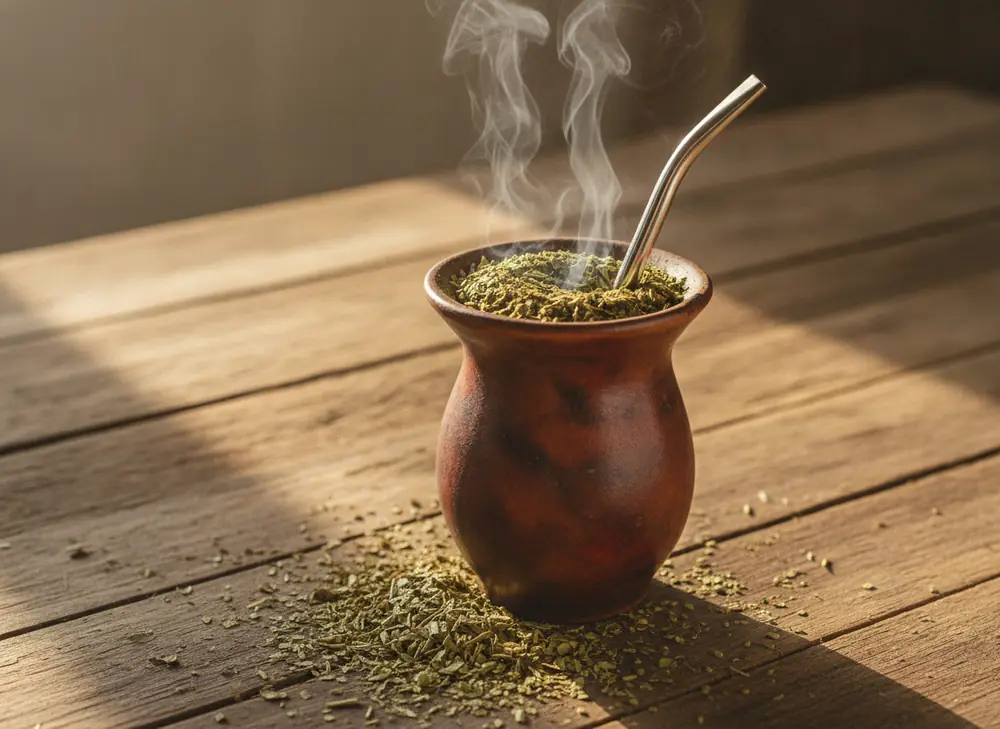
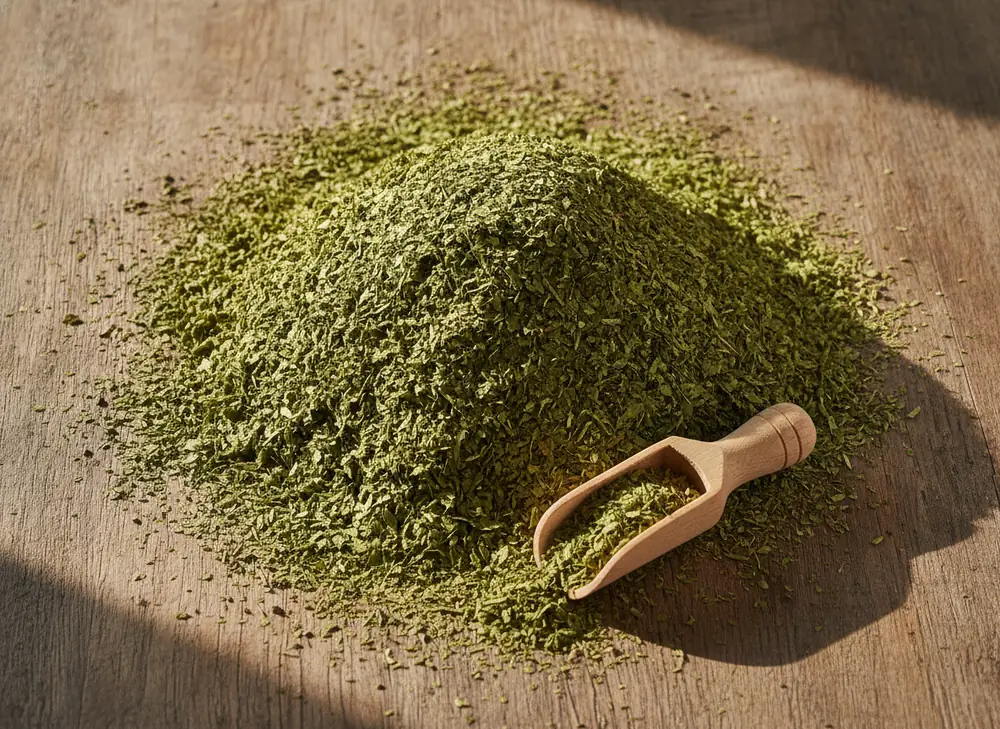
Yerba mate leaves grow and are dried without the addition of salt, so any sodium present in them comes solely from the soil and the plant’s natural physiology. Published mineral analyses of yerba mate point to values in the range of single milligrams of sodium per 100 g of dried leaves – one available study reports around 3.9 mg per 100 g of dried leaf, and an infusion prepared from a typical portion of dried leaves per litre of water is said to contain values in the range of 3 mg of sodium per litre of liquid. These are amounts that can vary quite a bit depending on the leaf batch and the analysis method, but the order of magnitude is consistent: it’s one of the lowest values among all the minerals present in the leaf, much lower than potassium or magnesium from the same dried leaves.
Let’s translate that into a real matero cup. With an infusion made from a portion of dried leaves refilled with several rounds of water, this comes out to a fraction of a milligram up to at most a few milligrams of sodium per day, depending on how much matero someone drinks. For comparison, one flat teaspoon of table salt is about 2300 mg of pure sodium – hundreds, and with an intense dose even thousands of times more than in the most heavily consumed matero over a day. The order of magnitude of “single milligrams per 100 g” is, incidentally, consistent with what one would expect from a leaf that undergoes no salting whatsoever, unlike processed snacks or cold cuts.
Where does sodium in the Polish diet actually come from
Since yerba mate contributes practically no sodium, it’s worth knowing what actually does supply it. The main source isn’t the salt shaker on the table, but processed food – cold cuts, hard cheese, bread, ready meals, canned food, chips, stock cubes and jarred sauces. These are the products that, eaten regularly, add up to values far exceeding recommendations. The World Health Organization recommends limiting salt intake to about 5 g per day, which corresponds to roughly 2000 mg of sodium, and studies on the Polish diet have for years shown salt consumption clearly above this norm, mainly due to processed products, not salt added by hand to the plate.
Against this backdrop, yerba mate is neutral – it won’t help lower sodium in the diet, since it’s already a negligible fraction of it anyway, but it also won’t raise it in any way, even with several rounds of matero a day. This is a different mechanism than with yerba mate and potassium, where the dried leaves actually contribute something to the balance. When it comes to sodium, yerba mate simply isn’t part of the equation, neither positively nor negatively.
Do tannins and caffeine in yerba mate affect sodium in the body
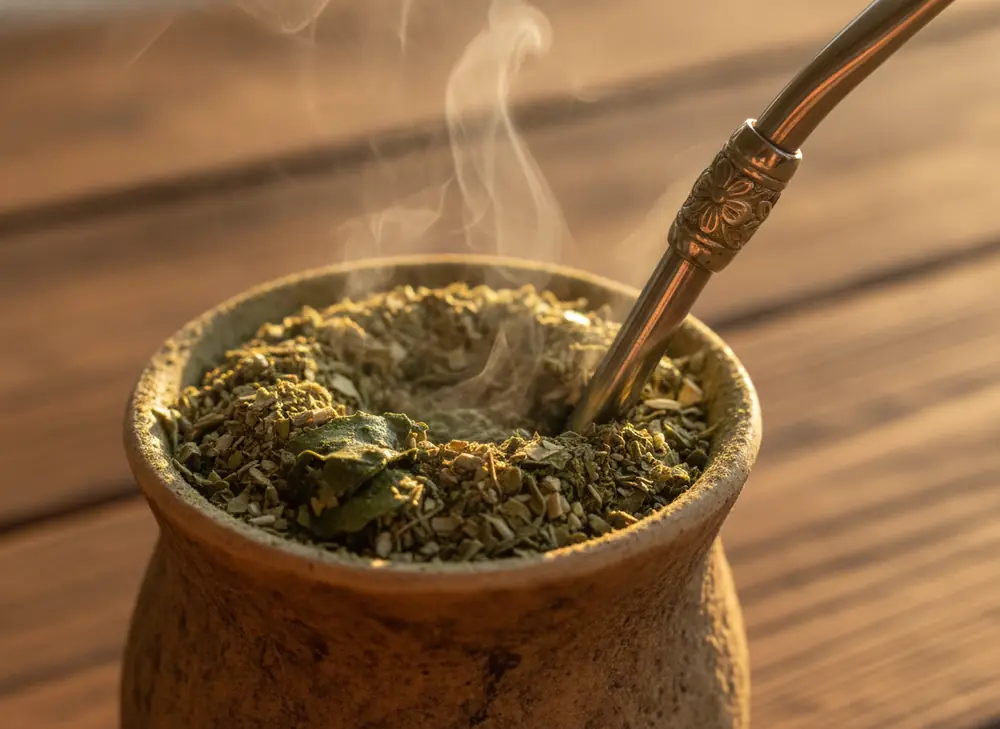
For other minerals in this series, tannins can be significant, as they limit the absorption of iron from the digestive tract, as we wrote in the article about iron. With sodium, this mechanism practically doesn’t apply, because sodium is absorbed in the intestine through a different pathway than iron, and tannins have no significant effect on it. It’s a bit different with caffeine, or more precisely mateine, as it’s sometimes called in the context of yerba mate – a compound chemically identical to caffeine. One round of matero usually contains 65–130 mg of caffeine, depending on the amount of dried leaves and the strength of the infusion. Caffeine has a mild diuretic effect and can temporarily increase sodium excretion in urine, but with moderate consumption, meaning a few rounds spread throughout the day, this effect is small enough that it doesn’t really affect the sodium balance of a healthy person. This phenomenon, incidentally, applies to any caffeinated beverage, it’s not specific to yerba mate.
Who should especially watch their sodium intake – and what this means for yerba mate
For people with high blood pressure and patients with chronic kidney disease, limiting sodium in the diet is one of the basic elements of medical recommendations, because excess sodium raises blood pressure and burdens the kidneys with water retention. From the sodium perspective alone, yerba is neutral for these people, and even good news – unlike salty snacks or fast food, an infusion made from dried leaves won’t add anything to the daily limit.
This doesn’t mean, however, that yerba is irrelevant in these conditions. Caffeine can temporarily raise blood pressure, so people with hypertension should watch their total daily caffeine intake, counting matero together with coffee and other drinks, rather than sodium alone. Patients with advanced kidney disease, for whom a doctor has recommended a low-potassium diet, should take into account what we described in relation to yerba and potassium – there, the dried leaves contribute more, so a low-potassium diet and regularly drinking strong matero may conflict. The safest solution with any chronic illness is to ask your doctor directly about yerba, instead of guessing based on general articles, including this one.
How much matero a day makes sense
Since sodium from yerba is in practice a negligible addition, the amount should be chosen mainly with caffeine in mind, not minerals. For a healthy adult, 2–3 servings a day, meaning a few rounds of matero spread throughout the day, is a range most people tolerate without any problem, as long as they don’t reach for yerba right before bed. If you’re specifically aiming to lower sodium in your diet, giving up ready-made sauces, cold cuts and salty snacks will matter far more than the yerba itself – that’s where the real problem lies, not in matero.
Where our dried leaves come from
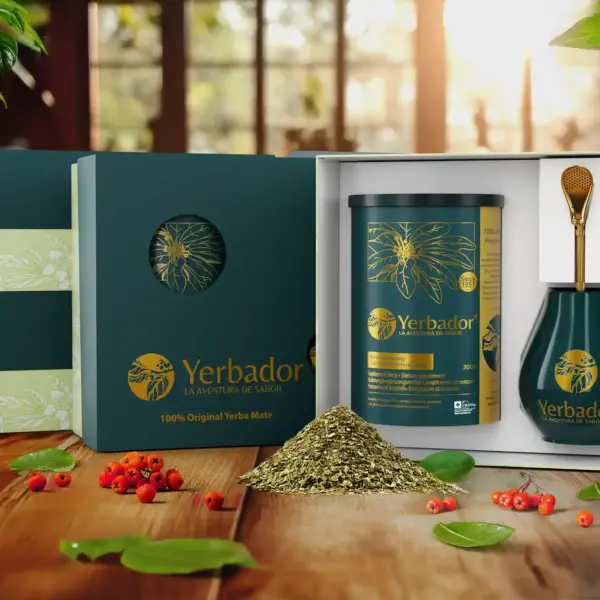
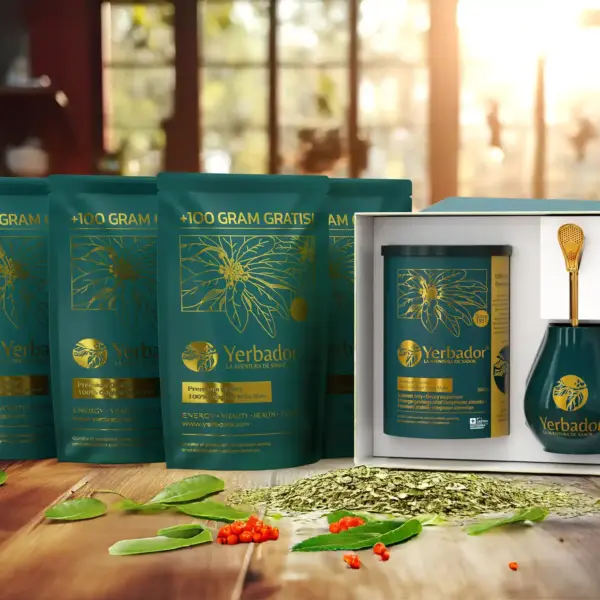
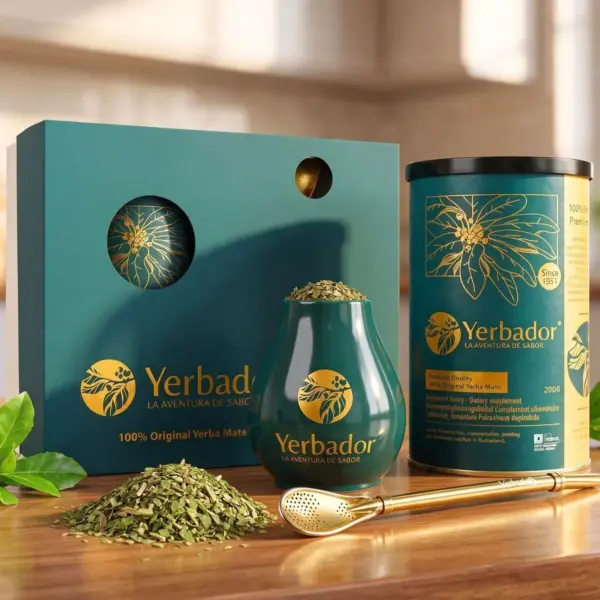
The mineral composition of yerba also depends on where the leaf comes from and how it was dried. Our Yerbador dried leaves have an analysis certificate from the Institute of Natural Fibres and Medicinal Plants (IWNIRZ, chromatography and authenticity confirmation), compliance with the reference standard confirmed by J.S. Hamilton, and tests for heavy metals, pesticides and PAHs carried out by GBA Polska. On top of that, ECOCERT and Organic Brasil certificates, plus HACCP throughout the production chain. The leaves are not salted or processed in a way that increases sodium content at any stage, from harvest to packaging.
Our products to try
If you’re specifically watching your sodium intake and looking for a naturally low-sodium snack to go with your matero, check out our seeds. If you just want to introduce yerba as a light mineral and energy addition, start with dried leaves with a full, classic profile.
Sunflower Seeds 100 g
Shelled sunflower seeds from our range – a naturally low-sodium snack that’s also rich in magnesium and potassium, the minerals that help the body maintain electrolyte balance on a low-sodium diet. A good replacement for salty snacks like crisps or crackers. Check the current price.
Check out the product: Sunflower Seeds 100 g
Pumpkin Seeds 250 g
Shelled pumpkin seeds, another low-sodium snack from our range and, on top of that, a good source of magnesium, iron and zinc. They work well as an addition to yoghurt or a salad instead of salty snacks. Check the current price.
Check out the product: Pumpkin Seeds 250 g – Source of Energy and Immunity
Yerba Mate Immuno
Dried leaves with a full mineral profile, with green barley and sunflower seeds included in the set. A good starting point for anyone who treats yerba as an addition to their diet rather than a replacement for it – sodium stays at the same negligible level anyway, whichever variant you choose. Check the current price.
Check out the product: Yerba Mate Immuno
Yerba mate and sodium – frequently asked questions
Does yerba mate contain a lot of sodium?
No. Published analyses indicate values of just a few milligrams of sodium per 100 g of dried leaves, and even less in the infusion – one of the lowest values among all the minerals present in the leaf.
How much sodium is in a matero cup?
Very little – with a typical portion of dried leaves and several rounds of water, you end up with a fraction to at most a few milligrams a day, an amount with no practical significance in the daily sodium balance.
Can people with hypertension drink yerba mate?
Sodium itself isn’t the issue here, since there simply isn’t enough of it in yerba mate to make any difference. What’s worth watching, however, is the total amount of caffeine throughout the day, and this should be discussed with your doctor.
Can yerba mate be harmful in kidney disease?
Sodium isn’t the risk here, but potassium is – on a low-potassium diet recommended by a doctor, it’s worth checking the details in the article about yerba mate and potassium and consulting the dosage with your doctor.
Can yerba mate replace salt in cooking?
Not in terms of taste or mineral content – yerba mate has a completely different flavour profile than salt and practically contains no sodium, so it doesn’t serve the same role in a dish.
Discover our TOP products!

Your dream figure

Discover new flavors
Yerba mate with tea


Accessories
Superfoods

Certified raw honeys from Poland




Check the current price
free shipping
Up to 90 days
free returns
24 H
shipping