
Dried White Mulberry – Properties, Nutritional Values and How to Eat It
2026-09-13
TL;DR: dried white mulberry is the fruit of the Morus alba tree, delicately sweet and soft in taste, with 12 g fibre, 10 g protein, 45 mg vitamin C and 1100 mg potassium per 100 g. It works well as a snack straight from the bag or as an addition to porridge, yoghurt and muesli. Below you’ll find the full composition, ways to eat it, storage tips and a comparison with goji, apricots and raisins.
Dried white mulberry – what kind of fruit is it
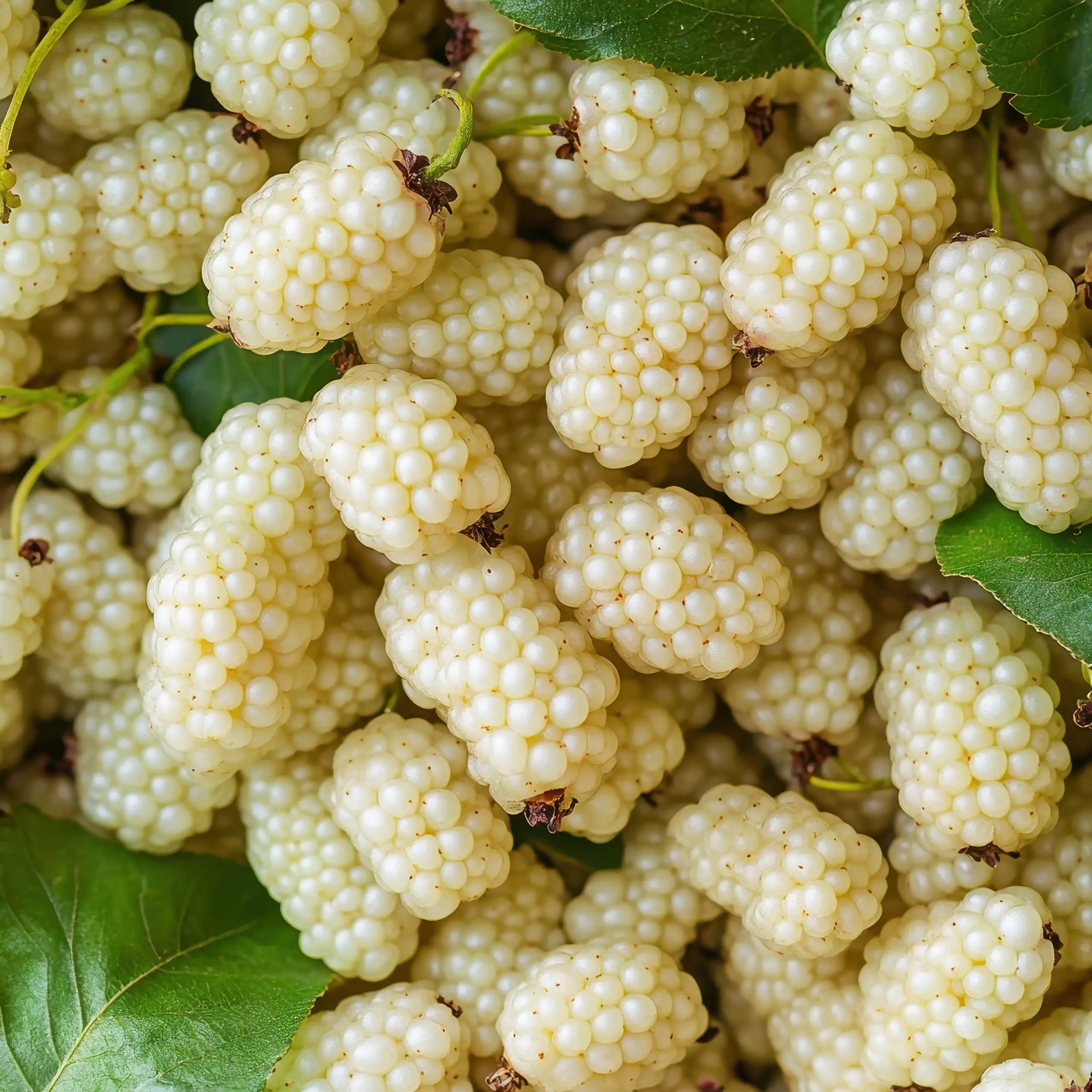
Dried white mulberry is appearing on Polish shelves more and more often, though still less commonly than raisins or dried apricots. It is the fruit of the white mulberry tree (Morus alba), a species originating from China, where it has been cultivated for thousands of years mainly for its leaves to feed silkworms. The fruits, 2-3 cm long, are creamy white or light cream when ripe, which visually distinguishes them from the dark red black mulberry. In Poland the tree grows in parks and gardens, but the raw material for drying usually comes from crops grown in a warmer climate, since the fresh fruit is very delicate and ferments quickly.
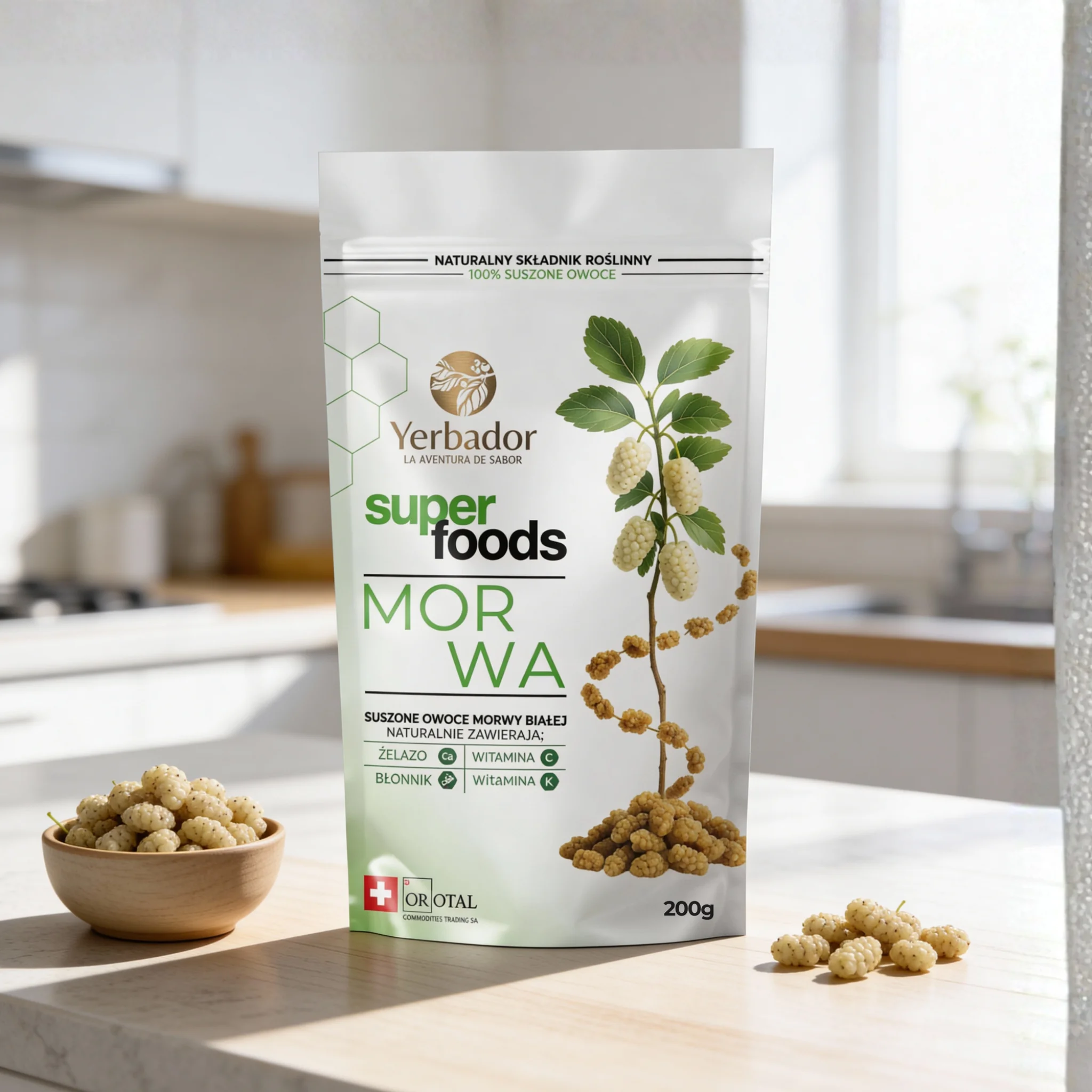
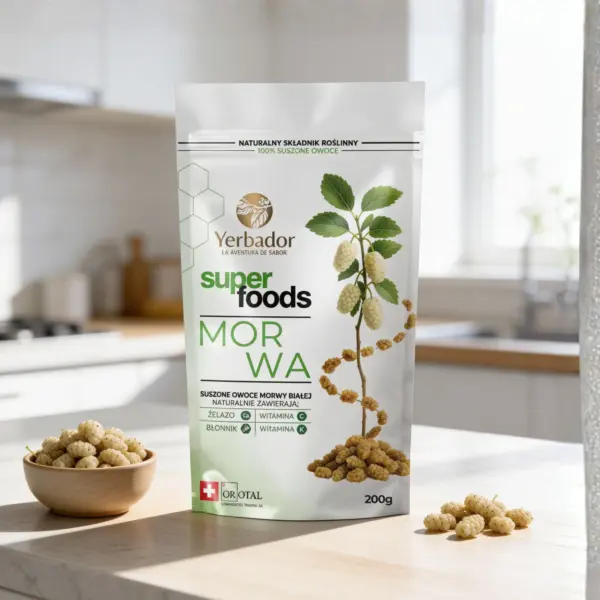
The dried version has a texture similar to raisins, but it’s more fibrous and less sticky. The flavour is often described as honey-like, slightly caramel, with a hint of dried apple. In Yerbador’s 200 g pack, the fruits are whole, with small visible seeds, with no added sugar or sulphites, in line with the composition of 100% dried white mulberry fruit.
Historically, white mulberry arrived in Europe alongside attempts to cultivate silkworms, since it’s the leaves of this tree that the caterpillars producing silk feed on. For centuries, the fruit was treated as a by-product rather than the main reason for cultivation. Only in recent years, with the rise of the superfoods trend, has dried mulberry fruit made its way onto health food store shelves as a standalone product, valued more for its nutritional properties than for its intense flavour.
Composition and nutritional values of dried white mulberry (100 g)
The data below comes from the label of the Yerbador White Mulberry 200 g product and refers to 100 g of dried fruit:
- energy value: 343 kcal / 1430 kJ
- fat: 1.5 g, of which saturates: 0.4 g
- carbohydrates: 75 g, of which sugars: 38 g
- fibre: 12 g
- protein: 10 g
- salt: 0.05 g
- vitamin C: 45 mg
- potassium: 1100 mg
- iron: 3.5 mg
- vitamin K: 7.8 µg
Two figures stand out when comparing mulberry to other dried fruits. The first is protein at 10 g per 100 g, which is more than in most dried fruits in this category, where it usually falls within 2-4 g. The second is fibre, at 12 g per 100 g, close to the level found in dried apricots. The sugar content, 38 g per 100 g, is lower than in raisins or dried mango, although a 30-40 g portion of dried fruit is still a real dose of energy, so it’s not a product to eat by the handful without limits.
What white mulberry helps with
The fibre in mulberry supports gut function and prolongs the feeling of fullness after a meal, which can help with controlling appetite between meals. Vitamin C, at 45 mg per 100 g, roughly half of an adult’s daily requirement, supports immunity and helps protect cells against oxidative stress. Potassium, at 1100 mg per 100 g, supports proper muscle function and helps maintain the body’s water-electrolyte balance, especially on warmer days or after a workout. Iron, at 3.5 mg per 100 g, supplements the diet of people who limit meat, although non-heme iron from fruit is absorbed less efficiently than iron from animal products, so it’s worth pairing mulberry with vitamin C from other sources, something mulberry itself partly provides.
It’s worth remembering that this is a dietary supplement in snack form, not a medicine. White mulberry can support a balanced diet, but it won’t replace treatment or a consultation with a doctor for specific health conditions.
People with diabetes or insulin resistance should treat dried mulberry like any other dried fruit, meaning they should count the portion and carbohydrates, since the drying process concentrates the sugars naturally present in the fruit. For those with a sensitive digestive system, for example with irritable bowel syndrome, a large portion of fibre at once can cause bloating, so it’s better to start with a small amount and observe how the body reacts, rather than reaching straight for a full handful.
How to eat dried white mulberry
The simplest way is to eat it straight from the pack, a handful as a snack between meals. The manufacturer also recommends adding it to muesli, porridge, natural yoghurt, fruit salads and desserts. It works well in homemade granola baked in the oven, since after heating it doesn’t lose its structure as quickly as fresh fruit. It also pairs well with nuts, for example almonds or cashews, creating a trail mix to take to work or on a trip in your backpack.
People who drink fruit and vegetable smoothies can soak the mulberries in warm water for 10-15 minutes before blending, which makes it easier for the blender to break down the fibrous skin and gives the smoothie a smoother consistency.
How to choose and store dried mulberries
When buying, it’s worth checking the label: a good product is 100% dried white mulberries, with no added sugar, oil or sulphites as a preservative. The colour should be cream to light brown, not bright white, as that may suggest additional bleaching. The smell should be mild and slightly honey-like, without any sour or musty notes.
Once the pack is opened, mulberries are best stored in a dry, cool place, tightly sealed, away from direct sunlight. In a kitchen cupboard, away from the stove and oven, they keep their quality the longest. Moisture is the main enemy of dried fruit, as it promotes mould growth, so it’s not a good idea to keep an open pack in the bathroom or near the sink.
White mulberry vs other dried fruits – a comparison
Compared to other dried fruits in Yerbador’s range, white mulberry stands out mainly for its protein content and mild, honey-like flavour, less intense than that of tangy fruits.
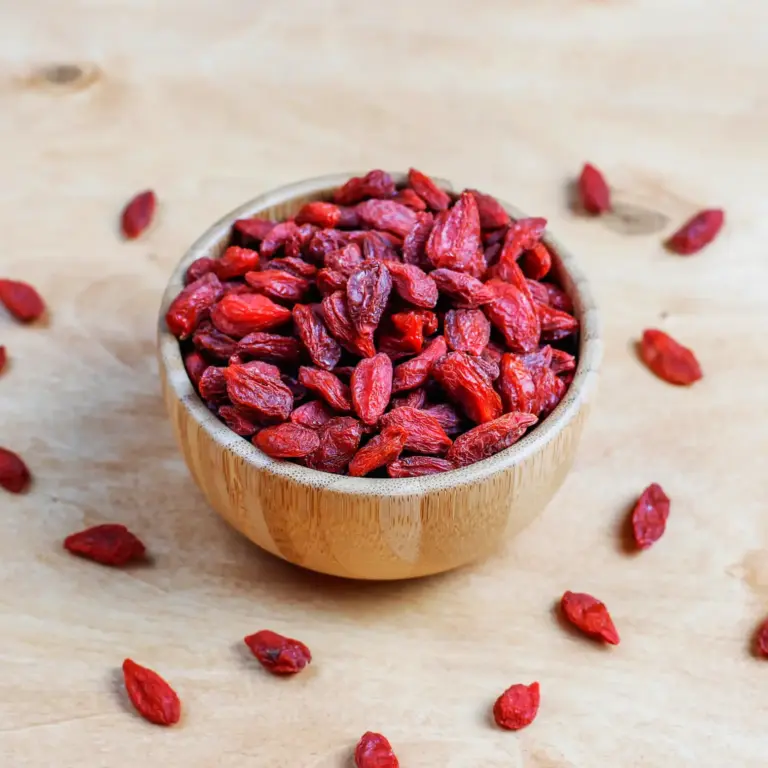
- White mulberry vs goji berries – goji berries have a distinctly tangy, spicy flavour and are known mainly as a source of vitamins A, C and E. Mulberry has a milder flavour and a higher protein content.
- White mulberry vs dried apricots – apricots win in terms of potassium and iron content per typical serving and have a more pronounced, tangy-sweet flavour. Mulberry, on the other hand, is more neutral and pairs better with plain yoghurt without added sugar.
- White mulberry vs raisins – raisins have a higher content of simple sugars and provide a quicker energy boost, which physically active people will appreciate. Thanks to its higher fibre and protein content, mulberry works better as a longer-lasting snack with a slower energy release.
- White mulberry vs dried mango – mango is juicier and sweeter to the taste, but contains more sugar per serving. Mulberry is lighter in calories for a similar volume.
Check out the products
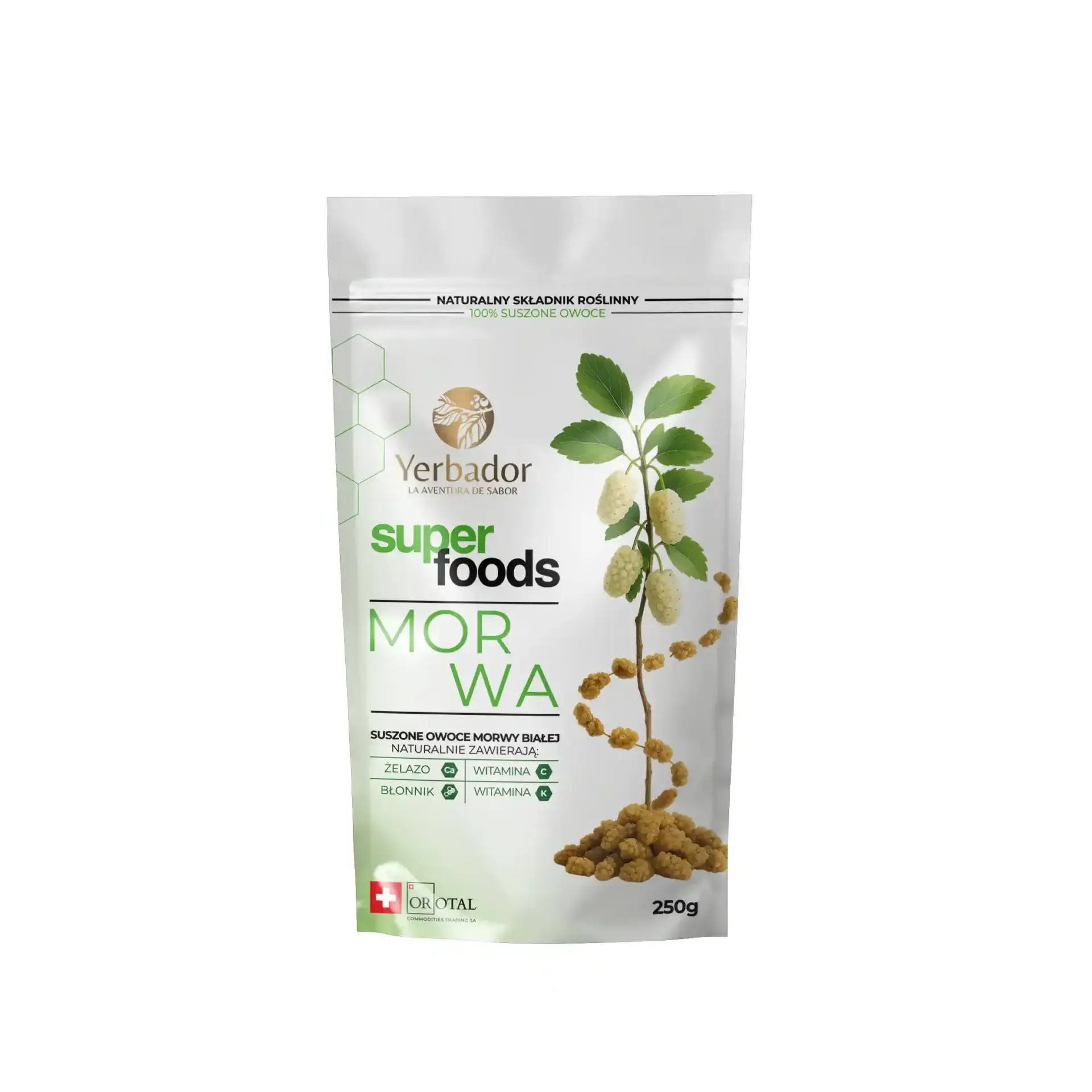
Check out the product: White Mulberry – 200 g – Rich in Fibre and Vitamin C
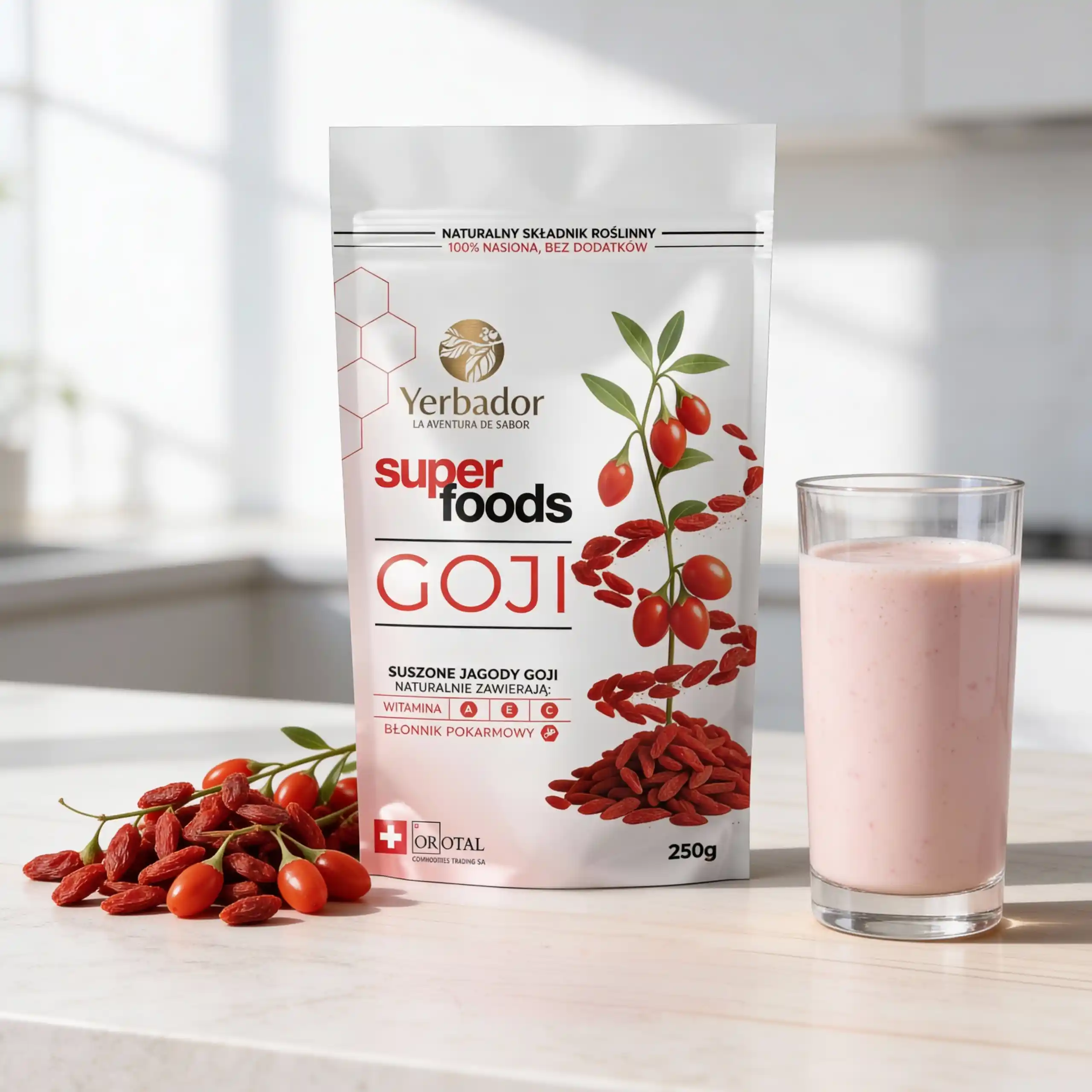
Check out the product: Dried Goji Berries – 200 g – Source of Vitamins A, C and E
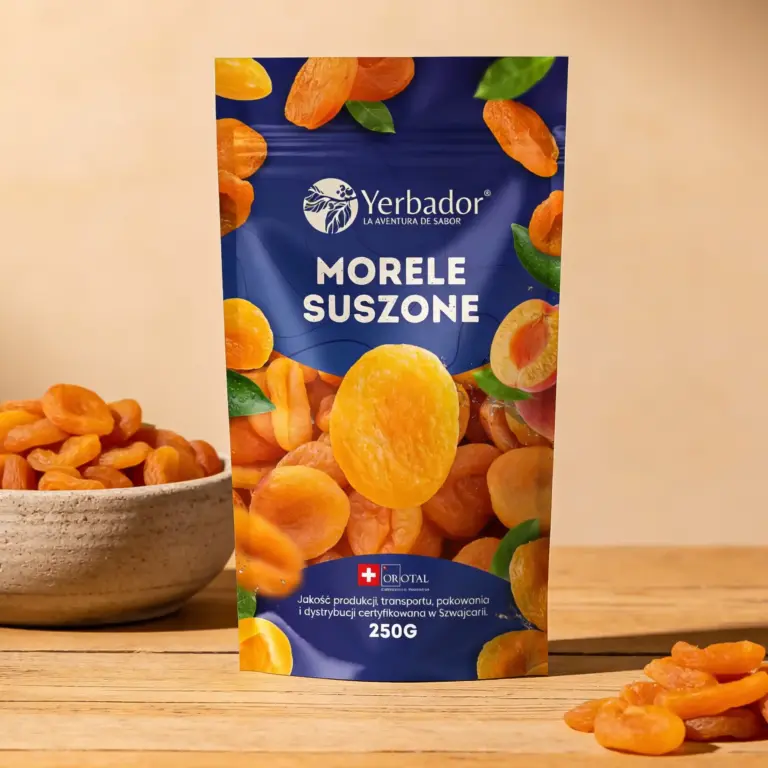
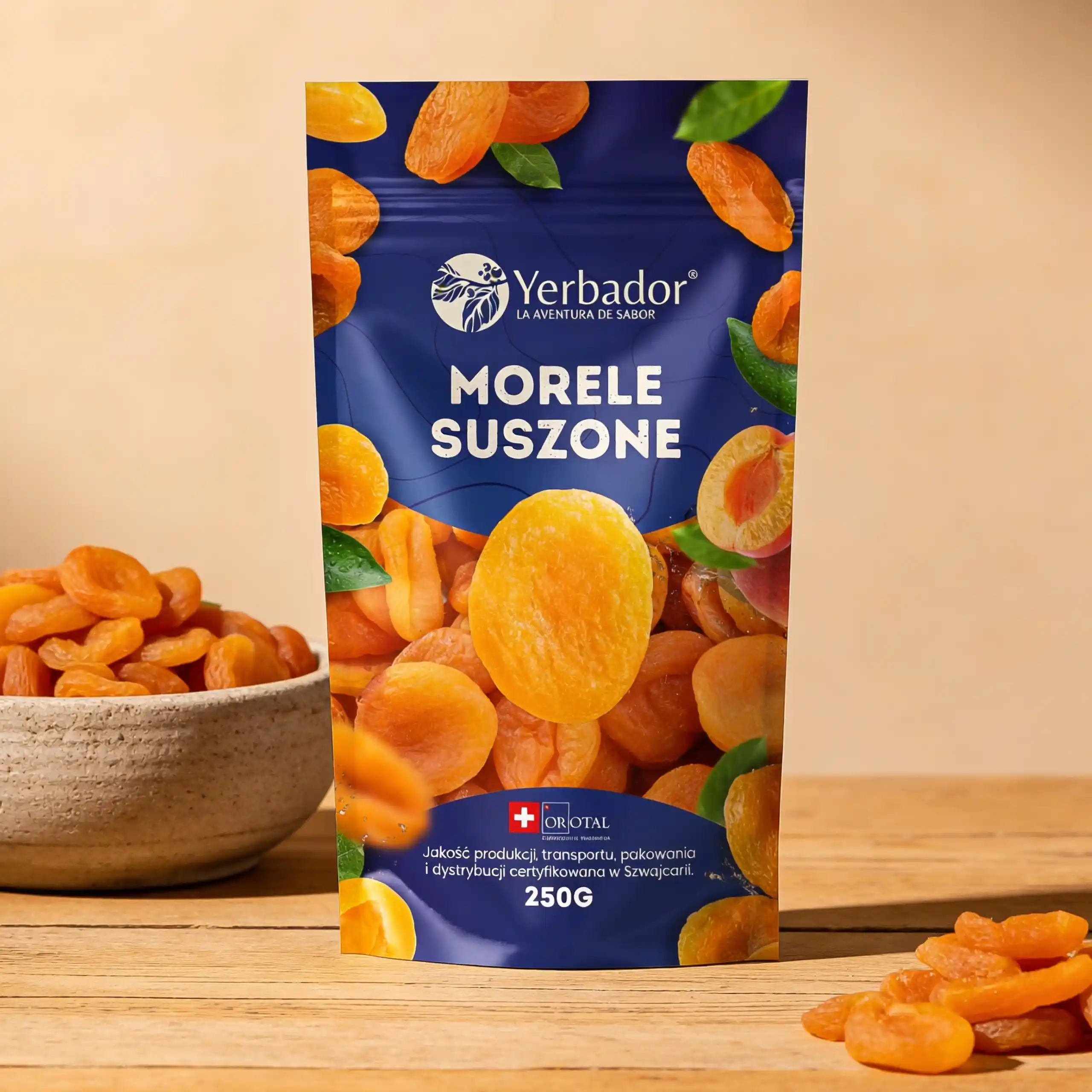
Check out the product: Dried Apricots – 250 g – The Power of Potassium and Iron
FAQ – frequently asked questions about dried white mulberry
How many calories does dried white mulberry have?
100 g of Yerbador dried white mulberry is 343 kcal. A typical snack portion, about 30 g, is approximately 103 kcal.
Is white mulberry good for people on a weight-loss diet?
It can be part of a reduction diet in a reasonable portion, thanks to fibre, which prolongs the feeling of fullness. However, you need to keep in mind that there are 75 g of carbohydrates per 100 g, so the portion should be controlled and not eaten without limit straight from the pack.
What is the difference between white mulberry and black mulberry?
White mulberry (Morus alba) has a light, creamy colour and a milder, more honey-like flavour. Black mulberry (Morus nigra) is dark purple, juicier and more distinctly sweet-and-sour in flavour when fresh. In Poland, white mulberry is more commonly sold as a dried fruit.
Can dried white mulberry be eaten every day?
Yes, in a moderate portion, for example 20-30 g a day as an addition to a meal, mulberry can be a regular part of your diet. As with any dried fruit, it’s not a good idea to replace whole meals with it due to its sugar concentration.
Where to buy good quality dried white mulberry?
It’s worth looking for a product with a composition limited to 100% dried mulberries, without added sugar or sulphites, ideally in a sealed, airtight package that protects against moisture, like Yerbador’s 200 g pack.
Can children eat dried white mulberry?
Yes, in reasonable amounts and under adult supervision, due to the small seeds and fibrous structure, which for young children may require cutting the fruit into smaller pieces. It’s worth starting with a single piece to check whether the child tolerates the new flavour well and has no allergic reaction.
You can find more botanical information about the species on Wikipedia, in the entry on white mulberry.
Discover our TOP products!
Your dream figure

Discover new flavors
Yerba mate with tea

Accessories




Superfoods




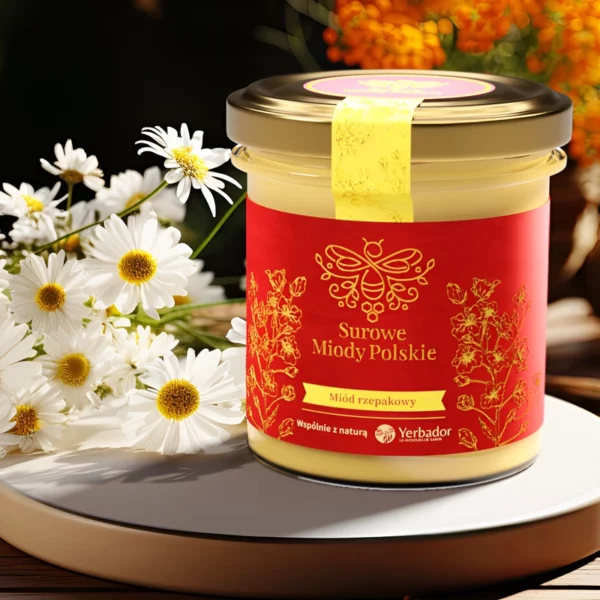
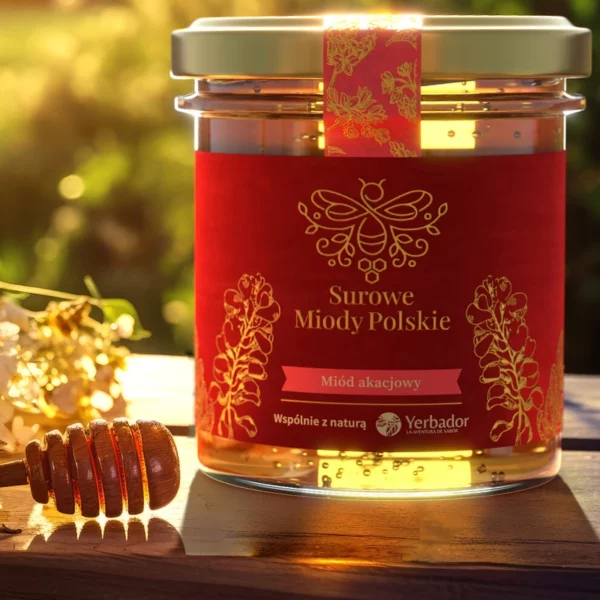
Certified raw honeys from Poland

Check the current price
free shipping
Up to 90 days
free returns
24 H
shipping