
Moringa – Properties, Benefits and How to Use It?
2026-08-02
Moringa is doing in Poland exactly what yerba mate did ten years ago — turning from an exotic curiosity into a staple on the kitchen shelf. And it’s no wonder. The powdered leaves of the Moringa oleifera tree are one of the most concentrated plant-based dietary additions we know: calcium, vitamins A, E and B2, chlorophyll and fiber in a single teaspoon of intensely green powder. In this guide, we explain what properties moringa has, what it helps with, what it tastes like and how to use it so that you actually want to reach for it every day — not just once, out of a sense of duty.
What is moringa and where does it come from?
Moringa is a tree originating from the foothills of the Himalayas, now grown across tropical regions almost all over the world — from India to Africa and South America. In the regions where it grows, virtually every part of it has been used for centuries: leaves, pods, seeds. It’s not without reason that it’s sometimes called the “tree of life”. Botanically, it is Moringa oleifera — a species remarkably drought-resistant and fast-growing.
Moringa most often arrives in Europe in the form you’ll also find here: young leaves are harvested, gently dried at low temperature and ground into a fine powder. This process preserves what’s most valuable in the leaf. The colour speaks for itself — good moringa is vividly, richly green. A greyish, dull powder usually signals that the leaves were overheated or sat in storage for too long.
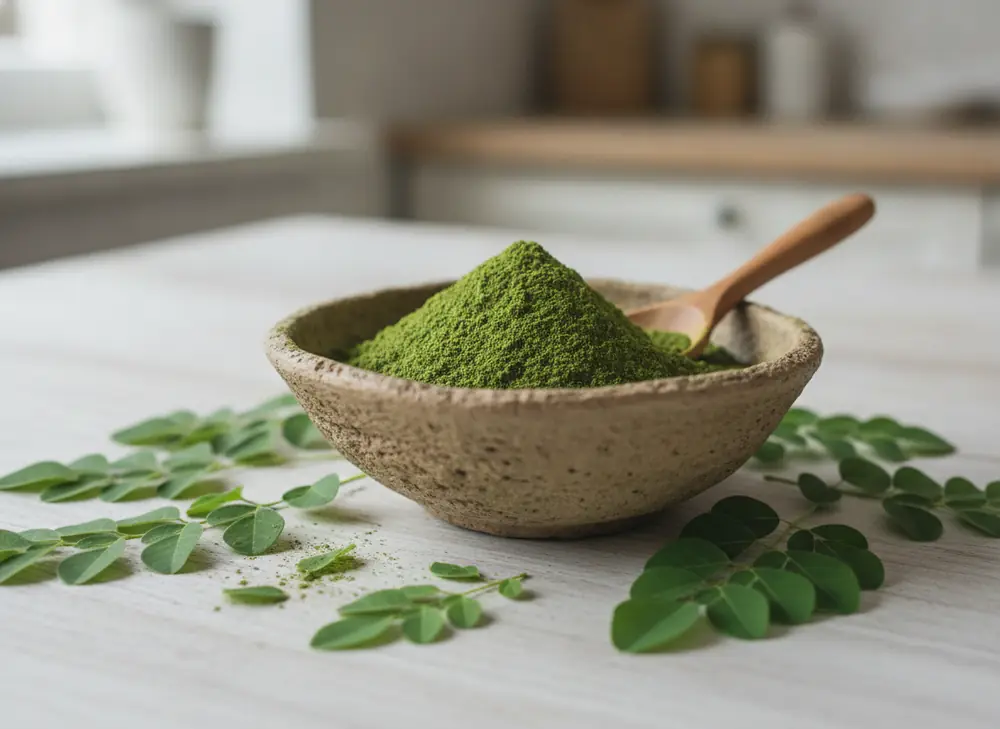
Moringa – properties. What’s hiding in the green powder?
Moringa’s strength lies in concentration. Dried leaf is a concentrated version of the fresh one — that’s why just 1–2 teaspoons a day can make a real difference to your diet’s balance. So what exactly will you find in moringa leaf powder?
- Calcium — supports healthy bones and teeth. It’s a rarity among plant-based powders and the main reason vegans and dairy-limiters have fallen for moringa.
- Vitamins A and E — a duo working for your skin and protecting cells from oxidative stress.
- Vitamin B2 (riboflavin) — supports proper energy metabolism. In plain terms: it helps your body efficiently turn food into energy.
- Chlorophyll — the green plant pigment that gives moringa infusions and smoothies their characteristic freshness.
- Fibre — supports digestive comfort and rhythm, while also helping you feel fuller for longer after a meal.
One thing worth stressing: moringa is a food, not a medicine. It doesn’t treat illnesses and won’t replace a balanced diet. It acts like a great supporting player — quietly, day after day, adding a dose of nutrients that are hard to come by in processed food. If you’re taking medication, pregnant, or breastfeeding, consult your doctor before introducing a new superfood.
Moringa vs Yerba Mate — rivals or a team?
If you’re reading this blog, you probably have a matero at home and a stash of yerba. So where does moringa fit into your daily rhythm? The answer is simple: in a completely different place. Moringa contains no caffeine. Yerba Mate delivers 60–120 mg per cup, and that’s what carries mornings, commutes and mid-morning work — we covered this in more detail in our piece on guarana and natural energy. Moringa works differently: it doesn’t stimulate, it nourishes.
In practice, they complement each other beautifully. Yerba mate in the morning, when you need a clear head. In the afternoon or evening — a smoothie or porridge with moringa, without worrying about your sleep (read more about why caffeine in the evening can be a bad idea in our article Yerba Mate and Sleep). If you’re building a diet to support your figure, moringa also fits into the plan from our guide to yerba mate and weight control — fibre and post-meal fullness are half the battle when it comes to weight loss.
How to use moringa every day?
Start with one flat teaspoon (about 3–5 g) a day and see how the taste and your body react. After a week, you can increase to two. Moringa’s taste is clean, plant-like, slightly grassy — a bit like spinach with a hint of green tea. In a banana smoothie it almost disappears completely, while in porridge it adds a pleasant “green” note.
One important rule: don’t cook moringa. High temperature destroys some of the vitamins, so add the powder to dishes after cooking — to warm (not boiling) porridge, yoghurt, smoothies, sandwich spreads or salad dressing. The comparison with brewing yerba at 70–80°C instead of boiling water fits perfectly here.
Three simple ways to get started
- Green smoothie for a good morning: banana, a glass of plant-based milk, a handful of spinach, a teaspoon of moringa, a bit of honey. 60 seconds of blending and breakfast is ready.
- Porridge with a green boost: cook the oats, let sit for two minutes, stir in a teaspoon of moringa, add banana and blueberries.
- Purple-green duo: natural yoghurt, half a teaspoon of moringa, half a teaspoon of powdered acai berries, muesli. Colour-wise it looks like a dessert from a good café, but it takes a minute to make.
A teaspoon, a tablespoon or a pinch – how many grams is that
Kitchen measures can be deceptive, because leaf powder is light and fluffy. A flat teaspoon is about 3 g, a heaping teaspoon closer to 5 g. A tablespoon weighs three to four times more, so for the daily dose of 3–10 g a teaspoon, or at most two, is plenty. If you’re just starting out, measure a portion on a kitchen scale once – that way a “teaspoon” stops being a guessing game and you know exactly how much moringa ends up in your smoothie.
The easiest way is to split the daily portion into two moments. In the morning, into juice – orange, apple or homemade celery and apple – half a teaspoon dissolves well if you first make a thick paste with a little water and only then add the juice. In the afternoon, the second half goes into natural yoghurt or kefir, where the fat from the dairy softens the slightly earthy aftertaste. If you prefer one bigger dose instead of two smaller ones, a whole teaspoon in the morning smoothie also makes sense – it’s a matter of taste bud habits, not a strict rule.
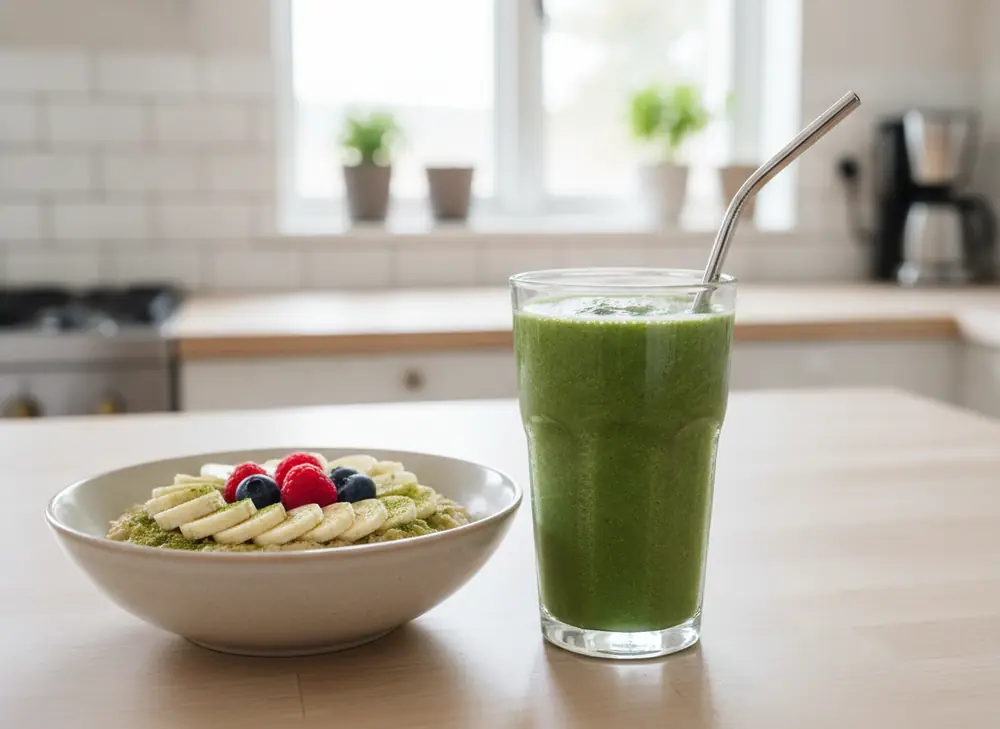
What is moringa good for? Who benefits from it most
Three groups of people most often reach for moringa. The first are vegans and vegetarians — a plant-based source of calcium in such a convenient form is real support for their everyday diet. The second are people who limit caffeine but want to have “something green and valuable” in the kitchen — moringa offers a ritual without stimulation. The third group is simply busy people who know their diet can be low in vegetables: a teaspoon of powder won’t replace broccoli, but on a worse week it’s a fair plan B.
It also pairs well with topics that regularly come back on this blog: supporting immunity in autumn, gentle body cleansing and everyday care for digestion. The common denominator? Consistency. Superfoods work when they’re boring — meaning present in the diet every day, not just on special occasions.
Moringa compared to other superfoods from the Yerbador blog
Moringa isn’t the only green powder you read about with us. The difference lies in exactly what each one is used for – these powders complement each other rather than compete.
- Moringa vs baobab: moringa focuses on calcium and vitamins A, E, B2, baobab on vitamin C, potassium and magnesium, and it also tastes sour like lemon. In one smoothie, moringa provides greenness and calcium, baobab acidity and refreshment.
- Moringa vs ashwagandha: this is a completely different category. Ashwagandha is a root you reach for in the evening to unwind, moringa is a leaf full of vitamins and minerals, indifferent to the time of day. One doesn’t replace the other, because they have different jobs.
- Moringa vs acai berries: acai is mainly about vitamins A, C and E and an intense, berry flavour, moringa focuses on calcium and chlorophyll. In the kitchen it’s more of a flavour duo than competition, as we mentioned in the purple-green yoghurt recipe above.
One practical rule when combining superfoods: it’s not worth adding more than two different powders to a single serving of food at once. With three or more, it’s hard to tell what’s actually making a difference, and the taste starts to resemble freshly cut grass.
Moringa from Yerbador — clean composition and proven quality
Our moringa is 100% ground Moringa oleifera leaves — no fillers, colourings or additives. The same quality regime you know from our yerba mate (we describe the tests and certificates on the Research and Certificates page) also covers the superfoods line: raw material control, HACCP standards and KIWA quality certification. We pack the green powder in Europe, in airtight packaging that protects against moisture and light.
Superfoods from Yerbador — where to start
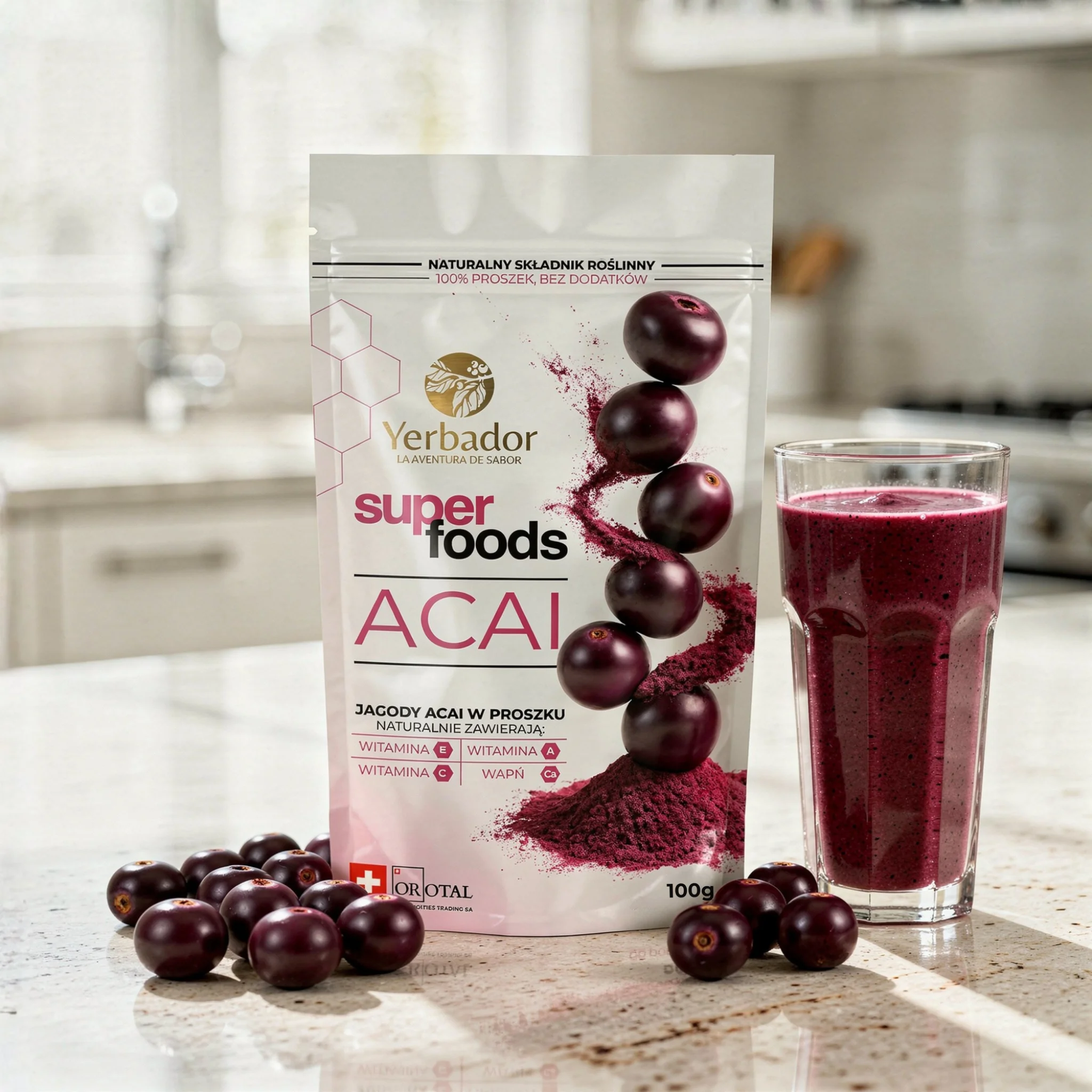
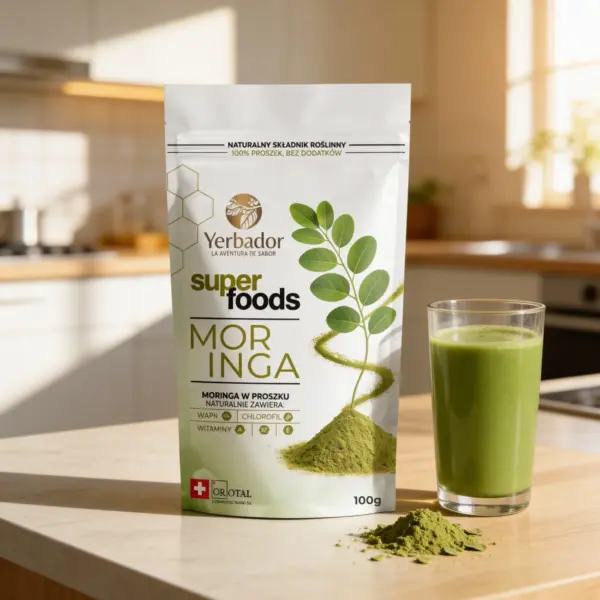
Moringa Powder – 100 g – Rich in Calcium and Vitamins A+E
An intensely green powder with a fresh, plant-like aroma. Calcium, vitamins A, E and B2 plus chlorophyll and fibre — for smoothies, porridge and shakes. 100 g gives you around 20–30 servings.
Check out the product: Moringa Powder – 100 g – Rich in Calcium and Vitamins A+E
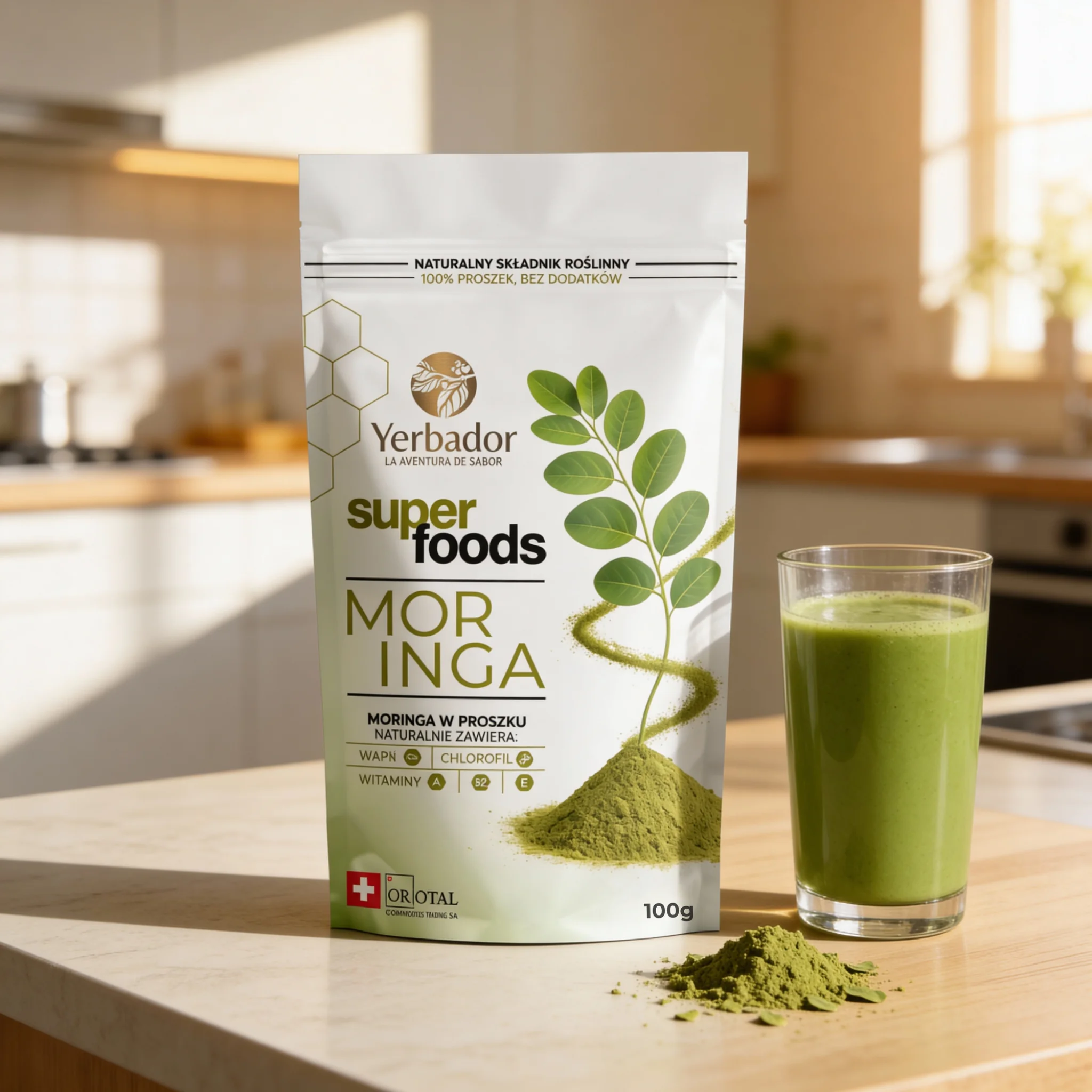
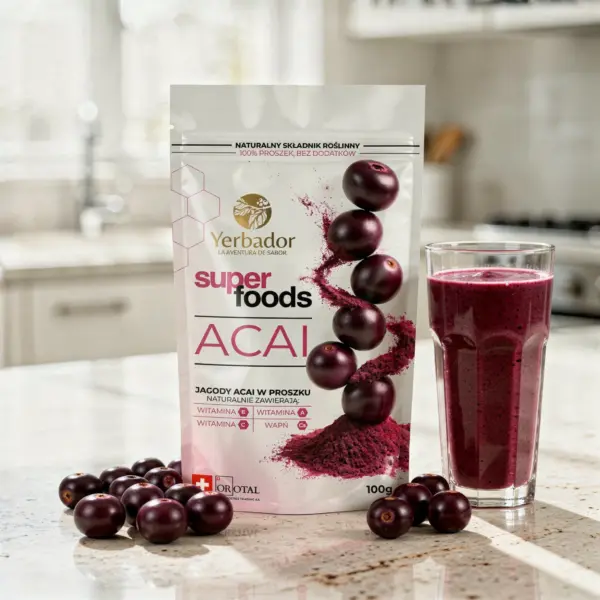
Acai Berry Powder – 100 g – Source of Vitamins A, C and E
The fruity side of superfoods: powdered acai berries from the Amazon, with vitamins A, C and E. A deep, berry flavour that turns plain yoghurt into a purple dessert. Available in 100 g.
Check out the product: Acai Berry Powder – 100 g – Source of Vitamins A, C and E
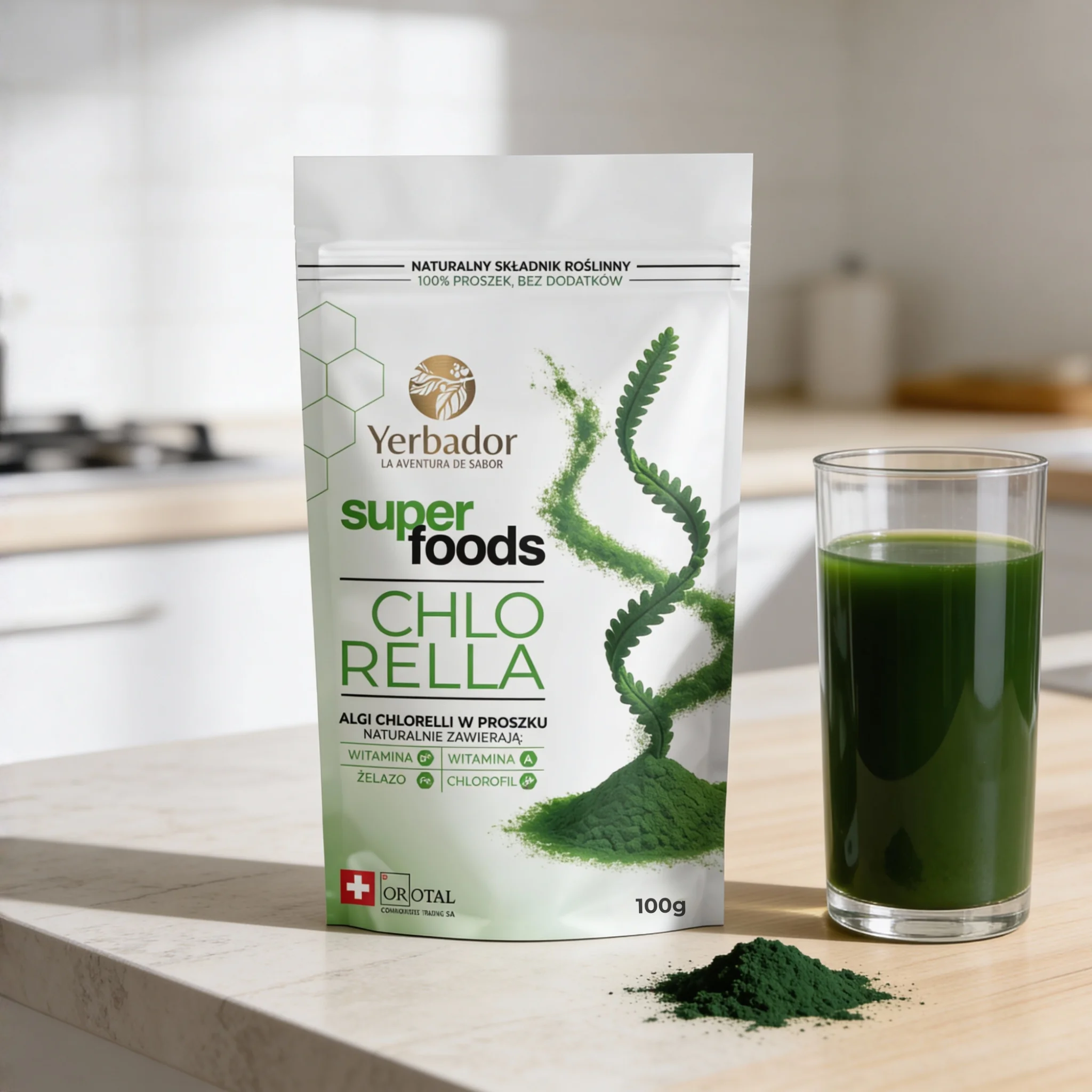
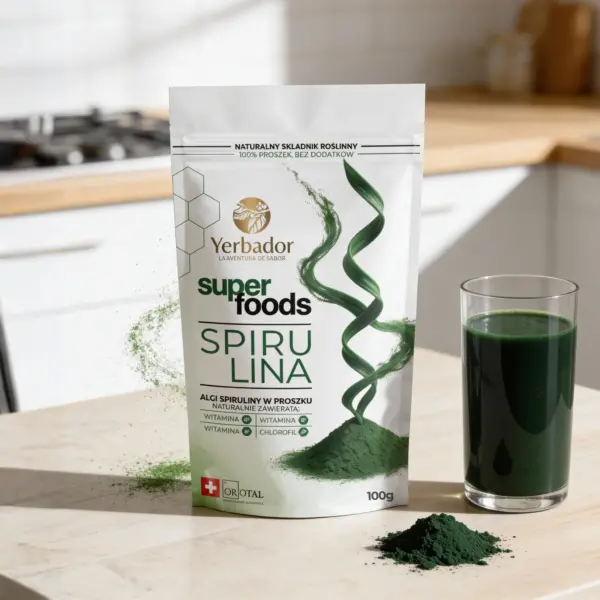
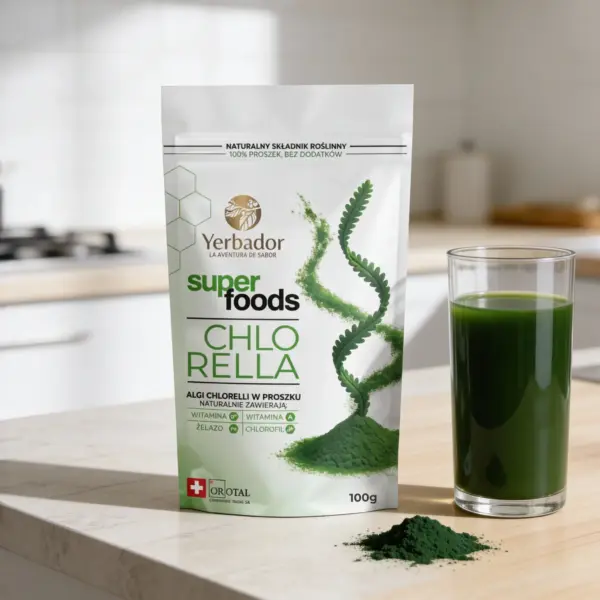
Chlorella Powder – 100 g – Source of Vitamin B12 and Iron
A freshwater algae with a record concentration of chlorophyll, with vitamin B12 and iron — a natural addition to a plant-based diet. Strong in character, it tastes best in savoury shakes. Available in 100 g.
Check out the product: Chlorella Powder – 100 g – Source of Vitamin B12 and Iron
Frequently asked questions about moringa
Does moringa contain caffeine?
No. Moringa is completely caffeine-free, so you can eat it at any time of day — even in the evening. If you’re looking for a natural boost, reach for yerba mate in the morning (60–120 mg of caffeine per vessel), and save moringa for the second part of the day.
How much moringa can you consume daily?
A reasonable standard is 1–2 level teaspoons per day (about 3–10 g), preferably with a meal. Start with a smaller amount — the body likes to be introduced to new things gradually.
What does moringa taste like and how can you mask its flavour?
Grassy, green, a bit like spinach. In a smoothie with banana or mango, the taste almost disappears; in porridge and yoghurt it’s slightly noticeable. The worst idea is dissolving it in plain water — it can be done, but it’s no pleasure at all.
Moringa or yerba mate — which to choose?
This isn’t an either-or choice. Yerba mate is an infusion and energy from caffeine, moringa is a food addition without caffeine, but with calcium and vitamins. Most of our customers end up with both in their cupboard — each playing a different role.
Does moringa help with weight loss?
Moringa alone doesn’t burn fat, and it’s not worth promising that. What genuinely helps with weight control is the fibre contained in the powder – it supports the feeling of fullness after a meal, so you’re less likely to reach for an extra snack. The effect is supportive, not miraculous, and works only alongside a sensible diet.
Can you drink moringa on an empty stomach?
You can, but it doesn’t suit everyone. Some people with a sensitive stomach feel mild discomfort after drinking the powder on an empty stomach, especially with a larger portion. A safer start is a teaspoon of moringa with a meal, for example in morning oatmeal or a banana smoothie – only once you know your body reacts well can you experiment with taking it on an empty stomach.
What are the contraindications for using moringa?
Moringa is well tolerated in reasonable doses, but as with any new element in your diet, common sense applies. Pregnant and breastfeeding women, people taking regular medication (especially for the thyroid, diabetes or high blood pressure) and people with kidney disease should consult a doctor before introducing moringa. Too large a portion at once – several tablespoons instead of a teaspoon – can burden the digestive system and result in diarrhoea, so stick to a dose of 3–10 g per day.
Moringa for businesses — cafés, catering, shops
Do you run a café, health food shop or breakfast bar? Green smoothies and bowls with moringa are items that look great on the menu and even better on your guests’ Instagram. We offer wholesale terms for the whole superfoods and yerba mate line — you’ll also find details in our wholesale guide.
Do you have questions about moringa or are you looking for ideas for your first order? Get in touch — we’ll advise you on where to start, so the green powder doesn’t end up like so many New Year’s resolutions: at the bottom of a cupboard.
Discover our TOP products!
Your dream figure
Discover new flavors
Yerba mate with tea
Accessories
Superfoods
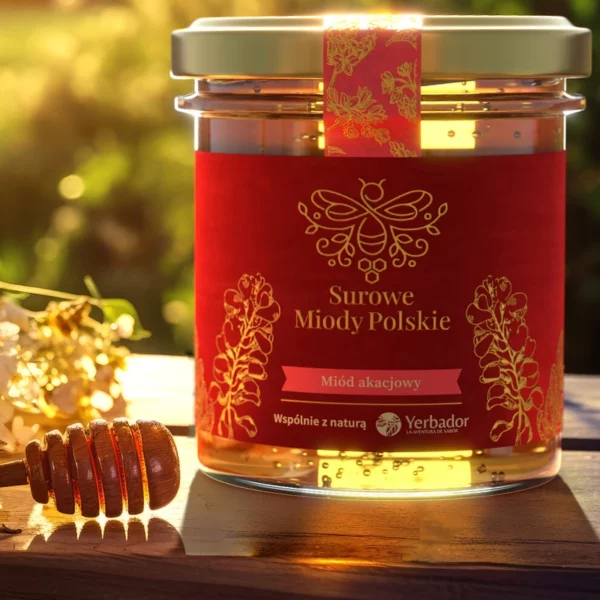
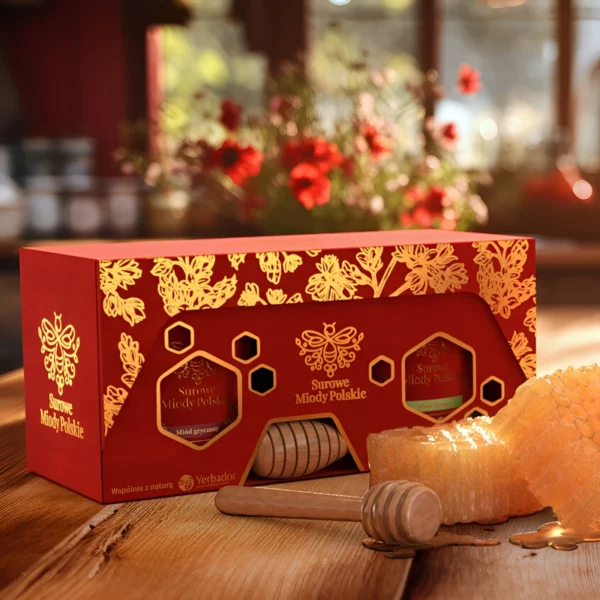
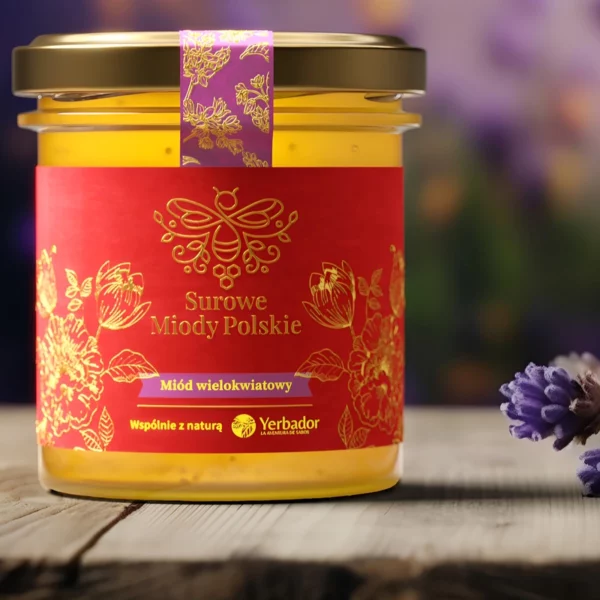
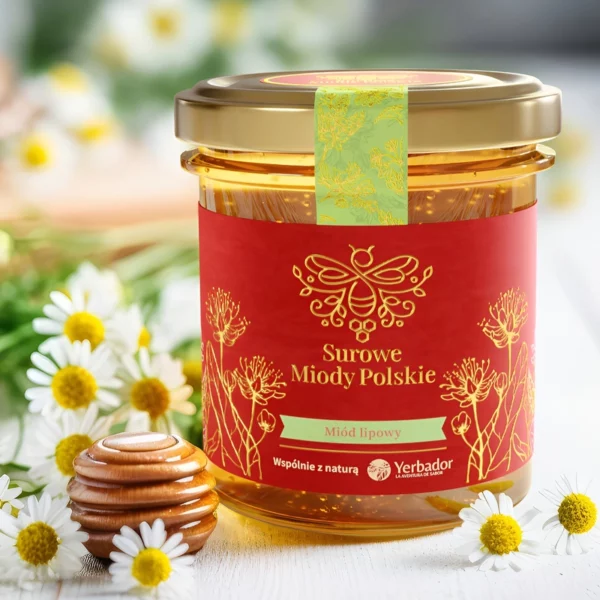
Certified raw honeys from Poland

Check the current price
free shipping
Up to 90 days
free returns
24 H
shipping