
Ashwagandha Powder – Properties, Dosage and How to Use It
2026-08-07
The name „ashwagandha” comes from Sanskrit and roughly translates to „smell of a horse” – in Ayurveda, this was meant to symbolise the strength and stamina that consuming the root of this plant was believed to provide. Today, ashwagandha powder usually ends up not with warriors, but in a glass of warm plant-based milk, sipped in the evening when the day has been long and the mind won’t switch off.
In this article, just the facts: what this plant is, what the root powder actually contains, how to dose it and who might want to avoid it. No promises of healing – this is a dietary supplement, not a medicine, and that’s how we write about it.
What is ashwagandha powder?
Ashwagandha (Withania somnifera) is a low, shrubby species from the nightshade family, found in India, parts of Africa and the Middle East. In Ayurvedic medicine, this plant’s root holds a position similar to ginseng in Chinese tradition, and is sometimes called the „Indian ginseng”, although botanically it belongs to a completely different plant family.
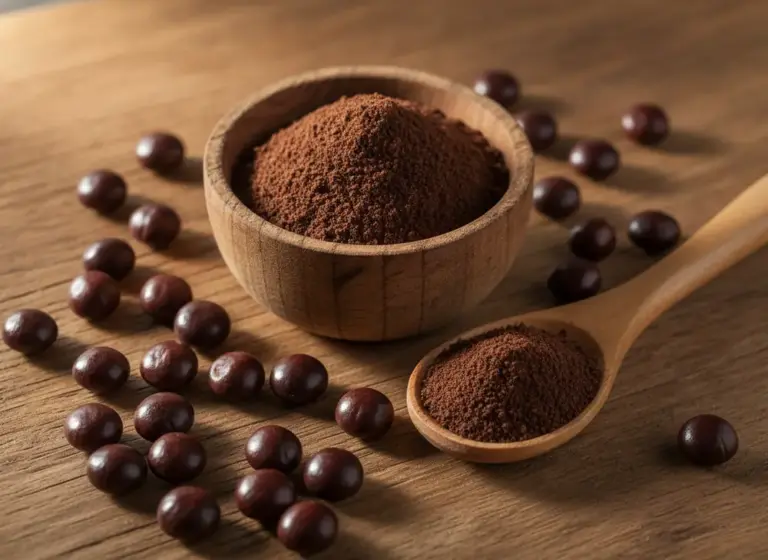
The powder that lands on the shop shelf is ground, dried root – nothing more. Yerbador sells it as 100% ashwagandha root, with no fillers, flavourings or added sugar. The colour is earthy, brownish-beige, the smell is spicy and the taste slightly bitter – that’s a natural feature of the plant, not a product defect.
How does ashwagandha work? Adaptogen, and what that actually means
Ashwagandha belongs to the group of so-called adaptogens, i.e. plants believed to help the body cope with strain, both physical and mental, without stimulating like caffeine and without inducing sleepiness like melatonin. This effect is mainly attributed to withanolides – compounds from the steroidal lactone group, found in the highest concentration in the root itself.
Recent years have brought several systematic reviews and meta-analyses of clinical studies on ashwagandha. The results, mostly in people with elevated stress levels, point to a reduction in cortisol levels (the stress hormone) after several weeks of supplementation with a standardised extract compared to placebo, as well as an improvement in subjectively assessed stress levels and sleep quality. This is still an area of active research – results vary between preparations, doses and methodologies, and long-term effects are not yet fully understood. That’s why, instead of promising a specific X percent drop in cortisol, we write honestly: this is support for the body, not a substitute for treating anxiety disorders or insomnia.
Properties of ashwagandha – what the support consists of
- Support for relaxation and natural calming down after an intense day.
- Helping you settle down before sleep – it works better as an evening ritual than as a morning energy boost.
- Natural support for the body during periods of tension and increased stress.
- A nutrient-dense source of fibre – the root is not just an aroma, it has a real composition (see below).
These are phrases from the world of dietary supplements, not medical diagnoses. Ashwagandha supports, helps, eases tension. It does not cure, does not remove the cause of stress, and does not replace a conversation with a specialist if sleep or tension issues last longer than a few weeks.
Nutritional values of ashwagandha powder (per 100 g)
Data from the Yerbador product label, calculated per 100 g of powder:
- Energy value: 1159 kJ / 276 kcal
- Fat: 0.30 g, of which saturates: 0.10 g
- Carbohydrates: 46.90 g, of which sugars: 10 g
- Fibre: 36 g
- Protein: 3.70 g
- Salt: 0.05 g
36 g of fibre per 100 g is quite a lot, though one serving (3 g) provides only a small amount in practice. The composition itself shows one thing: ashwagandha root is a dense plant raw material, not just a flavouring spice. Store in a dry, cool place, preferably in a closed container.
How to use ashwagandha powder – dosage
The manufacturer states on the label a serving of 3 g of powder per 200 ml of water, juice or yoghurt. In practice that’s about half to one teaspoon, depending on how loose the particular powder is.
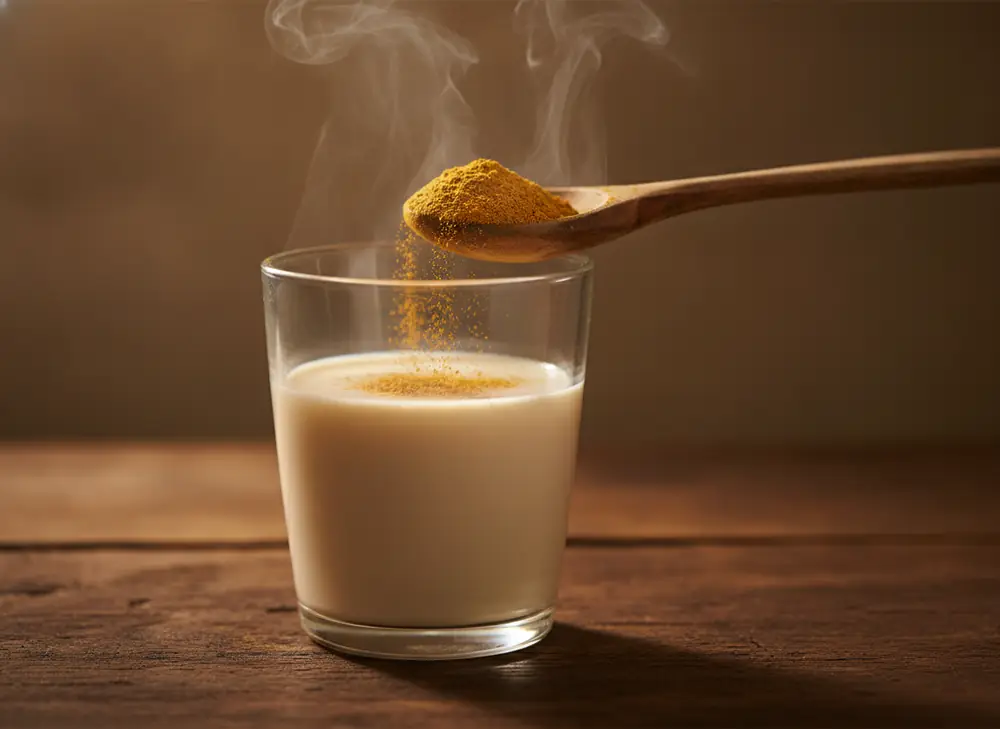
The simplest way to start: in the evening, an hour or two before bed, mix a serving into warm plant-based milk. Oat and almond milk pair well with the earthy taste of the root. The powder also works well in yoghurt, added to breakfast porridge, sprinkled into muesli or into a smoothie – if someone cares more about support during the day than an evening ritual.
The taste is distinct and earthy, with a slightly bitter note in the background. Combining it with cinnamon, honey or banana helps if the raw root is too intense for a first try. A good rule: start with a smaller portion than the one on the label, check how your body reacts, and only then move on to a full teaspoon.
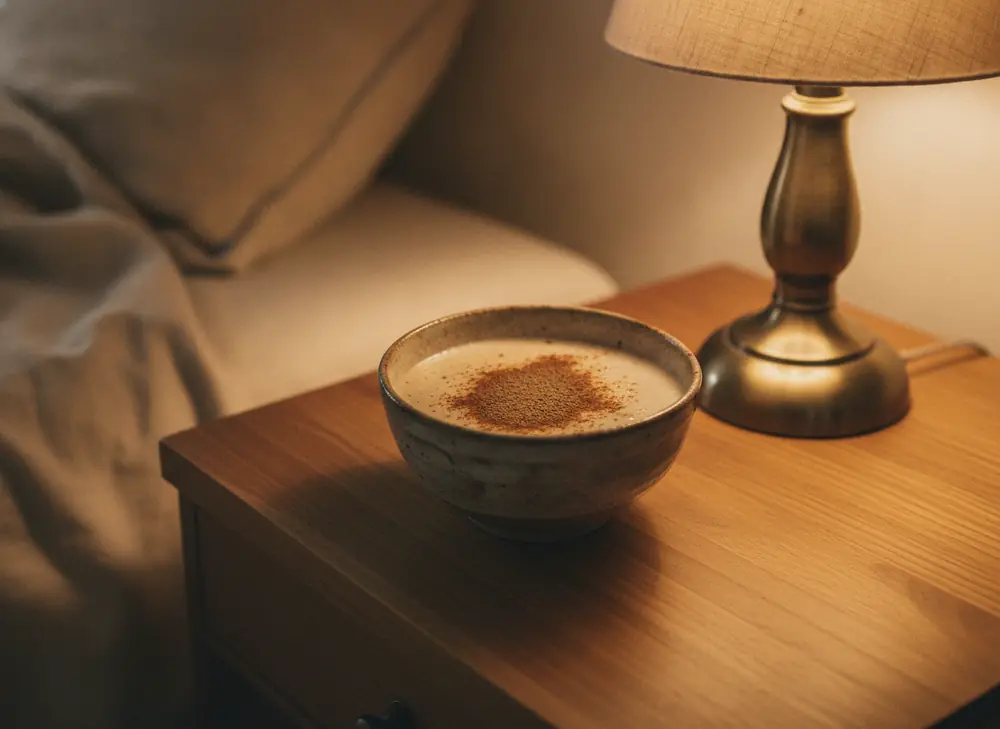
One simple evening recipe: half a glass of warm oat milk, 2–3 g of ashwagandha, a pinch of cinnamon and a teaspoon of honey. Mix until the powder dissolves (a bit of residue will remain at the bottom – that’s normal for whole-root powder, not an extract). Drink it in small sips, ideally without a phone in your other hand.
Ashwagandha Powder – who should avoid it
Ashwagandha is a dietary supplement, not a medicine, and it’s not for everyone. Here are a few situations where it’s better to ask a doctor first, before reaching for a teaspoon:
- Pregnancy and breastfeeding – there isn’t enough safety data, so it’s generally not recommended during these periods.
- Thyroid conditions – ashwagandha can affect thyroid hormone levels, which matters especially with hyperthyroidism or when taking thyroid medication regularly. This is one of the better-documented, real interactions of this plant, not a forum rumour.
- Regular medication use – especially sedatives, sleeping pills, diabetes medication or immunosuppressants. A plant adaptogen can overlap with the effects of medication.
- Children – this is a supplement designed for adults, with no established dosage for the youngest.
If none of these situations apply, plain common sense still applies. It’s worth introducing a new supplement one at a time, so you know exactly what worked and what didn’t.
Yerbador Ashwagandha Powder
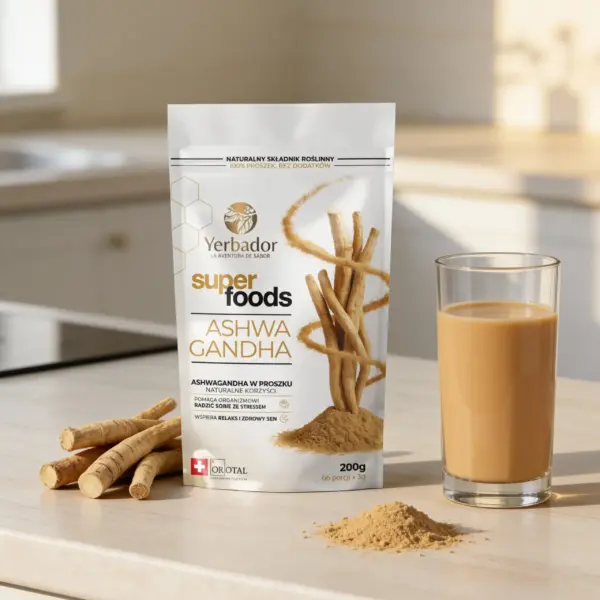
Yerbador offers Ashwagandha Powder 100 g – 100% root, no additives, in a format that simply lets you try it before committing to an evening ritual for longer. The shop also has a 200 g version for people who already know the root will stay in their kitchen cupboard for a while – check the current price of this version directly on the product page.
If you’re looking for other plant-based support for a calm evening or energy throughout the day, check out Baobab Powder (vitamin C, fibre, a refreshing taste) or, on the other end, Guarana Powder, if you need to wake up rather than calm down.
FAQ – frequently asked questions
How much ashwagandha powder per day?
The Yerbador product label indicates a portion of 3 g per 200 ml of liquid. This is a reference point, not a strict rule – when trying the powder for the first time, it’s better to start with a smaller amount and observe how your body reacts.
When is the best time to take ashwagandha – morning or evening?
It depends on your goal. If it’s about supporting relaxation before sleep, the natural time is evening, an hour or two before bed. Some people also take the powder during the day, in periods of higher tension – it’s a matter of observing your own reaction, not one universal rule.
Does ashwagandha have side effects?
As with any supplement, some people may experience stomach discomfort, especially with larger portions on an empty stomach. People with thyroid conditions, who are pregnant, breastfeeding or taking regular medication should ask a doctor first before starting supplementation.
Does ashwagandha powder have a taste?
Yes, and quite a distinct one. The root has an earthy aroma, and you can notice a slight bitterness in the flavour. It’s best masked by combining it with cinnamon, honey, banana, or a plant-based milk with a strong flavour of its own, such as oat milk.
What’s the difference between ashwagandha and melatonin?
Melatonin is a hormone that regulates the circadian rhythm – it acts narrowly and directly on falling asleep. Ashwagandha is a plant adaptogen – its effect is broader and slower, it’s support for a body burdened by stress, not a direct switch-off before sleep. The two are sometimes combined, but the mechanism of action is different.
Can ashwagandha be taken on the same day as yerba mate?
In theory, yes, although these are two products with opposite purposes – yerba mate contains natural caffeine and works well in the morning or midday, while ashwagandha makes more sense in the evening, as a way to unwind. A reasonable gap between them is usually a few hours, so that one doesn’t „drag out” the other. People sensitive to caffeine and adaptogens should watch their own reaction rather than follow someone else’s routine.
If your recent evenings have been more „on the run” than they should be, ashwagandha root powder is one of the simplest ways to change that. A spoonful in warm plant-based milk, a moment of peace, and the day actually ends instead of just fading into night. Check out Yerbador ashwagandha powder and see if the evening ritual sticks.
Discover our TOP products!


Your dream figure




Discover new flavors





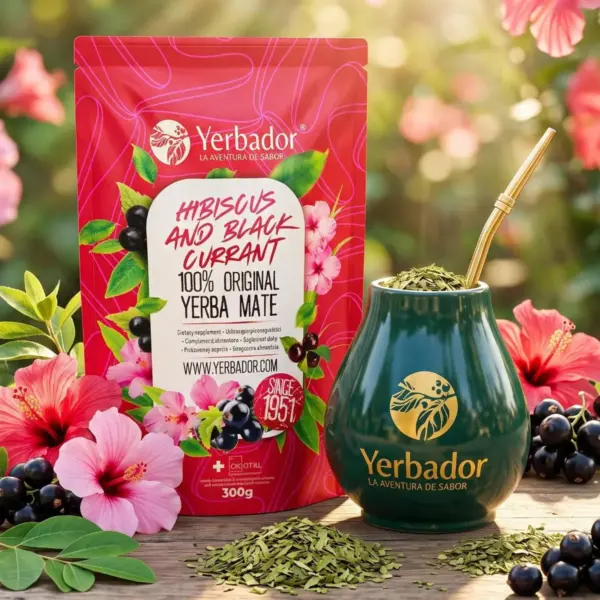
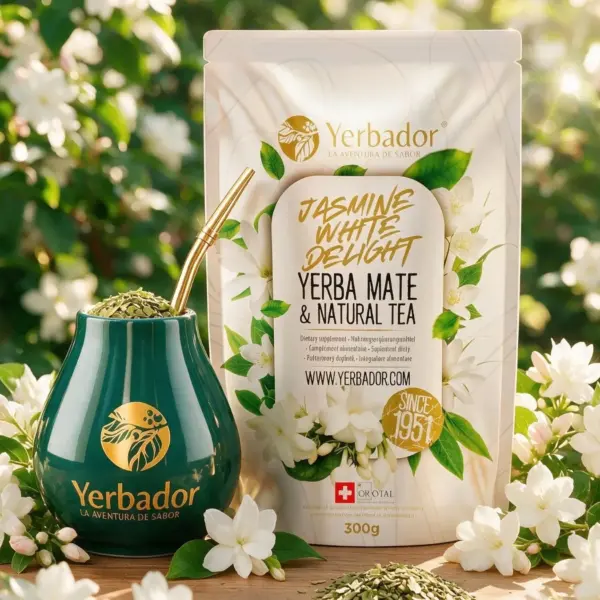
Yerba mate with tea



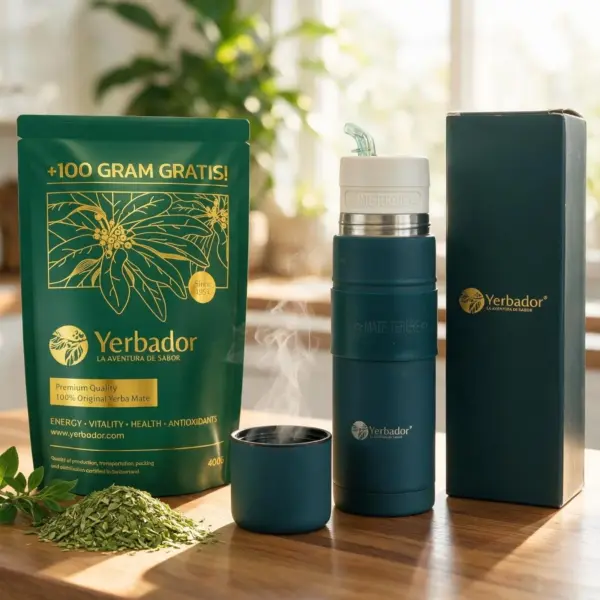
Accessories




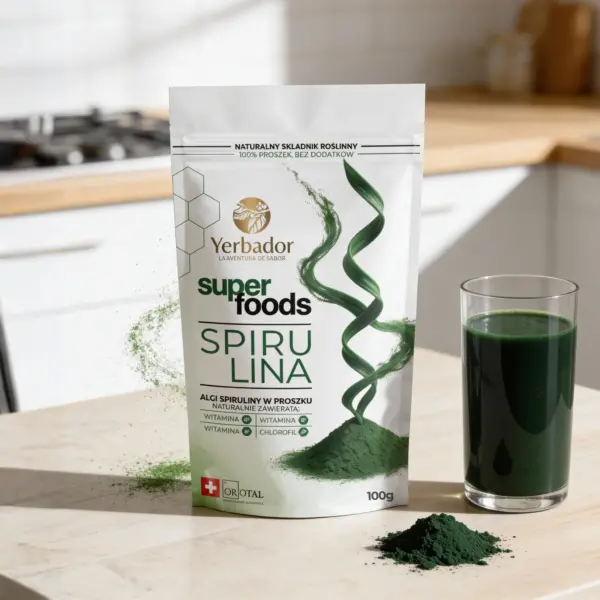
Superfoods





Certified raw honeys from Poland


Check the current price
free shipping
Up to 90 days
free returns
24 H
shipping