
Dried Apricots – Properties, Potassium and Iron
2026-09-14
Dried apricots have one telltale feature that instantly reveals whether a producer is hiding something from customers. A dark brown shade instead of the bright orange you see on store shelves is a sign of produce without sulphur dioxide. In this article, we check how much potassium and iron dried apricots really contain, why ours are brown instead of orange, and how many servings a day make sense so they stay a snack rather than a source of unnecessary sugar.
Where do dried apricots come from
The common apricot (Prunus armeniaca) originates from Central Asia, though today it’s mostly associated with the Mediterranean basin. The fresh fruit is delicate and spoils within a few days of picking, which is why a large share of the world’s harvest goes straight to drying. The largest exporter of dried apricots is Turkey, specifically the Malatya region, where the climate allows the fruit to be sun-dried for most of the season. You can find more about the plant itself on Wikipedia.
Drying evaporates the water from the fruit and concentrates everything else: sugar, minerals, fibre. From a kilogram of fresh apricots, you usually end up with less than 200 grams of dried fruit. That’s why dried apricots taste much more intense than fresh ones, and why a handful is enough to feel the difference in sugar content.
How much potassium do dried apricots have
This is the question people ask most often. Food composition tables list roughly 1150 to 1200 mg of potassium per 100 g of dried apricots, with sulphured versions sometimes even higher. For comparison, the banana, the symbol of potassium in Polish cuisine, has around 360 mg per 100 g. That’s more than a threefold difference.
Except 100 g of dried apricots isn’t really a realistic serving, it’s half the bag. A handful, so around 30 to 40 g, gives you somewhere around 350 to 450 mg of potassium, roughly the same as a decent banana, in a form that doesn’t take up space in your backpack and won’t get crushed on the way to work. Potassium contributes to normal muscle function, including heart function, and to the maintenance of normal blood pressure, in line with the EFSA-approved health claims for this nutrient.
Iron in apricots and how to improve its absorption
Dried apricots contain about 2.7 mg of iron per 100 g, so a typical handful gives around 1 mg. This is non-heme, plant-based iron, which the body absorbs less efficiently than iron from meat. You can help this along: vitamin C eaten in the same meal noticeably improves absorption, so apricots with kiwi, bell pepper, or a glass of orange juice will work better than apricots alone. Tannins from strong tea or coffee drunk with the same meal work the opposite way, so it’s better to space them out.
This is not a treatment for anaemia and doesn’t replace proper diagnostics. If you suspect an iron deficiency, the basics are a blood count and ferritin test, and interpreting the results is a job for your doctor.
Sulphured or unsulphured, or why our apricots are brown
Dried apricots in shops usually come in two completely different colours: bright, almost neon orange, or dark, matte brown. The difference doesn’t come from the quality of the fruit, but from sulphur dioxide.
Sulphuring is a preservation treatment. The fruit is fumigated with sulphur dioxide, labelled as E220, which blocks the enzymes responsible for natural browning and protects against mould. The effect: the apricot stays orange for a year and looks tempting on the shelf. The cost: sulphites in the ingredients, intolerance reactions in some people, and a risk of airway irritation in asthmatics. That’s why sulphites are one of the mandatory allergens on labels across the EU.
Our Dried Apricots are not sulphured. The fruit naturally darkens during drying and storage, simply due to the oxidation of the sugars and polyphenols in the flesh. It looks different from what shoppers have been used to seeing in adverts, tastes more intense, and has a shorter shelf life than the sulphured version. We choose this path deliberately and say so openly, so no one mistakes the dark colour for lower quality fruit.
How many dried apricots can you eat per day
Drying doesn’t add calories, but it removes water, so the same calories fit into a much smaller volume. A realistic serving is 4 to 6 halves, so around 30 g, ideally as an addition to a meal rather than a standalone snack eaten by the handful in front of the TV. The fibre in apricots slows down sugar absorption, but even a few handfuls a day still add up to a decent energy boost that needs to be factored into your daily calorie balance.
If you combine apricots with other dried fruits, for example Thompson Raisins, it’s worth keeping an eye on your total daily intake rather than counting each product separately. A full comparison of apricots with the rest of the dried fruits in our range, together with raisins, mango and goji berries, can be found in a separate roundup of sugar-free dried fruits.
Who dried apricots might not be the best choice for
Given this amount of potassium per serving, dried apricots call for caution in people with kidney disease and those taking medications that affect potassium balance, including some blood pressure or heart failure medications. In these cases, this isn’t a snack to eat without limits, and the right amount is best worked out with your doctor.
People with diabetes or insulin resistance should treat dried apricots like any other concentrated fruit, meaning they count towards the daily carbohydrate allowance rather than being neutral for blood sugar. A sensitivity to sulphites doesn’t apply to our product, since it’s unsulphured, but it’s worth checking the label with other brands.
How to eat apricots every day
The simplest use is with porridge or yoghurt for breakfast, cut into smaller pieces so the sweetness spreads evenly. They also work well in baking, as a substitute for some of the sugar in cakes or homemade cereal bars, and in savoury dishes: traditionally in Middle Eastern cuisine they’re paired with couscous, lamb or rice.
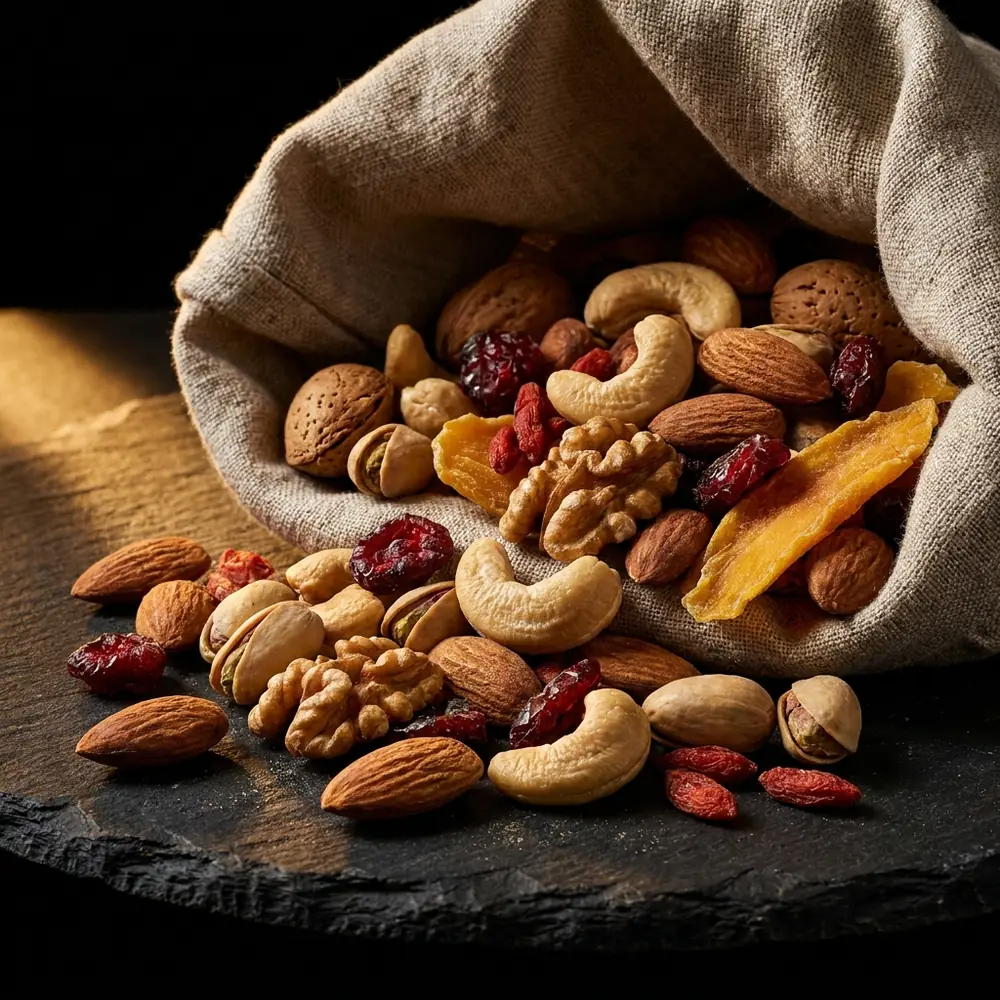
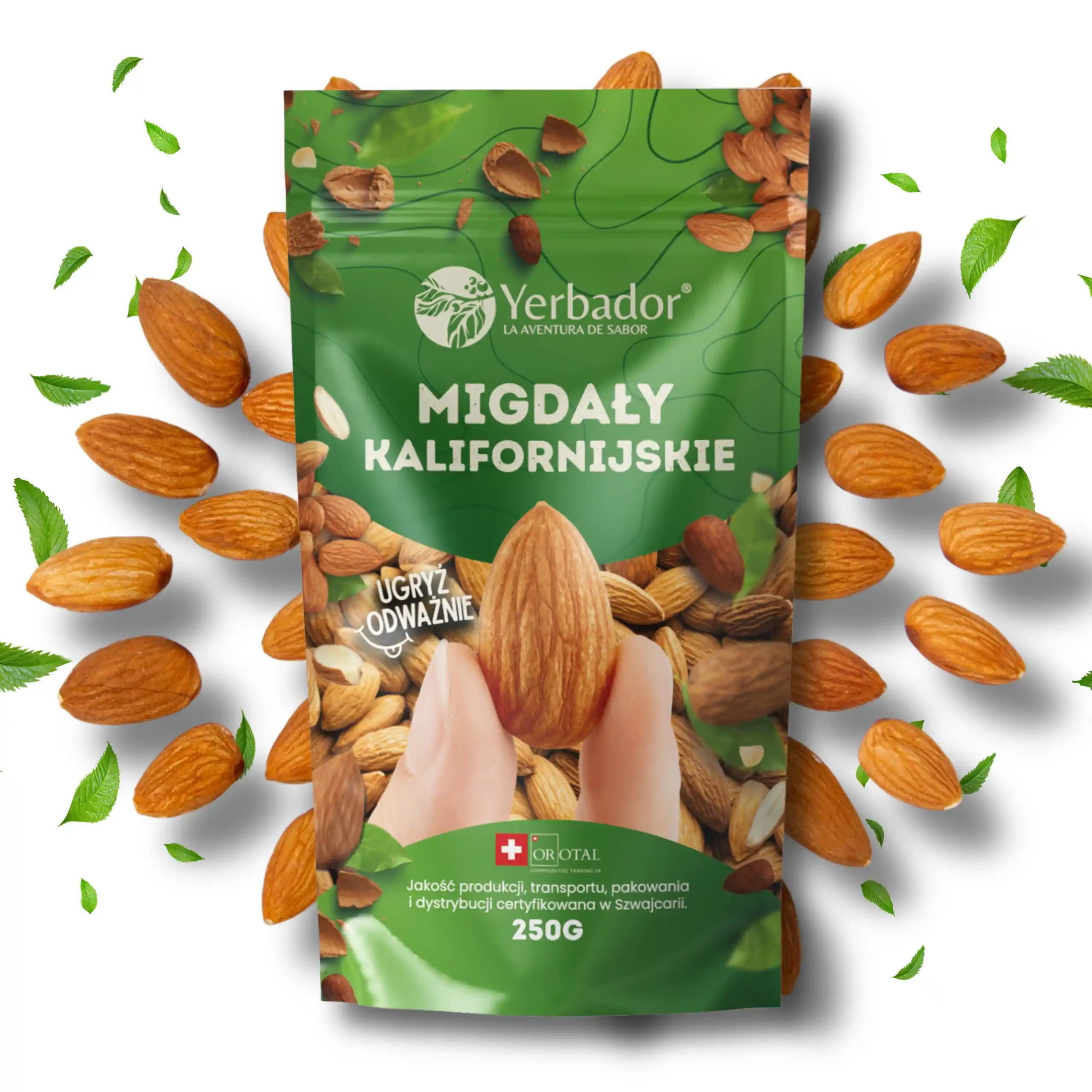
They also pair nicely with nuts. In our range, the ones most often added to such a mix are Californian almonds, with their slightly milder, richer flavour, along with the rest of our nut selection, whose full nutritional comparison we’ve gathered in the table of pecan, macadamia, pistachio, almond and cashew nuts.
How to store dried apricots
Without sulphur dioxide as a preservative, the dried fruit is a bit more demanding to store, though it’s still a product with a shelf life of many weeks, not something that spoils overnight. It’s best kept in a tightly sealed jar or zip-lock bag, in a dry and dark place, away from radiators or a sunny windowsill. Moisture is the main enemy here, since without a preservative the fruit is more prone to mould if water vapour gets into the packaging.
Once the packaging is opened, it’s best to eat the contents within a few weeks. If the dried fruit becomes noticeably harder or starts to smell different than at first, it’s better not to eat it, regardless of how much is left in the bag.
Proven products to pair with apricots
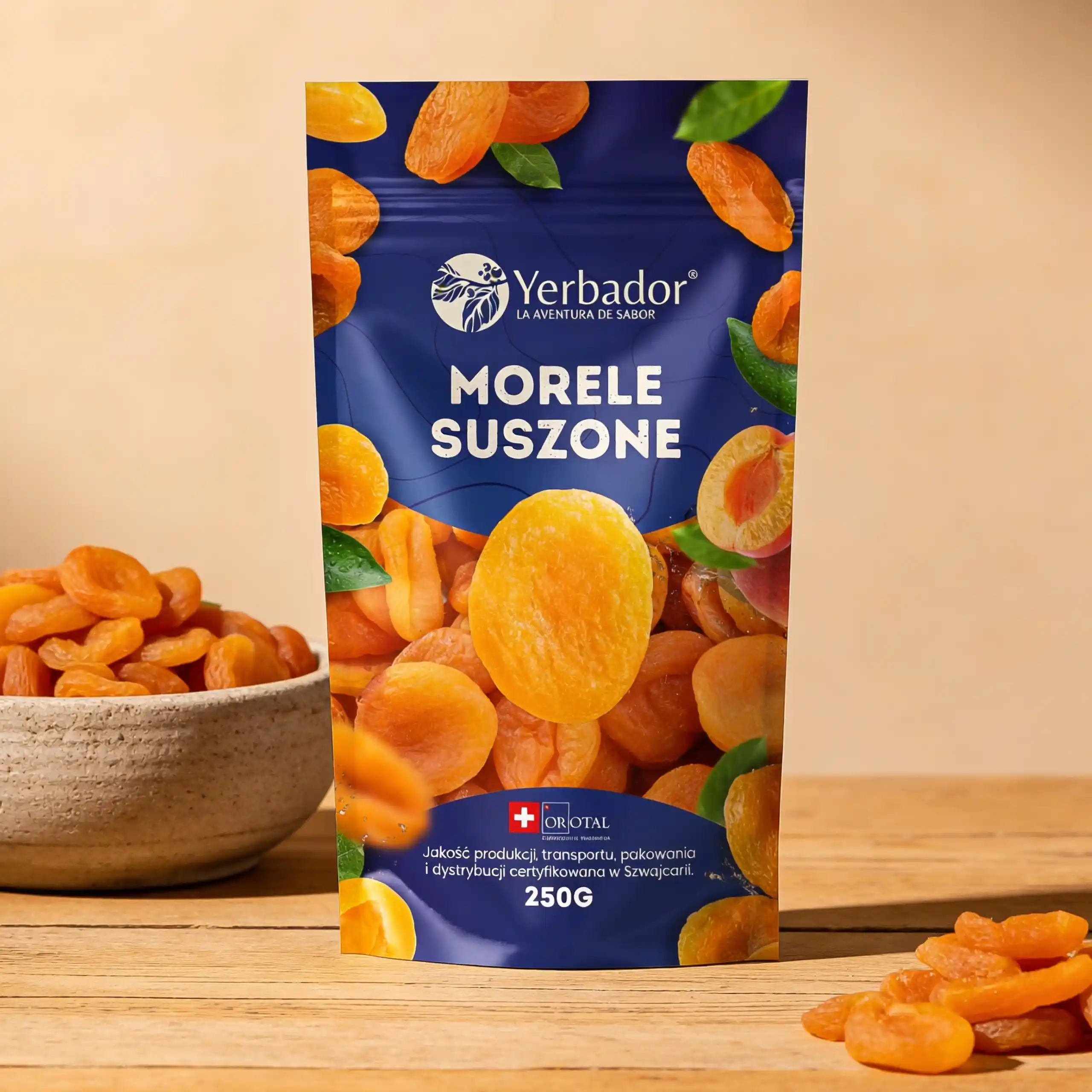
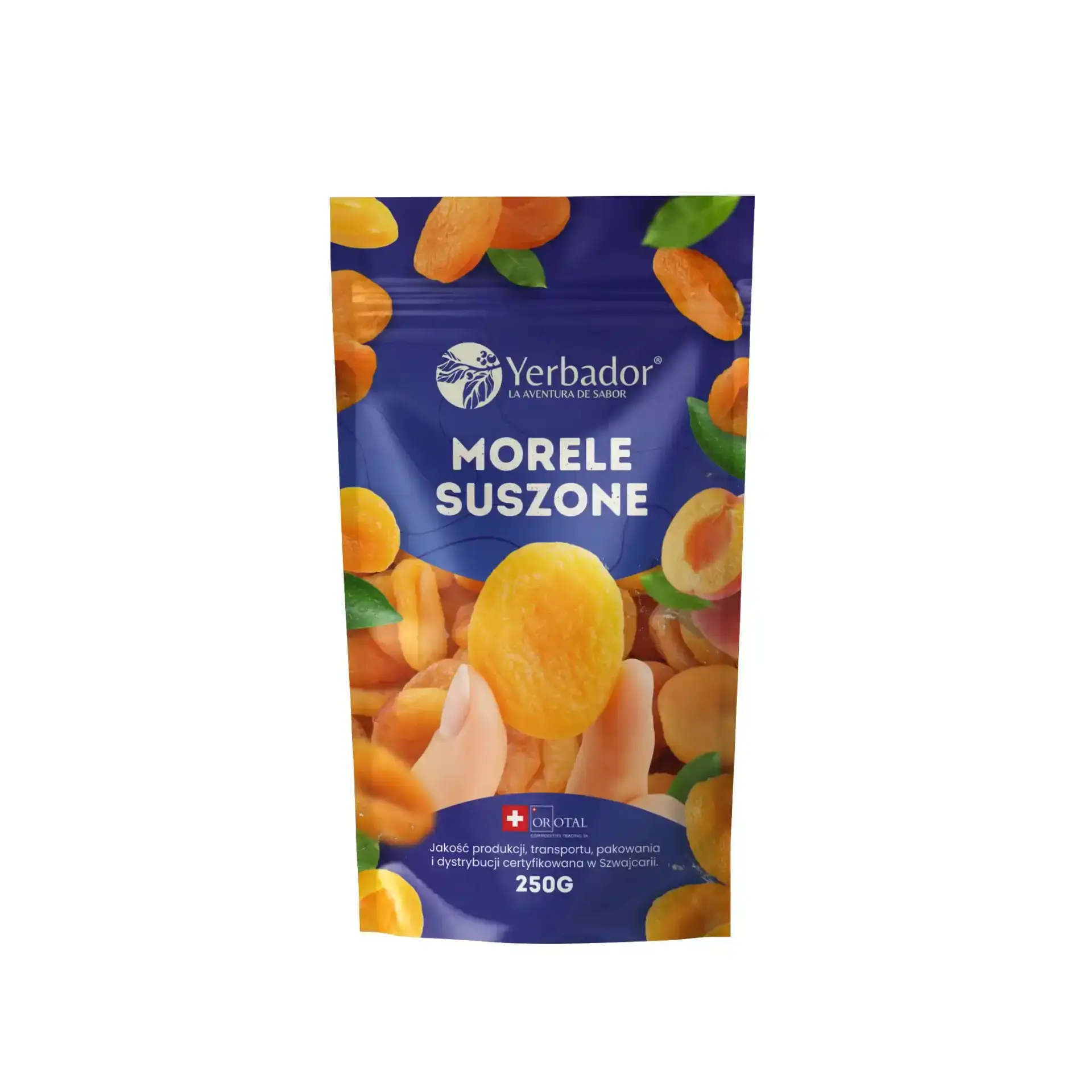
Our Dried Apricots come in a 250 g pack at an attractive current price, with the ingredients limited to 100 percent dried fruit, with no added sugar and no sulphuring.
Check out the product: Dried Apricots 250 g – The Power of Potassium and Iron
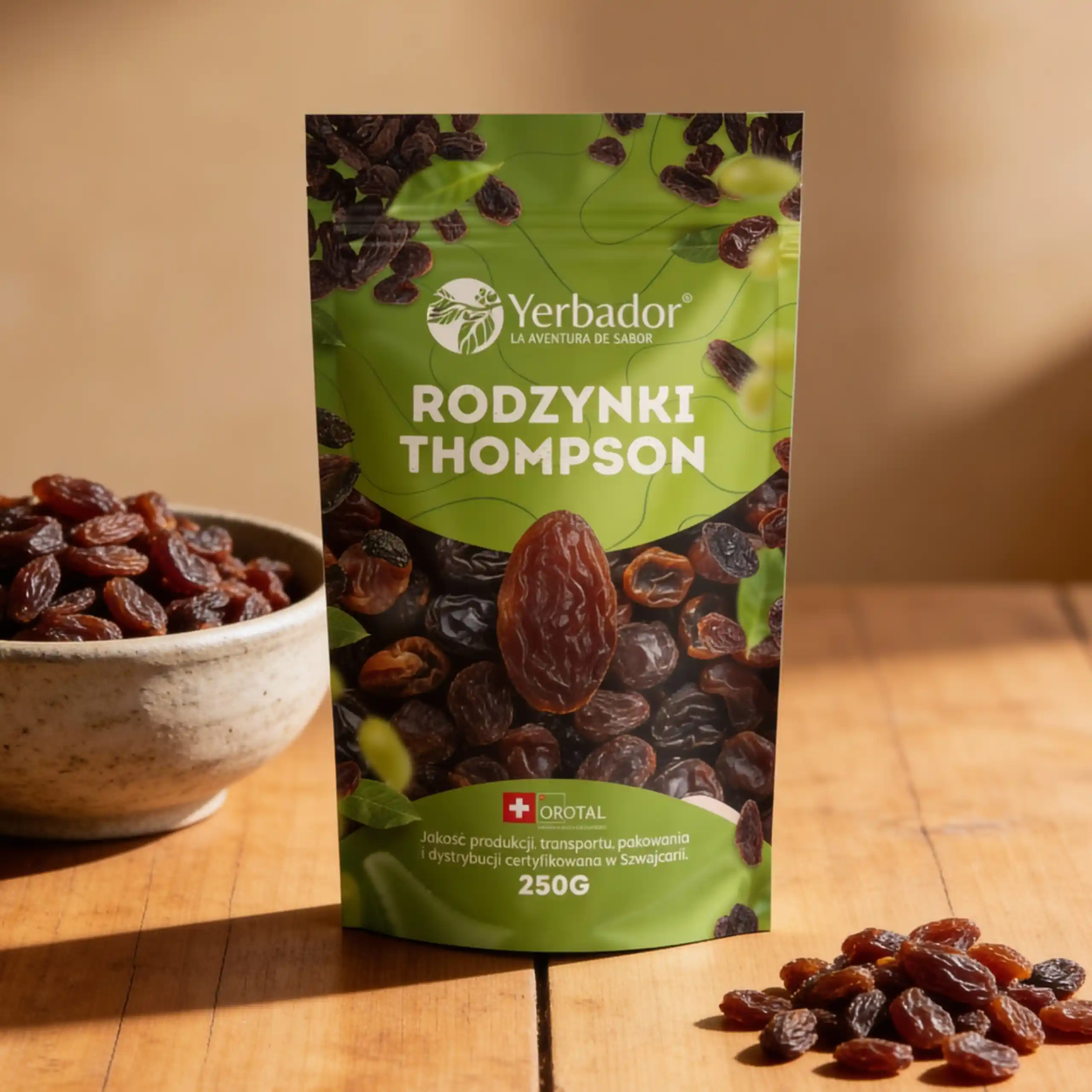
Thompson Raisins in a 200 g pack also work well in a breakfast mix – sweeter and without the distinct acidity of apricots.
Check out the product: Thompson Raisins – 200 g – Natural Fuel for Brain and Energy
If you prefer a snack that is less sweet and more filling, Californian Almonds in a 250 g pack are a good choice, with a solid dose of magnesium and vitamin E.
Check out the product: Blanched Californian Almonds – 250 g – Source of Magnesium and Vitamin E
Frequently asked questions about dried apricots
How much potassium do dried apricots have in one serving?
A handful, meaning 30 to 40 g, is about 350 to 450 mg of potassium, depending on the batch of fruit. That’s similar to a large banana.
Are unsulphured apricots of lower quality than the orange ones?
No, it’s the opposite. The dark, brown colour means there’s no sulphur dioxide used as a preservative. A bright orange colour is usually a sign that the fruit was sulphured.
How many dried apricots can you eat per day?
A realistic portion is 4 to 6 halves, or about 30 g, best eaten as an addition to a meal rather than as a standalone snack eaten without limits.
Are dried apricots a good source of iron?
They contain iron, about 2.7 mg per 100 g, but it’s plant-based iron, which is less easily absorbed than iron from meat. Vitamin C eaten at the same time improves absorption.
Can people with diabetes eat dried apricots?
They can, but in a reasonable portion and once counted into the daily carbohydrate allowance, since it’s a concentrated source of fruit sugar. It’s worth confirming this individually with a doctor or dietitian.
Discover our TOP products!

Your dream figure


Discover new flavors



Yerba mate with tea




Accessories





Superfoods




Certified raw honeys from Poland





Check the current price
free shipping
Up to 90 days
free returns
24 H
shipping