
Myths and Facts About Yerba Mate – Checking 8 Popular Beliefs
2026-08-03
More legends have sprung up around yerba mate than around most other drinks. Some claim it hits like a double espresso, others say it melts fat effortlessly, and some warn it’s harmful. Myths about yerba mate thrive mainly because so few people check them against the source. We do this every day: we import the leaf from Brazil, send it to independent labs for testing, and answer hundreds of customer questions. We’ve gathered the eight beliefs we hear most often — and we’re examining them one by one.
Some will turn out false, some surprisingly true. And in a few cases, the truth lies right in the middle.
Myth 1: “Yerba mate is a type of tea”
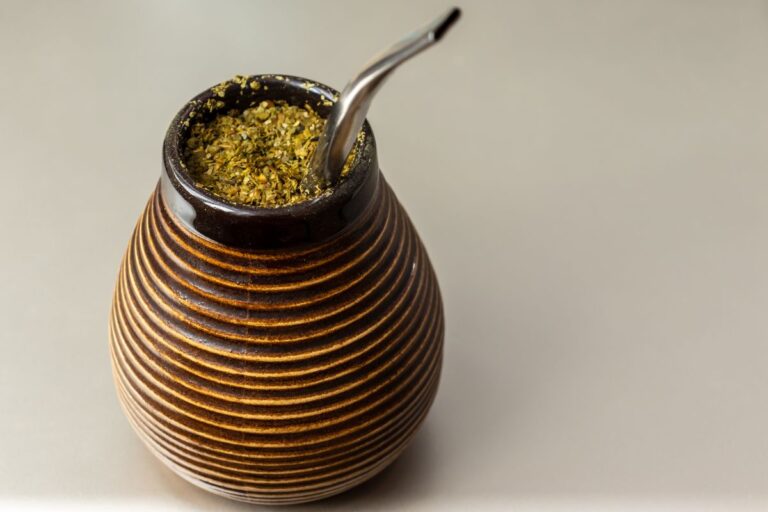
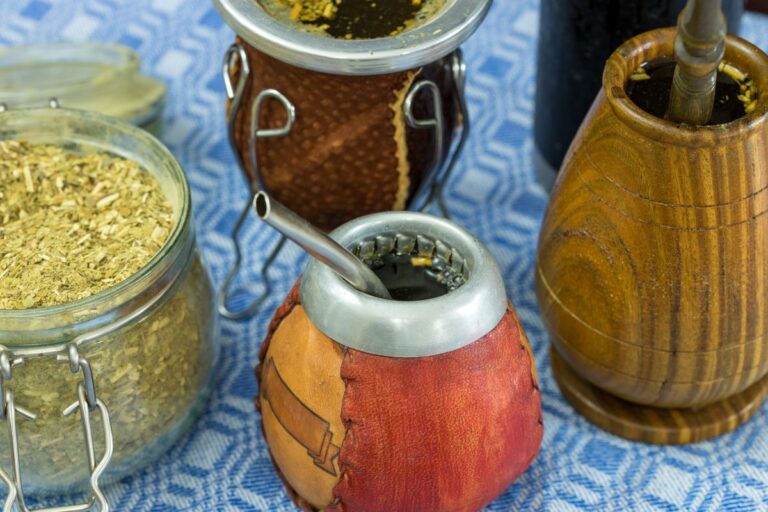
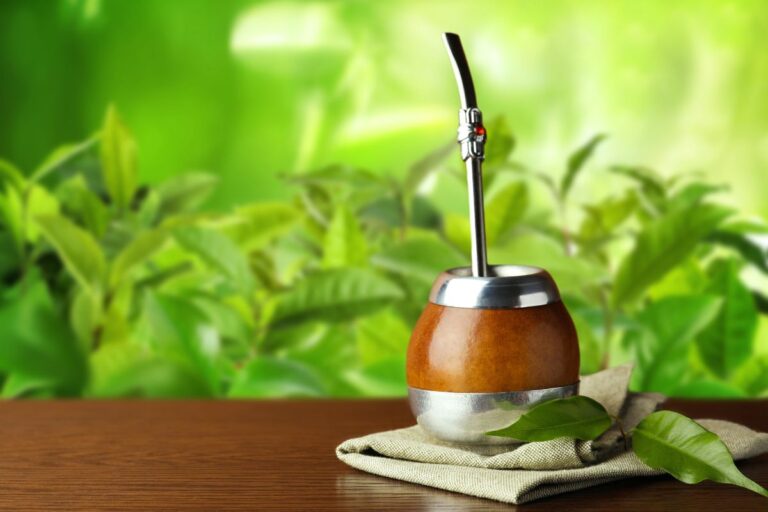
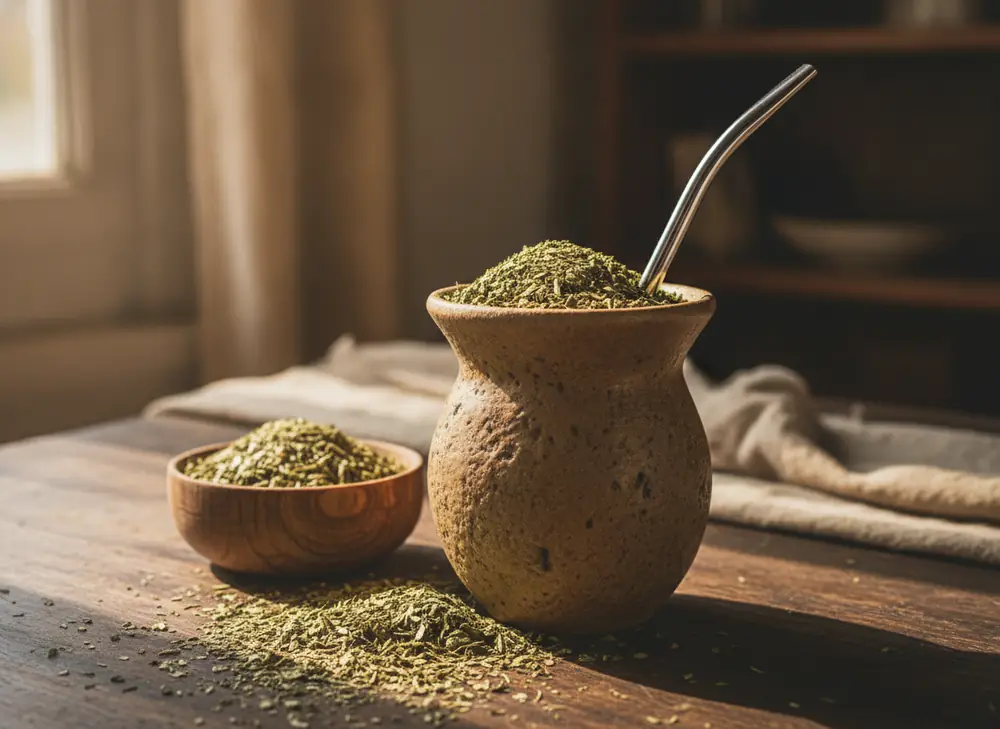
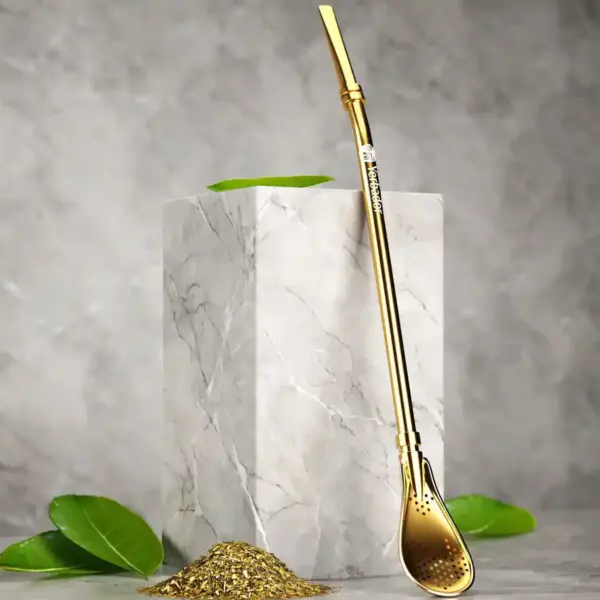
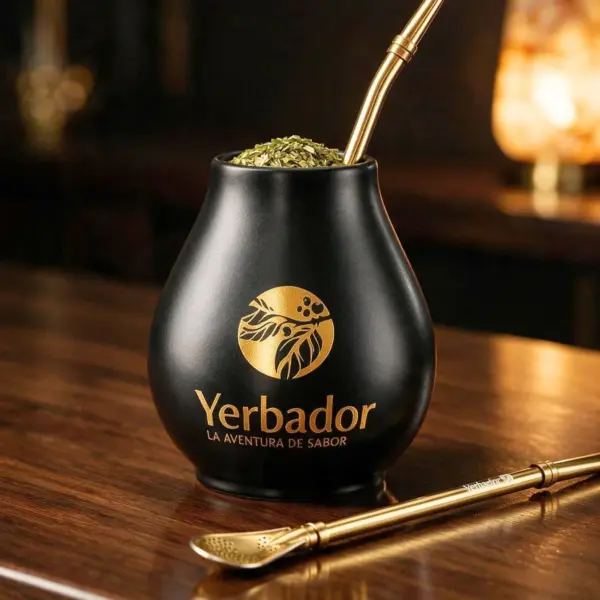
Verdict: false. Yerba mate is made from the leaves and small twigs of the yerba mate holly (Ilex paraguariensis) — an evergreen tree from South America. Tea is a completely different plant: Camellia sinensis. They differ in taste, composition and brewing method. “Yerba mate tea” is a convenient shorthand that’s caught on in stores, but botanically it has nothing to do with the truth. It’s also drunk differently — traditionally from a vessel called a matero, through a metal straw with a filter, known as a bombilla.
Myth 2: “It works like strong coffee — first it kicks in, then it crashes”
Verdict: false. Yerba mate does contain caffeine, of course. But alongside it work theobromine and theophylline — xanthines also found in cocoa. In practice, this means energy spread out over time instead of one sharp spike followed by an equally sharp crash. Many people describe it as “clean” focus: the mind works, the hands don’t shake. If you’re curious how yerba mate compares numerically to coffee, tea and energy drinks, we’ve broken it down in a separate article: how much caffeine popular drinks contain.
Myth 3: “Yerba mate melts fat all on its own”
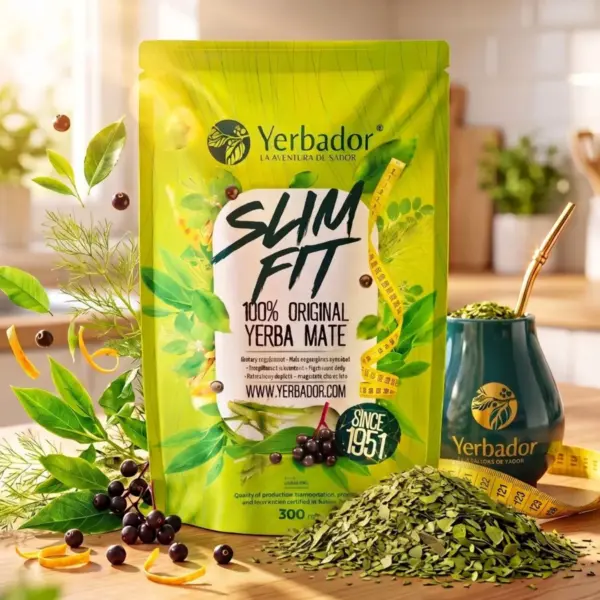
Verdict: half true. We need to be honest here, because the internet loves to exaggerate in both directions. Dr Justyna Jessa, clinical dietitian and author of scientific publications, points to three real mechanisms: yerba supports the regulation of leptin and ghrelin (satiety and hunger hormones), partially inhibits pancreatic lipase, the enzyme responsible for digesting fats, and the xanthines it contains boost thermogenesis. That’s real support — but support, not magic. Without a calorie deficit, drinking the infusion alone won’t melt the kilograms away. You’ll find a step-by-step guide to sensibly combining yerba with weight loss in our complete guide to yerba mate for weight loss.
Myth 4: “Yerba mate is carcinogenic”
Verdict: it’s not that simple — and it’s worth understanding why. This myth has two sources. The first: studies from South America that analysed drinking very hot beverages, above 65°C. In Uruguay or Argentina, mate is drunk nearly boiling, by the litre, all day long — and it was the temperature of the drink, not the plant itself, that was the subject of the classification. The same note applies to any very hot tea or coffee. The practical conclusion is simple: brew yerba with water at 70–80°C (boiling water ruins its flavour anyway) and drink it warm, not scalding.
The second source is the quality of the dried leaves. Leaves smoke-dried under uncontrolled conditions can contain PAH compounds. That’s exactly why we don’t just take anyone’s word for it — we test: our dried leaves undergo analysis at GBA Polska (heavy metals, pesticides, PAHs), the Institute of Natural Fibres and Medicinal Plants (authenticity, chromatography), and J.S. Hamilton (compliance with the standard). On top of that, we have HACCP, KIWA certification, Swiss OROTAL certification, and a Quality Certificate from the National Medicines Institute. By choosing verified dried leaves and a sensible temperature, you can drink with peace of mind.
Myth 5: “The more bitter, the stronger”
Verdict: false. Bitterness comes mainly from tannins, the way the leaf is dried, and the proportion of stems in the blend — not from caffeine. A mild-tasting yerba can have just as much caffeine as one that makes half the office wince. Bitterness is also amplified by a brewing mistake: water that’s too hot draws out more tannins from the leaf. If your yerba is unbearably bitter, check the thermometer first, not the label.
Myth 6: “Yerba is only drunk hot”
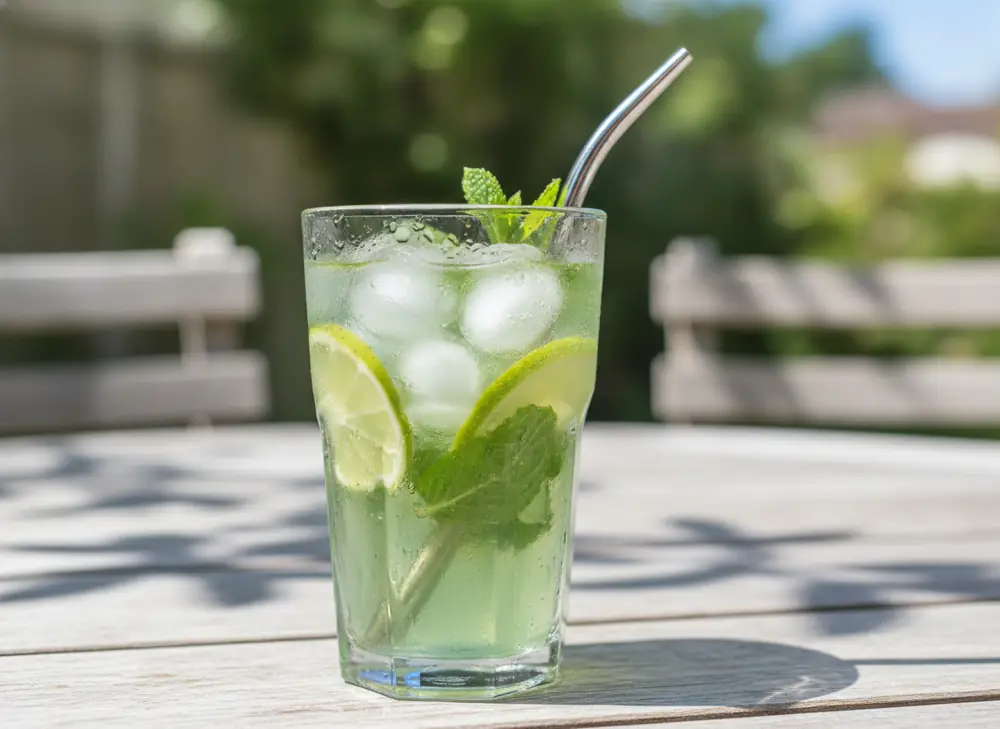
Verdict: false. Paraguayans have been drinking it cold for generations, and they even have a name for it: tereré. Cold water, plenty of ice, plus some lime or mint — and suddenly it turns out that yerba is one of the best refreshing drinks for hot weather, with natural caffeine instead of spoonfuls of sugar. In summer, tereré regularly beats lemonade in our book. You’ll find the exact proportions and technique in our step-by-step guide to brewing yerba mate.
Myth 7: “Every yerba is the same, so just grab the cheapest one”
Verdict: false. There can be a world of difference between one bag and another: the ratio of leaf to stems (stems are filler — less flavour and fewer active compounds), the drying method, freshness, and finally the packaging, which either protects the dried leaves from moisture and light or doesn’t protect them at all. Our supply chain looks like this: the leaf grows in Brazil, is packed in Europe, and quality is overseen by Swiss OROTAL certification. We’ve worked out how much good yerba should cost and how to spot a suspiciously cheap one, with hard numbers, in our article yerba mate price.
Myth 8: “Yerba mate has no downsides at all”
Verdict: false — and we say this as a shop that lives off yerba mate. It’s still a caffeinated drink. Drinking it late in the evening can delay falling asleep — we covered this topic separately in the article yerba mate and sleep. If you’re pregnant, breastfeeding, have high blood pressure or take medication, it’s best to consult your doctor. People with sensitive stomachs should start with a smaller portion and a weaker infusion. You can read more about possible side effects in this analysis. Common sense applies here just as it does with coffee.
Cheat sheet: how to brew so you don’t keep the myths alive
Half of the bad opinions about yerba mate come from a single mistake — boiling water. Remember three things:
- Amount: dried leaves for about 1/4 of the matero. Just starting out? Use even 2 tablespoons to start — the infusion will be milder and easier to get used to.
- Temperature: 70–80°C. Never boiling water — it scalds the leaf, boosts bitterness and strips away the flavor.
- Refills: you pour water over the same leaves multiple times. The first pour is the strongest, the following ones get milder.
Which yerba mate to start with? Three tried-and-tested options
Now that the myths are out of the way, it’s time for practice. These are the three products we recommend most often — each suited to a different scenario.
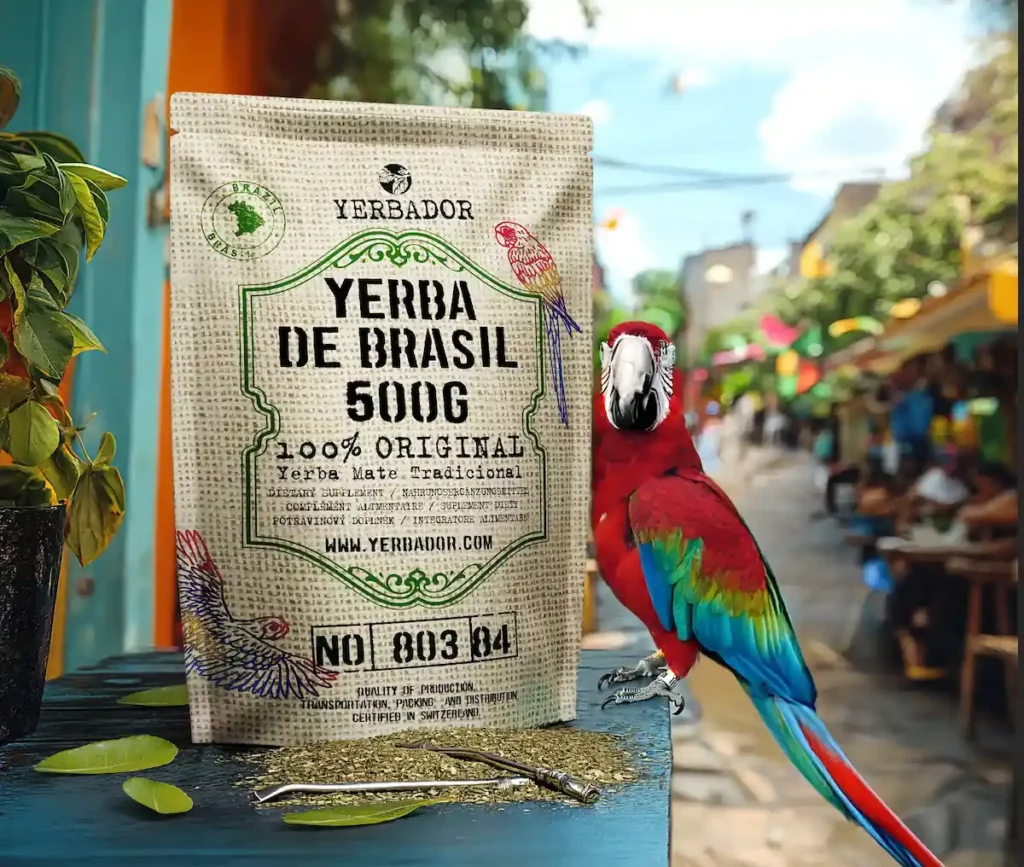
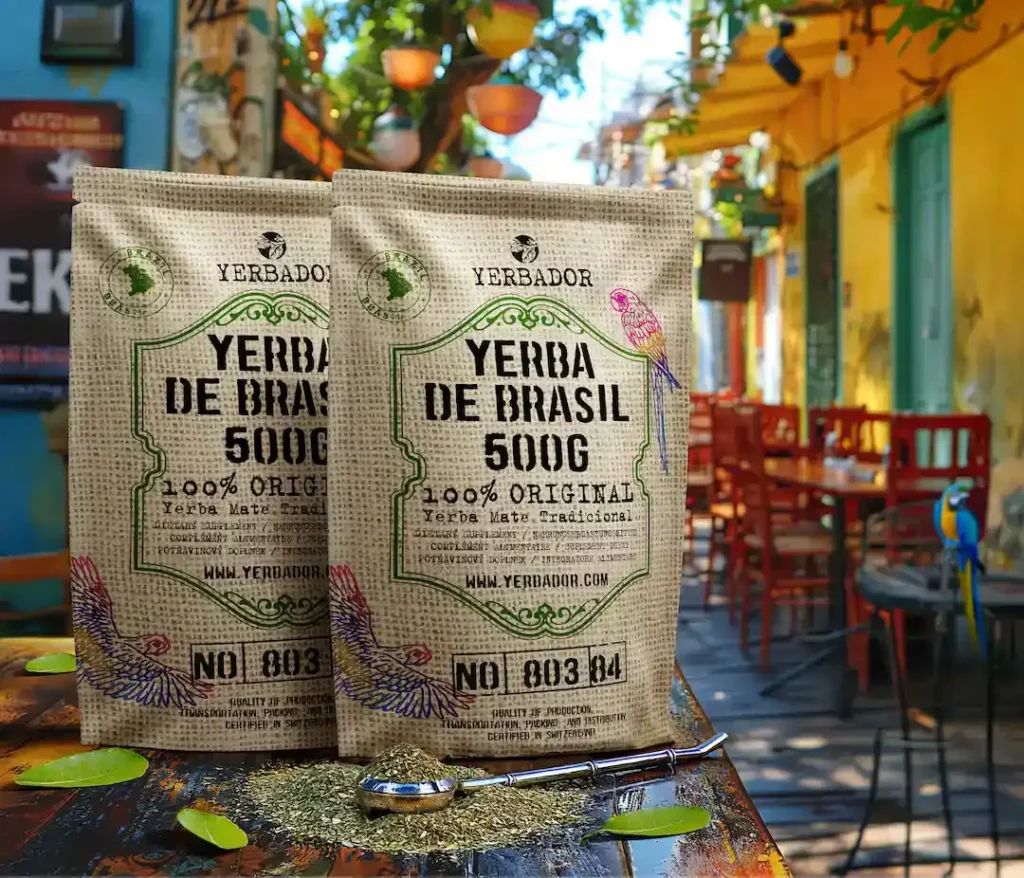
Yerba De Brasil — doypack 0.5 kg
A classic Brazilian yerba with a high leaf content. Half a kilo is the perfect size for a first try: it lasts several weeks of daily drinking, yet you won’t get bored of it. Check the current price.
Check out the product: Yerba De Brasil doypack 0.5 kg
Yerba De Brasil — doypack 1 kg
The same yerba in a pack twice the size and with a better price per kilo. The choice of people who already know they’re staying with yerba for the long run.
Check out the product: Yerba De Brasil doypack 1 kg
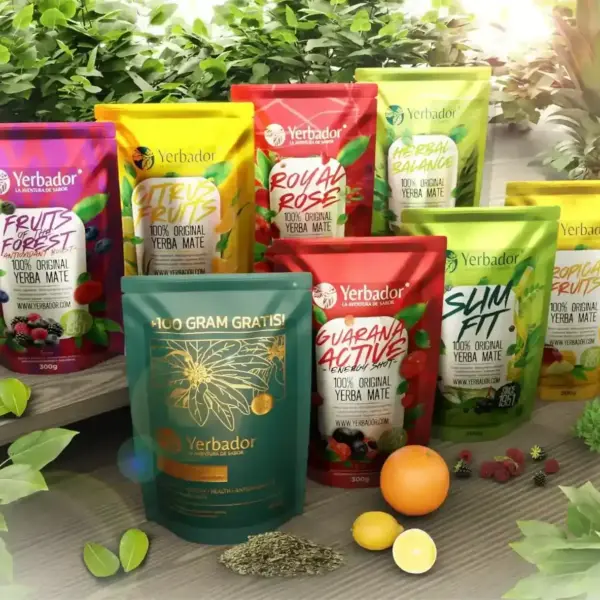
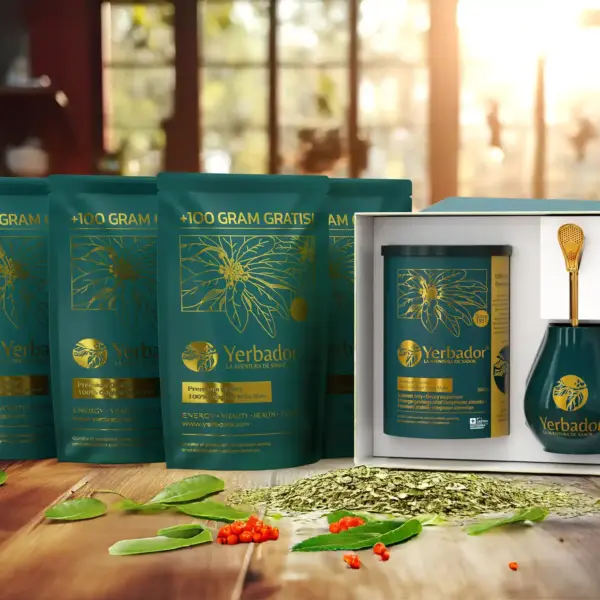
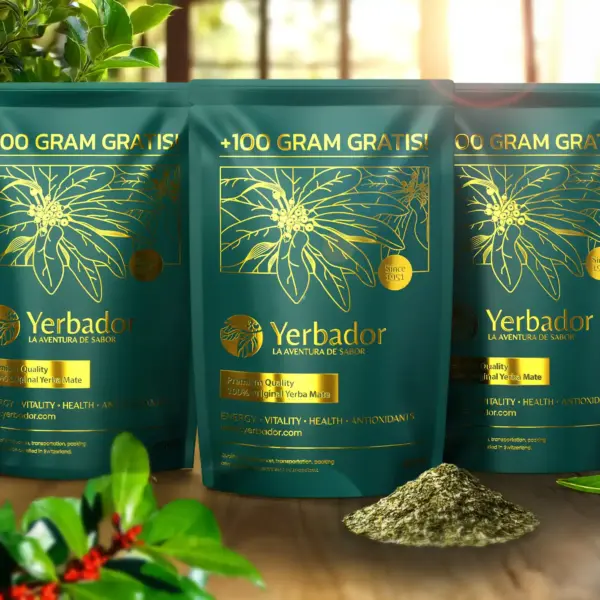
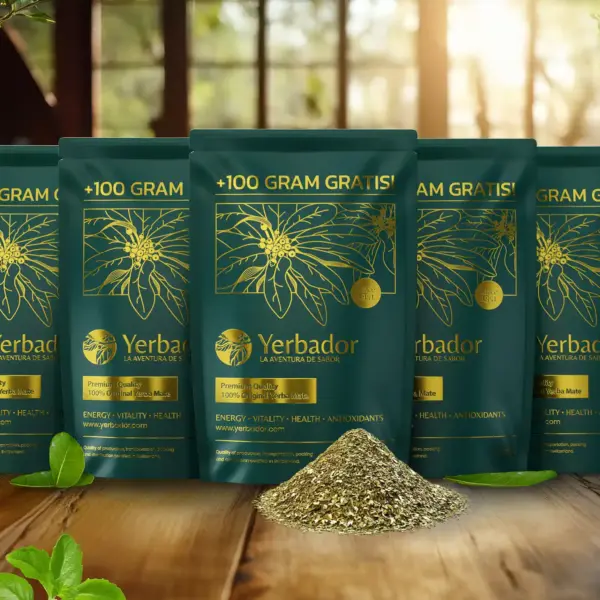
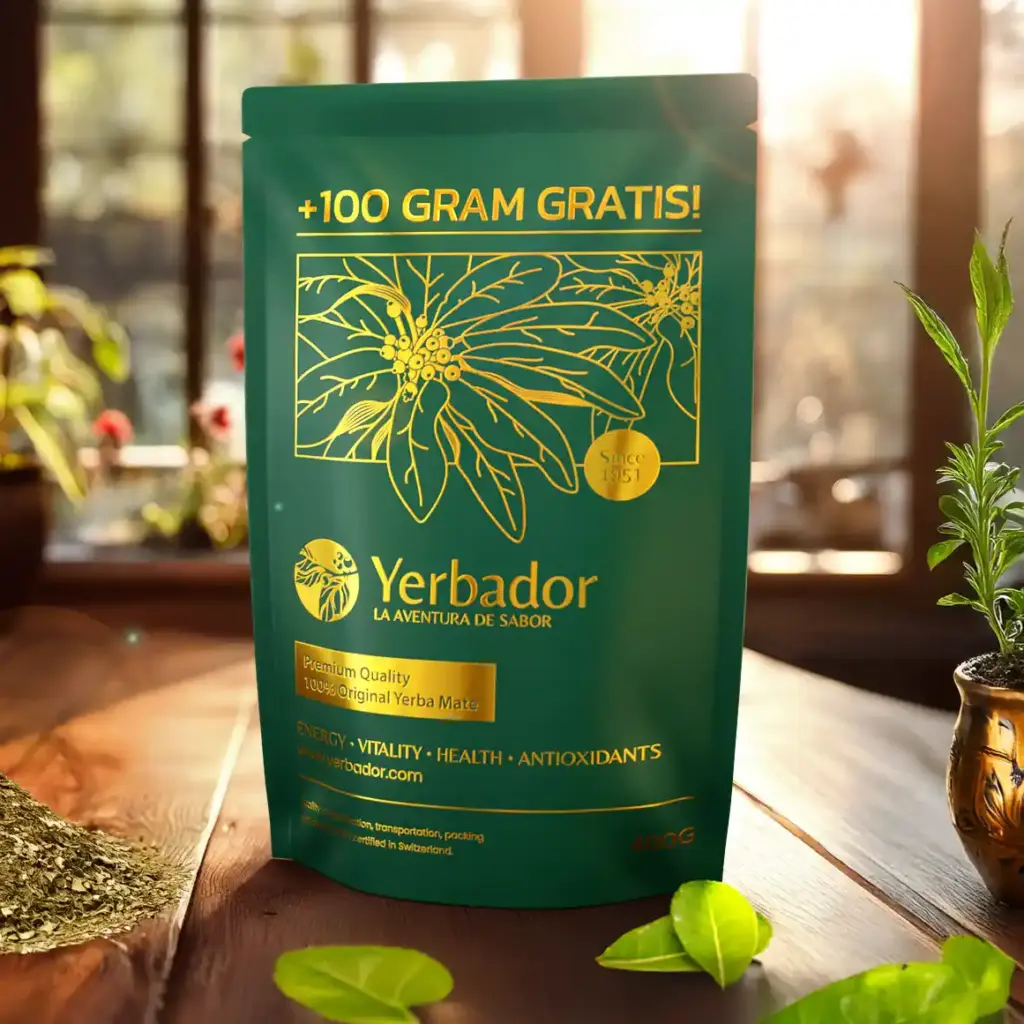
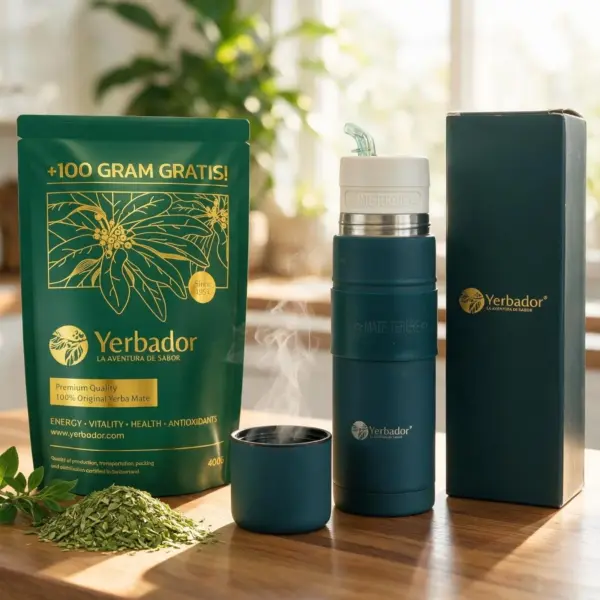
Airtight Doypack Yerba Mate + 100 g free
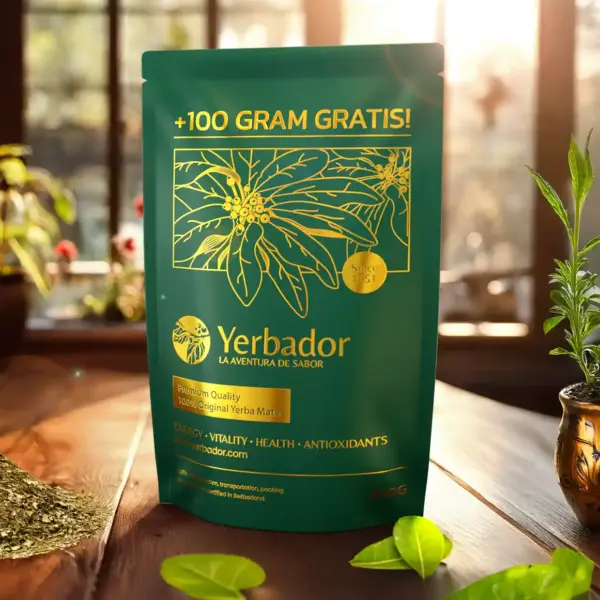
The answer to myth number seven: packaging matters. The airtight seal protects the dried leaves from moisture and loss of aroma, and we add 100 g free to the set. Check the current price.
Check out the product: Airtight Doypack Yerba Mate + 100 g free
Frequently asked questions
Does yerba mate have more caffeine than coffee?
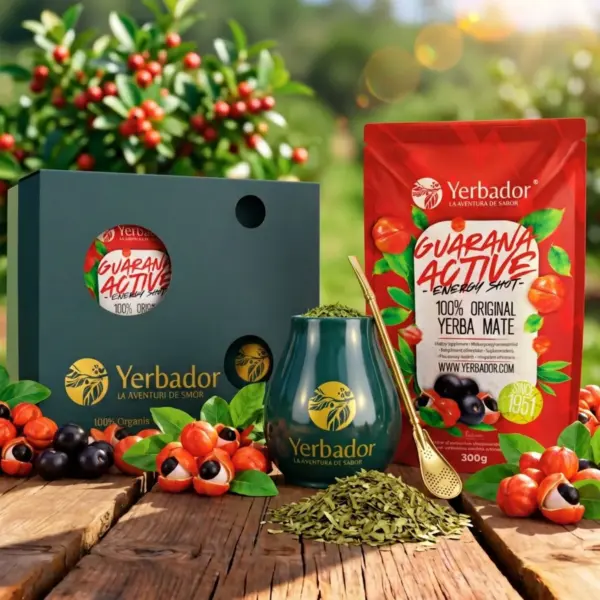
It depends on the portion and brewing method — a matero with two tablespoons of dried leaves gives a comparable amount to a cup of coffee, but released more gently. You’ll find a detailed comparison of the numbers in the article about caffeine, and if you’re looking for a stronger option, we also have yerba mate with guarana.
Can you drink yerba mate every day?
Most adults can — just like with coffee, moderation and timing matter. It’s best to skip it in the evening, and if you have chronic conditions or take medication, check with your doctor.
Can children drink yerba mate?
Yerba mate contains caffeine, so we treat it like coffee: it’s a drink for adults. We simply don’t give it to children.
How to store yerba mate so it doesn’t lose its flavor?
Sealed tightly, in a dry place, away from light and foreign odors. That’s exactly why we recommend airtight packaging — dried leaves can wait in them for months without losing their aroma.
Yerba mate for your business
Do you run a café, a shop or an office where the team lives on caffeine? We handle wholesale orders — from single cartons to regular deliveries. You’ll find the details in our wholesale guide, and we’ll prepare a personalised quote for you.
One last thought. Myths about yerba mate don’t come out of nowhere — there’s usually a grain of truth somewhere behind them: water too hot, poor-quality leaves, an overblown promise. All you need is to know the facts, brew it properly and choose leaves that have been tested. The yerba takes care of the rest by itself.
Discover our TOP products!
Your dream figure
Discover new flavors
Yerba mate with tea
Accessories
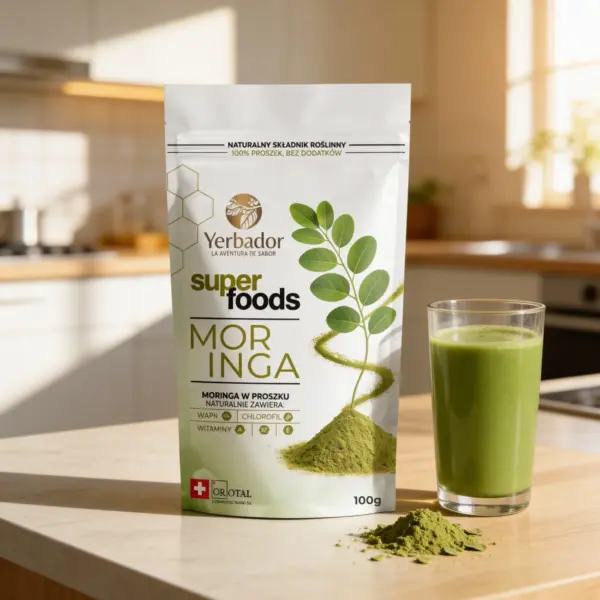
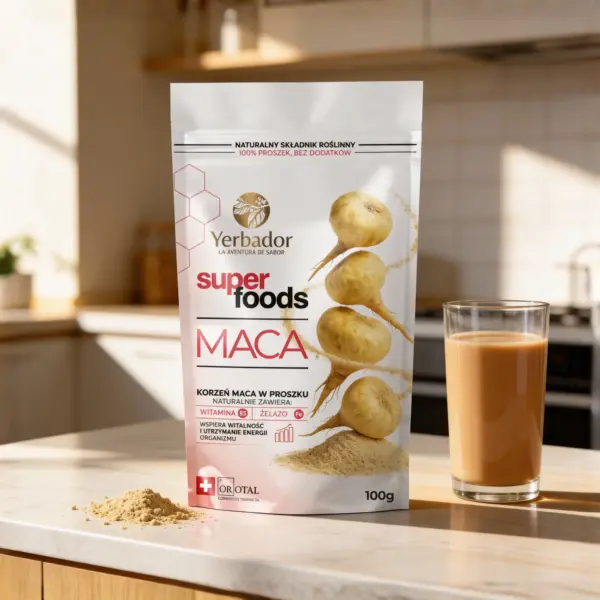
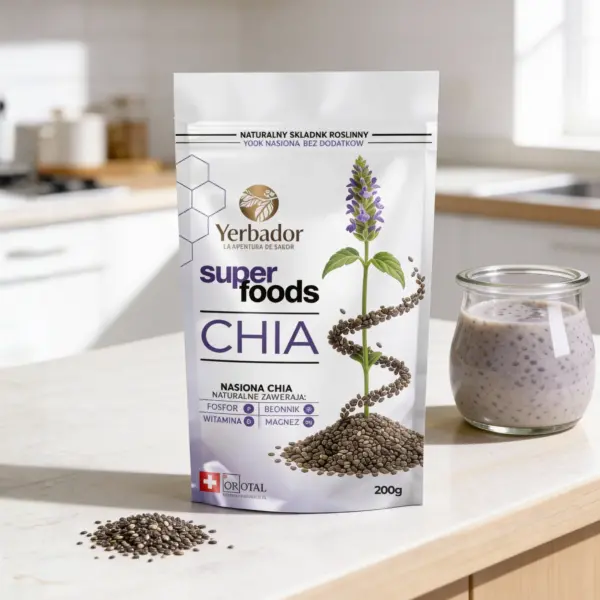
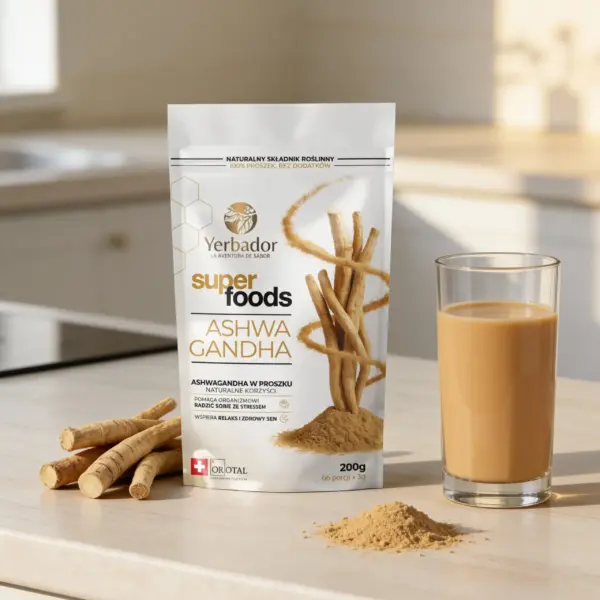
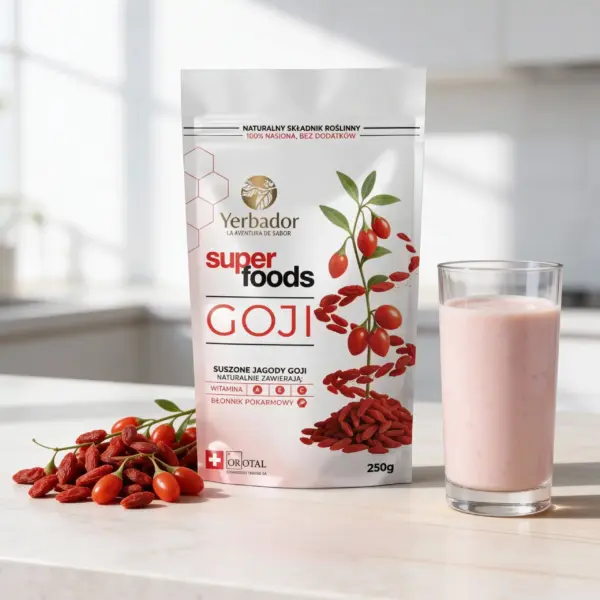
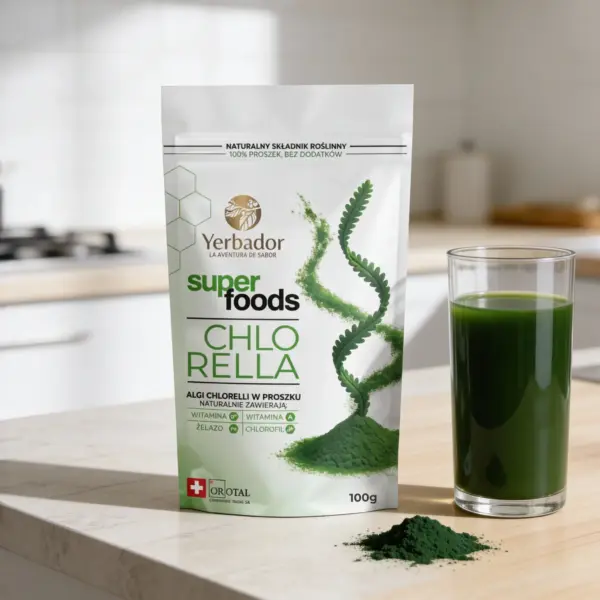
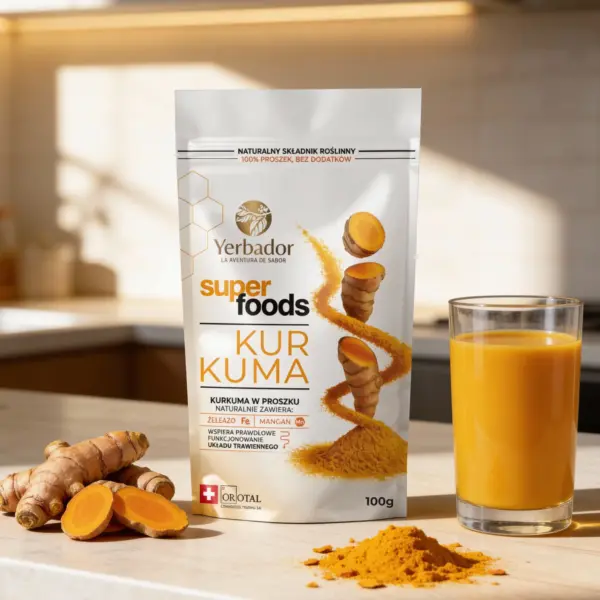
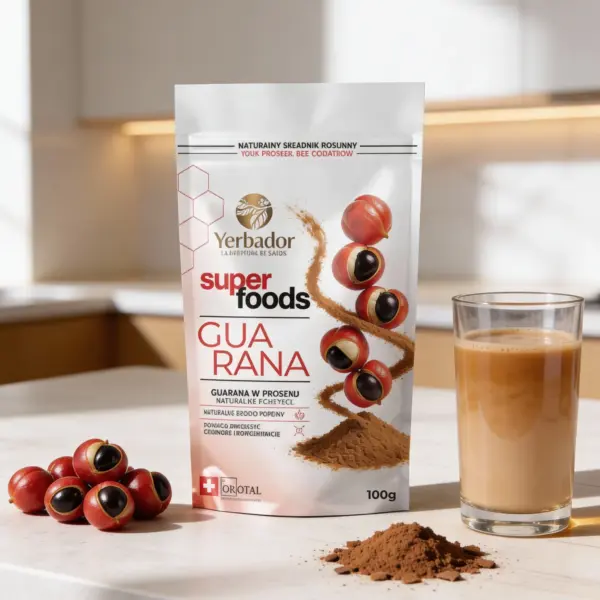
Superfoods
Certified raw honeys from Poland

Check the current price
free shipping
Up to 90 days
free returns
24 H
shipping