
Can yerba mate harm you? Contraindications, side effects and negative properties
2022-09-01
Yerba mate usually doesn’t harm a healthy adult. Problems arise in three situations: when you drink too much of it, when you pour boiling water over the dried leaves, and when you belong to a group with contraindications. In short, yerba mate should not be drunk by pregnant or breastfeeding women, children, people with hypertension, arrhythmia or heart disease, people with peptic ulcer disease or reflux, those sensitive to caffeine, and those taking medications that interact with caffeine. The remaining negative properties circulating on forums are usually the result of exaggeration or improper brewing.
Below, we break it down: how much caffeine is really in one matero, what side effects appear most often, what exactly the IARC established regarding very hot beverages, and who should ask a doctor before reaching for an infusion of Paraguayan holly (Ilex paraguariensis). No scaremongering, and no pretending that yerba is medicine, because it isn’t.
Table of Contents
Properties of Yerba Mate – why it’s worth including in your daily diet
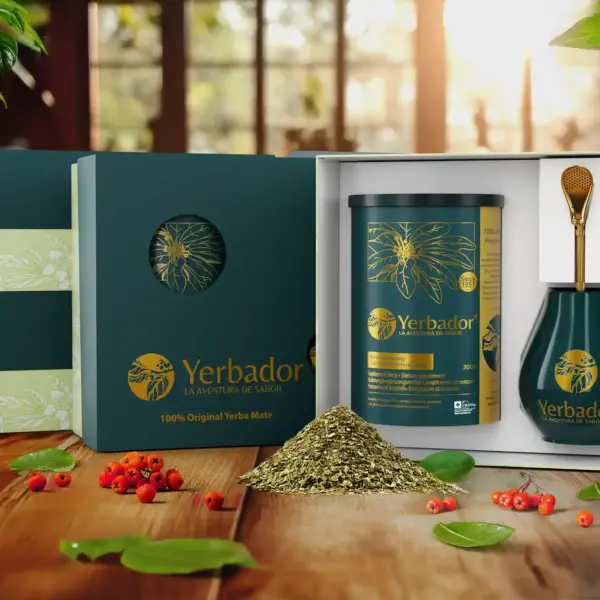
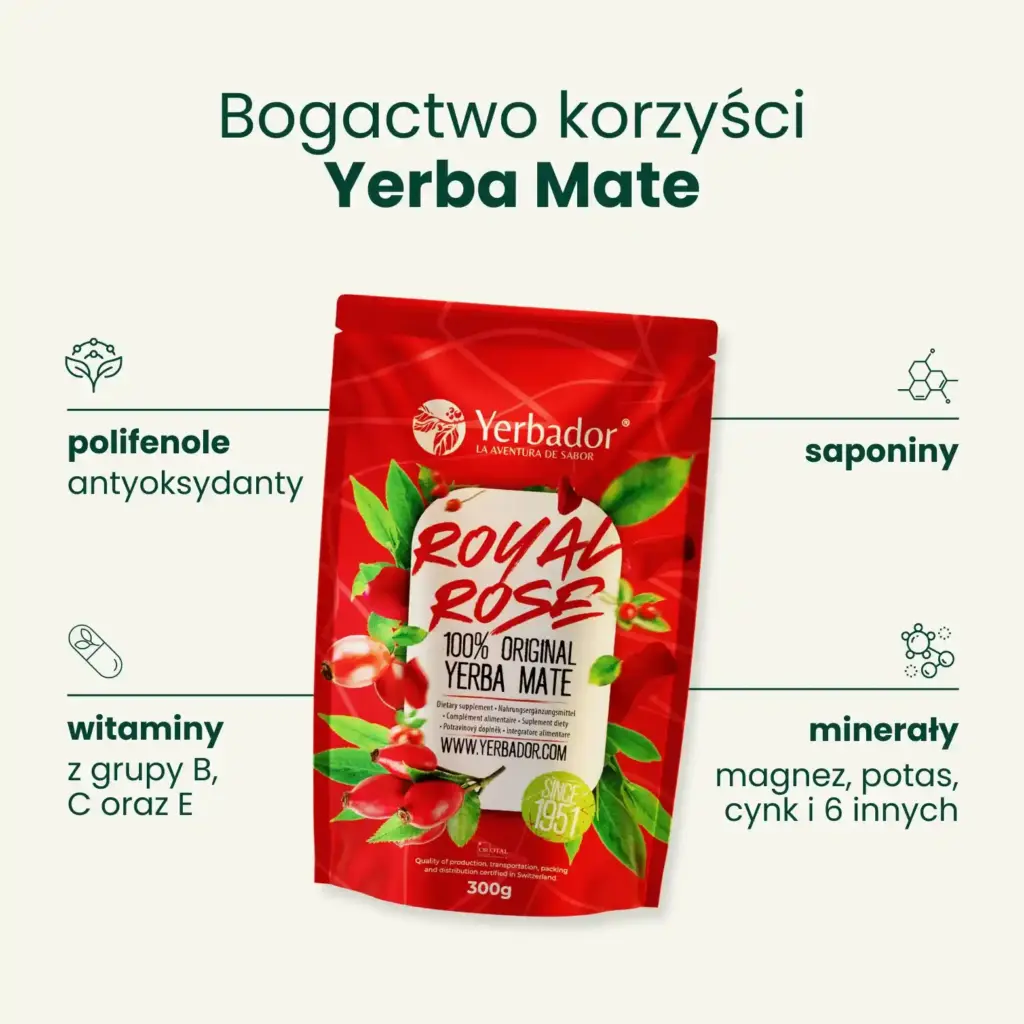
Yerba from Yerbador and infusions made from dried leaves are rich in polyphenols, i.e. antioxidants that help neutralise free radicals. The infusion also contains caffeine and theobromine, which stimulate and help you stay focused for longer.
The most important health properties of Yerba Mate include:
- Polyphenols and saponins – dried holly leaves are a rich source of them, just like green tea.
- Consistent stimulation – caffeine and theobromine work here more gently than a straight shot of caffeine from espresso.
- Better concentration and stable energy – unlike coffee, Yerba Mate doesn’t cause sudden spikes and drops in energy.
- A ritual instead of a routine – matero, bombilla, refill after refill. Drinking it slows you down and takes time, and that can make all the difference on a day full of screens.
- Vitamins and minerals – the dried leaves contain, among others, magnesium, potassium and zinc, as well as vitamins B, C and E.
It’s no coincidence that Paraguayan holly is found in the composition of many dietary supplements intended for physically active people who care about a healthy figure.
Drinking Yerba Mate – side effects worth knowing
Although the infusion has many benefits, drinking Yerba Mate in excessive amounts or in the wrong way may be associated with certain side effects.
The most commonly mentioned include:
- Insomnia and excessive stimulation – the high caffeine content can make it harder to fall asleep, especially if you drink Yerba in the late afternoon or evening.
- Stomach irritation – in sensitive people it can cause heartburn or digestive discomfort.
- Increased heart rate – caffeine can have a stimulating effect on the circulatory system, which is especially noticeable in people with arrhythmia or hypertension.
- Risk of esophageal irritation – drinking a very hot infusion (above 70–80°C) may increase the risk of micro-damage to the mucous membrane.
It’s worth emphasising that these are not effects that will occur in everyone. They most often appear with excessive consumption or in people with certain medical conditions.
Yerba Mate – negative properties: facts and myths
In public discourse, there are opinions that Yerba Mate may have a negative effect on health. In reality, most of these concerns stem from improper preparation or excessive consumption of the infusion.
The so-called negative properties mainly include:
- the possibility of stomach discomfort when drinking on an empty stomach,
- excessive stimulation from a large amount of caffeine,
- risk of dehydration with excessive consumption (caffeine has a mild diuretic effect).
These effects can be easily minimised by drinking Yerba in moderation, not pouring boiling water over it, and ensuring additional hydration for the body.
Is yerba mate carcinogenic? What the IARC actually found
This question comes up in every conversation about the negative properties of yerba mate, so let’s answer it directly. The International Agency for Research on Cancer (IARC, a WHO agency) looked into the matter in 2016 and separated two things. Drinking mate that is not very hot was placed in Group 3, meaning the available data are not sufficient to classify it as a carcinogen. Separately, drinking very hot beverages, above 65°C, was classified as probably carcinogenic to humans (Group 2A). And this applies equally to any beverage, tea and coffee alike.
So it’s the temperature that’s suspect, not the leaf. Older reports about oesophageal cancer were based on studies from South America, where mate is traditionally drunk very hot, through a metal bombilla, by the litre every day. The practical conclusion is simple: brew at 70–80°C, let the infusion sit for a moment, and don’t drink anything that scalds your mouth. Then this whole issue no longer applies to your matero.
One caveat: this is a risk classification, not a diagnosis or medical advice. If you have a history of oesophageal or stomach disease, discuss drinking yerba with your doctor.
Yerba mate contraindications – who shouldn’t drink it?
Contraindications for drinking yerba mate come down to two things: caffeine and the temperature of the infusion. Here’s a short list of people who should skip it or talk to their doctor first:
- Pregnant and breastfeeding women – the caffeine limit is 200 mg per day from all sources, and one strong matero can come close to that limit. Details in the article on yerba mate during pregnancy.
- Children and teenagers – EFSA states a maximum of 3 mg of caffeine per kilogram of body weight. For a thirty-kilogram child that’s 90 mg, which is less than one well-brewed matero.
- People with high blood pressure, arrhythmia and heart disease – caffeine can temporarily raise heart rate and blood pressure. More on this in the article yerba mate and blood pressure.
- Peptic ulcer disease, reflux, sensitive stomach – a bitter, hot infusion irritates the mucous membrane, especially when drunk on an empty stomach.
- Caffeine sensitivity, anxiety disorders, chronic insomnia – for these people even one session can cause heart palpitations and keep the mind racing for hours.
- People taking medication – for the thyroid, anticoagulants, blood pressure and arrhythmia medication, psychiatric drugs and stimulants. Here, checking with a doctor or pharmacist is a must.
Who’s missing from this list? A healthy adult who drinks one or two mates in the first half of the day. For them, yerba mate is simply a caffeinated beverage, just sipped more slowly than coffee. To be clear: yerba doesn’t cure anything and doesn’t replace treatment. If you have a chronic illness or take medication regularly, leave the decision to your doctor.
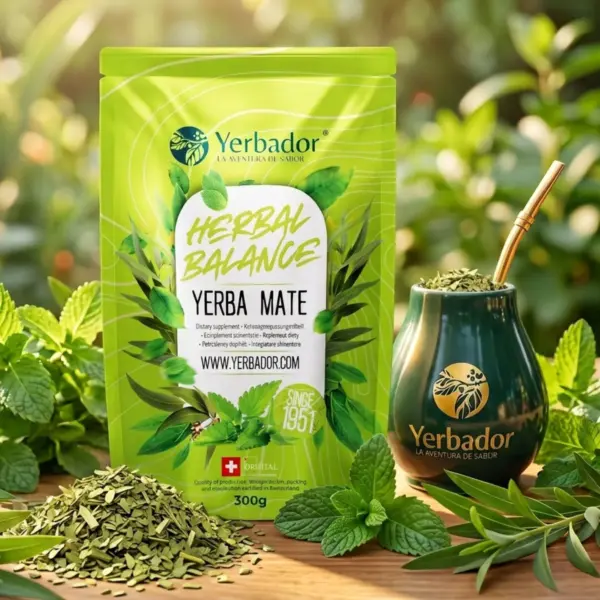
Do you have a sensitive stomach but don’t want to give up the ritual? A gentler choice may be a herbal blend, such as Herbal Balance with peppermint and boldo, drunk after a meal rather than instead of breakfast.
Who benefits from yerba mate the most? People who want to:
- stay focused through long hours of work or study,
- get a boost before a workout without reaching for an energy drink,
- cut down on the number of coffees during the day,
- have a daily ritual that forces a few minutes of a break.
How to drink Yerba Mate to avoid side effects?
Although drinking Yerba Mate brings many benefits, it’s worth remembering a few rules that will let you fully enjoy its taste and effects while minimising the risk of unwanted side effects.
1. Maintain the right water temperature
The most common beginner mistake is pouring boiling water over the dried leaves. Too high a temperature not only destroys some of the valuable nutrients, but can also irritate the mucous membrane of the oesophagus and stomach. The optimal temperature is 70–80°C – this way the infusion retains its full flavour and properties while remaining safe for your health.
2. Keep your intake of the infusion moderate
Even the healthiest drink can cause side effects in excess. For most people, a safe dose is 1–2 servings a day, which corresponds to about 30–50 g of dried leaves. If you’re just starting your adventure with Yerba, it’s worth starting with smaller amounts and gradually observing your body’s reactions.
3. Drink at the right times of day
Due to its caffeine content, it’s best to drink Yerba Mate in the morning or in the first half of the day. Late consumption, especially after 5 PM, can make it harder to fall asleep and lead to insomnia. If you need an infusion in the evening, choose caffeine-free or reduced-caffeine varieties. More numbers and details in the article yerba mate and sleep.
4. Choose varieties suited to your needs
Yerba Mate differs not only in flavour but also in strength. Despalada varieties (with fewer stems) contain more caffeine and have a stronger stimulating effect, while blends flavoured with herbs or fruit act more gently. People sensitive to caffeine may choose Yerba with the addition of lemon balm, mint or chamomile.
5. Stay properly hydrated
Caffeine has a mild diuretic effect, so when drinking Yerba Mate regularly, it’s worth increasing your water intake. This will help you avoid a feeling of dehydration and dry mouth.
6. Drink mindfully and listen to your body
If you notice heart palpitations, anxiety, stomach pain or sleep problems, take a break or reduce the amount of infusion you drink. Every body reacts differently, so it’s best to determine your own “safe” dose.
By following these rules, you can fully enjoy the richness of Yerba Mate’s properties, its taste and stimulating effect, while avoiding unpleasant side effects.
Yerba mate side effects – how much caffeine is a safe dose?
The question of yerba mate side effects usually comes down to one number: how much caffeine am I actually drinking. EFSA states that a healthy adult can safely consume up to 400 mg a day, up to 200 mg at a time. During pregnancy and breastfeeding, the limit is 200 mg per day from all sources, and for children a maximum of 3 mg per kilogram of body weight.
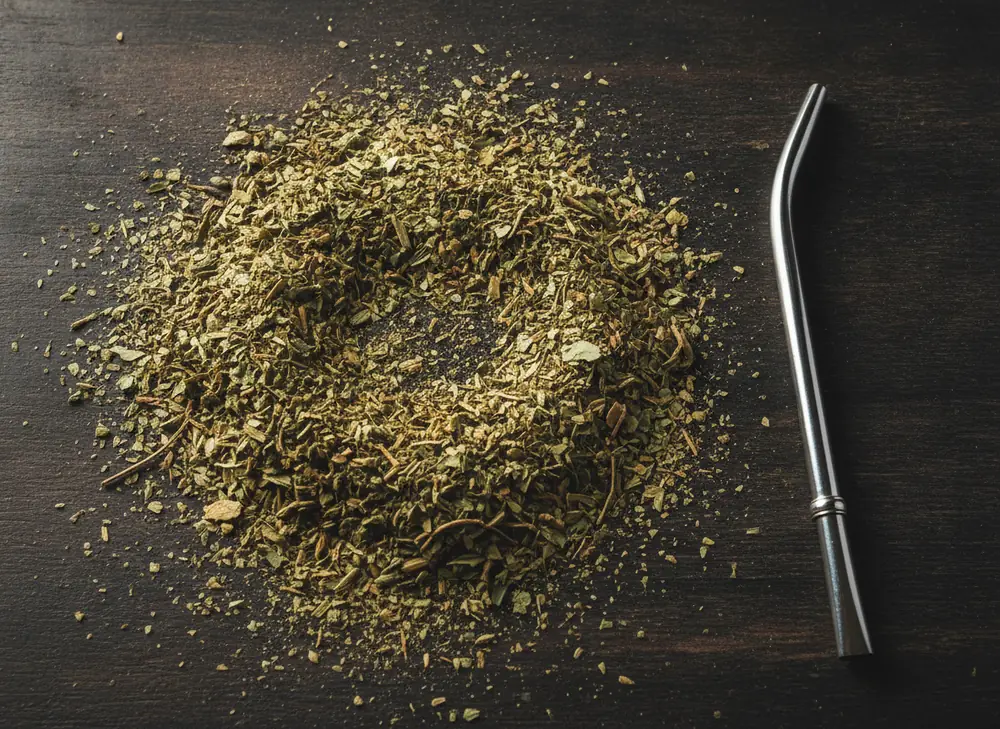
One matero, 10–15 g of dried leaves, usually provides 60–120 mg of caffeine, similar to a cup of black coffee. Despalada brewed throughout the day can give as much as 300–360 mg – that’s the point where heart palpitations, irritability and trouble falling asleep appear. One or two sessions a day fit safely within the limit. A third refill in the afternoon is a different equation altogether. You’ll find a full breakdown in our article on caffeine content in yerba mate.
Yerba mate side effects – drug interactions and when to consult a doctor
Caffeine in yerba is accompanied by theobromine and theophylline, together forming xanthines that stimulate the nervous system. Dr Justyna Jessa, a clinical dietitian working with Yerbador, explains that they are responsible for thermogenesis, i.e. speeding up metabolism. In moderation this is a benefit, but in excess it can be felt as an increased heart rate. We’ve also separately described how yerba mate affects the liver with regular drinking.
A few situations where it’s better to ask your doctor or pharmacist:
- thyroid medications,
- anticoagulants, blood pressure or heart arrhythmia medications,
- psychiatric and stimulant medications,
- pregnancy, breastfeeding, peptic ulcer disease or reflux.
A signal that it’s worth taking a break: heart palpitations lasting longer than usual, strong anxiety without a cause, insomnia despite drinking only in the morning, stomach pain after every cup. This is a sign that the dose or timing needs adjusting.
Yerba matched to you – two variants worth knowing
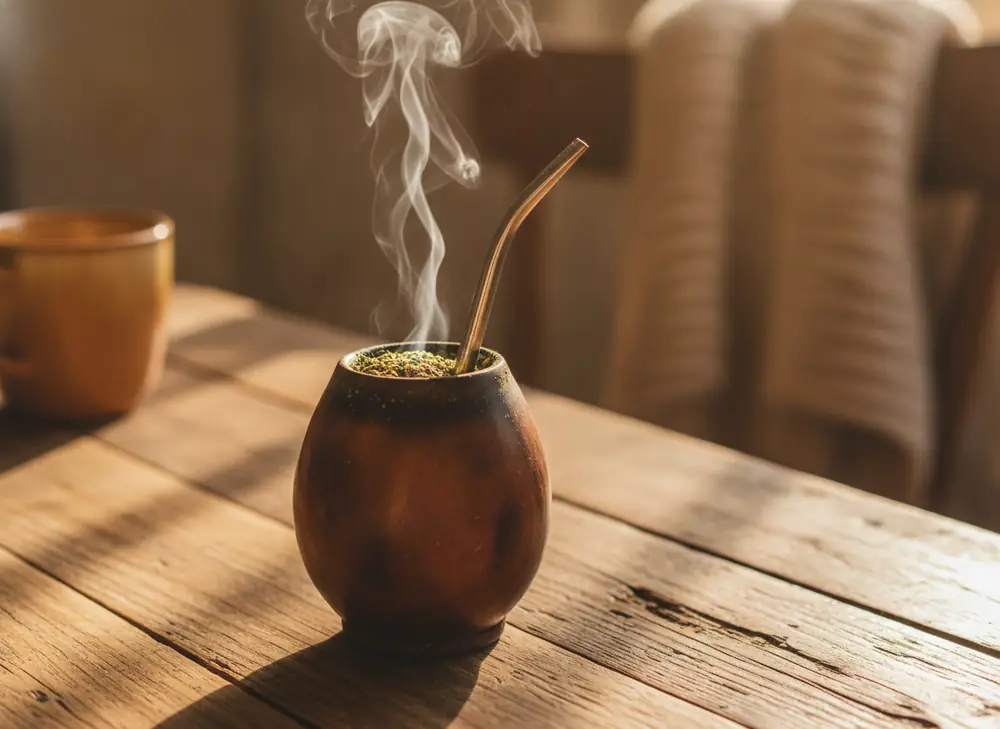
The amount and timing of drinking make a difference, so it’s worth choosing a variety suited to your needs.
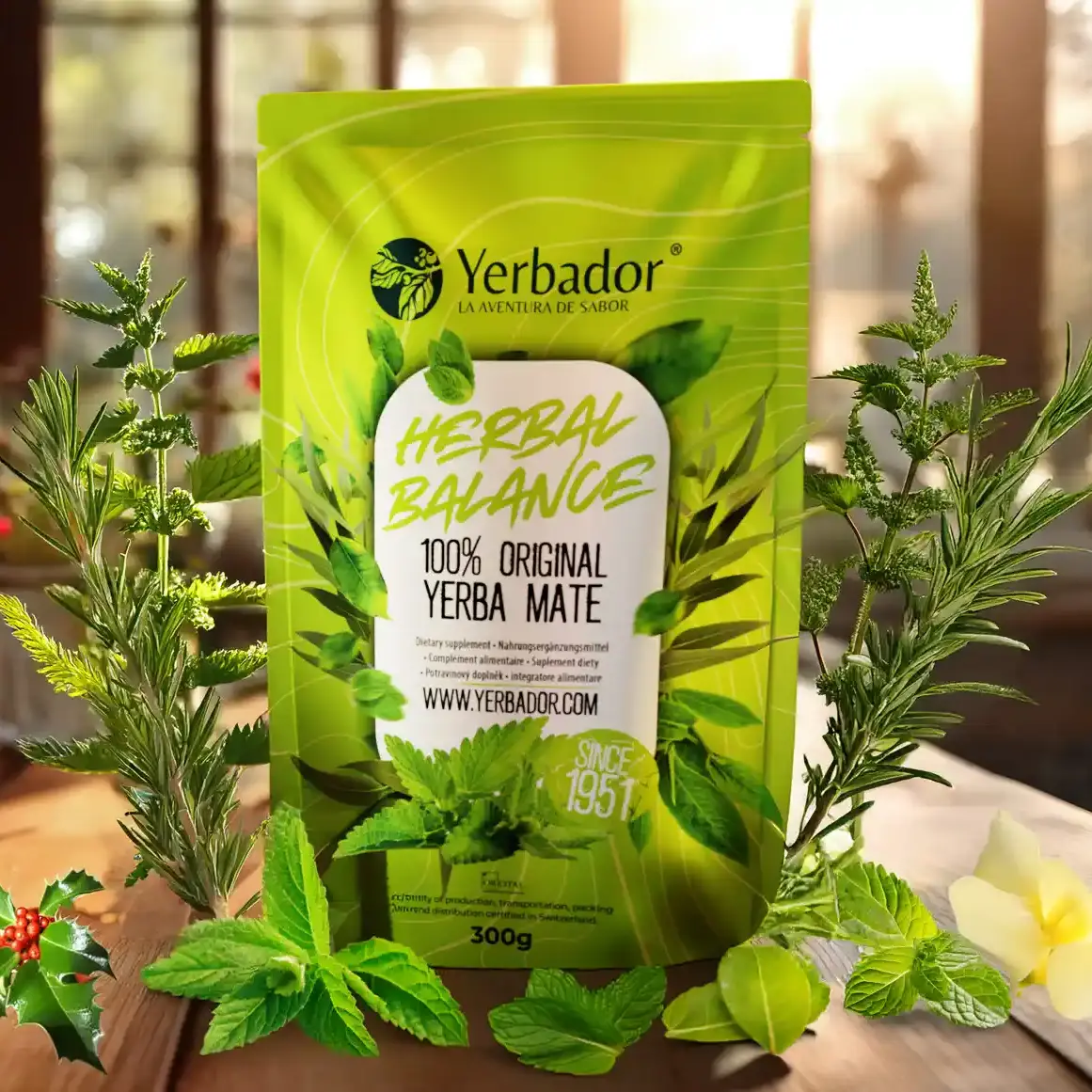
YERBA MATE – HERBAL BALANCE + BEECH SCOOP
Yerba with six herbs, including peppermint and boldo leaf, supporting digestion. A good choice for a milder afternoon ritual.
Check out the product: YERBA MATE – HERBAL BALANCE + BEECH SCOOP
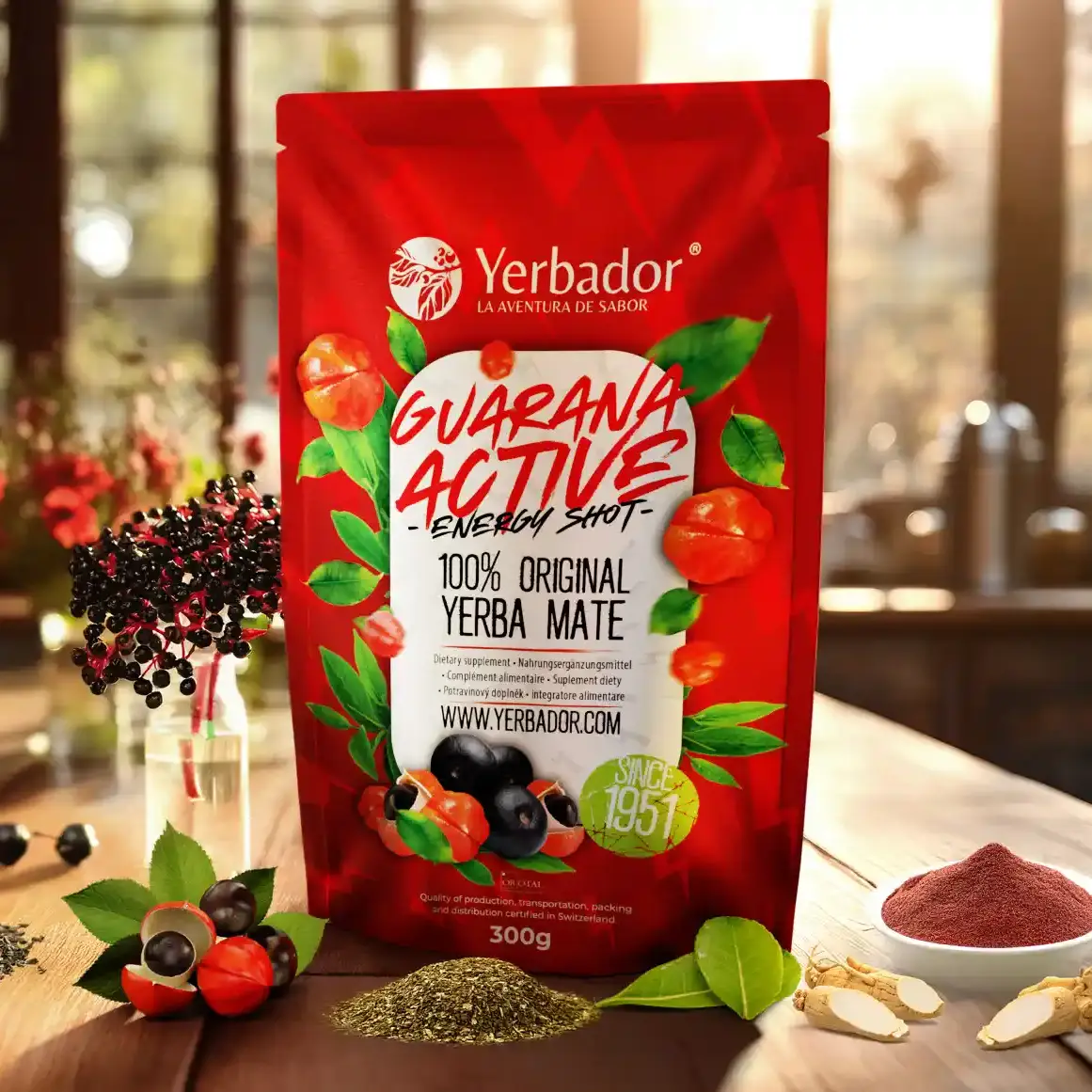
YERBA MATE – ULTRA ENERGY – GUARANA + BEECH SCOOP
The most stimulating blend in the offer, yerba and guarana together. Good for the morning or before exercise, definitely not for the evening. This is the variant that gets you closest to the upper daily caffeine limit the fastest.
Check out the product: YERBA MATE – ULTRA ENERGY – GUARANA + BEECH SCOOP
Yerba mate side effects – frequently asked questions
How many milligrams of caffeine are in one matero?
Usually 60–120 mg, depending on the leaves and number of refills. Despalada brewed all day can give a total of up to 300–360 mg.
Does yerba mate raise blood pressure?
Caffeine can temporarily speed up heart rate and slightly raise blood pressure, like any caffeinated infusion. With hypertension or heart disease, it’s worth consulting the amount and timing of drinking with a doctor.
Can you drink yerba mate on an empty stomach?
Yes, but in some people an infusion on an empty stomach causes heartburn. With a sensitive stomach, it’s safer to drink yerba after breakfast, or choose the Herbal Balance variant. More on this topic in the article yerba mate on an empty stomach.
How long do the side effects last after drinking yerba?
Caffeine has a half-life of usually 4–6 hours, so the stimulation usually passes within that time. In people who metabolize caffeine more slowly, including during pregnancy, this may be longer.
What are the contraindications for drinking yerba mate?
Pregnancy and breastfeeding, childhood age, hypertension, arrhythmia and heart diseases, peptic ulcer disease and reflux, caffeine sensitivity, as well as taking thyroid medications, anticoagulants, psychiatric and stimulant drugs. In each of these situations, leave the decision to your attending physician.
Can yerba mate cause stomach pain or diarrhea?
It happens, most often after a strong infusion drunk on an empty stomach. Caffeine speeds up peristalsis, and tannins irritate the mucous membrane. Usually it’s enough to reduce the amount of leaves, lower the water temperature to 70–80°C and drink yerba after a meal. If the symptoms persist despite these changes, it’s a signal to see a doctor.
Does quitting yerba mate cause headaches?
After suddenly cutting out caffeine, some people experience headaches, drowsiness and irritability. Symptoms usually appear after a dozen or so hours and subside within a few days. It’s easier to get through this by tapering off gradually, for example by swapping your second matero for a herbal blend.
Summary
Yerba mate is an infusion with caffeine and polyphenols that, in reasonable amounts, agrees with most people. The whole conversation about side effects comes down to three numbers: 400 mg of caffeine a day for a healthy adult, 200 mg during pregnancy and breastfeeding, and 70–80°C on the kettle thermometer.
If you belong to one of the groups with contraindications, ask your doctor before you make your first matero. If not, choose a variety suited to the time of day, watch the water temperature and observe your own body. That’s all it takes for yerba mate to be a pleasure, not a source of heart palpitations at eleven at night.
Sources
EFSA health claims No. 2058, 2275, 2276, 3397, 2070, 3940, 2071, 2834, 2835, 3923, and scientific publications.
- https://yerbador.com/baza-wiedzy/jaka-jest-rola-zwiazkow-fenolowych-yerba-mate/
- https://yerbador.com/baza-wiedzy/dzialanie-przeciw-otylosci-yerba-mate/
- https://yerbador.com/baza-wiedzy/spozywanie-yerba-mate-ilex-paraguariensis/
- https://yerbador.com/baza-wiedzy/antybakteryjne-dzialanie-yerba-mate/
- https://yerbador.com/baza-wiedzy/zwiazki-fenolowe-obecne-w-yerba-mate/
- https://yerbador.com/ekspansja-rynku-produktow-zawierajacych-kofeine/
- https://yerbador.com/baza-wiedzy/fenolowe-przeciwutleniacze-zidentyfikowane-za-pomoca-esi-ms/
- https://yerbador.com/baza-wiedzy/kompleksowy-przeglad-chemii-implikacji-zdrowotnych/
- https://yerbador.com/baza-wiedzy/wlasciwosci-zdrowotne-yerba-mate/
Discover our TOP products!


Your dream figure


Discover new flavors

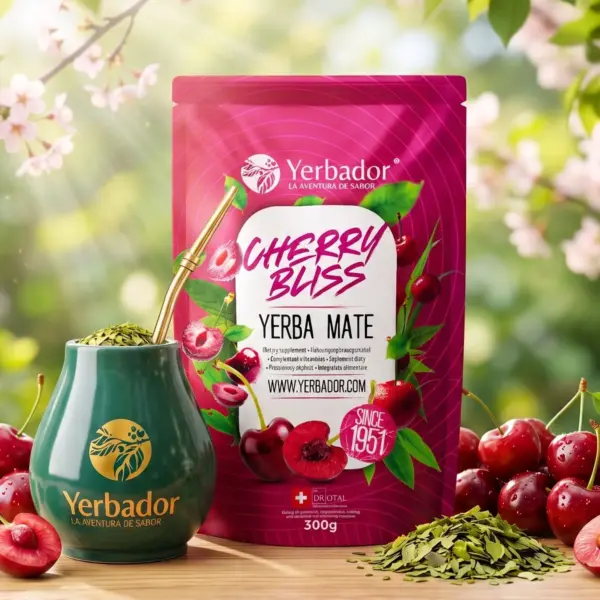

Yerba mate with tea



Accessories
Superfoods






Certified raw honeys from Poland





Check the current price
free shipping
Up to 90 days
free returns
24 H
shipping