
Yerba Mate Price – How Much Does Good Yerba Mate Cost? Real Calculations
2026-08-01
Yerba mate price – it’s one of the first things you type into a search engine after someone hands you a matero to try and you suddenly realise you want your own pack at home. The short answer: a good yerba costs anything from a modest sum for half a kilogram up to considerably more for premium, leaves-only varieties. The longer answer is more interesting, because the figure on the label tells you very little until you work out the cost per kilogram and the cost of a single day’s drinking. That’s what we’ll do here – with real products and a calculator in hand.
How much does yerba mate cost? Price ranges in Poland
The yerba market in Poland can roughly be divided into three price tiers:
- Entry level. Usually classic blends with a high proportion of stems (elaborada con palo). Perfectly drinkable, but the flavour can be flat and there’s often a lot of dust in the bag.
- Mid range. This is where quality begins – drinking yerba becomes a pleasure, not just a caffeine hit. An example from our shop: Yerba De Brasil in a 0.5 kg doypack.
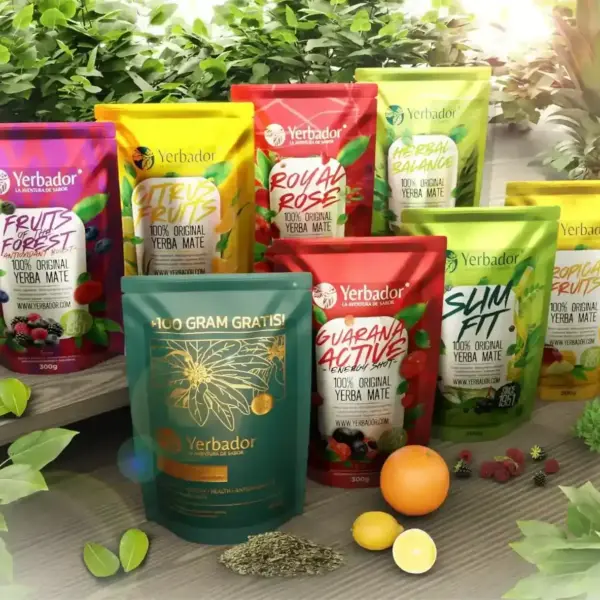
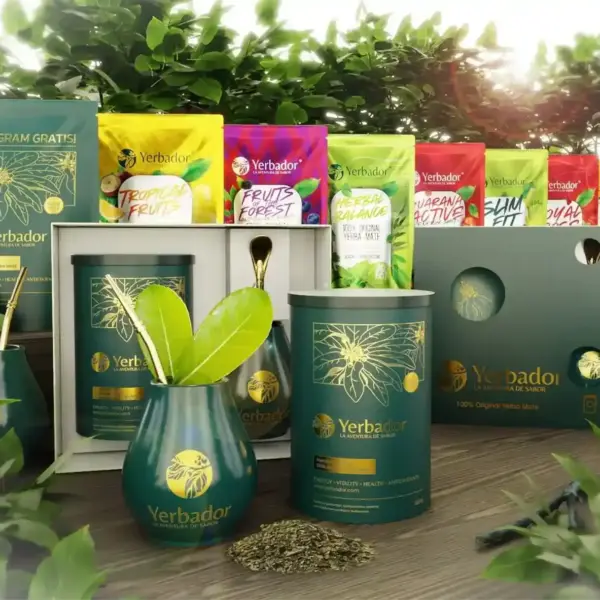
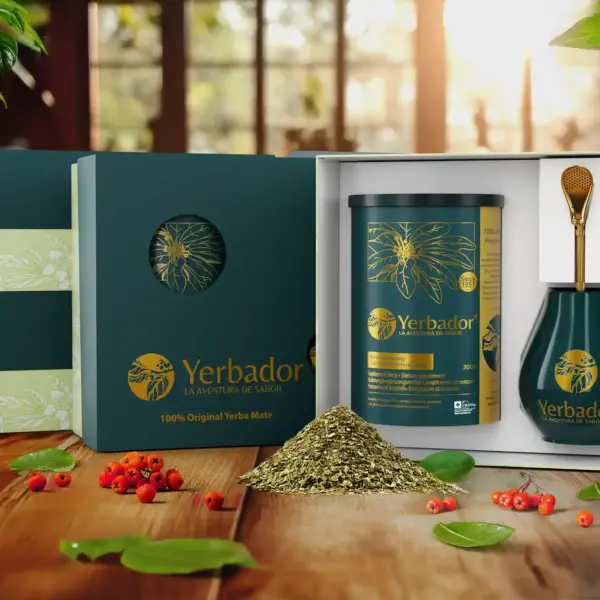
- Premium shelf. Yerba made from 100% leaves, no stems, often in airtight packaging that holds the aroma for months. In our range, that’s the Airtight Doypack, for instance.
This range is just a starting point. The real comparison only begins once you convert the price into price per kilogram – more on that in a moment.
What actually affects the price of yerba mate?
Two packs of yerba mate can look similar yet cost completely differently. Where does that difference come from?
Leaf content. This is factor number one. Leaves carry the flavour and effect, stems are mostly filler. Yerba mate that is „100% leaves” requires more raw material per kilogram of finished product, so it simply has to cost more. If a cheap yerba mate contains 30–40% stems, you’re effectively paying for less yerba than you think.
Origin and drying. Our yerba mate comes from Brazil – from the leaves of the Paraguayan holly (in Latin Ilex paraguariensis), and is packaged in Europe. The drying method and the age of the leaves directly affect the flavour: fresh, green raw material tastes grassy and crisp, while old leaves taste like cardboard.
Packaging. A plain paper bag is cheap, but the yerba absorbs moisture and loses its aroma within weeks. Airtight packaging (a resealable doypack or a tube) costs the producer more, but the yerba inside stays fresh far longer. With pricier varieties that difference makes sense – you don’t want a premium yerba to go stale halfway through the pack.
Testing and certificates. This is an invisible part of the price that few people think about. Our yerba mate undergoes laboratory testing: authenticity analyses at the Institute of Natural Fibres and Medicinal Plants (IWNIRZ), compliance testing against reference standards at J.S. Hamilton, and checks for heavy metals, pesticides and PAHs at GBA Polska. On top of that there’s HACCP, KIWA quality certification, Swiss certification from OROTAL Commodities Trading SA, and the Quality Certificate from the National Medicines Institute. Every such test costs money – and every pack without testing is „cheaper” by that cost. The question is whether that’s a saving you want to make on something you drink every day.
Price per kilogram, not per pack
The most common mistake when comparing yerba prices: looking at the price of the pack instead of the price per kilogram. Small 100–200 g packs look cheap on the shelf, but once you do the maths they often work out dearer per kilogram than many a premium yerba.
Let’s do the math using our actual prices:
- Yerba De Brasil doypack 0.5 kg → a solid price per kilogram
- Yerba De Brasil doypack 1 kg → the best value per kilogram
You can see the mechanism: a bigger pack of the same yerba mate means a lower price per kilogram. If you already know you like a given yerba mate, buying kilogram doypacks simply pays off. Save the small sizes for testing new flavours.
How much does it cost to drink yerba mate every day? A concrete calculation
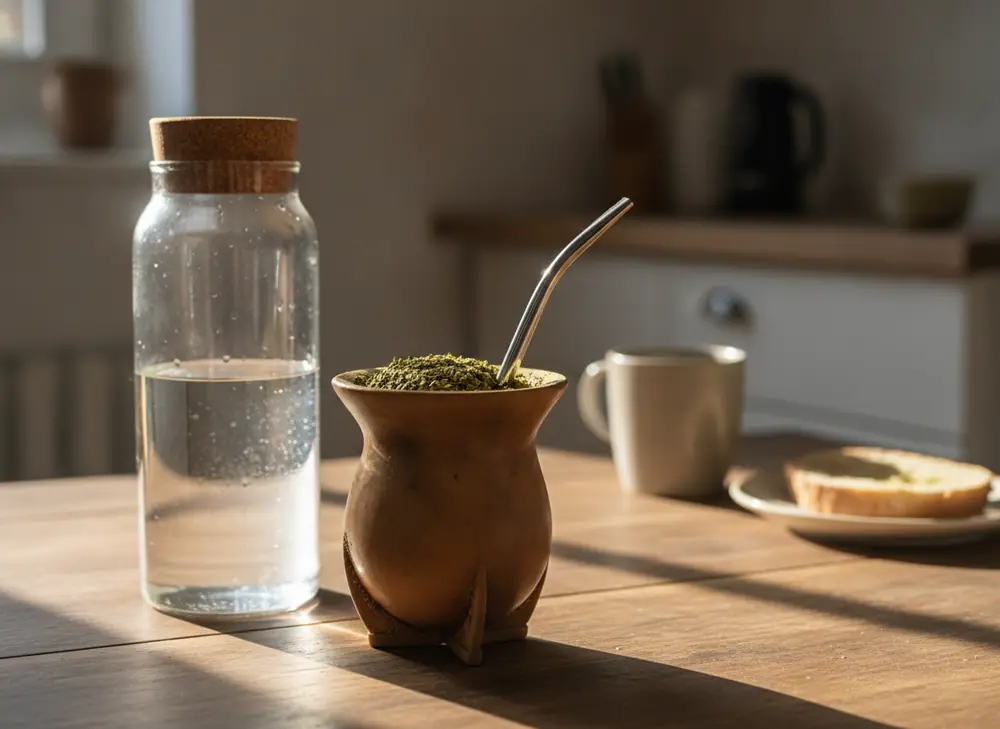
This is where it gets really interesting, because yerba mate has one feature you won’t see on a price tag: you can brew the same portion of leaves multiple times. You fill the matero once and drink from it for half the day, topping it up with hot water from a thermos. A typical daily portion is 30–40 g of dried leaves.
Working it out with the 1 kg doypack:
- 30 g a day → a tiny cost for a whole day’s drinking
- 40 g a day → still remarkably little per day
- a month of daily drinking → far less than you’d expect
For comparison: a can of energy drink from the shop lasts about an hour, and a coffee bought out costs several times more than a day of yerba. A month of daily energy drinks, or a month of takeaway coffees, adds up to a serious amount. Yerba, even from the top shelf, works out several times cheaper per day of energy – and its caffeine is released more gently, without the sudden crash. If you’re just starting out, take a look at our step-by-step guide to brewing yerba mate – good brewing saves money too, because badly brewed yerba loses its flavour faster than it should.
When a low price should raise a red flag
Not every cheap yerba is bad – but there are a few signals worth pausing at:
- A lot of dust at the bottom of the pack. Dust is crushed, over-dried leaf. A little dust is normal, but a thick layer signals low-quality raw material or long storage in poor conditions.
- More sticks than leaves. Pour a handful onto a plate and take a look. If sticks dominate, you’re paying for filler.
- No testing information. Yerba is a dried plant product – without lab testing, you don’t know what besides leaves ends up in your matero.
- A stale, “cardboard-like” smell. Fresh yerba has an intense aroma: grass, hay, sometimes smoke. No smell = old stock.
The reverse is also true: a high price alone guarantees nothing. Some yerbas are expensive mainly because of marketing. So instead of judging by price alone, read the label (what percentage of leaves), check the packaging type, and look for real lab testing – these are the three things worth paying for.
Real prices from our store – three sensible starting points
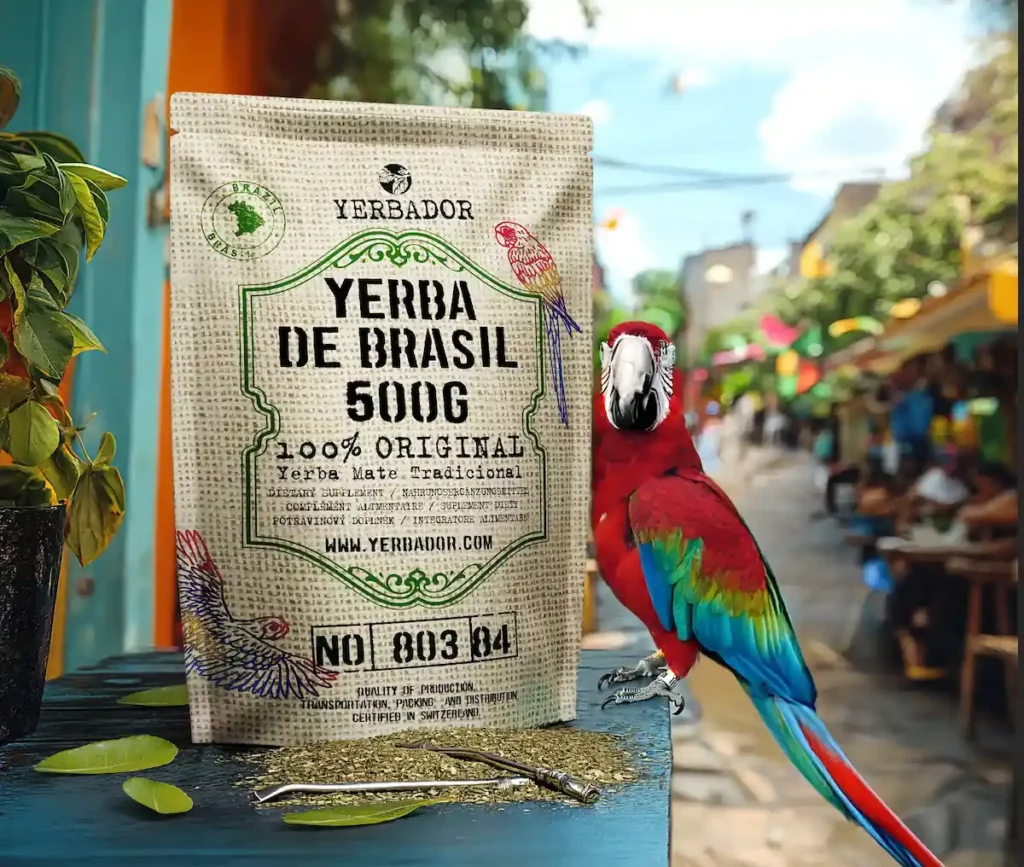
1. Yerba De Brasil – Doypack 0.5 kg
The best entry point. Classic Brazilian yerba with a green, crisp flavour profile, in a convenient resealable doypack. Half a kilogram lasts about 2 weeks of daily drinking – for the price of five energy drinks.
Check out the product: Yerba De Brasil – Doypack 0.5 kg
2. Yerba De Brasil – Doypack 1 kg
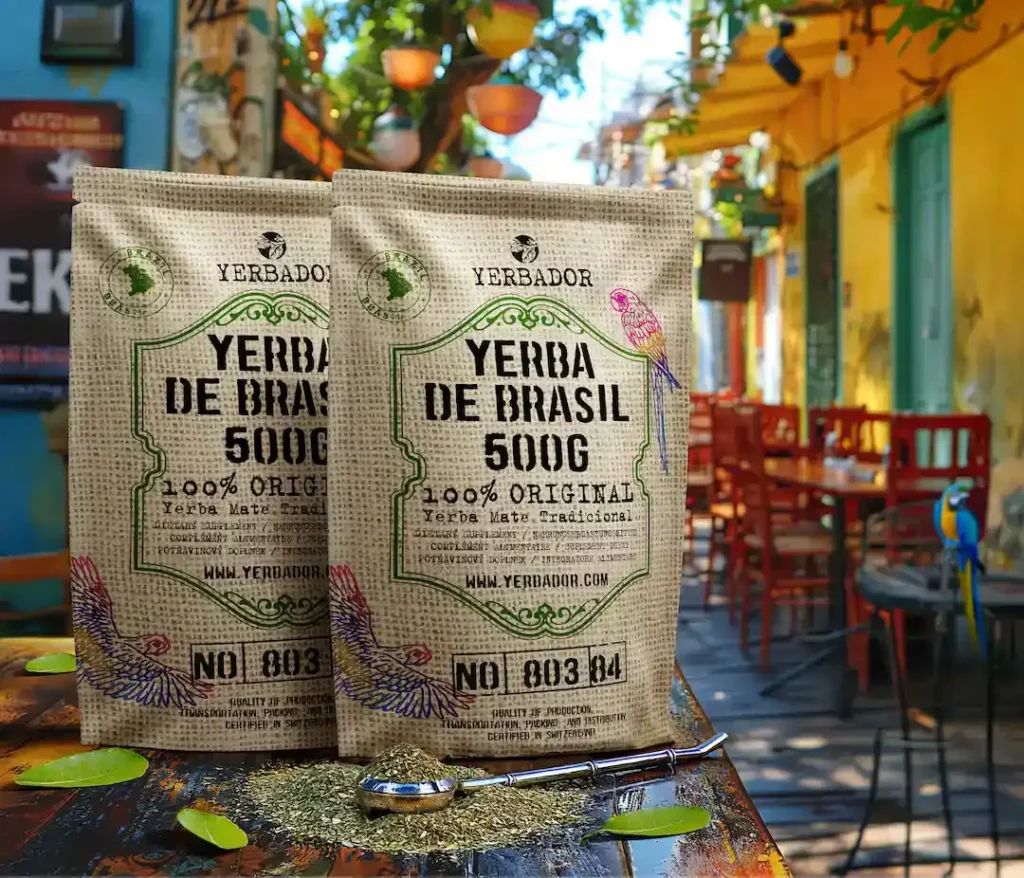
The same yerba, with the lowest price per kilogram in this line-up. The choice for people who already know yerba is here to stay. A month of drinking in a single pack.
Check out the product: Yerba De Brasil – Doypack 1 kg
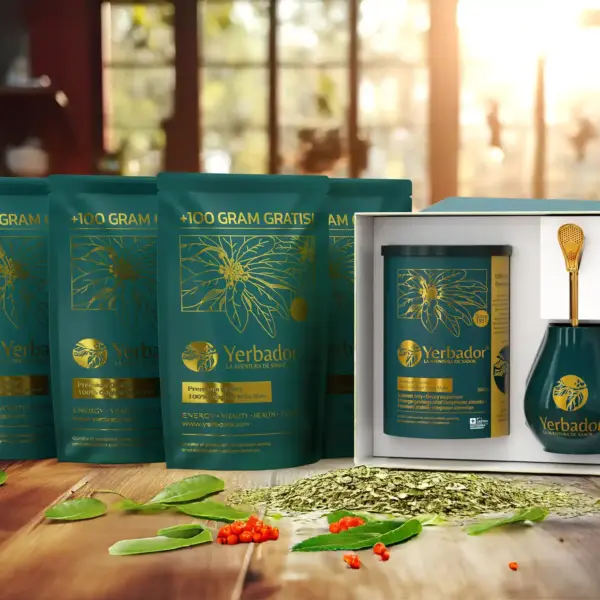
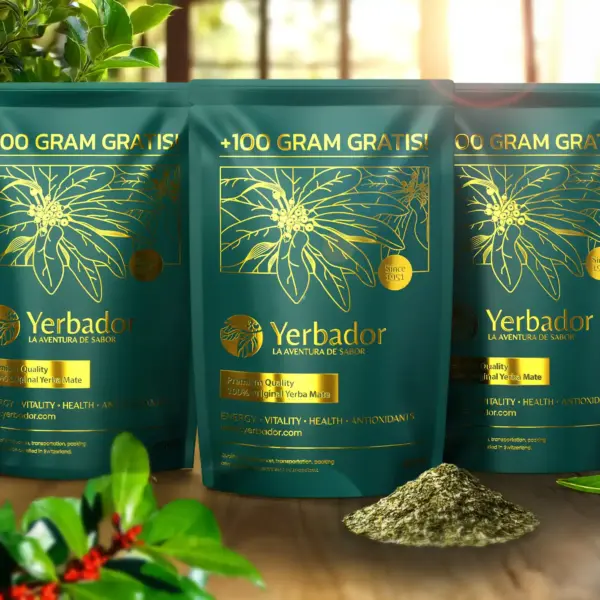
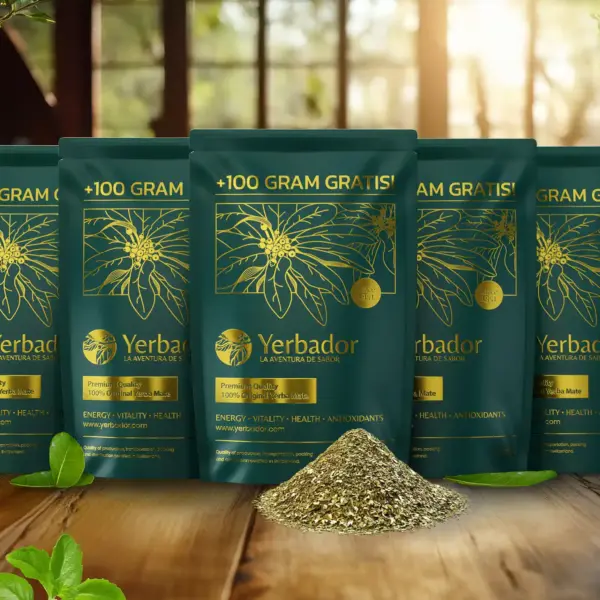
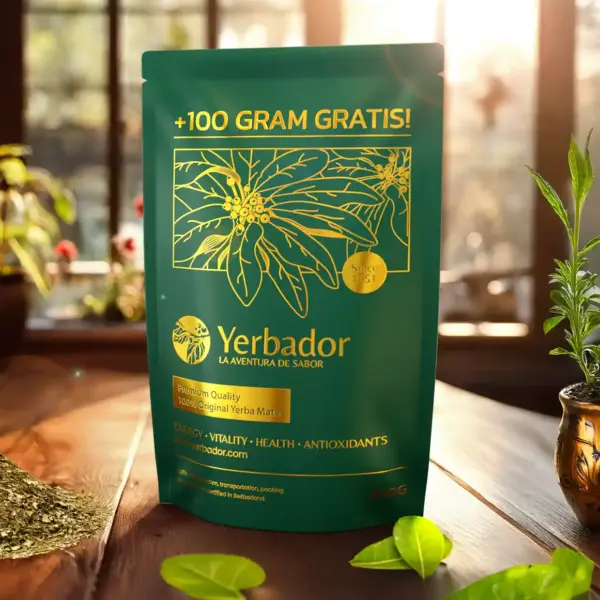
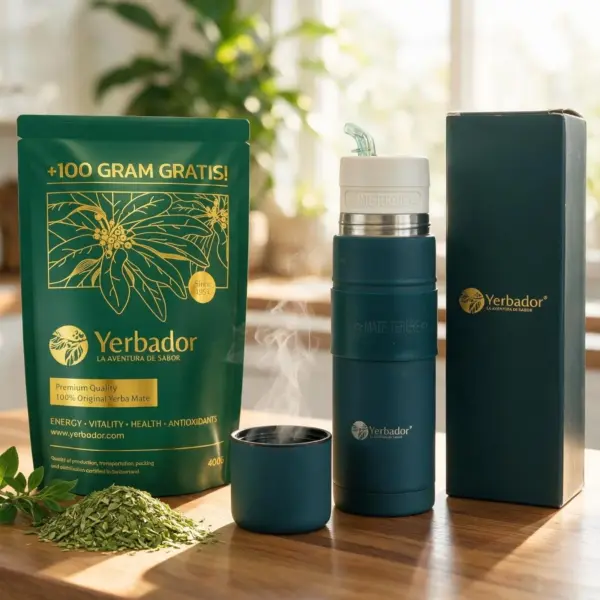
3. Airtight Doypack Yerba Mate + 100 g free
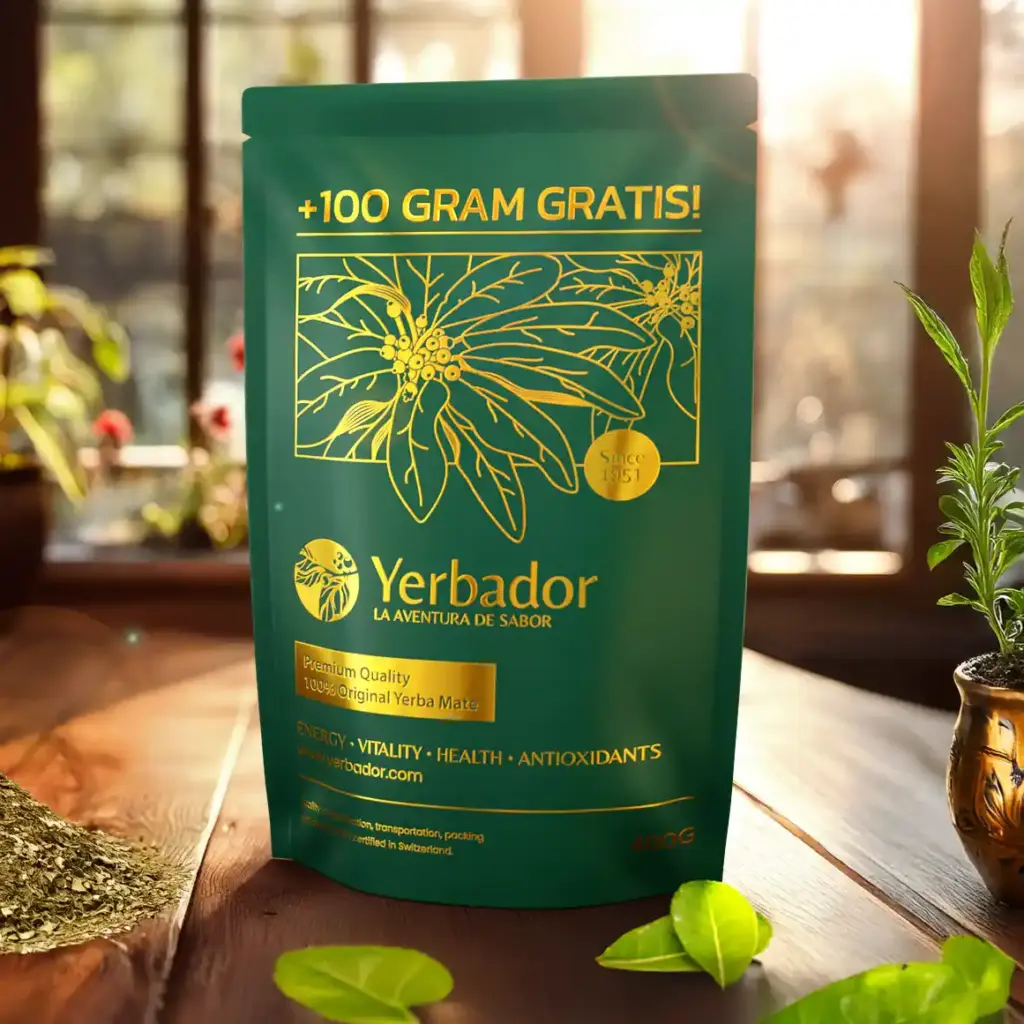
The premium shelf: 100% leaves only, no sticks, in airtight packaging that keeps the aroma right down to the last portion. Plus 100 g free in the set. This is the yerba where you’ll feel the difference from the very first brew.
Check out the product: Airtight Doypack Yerba Mate + 100 g free
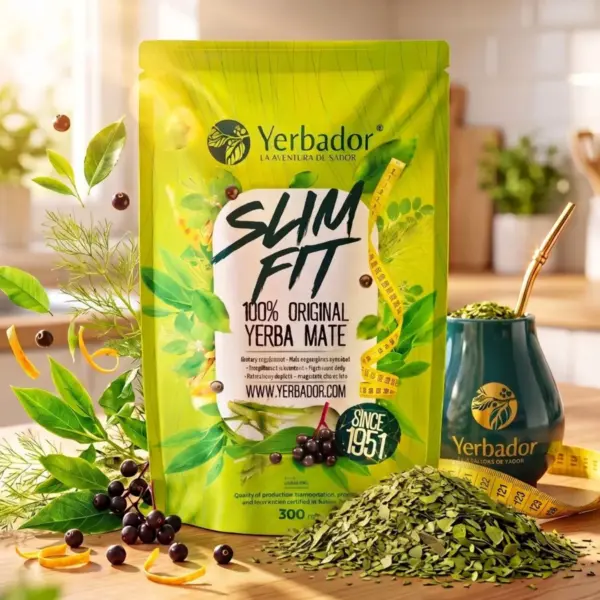
If you’re looking for a yerba for a specific goal – like weight control support – check out our complete guide to yerba mate for weight loss or read about how guarana works, which we combine with yerba in our energy variants.
Wholesale yerba mate prices – for shops and food service
Do you run a shop, café, or venue and are interested in wholesale prices? For bulk orders, unit prices look completely different than in retail – we’ve covered the details in a separate article on yerba mate wholesale for food service and shops. We prepare quotes for specific volumes individually:
[email protected]
FAQ – frequently asked questions about yerba mate prices
How much does good yerba mate cost?
Sensible quality starts at the mid-range level for a 0.5 kg pack. Premium leaves-only varieties in airtight packaging cost noticeably more per pack. Below a certain price per kilogram it’s hard to find a yerba that both tastes good and has been properly tested.
Is more expensive yerba always better?
No. Price is a starting point, not a verdict. Check three things: the share of leaves in the composition, the type of packaging, and whether the producer shows lab test results. Yerba priced high purely thanks to marketing does exist – just as fairly priced mid-range yerba does too.
How much does a month of drinking yerba mate cost?
With a daily portion of 30–40 g and a mid-priced yerba, a month costs less than a week of buying coffee out.
Why is yerba in airtight packaging more expensive?
Because airtight packaging genuinely costs more than a paper bag – but in return it protects the dried leaves from moisture and loss of aroma. With premium yerba, it’s an investment that pays off: the last portion from the pack tastes just like the first.
Discover our TOP products!
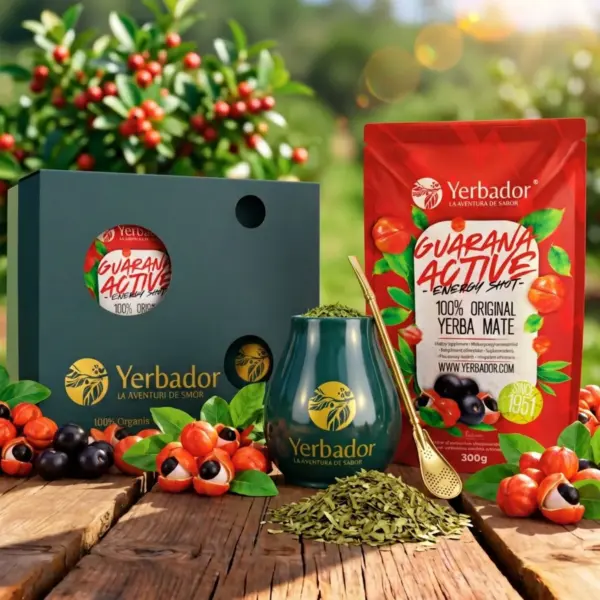
Your dream figure
Discover new flavors
Yerba mate with tea
Accessories
Superfoods
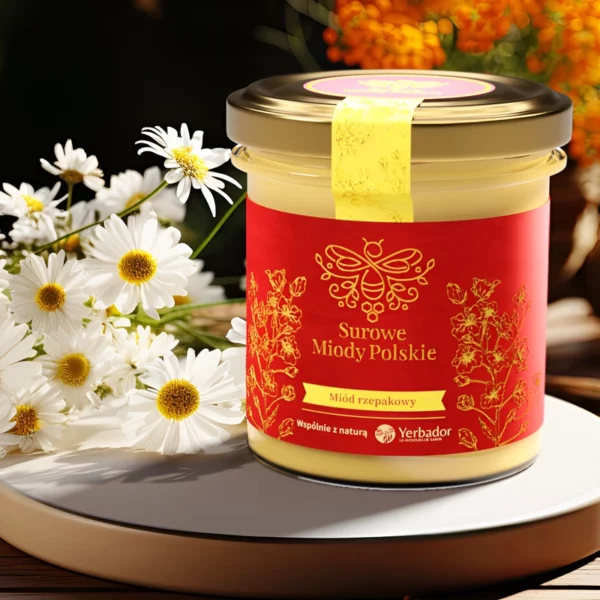
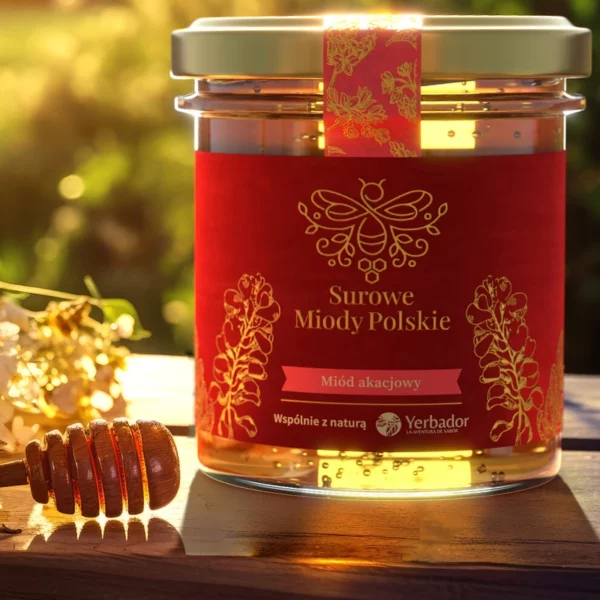
Certified raw honeys from Poland

Check the current price
free shipping
Up to 90 days
free returns
24 H
shipping