
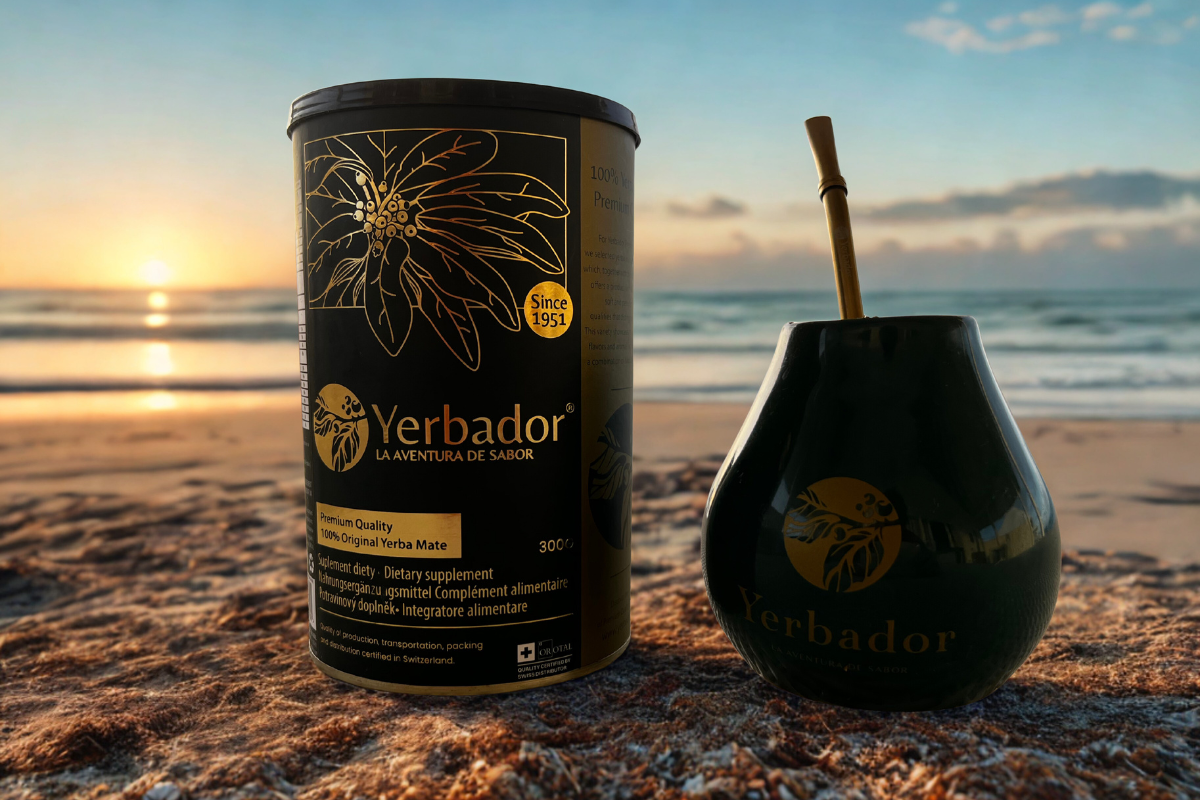
How to prepare cold Yerba Mate step by step? Discover the taste of Tereré with juice and ice
2025-08-01
In summer, when the sun is scorching, traditional hot Yerba Mate can give way to its cooler cousin – Tereré. This is a refreshing version of the infusion served cold, often with added juice and ice. Popular in Paraguay, and also in parts of Argentina and Brazil, it’s gaining an ever-growing following in Poland too. It’s no surprise – it combines the stimulating and health-promoting properties of mate with a crisp taste, perfect for hot days. Keep reading to find out how to prepare delicious Tereré!
Table of Contents
Choosing the right Yerba for cold brewing
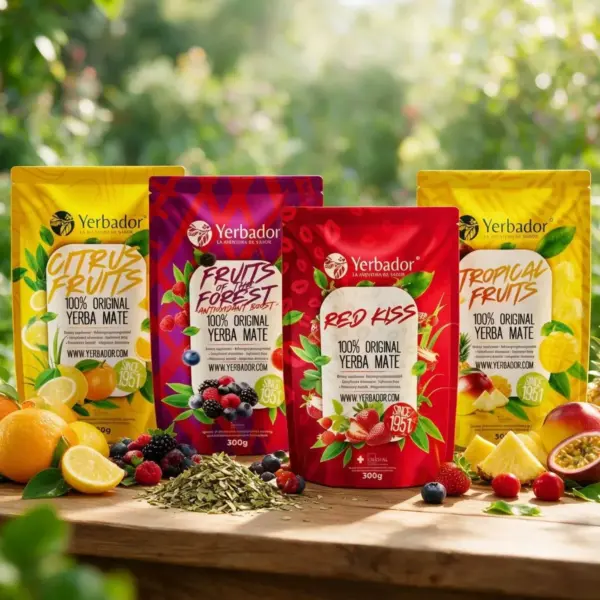
The secret to a great Tereré starts with choosing the right dried leaves. Versions meant for cold brewing usually have slightly coarser cut leaves and less dust, which makes the infusion milder and keeps its fresh flavour longer. Besides classic blends, it’s also worth trying flavoured Yerba Mates enriched with:
- mint leaves, which add a pleasant coolness,
- citrus peel, bringing a refreshing note,
- fruits such as passion fruit, mango, pineapple, orange and many more!
If you don’t have a special blend on hand, you can also reach for classic Yerba Mate – what matters most is that it’s good quality, since that’s what determines the flavour of the drink the most. Check out Yerba Mate perfect for Tereré and enjoy an exceptional taste very soon!
What accessories do you need?
Although in Paraguay Tereré is often drunk from simple vessels and metal bombillas, at home it’s worth having a few accessories that make preparation easier and improve comfort:
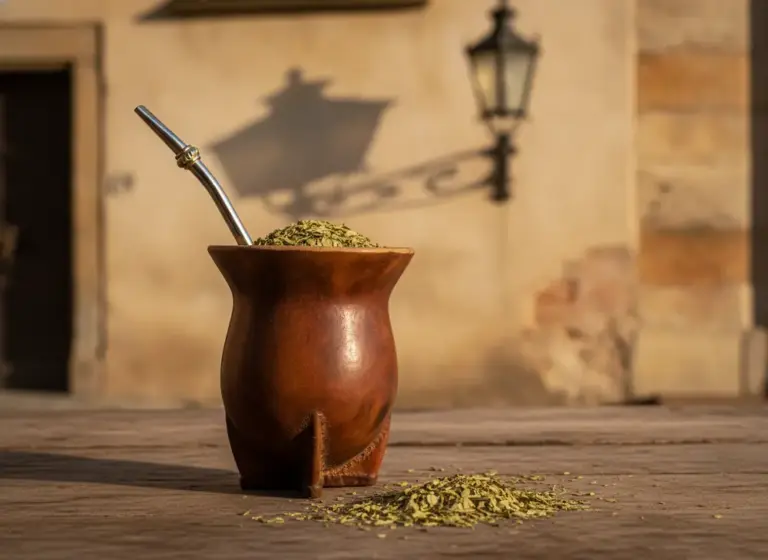
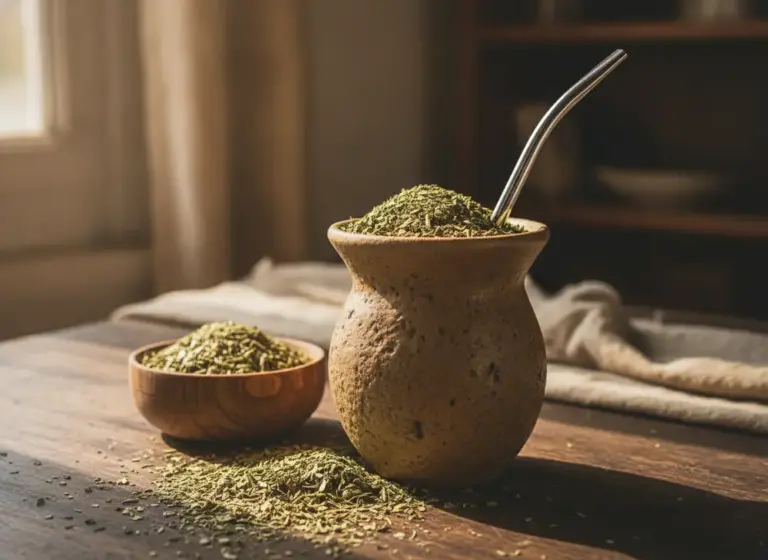
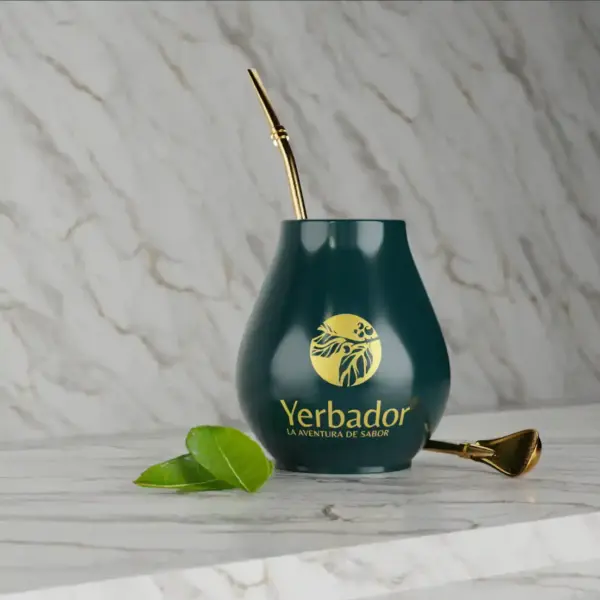
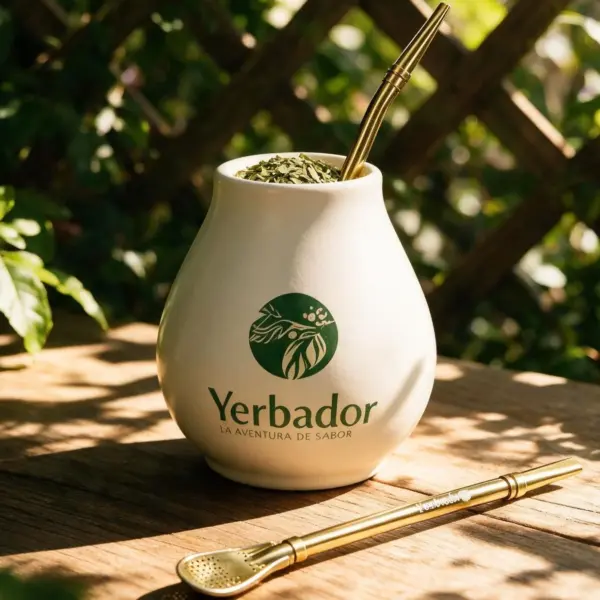
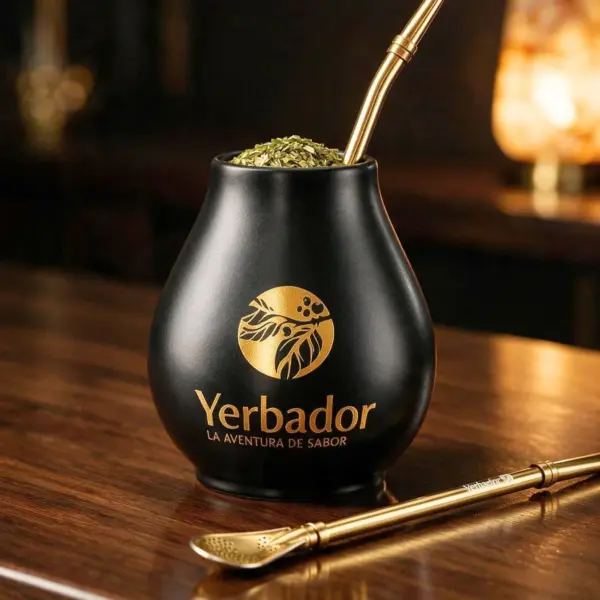
- Matero – the vessel in which the dried leaves are placed. It can be made of wood, gourd, stainless steel or ceramic.
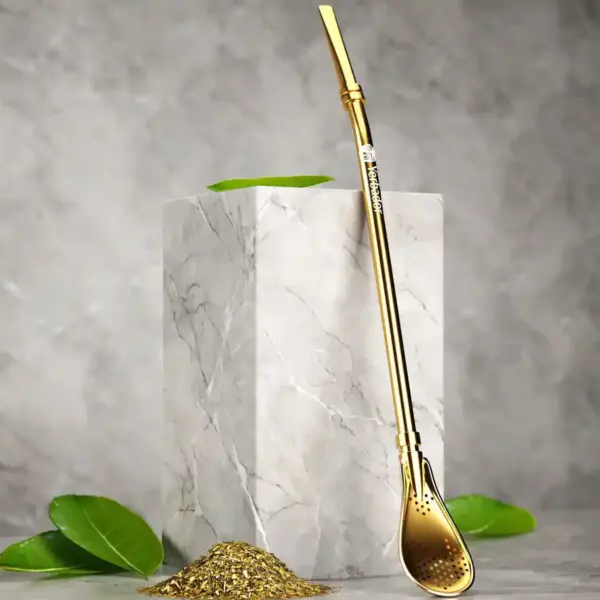
- Bombilla – a straw with a filter that separates the leaves from the infusion. For Tereré, models with a slightly larger strainer work well.
- Pitcher or shaker – useful if you want to prepare a larger amount of the drink at once.
- Ice and cold water or juice – key ingredients that give Tereré its character.
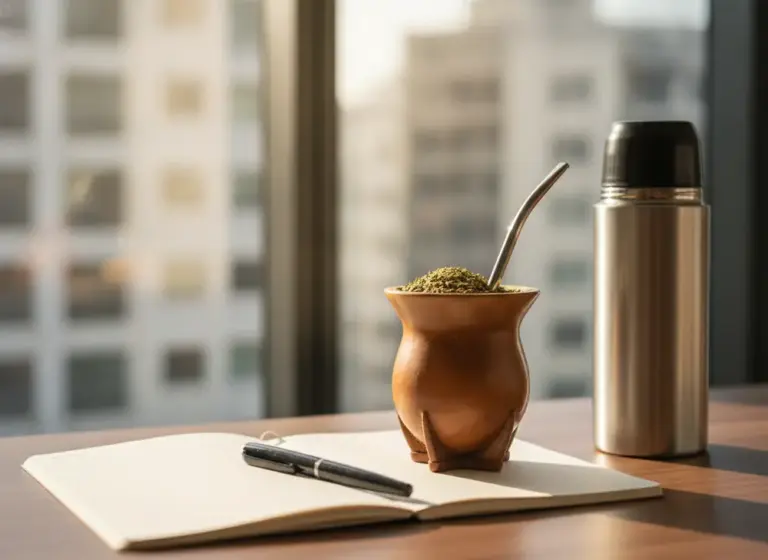
Interestingly, in South American countries water for Tereré is often served in special thermoses with a tap, so it stays cold for a long time. In Poland, this can easily be replaced with an ordinary pitcher of ice.
How much dried leaves and what water temperature?
When preparing Tereré, the rule is simple: the more dried leaves, the more intense the flavour and stronger the stimulation. Typically, the matero is filled from 1/4 to 1/2 of its volume, which corresponds to roughly 20–30 grams of Yerba Mate. For larger pitchers or bottles, this amount can be increased proportionally.
The temperature of the water or juice is also crucial. Traditional Tereré is brewed with water at 4–10°C, meaning really well chilled. You can use ice cubes, or for an even more refreshing version – frozen pieces of fruit (e.g. lemon, orange, pineapple).
Also read: How to brew Yerba Mate step by step?
You can also pour other cold drinks over Tereré. Yerba Mate with juice is a typical choice for those who like cool but sweet drinks. If you choose juice, make sure it’s natural and without added sugar – that way the flavour will be intense, without the drink becoming overly sweet. Add ice cubes to the mix, and you’ll get a refreshing, energising summer drink!
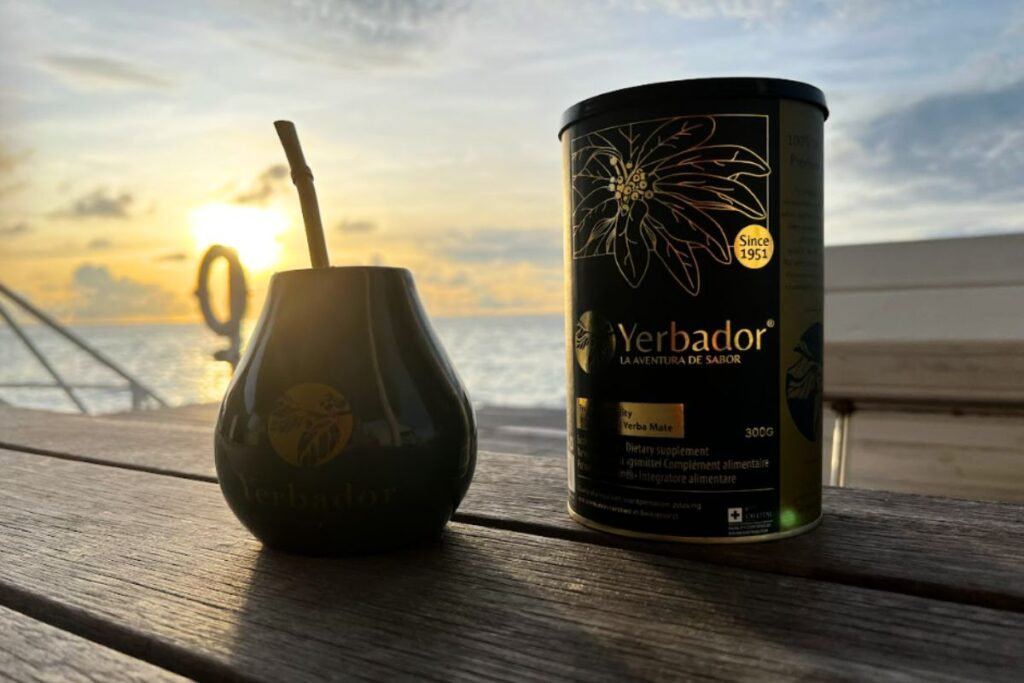
Tereré step by step – a recipe for refreshment
To help you prepare your own Tereré, we’ve put together a simple guide:
- Add the dried leaves – fill the matero to 1/4–1/2 of its volume (approx. 20–30 g of Yerba Mate).
- Arrange the leaves to one side – gently tilt the vessel so they gather on one side.
- First pour – pour a small amount of cold water to “wake up” the leaves. Wait a moment.
- Add ice and your chosen liquid – top up with water or juice, ideally chilled to 4–10°C.
- Insert the bombilla – place the straw where there is the least amount of dried leaves.
- Drink and top up – once the drink runs out, add more cold liquid until the leaves lose their flavour.
Within a few minutes you can enjoy a drink that not only refreshes but also boosts energy – perfect for relaxing in the garden as well as during work or travel.
The most common mistakes when preparing cold Yerba Mate – what you need to know
Although Tereré seems like a simple drink, in practice it’s easy to make a few small mistakes that affect its taste and aroma. Here are the most common ones:
- Too finely cut leaves – small particles easily clog the bombilla filter, making it hard to drink. Choose coarser-cut blends for Tereré.
- Using warm or lukewarm water – instead of refreshment, you’ll get a bland infusion. The water should be as cold as possible.
- Over-sweetening – sugar or sweet drinks kill the characteristic taste of mate. If you want to add sweetness, choose honey or natural juice.
- Too little dried leaves – an overly diluted infusion will lack strength and aroma.
Also remember that to achieve the desired taste, it’s worth pouring a small amount of water into the vessel with Yerba at the beginning, so the leaves “wake up” and release their aromas, and only then top up the drink.
Inspiring additions to Yerba Mate Tereré – what does it taste best with?
Although classic Tereré is based on water and dried Yerba Mate leaves, there are really many flavour possibilities. Additions let you give the drink an individual character and adapt it to your mood or occasion.
Fresh herbs are a great choice – mint gives the drink a cooling aroma, lemon balm adds a note of mildness, and lemon basil can surprise with a citrusy hint. Fruit slices work equally well: lime, lemon or orange enhance refreshment, strawberries add sweetness, and kiwi brings an exotic touch.
Preparing Tereré based on juices is also becoming increasingly popular – from mild apple, through tangy grapefruit, to intense passion fruit. Coconut water is an interesting alternative, as it not only replenishes electrolytes but also gives the drink a subtle tropical flavour.
For lovers of bold flavour notes, ginger (fresh or sliced) is recommended, gently warming, as well as lavender, which adds a light floral aroma. There are truly many possibilities – all it takes is a bit of creativity to turn classic Tereré into your own signature blend.
Read also: Yerba Mate Additions – How to Enrich the Flavour?
The history and tradition of Tereré in Paraguay
Tereré is more than just a drink – in Paraguay, it’s an element of daily life and a symbol of hospitality. Its history dates back to the times of the Guaraní Indians, who were the first to discover the stimulating properties of the leaves of the Paraguayan holly. Initially, the infusion was drunk hot, but the region’s hot climate meant that over time people began pouring cold water over the leaves, creating a refreshing variant – Tereré.
In Paraguayan culture, drinking Tereré is above all a ritual of community. One matero is passed around among the participants of a gathering, and the host (the so-called cebador) is responsible for topping up cold water or juice and serving the next portions. In parks, on the streets or while working, you can see people with thermoses and vessels – it’s an everyday sight, similar to morning coffee in other parts of the world.
Interestingly, in 2020 Tereré was added to the UNESCO Intangible Cultural Heritage list, highlighting its cultural significance and role in Paraguay’s national identity.
Does cold yerba mate stimulate less than hot yerba mate?
This question comes back every time someone sees dried yerba mate poured over ice-cold water for the first time. If the water is only 4–10°C, does caffeine even make it into the infusion? It does — just more slowly. Cold extraction is lazy: the first pour releases less caffeine than classic hot brewing, so the first sip of tereré can be milder than you’d expect. But tereré is drunk in refills. By the fifth or sixth pour over the same leaves, the total caffeine becomes comparable to a hot session — the difference is mainly in pace. Hot yerba mate hits fast, cold spreads the boost out over a longer time. In practice, this is an advantage: the energy lasts a whole afternoon by the water, instead of arriving and fading within an hour. We broke down exactly how much caffeine yerba mate has compared to coffee, tea and energy drinks in a separate article: how much caffeine do coffee, tea, yerba mate and energy drinks have.
Tereré in a thermos – refreshment to go
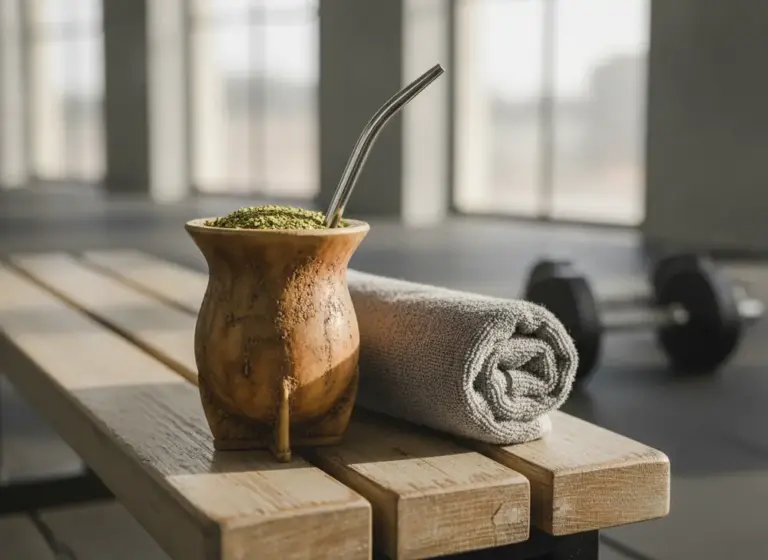
Tereré tastes best where it’s genuinely hot: on a blanket in the park, on a bike ride, after a workout, at the allotment. The packing rule is simple — the dried leaves travel separately, the water separately. Pour well-chilled water with ice into a thermos (a metal thermos will hold the temperature for many hours), and take the matero with the leaves and the bombilla in a bag. On site, you pour portion after portion, exactly as you would at home.
One thing not to do: don’t pour water over your whole supply of dried leaves in advance. Leaves that sit soaked in warmth for several hours turn bland and lose the fresh, grassy character — which is exactly the point of the whole thing. You’ll find more tips for yerba mate away from home in our article about yerba mate on the go. And if you’re wondering whether drinking tereré counts toward your daily hydration, we checked that separately: does yerba mate hydrate better than water.
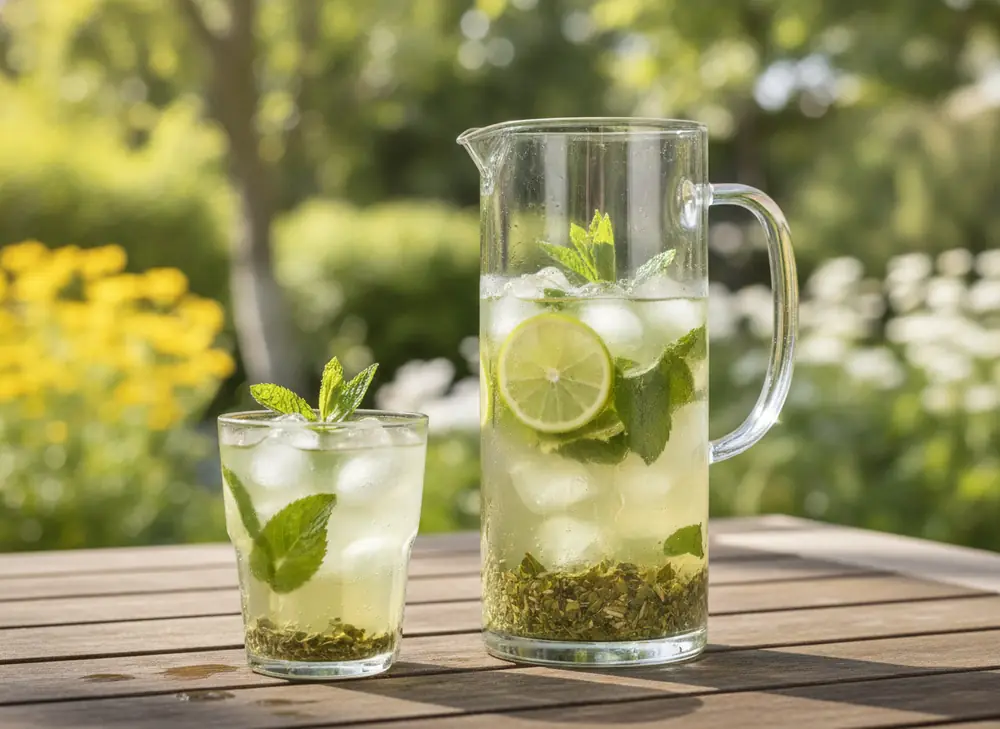
Three yerbas that taste best in cold water
Theory is theory, but tereré is made from specific dried leaves. From our shelf, three options work exceptionally well in cold water — each in a different style.
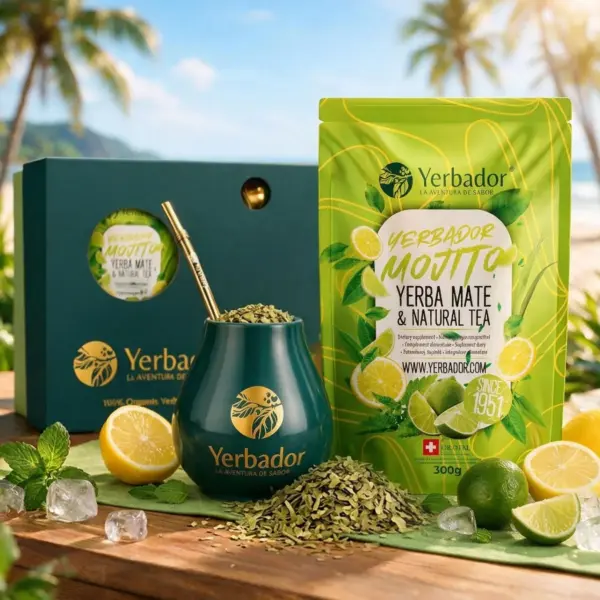
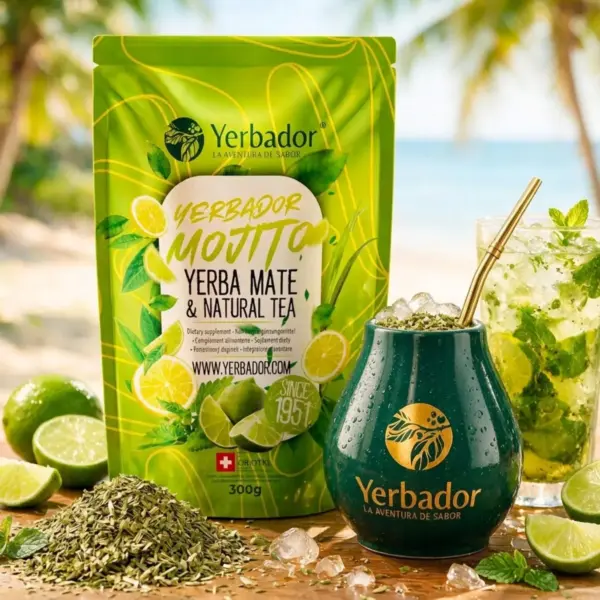
MOJITO LIME – yerba mate with green tea
The lime profile and the lightness of green tea make this blend taste as if it had been designed from the start for a glass with ice. All you need is cold water and a few mint leaves — juice is unnecessary. Our favourite for hot days.
Check out the product: MOJITO LIME – Yerba Mate + Green Tea
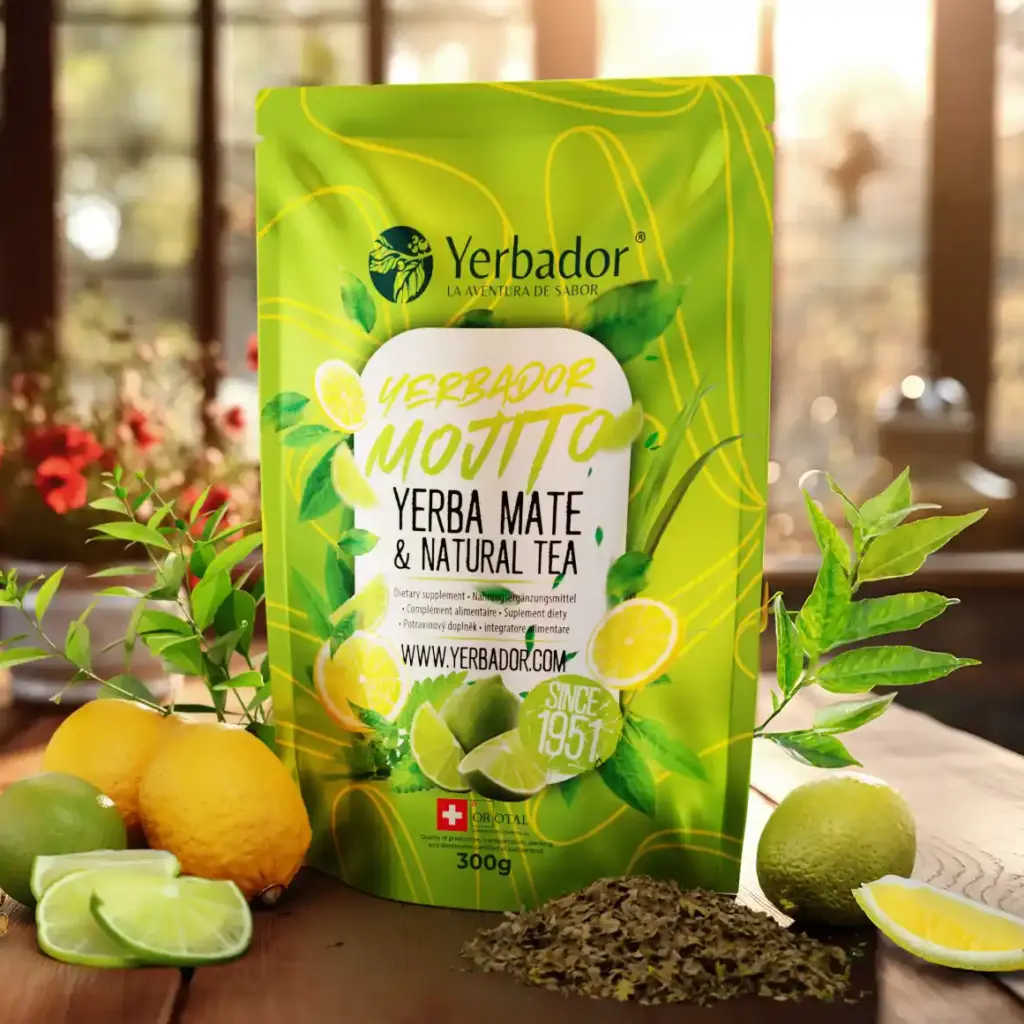
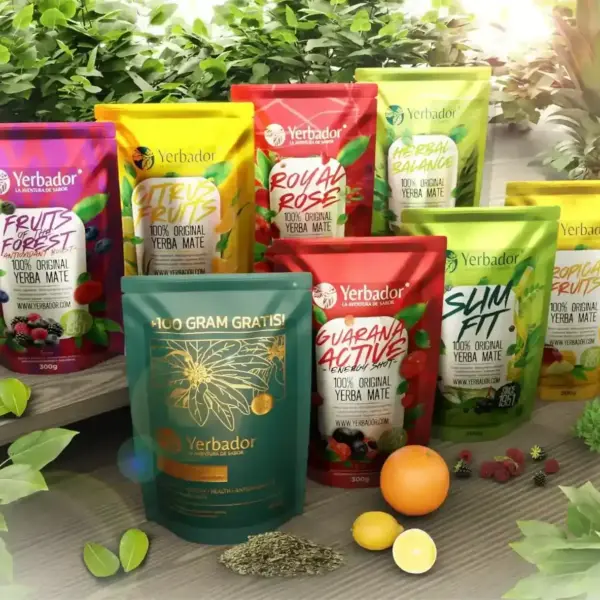
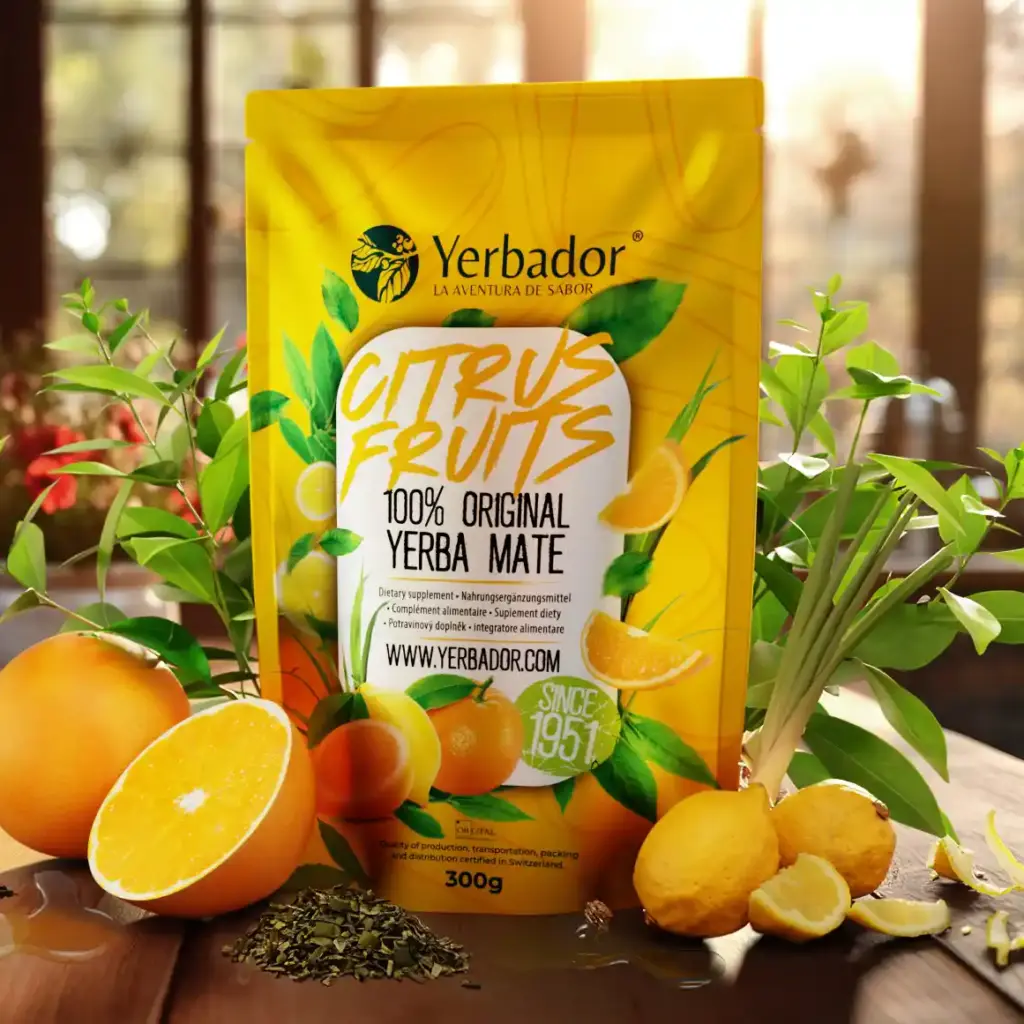
CITRUS FRUITS – instant refreshment
The citrus peel does all the work here: the infusion is refreshing even with plain water, so it’s a good choice if you don’t want to sweeten your tereré with juice. In summer it flies off our shelves.
Check out the product: YERBA MATE YERBADOR – CITRUS FRUITS
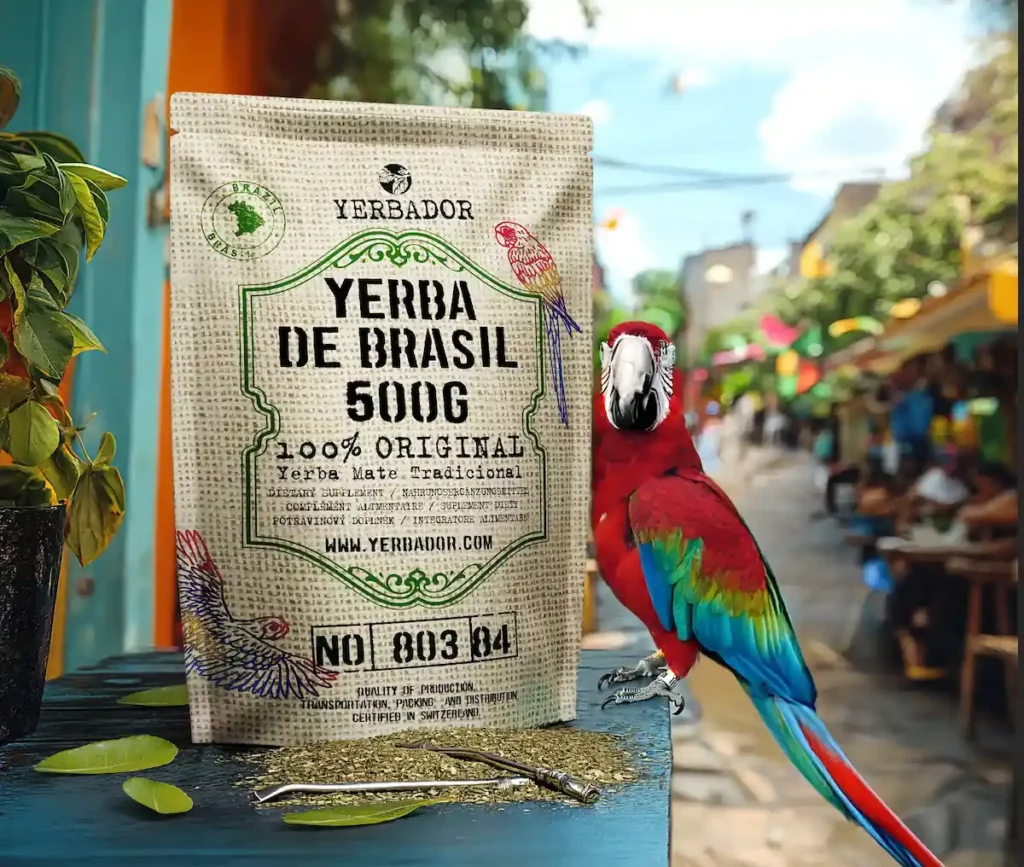
Yerba De Brasil 0.5 kg – classic base
Pure, classic yerba with no additions. For tereré with juice it’s the perfect base — the fruity sweetness comes from the juice, while the leaves provide strength and character. Given the price of half a kilogram, it’s also the cheapest way to check whether the cold version is your style.
Check out the product: Yerba De Brasil – Doypack 0.5 kg
Quality you can feel even through the ice
Cold water is merciless to poor-quality dried leaves. Boiling water and intense bitterness can mask imperfections — a delicate, cool infusion cannot. Old leaves, excess dust or stale aroma can be tasted in tereré from the very first sip. That’s why it’s even more worthwhile to choose dried leaves from a trusted source for the cold version.
Our leaves come from Brazil and are packed in Europe. Each batch undergoes testing: IWNIRZ confirms authenticity chromatographically, J.S. Hamilton checks compliance with the reference standard, and GBA Polska tests the dried leaves for heavy metals, pesticides and PAHs. On top of that, there’s HACCP, KIWA certification, Swiss OROTAL certification and the Quality Certificate from the National Medicines Institute.
Tereré in a café or restaurant
Do you run a café, bar or sports club? Tereré is a strong candidate for the summer menu: it looks striking in a tall glass, a serving costs pennies, and it’s still served in only a handful of places in Poland — easy to stand out. For how to calculate a serving, choose a variant and introduce a new item step by step, we’ve described it in the guide to introducing yerba mate into a restaurant or bar, and you can find wholesale cooperation terms in the Yerbador B2B offer.
FAQ – cold yerba mate
Can every yerba mate be drunk cold?
Yes — any yerba mate will brew in cold water. The most convenient to work with are coarser-cut and flavoured blends; very finely cut dried leaves with a lot of dust will clog the bombilla filter faster. If you’re just discovering the topic, take a look at our article what is tereré or the encyclopedic entry Tereré on Wikipedia.
How much dried leaves per roughly a litre jug?
Usually 30–40 g, which is roughly what fits in 1/4 of a typical matero. Just starting your adventure with cold yerba mate? Stick to the lower end — you can always boost the strength with the next jug.
Can I prepare tereré in the evening for the next day?
Better not to. Dried leaves steeped and left standing all night — even in the fridge — lose their freshness and become bland. Preparing it from scratch takes three minutes, so in the morning simply pour a fresh serving. However, you can safely keep chilled water or juice in the fridge, ready to use.
Does tereré support weight loss the same way as hot yerba mate?
Cold infusion contains the same xanthines as hot, so the mechanism of action is the same — only the extraction rate differs. Tereré can also be a great substitute for sweet, frozen drinks, which makes a real difference to your daily balance in summer. We break the whole topic down in detail in the complete guide to yerba mate for weight loss.
Summary
Tereré, or cold-brewed Yerba Mate, isn’t just a way to cool down on hot days — it’s a drink full of flavor, energy, and tradition. Thanks to simple rules – choosing the right dried leaves, chilled water or juice, and adding herbs and fruits – you can prepare a refreshing infusion straight from Paraguay in just a few minutes. It’s no surprise that Yerba Mate from Yerbador is winning the hearts of enthusiasts. Tereré is the perfect companion for summer gatherings, workouts, and moments of relaxation – try it once and it’s sure to become part of your daily ritual!
Discover our TOP products!
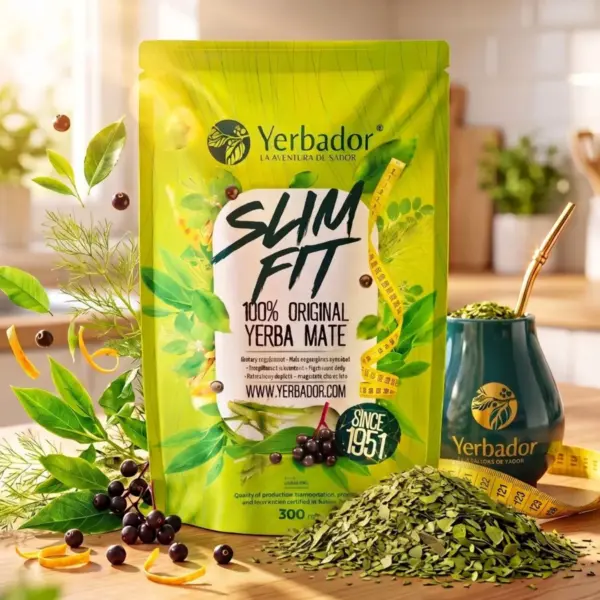

Your dream figure
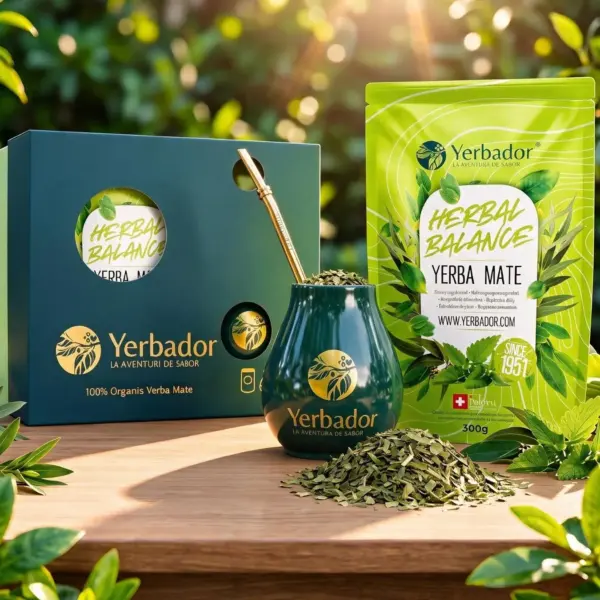
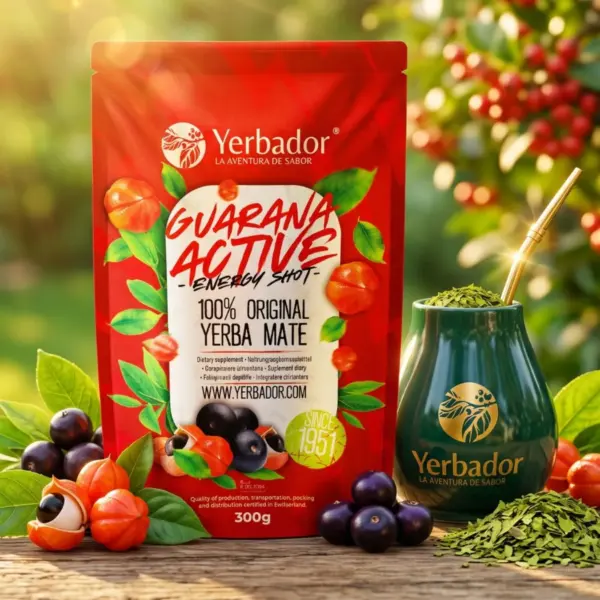

Discover new flavors
Yerba mate with tea
Accessories
Superfoods


Certified raw honeys from Poland
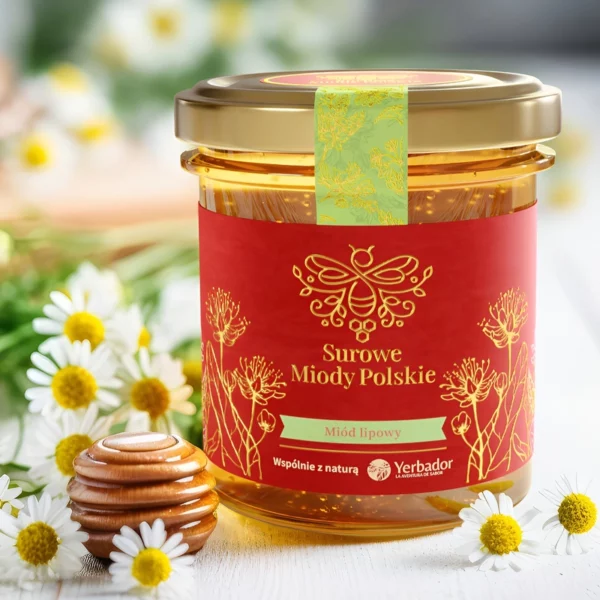

Check the current price
free shipping
Up to 90 days
free returns
24 H
shipping