
Tereré – Cold-Brewed Yerba Mate: How to Prepare It Step by Step
2025-07-01
Yerba Mate is a drink that has accompanied the inhabitants of South America for centuries – both in daily rituals and during important celebrations. Although most people associate it with a hot infusion, there is an equally popular and cherished version – tereré, or cold Yerba Mate. It’s a refreshing alternative to the traditional brewing method, gaining increasing popularity not only in Paraguay, but around the world, including Poland.
Table of Contents
History and origins of tereré
The roots of tereré date back to pre-colonial times and are inseparably linked to the culture of the Guarani people – the original inhabitants of the lands that today make up Paraguay, northern Argentina, and southern Brazil. It was they who first began chewing the leaves of the Paraguayan holly (Ilex paraguariensis), and later prepared an infusion from them.
Over time, especially in Paraguay’s hot climate, people began pouring cold water over the dried leaves. This is how tereré was born – a drink that quickly became a national symbol and an integral part of Paraguayan identity. Tereré has even been recognised as part of Paraguay’s cultural heritage.
Differences between tereré and classic Yerba Mate
Although both classic Yerba Mate and tereré are prepared from the same Paraguayan holly leaves, they differ mainly in:
- Water temperature: tereré is prepared with cold water or ice water, and sometimes citrus juice (e.g. orange or grapefruit), which gives the drink a refreshing taste. Classic yerba mate requires water at a temperature of 70-80°C.
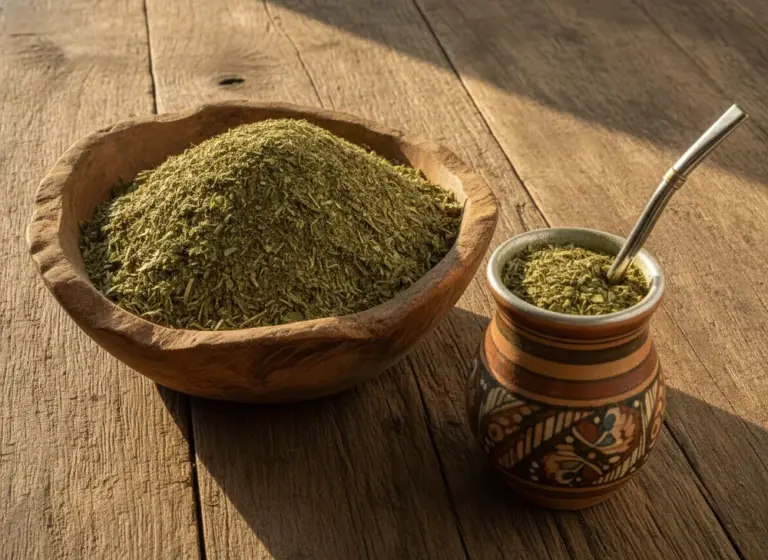
- Type of dried leaves: tereré usually uses more coarsely cut leaves, with less dust. It often also contains added herbs, mint, eucalyptus, or citrus peel.
- Effect: tereré has a gentler, more refreshing and cooling effect, while hot yerba mate can act faster and more intensely in terms of stimulation.
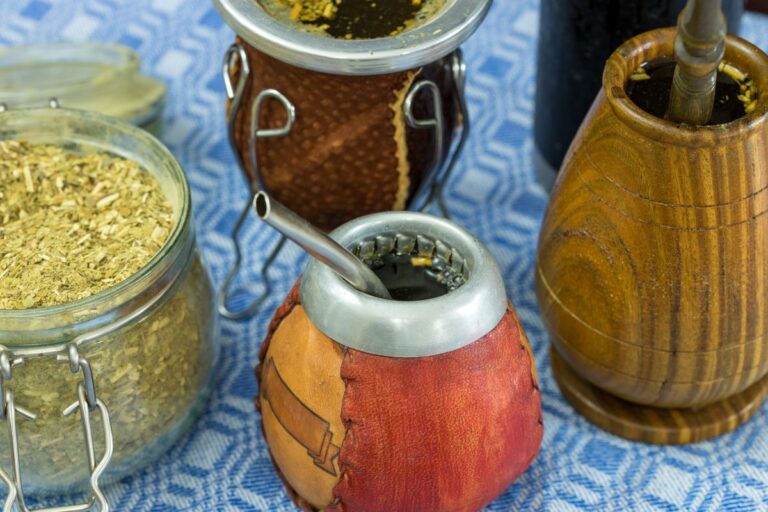
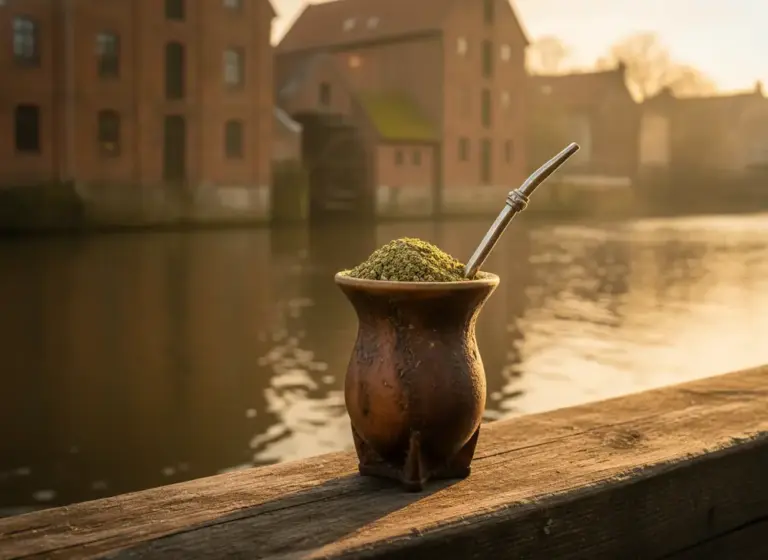
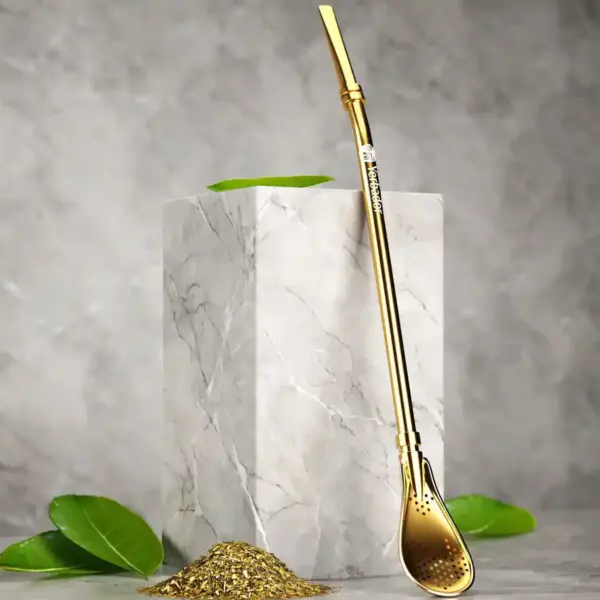
- Way of drinking: tereré is most often drunk from a larger vessel with a bombilla (a straw with a filter), into which cold water from a thermos or fridge is added from time to time.
Read also: Cold Yerba Mate – the perfect way to enjoy summer!
Who drinks cold Yerba Mate most often?
In South America, tereré is part of everyday life for Paraguayans – it’s drunk literally everywhere: on the streets, at school, at work, on picnics, or when meeting with friends. For Paraguayans, it’s more than a drink – it’s a symbol of community, lifestyle, and relaxation.
In Poland and Europe, tereré is mainly chosen by people who:
- value natural refreshment without sugar or artificial additives,
- are looking for an alternative to energy drinks or sweetened iced teas,
- are interested in a healthy lifestyle and fit supplementation,
- are tired of the taste of coffee or classic teas.
Yerba – even in its cold version – is winning the hearts not only of exotic-taste enthusiasts, but also of conscious consumers.
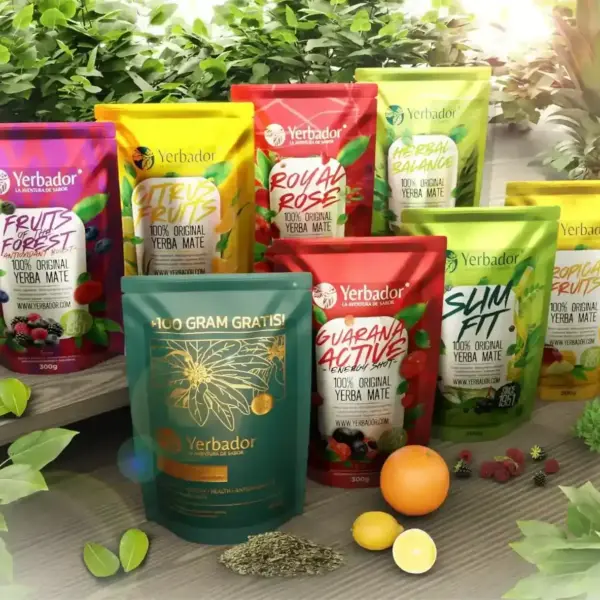
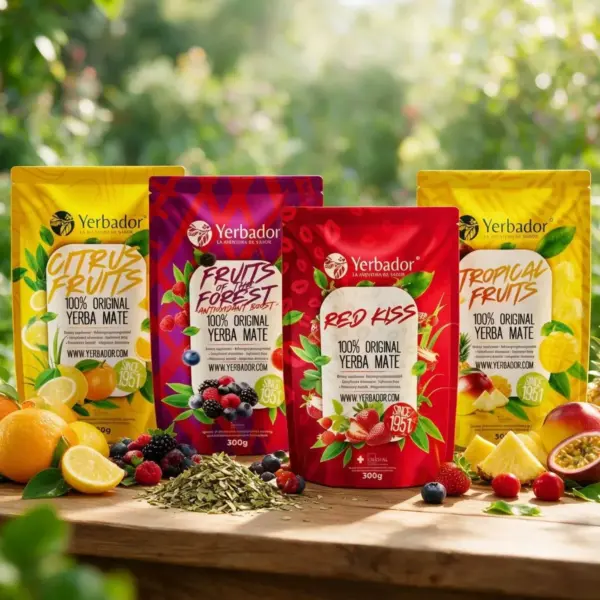
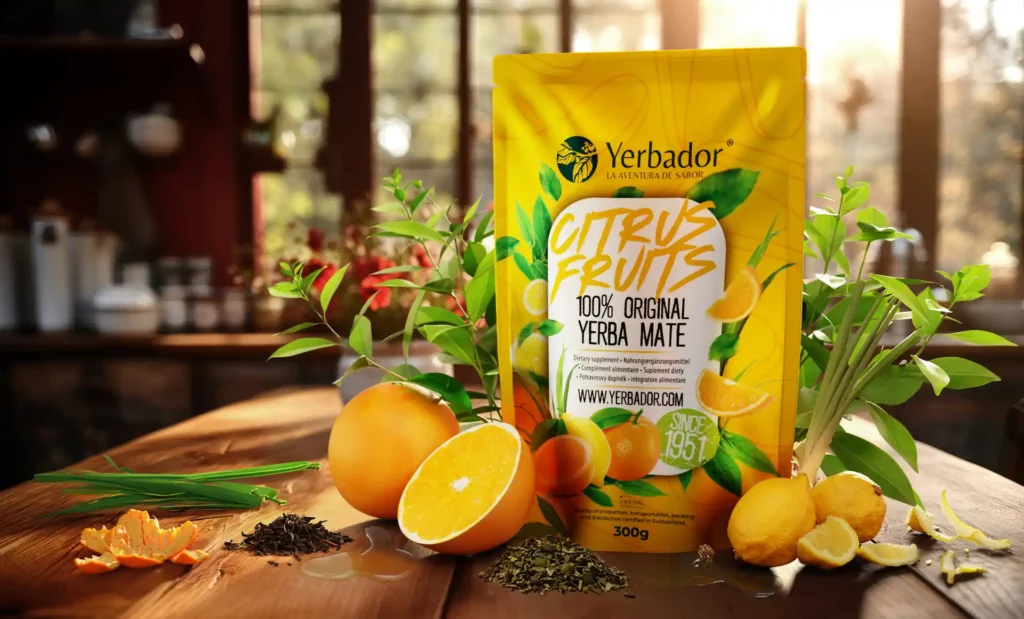
Check out the product: Yerba Mate Yerbador – Citrus Fruits
Benefits of tereré in warm climates and beyond
Although tereré originates from tropical regions, its benefits are also appreciated by people living in temperate climates – especially in summer. What makes this drink worth your attention?
- Natural hydration – cold water and herbs perfectly quench thirst, while also providing trace elements.
- Refreshment without sugar – tereré is a healthy alternative to lemonade, cola or energy drinks.
- Gentle stimulation – the caffeine contained in the leaves acts mildly, improves concentration, but doesn’t cause a sudden “crash” like coffee does.
- Antioxidant effect – yerba mate contains polyphenols that support immunity and help fight oxidative stress.
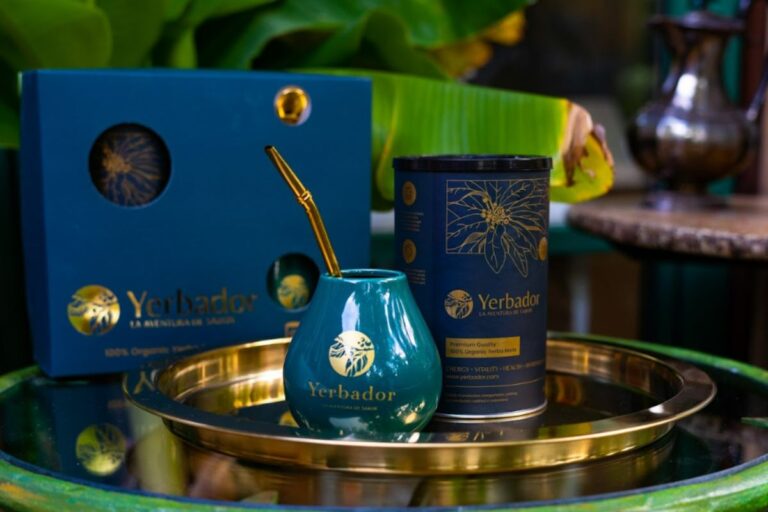
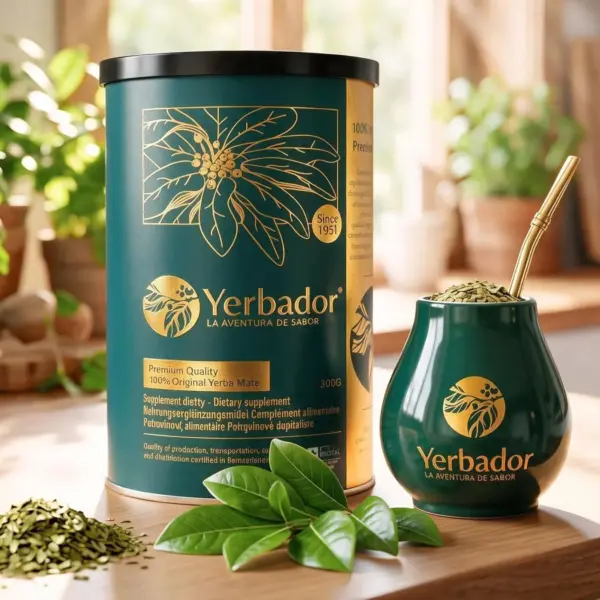
You don’t have to live in the tropics to enjoy the taste and properties of tereré. All you need is a thermos with ice, a bombilla and good dried leaves – for example, Yerba Mate from Yerbador, whose rich, herbal compositions work great served cold. It’s worth trying this South American tradition on a summer afternoon – maybe after just one sip, you’ll discover tereré is your new favorite drink!
How to prepare tereré step by step
This shortcut is enough to get started, but if you’re looking for a full guide with photos and add-on variations, check out our detailed recipe for cold yerba mate step by step.
Theory is one thing, but most of the questions we get are about the technique itself: how much dried leaf, how cold the water should be, and what to do so the flavor doesn’t disappear after three sips. Here’s a version that works even without a traditional guampa from Paraguay, in an ordinary matero from your cupboard.
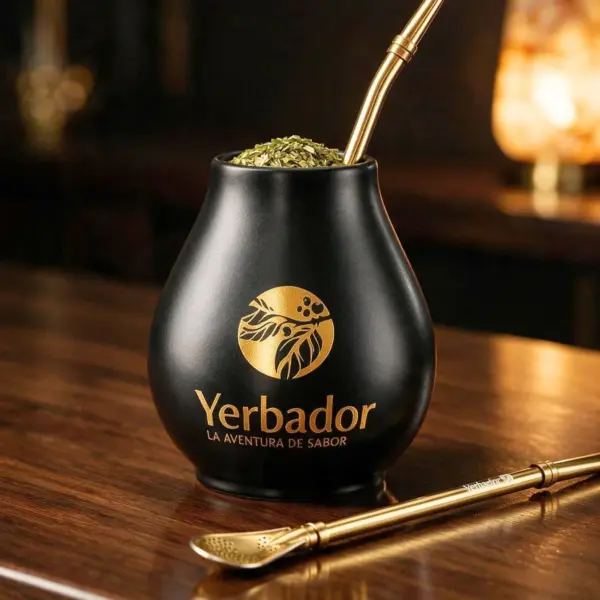
Fill the vessel with dried leaves to about two-thirds of its height. This is more than with classic hot brewing, because cold water extracts more slowly and needs more leaves in contact. Tilt the matero so the dried leaves settle at an angle, leaving one side empty. Slide the bombilla into that empty space, pressing it gently against the bottom so the filter doesn’t suck up the leaves on the first sip.
Take the water straight from the fridge, ideally 4–8°C, or even colder with ice cubes. Pour it slowly, along the wall of the vessel, not directly onto the center of the leaves, so you don’t soak the whole portion at once. The first portion of water needs about half a minute to soak into the leaves. Drink slowly, in small sips, and top up with fresh water as the level in the vessel drops. One well-packed portion of dried leaves usually lasts through six to ten refills before the flavor noticeably fades – it depends on the thickness of the leaf cut and how much time passes between sips.
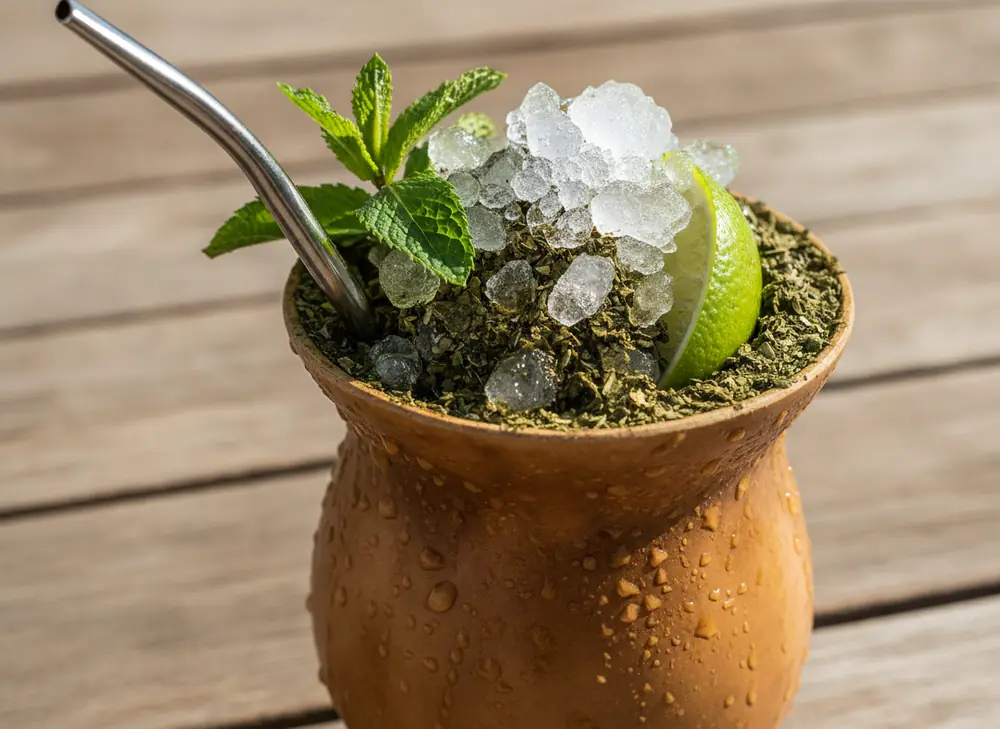
Want a version closer to Paraguayan tradition? Add a slice of lime or orange to the water, along with a few fresh mint or eucalyptus leaves. Citrus and herbs not only taste great, but also mask the bitter note that some people notice more strongly in cold water than in a hot infusion.
How much caffeine does tereré have compared to hot yerba mate?
This is the question that comes up most often. Caffeine from holly leaves dissolves in cold water just as it does in hot water, only more slowly, which is why a sip of tereré doesn’t hit you the way a sip of hot matero does right after brewing. Over the course of a whole drinking session, one portion of dried leaves releases a similar amount of caffeine as classic brewing, just spread over more refills and a longer time. In practice, this means a milder, more sustained stimulation, without a sharp spike after the first sip.
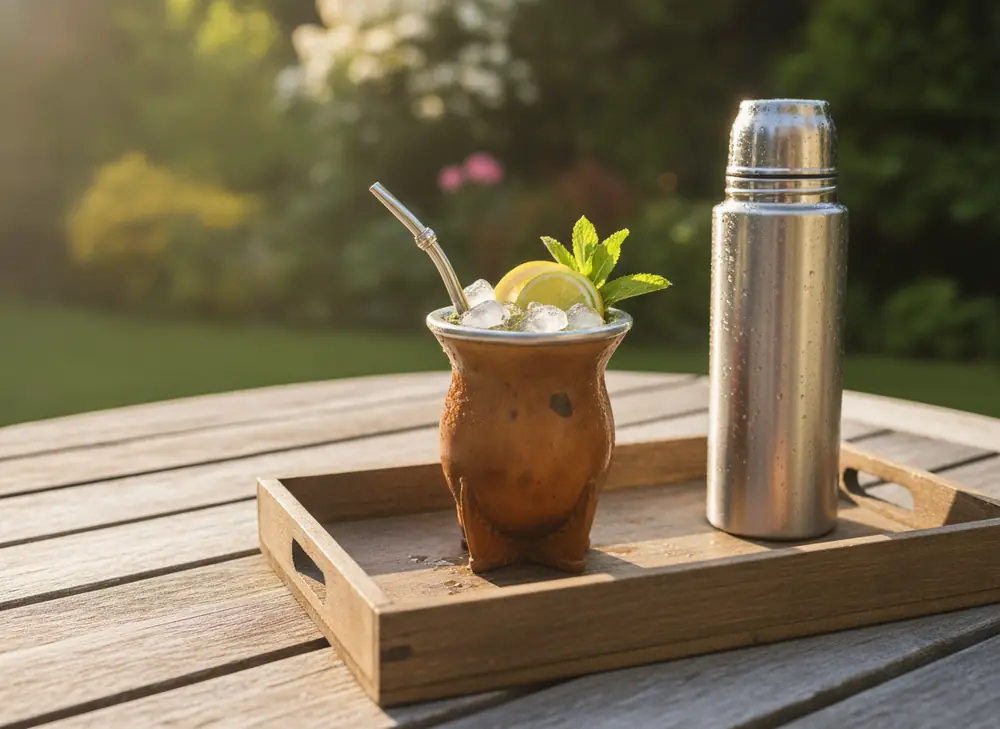
Tereré with Yerbador – flavors that handle ice the best
Not every dried leaf blend behaves the same way in cold water. Pure, classic yerba can come out a bit flat, because without heat the aroma opens up more slowly. Flavored blends fare better, since fruit and herb oils release even at lower temperatures.
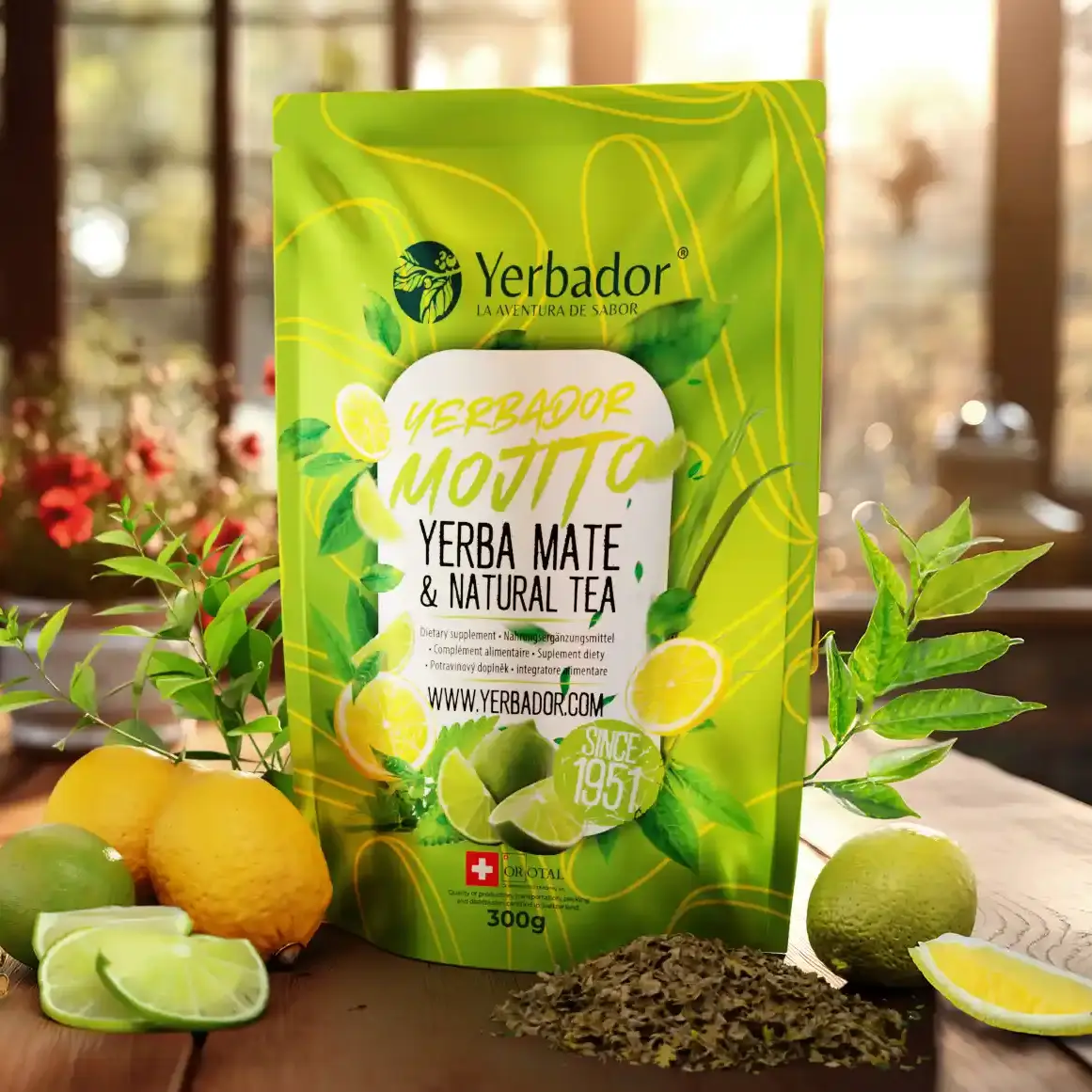
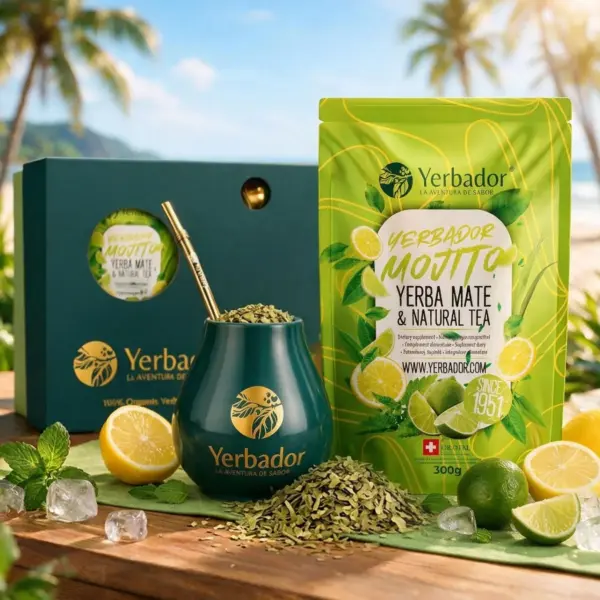
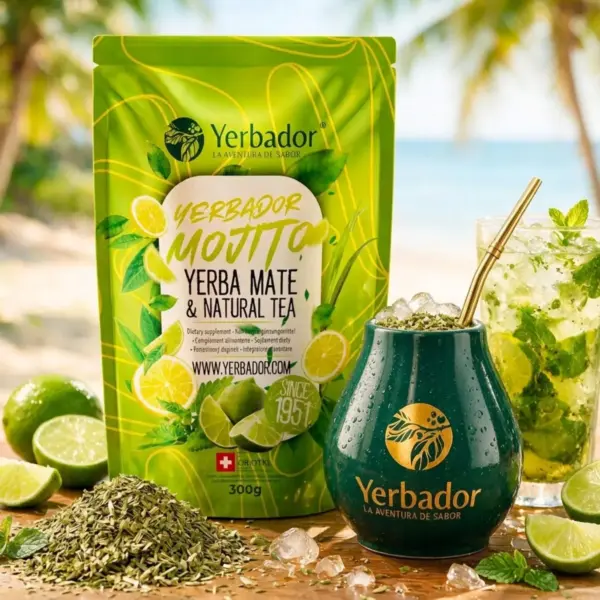
Mojito Lime – Yerba Mate + Green Tea
Yerba mate, green tea, mint and lime in one doypack — a ready-made flavor set for the cold version without adding anything yourself. Price: 99.90 PLN instead of 169.99 PLN.
Check out the product: Mojito Lime – Yerba Mate
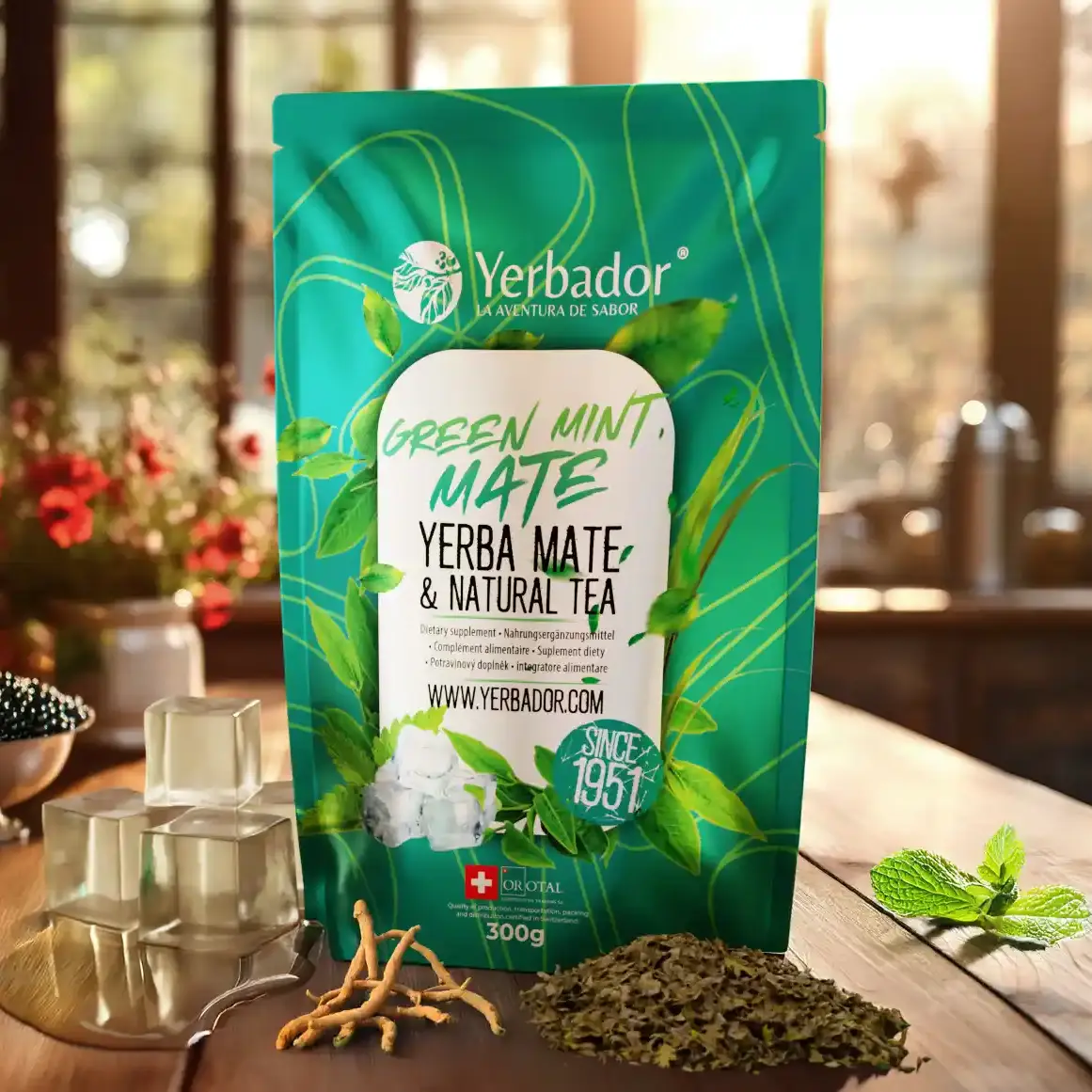
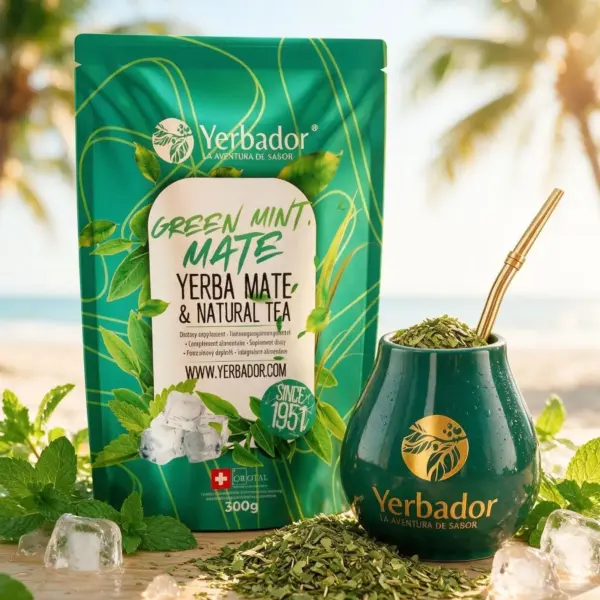
Green Mint – Yerba Mate + Green Tea
A cooling mint note in the foreground, pairs well with ice and a slice of lemon in the cold version. Price: 99.90 PLN instead of 169.99 PLN.
Check out the product: Green Mint – Yerba Mate
If you prefer a more fruity flavor than herbal, go back to Citrus Fruits, discussed earlier in this article. You brew all three variants using exactly the same method, described step by step above.
Frequently asked questions about tereré
Does tereré have the same amount of caffeine as hot yerba?
It’s made from the same leaves, so the potential is similar. The difference is in the pace: cold water extracts caffeine more slowly, so the effect is spread over the whole drinking session rather than hitting you on the first sip.
Is every Yerbador yerba mate suitable for tereré?
Technically yes, but flavored blends with fruit or herbs handle low temperatures better than pure classic dried leaves. Their aroma doesn’t depend solely on the heat of the water.
How many refills can one portion of dried leaves handle when cold?
Usually six to ten before the flavor clearly fades. Coarser-cut leaves last longer than fine, more powdery dried leaves.
Can you drink tereré in the evening?
It contains just as much caffeine as classic yerba, so despite its refreshing, summery character, it’s best enjoyed in the first half of the day, especially if you’re sensitive to caffeine.
How does tereré differ from simply brewing yerba and pouring it into a glass with ice?
Tereré is a method of continuously adding small portions of cold water to the same densely packed portion of dried leaves in a vessel with a bombilla, rather than brewing a larger amount once and pouring it into a glass. This makes the flavour more pronounced and longer-lasting.
Tereré and iced yerba mate for cafés, bars and food trucks
In summer, tereré and cold flavoured variants nicely complement a soft drinks menu, especially in venues looking for an alternative to lemonades and iced teas. Do you run a café, bar or food truck and want to introduce iced yerba mate to your seasonal menu? Get in touch and we’ll prepare a quote for your venue.
Discover our TOP products!
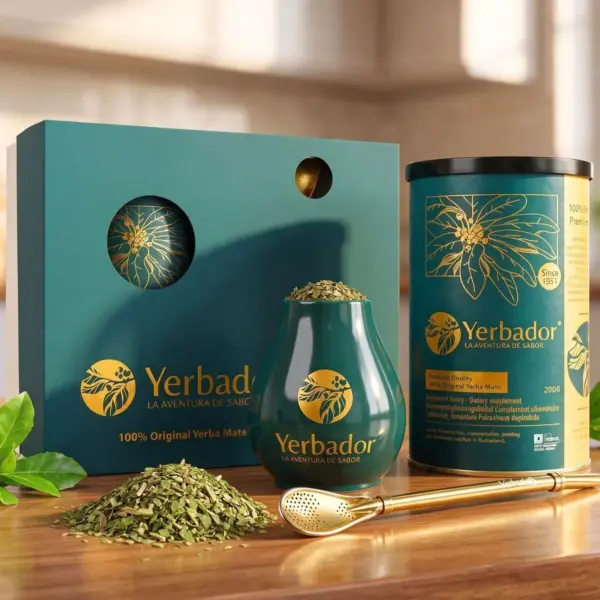
Your dream figure

Discover new flavors
Yerba mate with tea
Accessories
Superfoods


Certified raw honeys from Poland

Check the current price
free shipping
Up to 90 days
free returns
24 H
shipping