
Honeydew Honey – Properties, Composition and How to Recognise It
2026-09-09
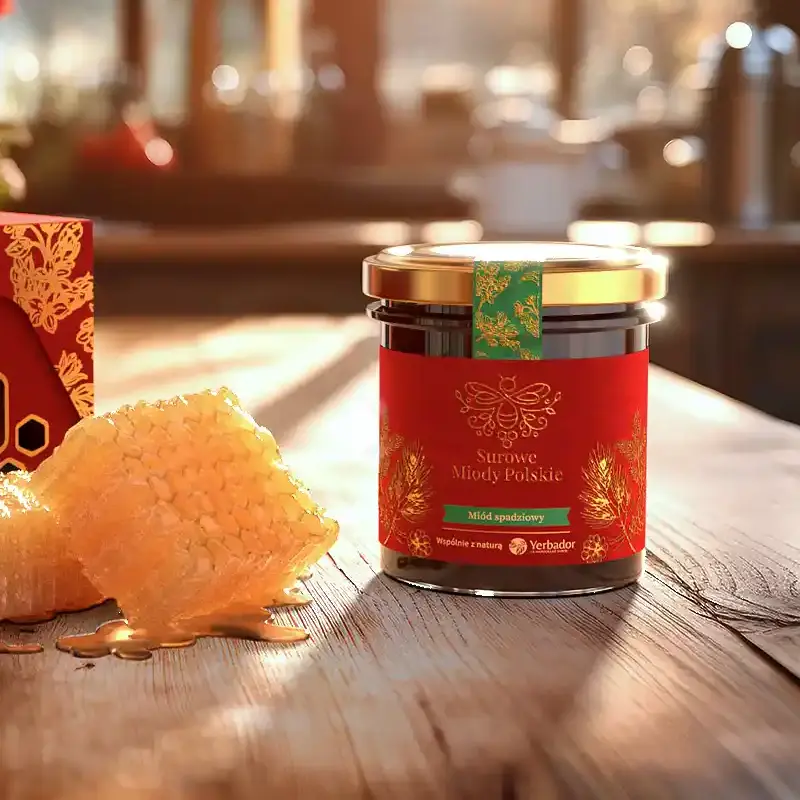
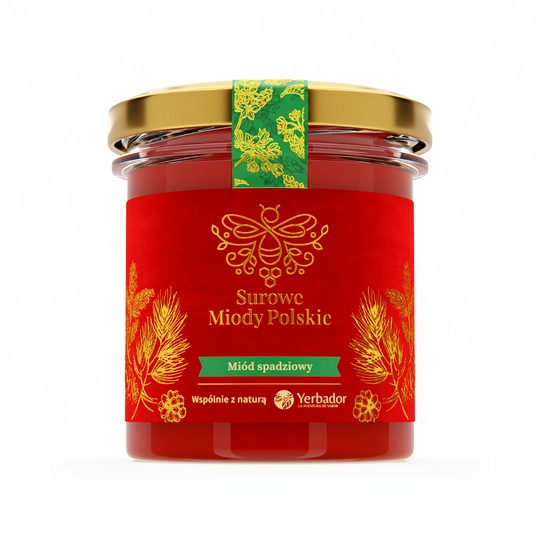
Honeydew honey doesn’t come from flowers. Bees collect it from honeydew, the sweet secretion of aphids and scale insects feeding on the needles of fir, spruce, and pine trees, which is why it’s sometimes called forest honey or coniferous honey. It tastes completely different from flower honeys: intense, resinous, with a slightly salty note in the background, and in the jar it’s noticeably darker than multiflower or acacia honey. In this article, we take a closer look at Raw Honeydew Honey from coniferous honeydew by Yerbador: where its color and flavor come from, how it differs from nectar honeys, and how to use it.
Honeydew honey – where does it come from
Honeydew is not tree sap, but insect secretion. Aphids and scale insects feed on the sap from conifer needles, and the excess sugars they can’t digest are excreted as a sticky, sweet liquid that settles on needles and twigs. Bees collect this honeydew just like they collect nectar from flowers, and turn it into honey. The process itself depends on the weather: honeydew appears mainly in warm, dry summers, so honeydew honey tends to be rarer and more expensive than flower honeys, and in some seasons beekeepers don’t harvest it at all.
Yerbador Raw Honeydew Honey comes from apiaries in the West Pomeranian Voivodeship, surrounded by forests and fields, where bees have access to coniferous trees within a radius of a few kilometres from the hives. The honey is made without heat treatment and without dilution, in small, artisanal batches.
What sets honeydew honey apart from flower honeys
The first difference is visible to the naked eye: colour. Honeydew honey is dark, often almost black in the jar, and takes on a shade of dark amber or mahogany against the light. The second difference lies in the mineral composition. Honeydew honeys contain more mineral compounds than nectar honeys, which translates into higher electrical conductivity, one of the parameters by which honey standards (including the EU honey directive) formally distinguish honeydew honey from flower honey. In practice, this means a more pronounced, mineral taste, much less sweet than in light-coloured honeys.
From the label of Yerbador Raw Honeydew Honey (values per 100 g): energy value 1336 kJ (319 kcal), fat 0 g, carbohydrates 78 g, of which sugars 68 g, protein 0.3 g, salt 0 g. This is a typical composition for raw honey, practically pure energy from simple and complex sugars, with no fat and no significant amount of protein. Honeydew honeys have long been traditionally associated with support for the respiratory system, though this is more of a folk observation than a proven medicinal property, so treat it as a tasty addition to your diet, not a substitute for treatment.
What does “raw” mean in Yerbador Raw Polish Honeys
Raw honey is honey that has not undergone pasteurisation or high-temperature heating, so it retains bee enzymes and natural mineral compounds in unchanged form. Honeys sold in mass-market shops are usually heated so they stay liquid on the shelf for longer, but this process destroys some of the enzymes and volatile aromatic compounds, making the taste more one-dimensional. Yerbador honeys are undiluted and produced by hand, in limited batches, without added sugar or syrups.
Who honeydew honey is especially good for
Honeydew honey most often ends up in the baskets of people looking for a bold, less sweet honey than the classic multiflower type, as well as those who reach for honey in autumn and winter to add to warm tea or milk. Its mineral, resinous flavour also pairs well with aged cheeses and dark bread, where more subtle flower honeys simply get lost. However, it is a dietary supplement, not a medicine, so treat it as part of your everyday diet, not a way to treat a cold or cough.
Important safety notice: no honey, including honeydew honey, should be given to children under 1 year of age. Honey may contain spores of Clostridium botulinum bacteria, which are harmless to older children and adults, but can cause infant botulism in babies. This is a standard pediatric recommendation, regardless of the brand or quality of the honey.
How to use honeydew honey every day
The simplest way is a teaspoon of honey dissolved in a bit of warm, not hot, water or milk. A temperature above 40 degrees destroys the bee enzymes, so adding honey to boiling water defeats the purpose if you care about preserving its properties: it’s better to stir it in once the drink has cooled down a little. Because of its mineral, less sweet flavour, honeydew honey also works well in savoury dishes, for example as an ingredient in a marinade for roasted root vegetables, a glaze for pork neck, or a dressing based on mustard and balsamic vinegar, where its depth of flavour nicely balances the acidity.
How much does this cost per serving
A 400 g pack of Raw Honeydew Honey yields nearly 56 servings at a typical teaspoon portion of about 7 g. The cost per serving is higher than with lighter flower honeys, but honeydew is collected only in some years and in smaller quantities than nectar, so the price reflects the genuine rarity of the raw material, not just premium positioning.
Products worth starting with
Two options from our Raw Polish Honeys line, depending on whether you’re looking for a single everyday jar or a gift.
1. Raw Honeydew Honey – 400 g
The base of this article, one type of honey in a full package, without heat treatment and without added sugar.
Check the product: Raw Honeydew Honey – 400 g (see the current price)
2. Raw Honeydew Honey Gift Set
Two 400g jars of honeydew honey, a ready-made gift with no extra packaging needed.
Check the product: Raw Honeydew Honey Gift Set (see the current price)
Frequently asked questions about honeydew honey
Can honeydew honey be given to children?
Only after the age of 1. In infants, honey, regardless of type, carries a risk of infant botulism due to the possible presence of Clostridium botulinum spores.
Does honeydew honey crystallise?
More slowly than most flower honeys, because it contains more complex sugars and less glucose, which is responsible for rapid crystallisation. Raw honeydew honey can stay liquid for over a dozen months, and once it does crystallise, it forms fine, even crystals.
How to tell real honeydew honey from a fake?
Real raw honeydew honey has a dark, almost black colour, a mineral, resinous aroma, and a noticeably less sweet taste than flower honeys. Honeys diluted with glucose-fructose syrup are usually lighter, more one-dimensionally sweet, and lack that slightly salty note in the aftertaste.
Can you cook with honeydew honey?
You can, but high temperatures destroy some of the enzymes. If you want to preserve its properties, add the honey towards the end of cooking or to dishes and drinks that have already cooled down.
How to store honeydew honey?
At room temperature, in a tightly sealed jar, away from sunlight. The fridge isn’t necessary and can even speed up crystallisation, so it’s better to keep honey in a regular kitchen cupboard.
Honeydew honey won’t replace a morning teaspoon of wildflower honey when you want a mild sweetness, but when you’re looking for something stronger and more mineral, whether for winter tea or a roast marinade, it’s hard to find a better choice among Polish honeys.
You can find more about honeydew itself and how it forms in the article about honeydew on Wikipedia.
Discover our TOP products!
Your dream figure
Discover new flavors


Yerba mate with tea
Accessories

Superfoods

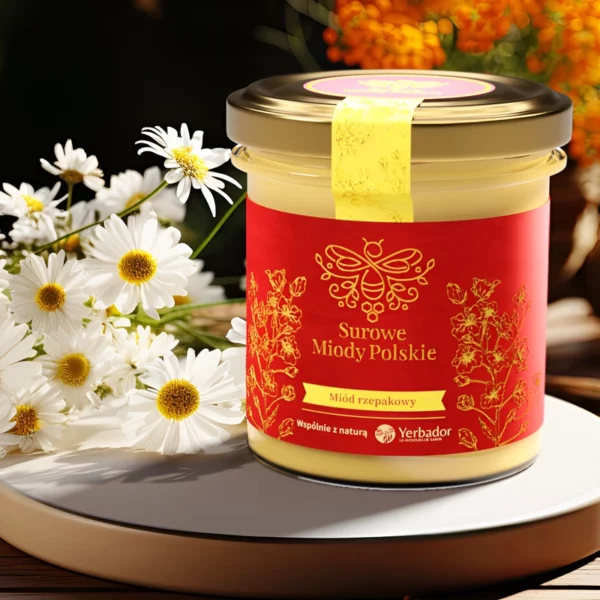
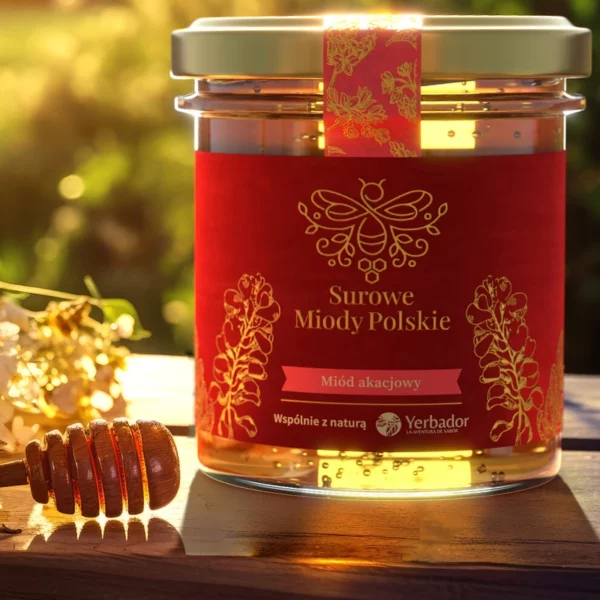
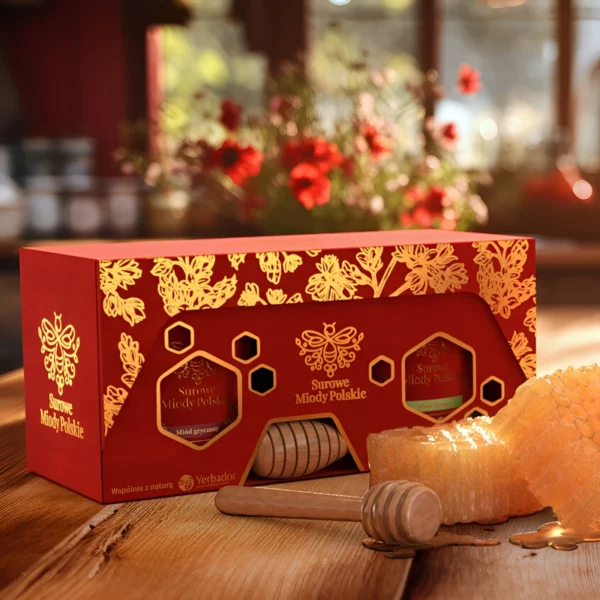
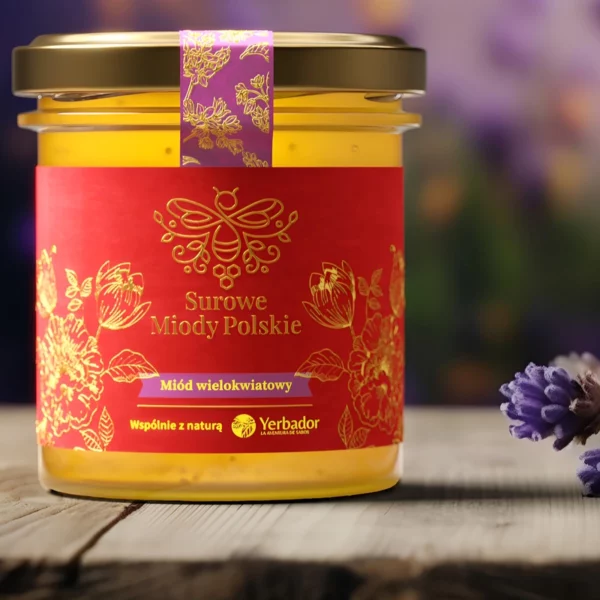
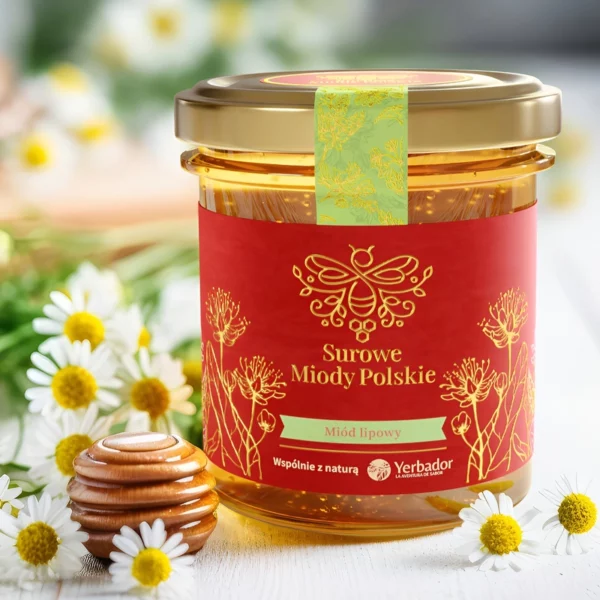
Certified raw honeys from Poland

Check the current price
free shipping
Up to 90 days
free returns
24 H
shipping