
Is Yerba Mate Carcinogenic? What Current WHO Research Says
2026-08-27
Someone once threw out the phrase “yerba mate is carcinogenic” at the table, and the topic keeps coming back from time to time, usually without a source, sometimes with a link to an article from a decade ago. The truth is more complex than one sentence on a forum, and in this case it’s worth turning to real data instead of the rumours of a friend who “read it somewhere”. Let’s check what the research actually says, where this concern came from, and what the water temperature in your thermos has to do with it.
Where did the rumour about carcinogenic yerba mate even come from?
The story begins in South America, where mate has been drunk for generations, a dozen or so infusions a day, hot, sometimes almost boiling, sipped through the same bombilla for hours. In the 1990s, the International Agency for Research on Cancer (IARC), part of the World Health Organization, classified mate drinking as a Group 2B substance, meaning “possibly carcinogenic to humans”. That entry was enough for the phrase “yerba mate is carcinogenic” to start circulating online as fact, even though the classification itself was much more cautious than its later online summaries.
The problem with those studies was something epidemiologists call a confounding factor. Populations drinking the most mate in Paraguay, Argentina, or southern Brazil were also more likely to smoke cigarettes, drink strong alcohol, and, most importantly, drink the infusion at very high temperatures, close to boiling. It was hard to separate the effect of the infusion itself from the effect of all these other factors combined.
What changed in 2016 – the new IARC position
In 2016, the same agency, IARC, carried out a new, much broader review of the available research on drinking very hot beverages, not just mate but also tea and coffee consumed at high temperatures in different parts of the world, including Iran and China. The conclusions were different from those of the 1990s. The mate infusion itself, drunk at a normal temperature, was moved to group 3, meaning “not classifiable as to its carcinogenicity to humans” due to insufficient and inconsistent evidence. That’s a major difference compared to the earlier label.
At the same time, the agency pointed to a new, separate risk factor: drinking any beverage at a temperature above 65 degrees Celsius was classified as “probably carcinogenic to humans” (group 2A), due to irritation and micro-damage to the oesophageal mucosa from regular, long-term contact with very hot liquid. This applies to mate, tea, coffee, broth, any hot drink consumed often and at extreme temperatures. The culprit, then, is not a specific plant, but the temperature at which it’s brewed and drunk.
What this means in practice for someone who drinks yerba mate every day
The conclusion is simpler than it might seem: water temperature matters more than the mere fact of drinking mate. The classic Paraguayan tradition involves pouring water just before boiling point over the leaves and drinking the infusion while it’s still scalding hot, sip by sip through a bombilla. It’s precisely this drinking pattern that’s linked to increased risk of oesophageal irritation with years of regularity, regardless of whether the cup contains yerba, black tea or coffee.
The solution is refreshingly simple. Brew with water at 70-80 degrees Celsius, not boiling water, and wait until the infusion stops scalding your mouth before taking the first sip. Water straight after boiling is around 100 degrees, so a few minutes in a thermos or briefly setting the kettle aside makes a difference. As a bonus, you’ll also get a better flavour, because water that’s too hot washes bitterness out of the leaves and destroys some of the delicate essential oils responsible for the aroma.
Why the question “is yerba mate carcinogenic” keeps coming back
The internet doesn’t like deleting old headlines. Articles from fifteen years ago, citing the original 2B classification, still pop up high in search results because nobody updated them after 2016. On top of that, there’s a natural distrust of something associated with a foreign culture that doesn’t have the same research history as green tea or coffee in Europe. As a result, the phrase lives a life of its own, even though the current WHO position is completely different from what it was thirty years ago.
It’s also worth adding that yerba mate holly itself, the plant yerba mate comes from, has a documented content of polyphenolic compounds with antioxidant properties, similar to those known from green tea. This doesn’t make the infusion a medicine or a guarantee of health, but it shows that the composition of the plant itself gives no grounds for the label “carcinogenic”. We wrote more about the raw material itself and the leaf-drying process in our piece on other popular myths about yerba mate, where we also break down the topic of caffeine and the supposed addiction.
How to drink yerba mate mindfully, without unnecessary risk
Temperature is just one piece of the puzzle; moderation and the quality of the raw material matter too. Here are a few concrete rules we follow ourselves and recommend to our customers:
Brew with water at 70-80°C, never with boiling water straight from the kettle. Take breaks between rounds instead of sipping non-stop all day from a single matero. Choose yerba mate with a clear origin and quality certificates, because control over the drying and packing process translates into a cleaner leaf. If you have a family history of oesophageal conditions or reflux, simply keep the water temperature under stricter control – it’s the same infusion, just a safer way of drinking it.
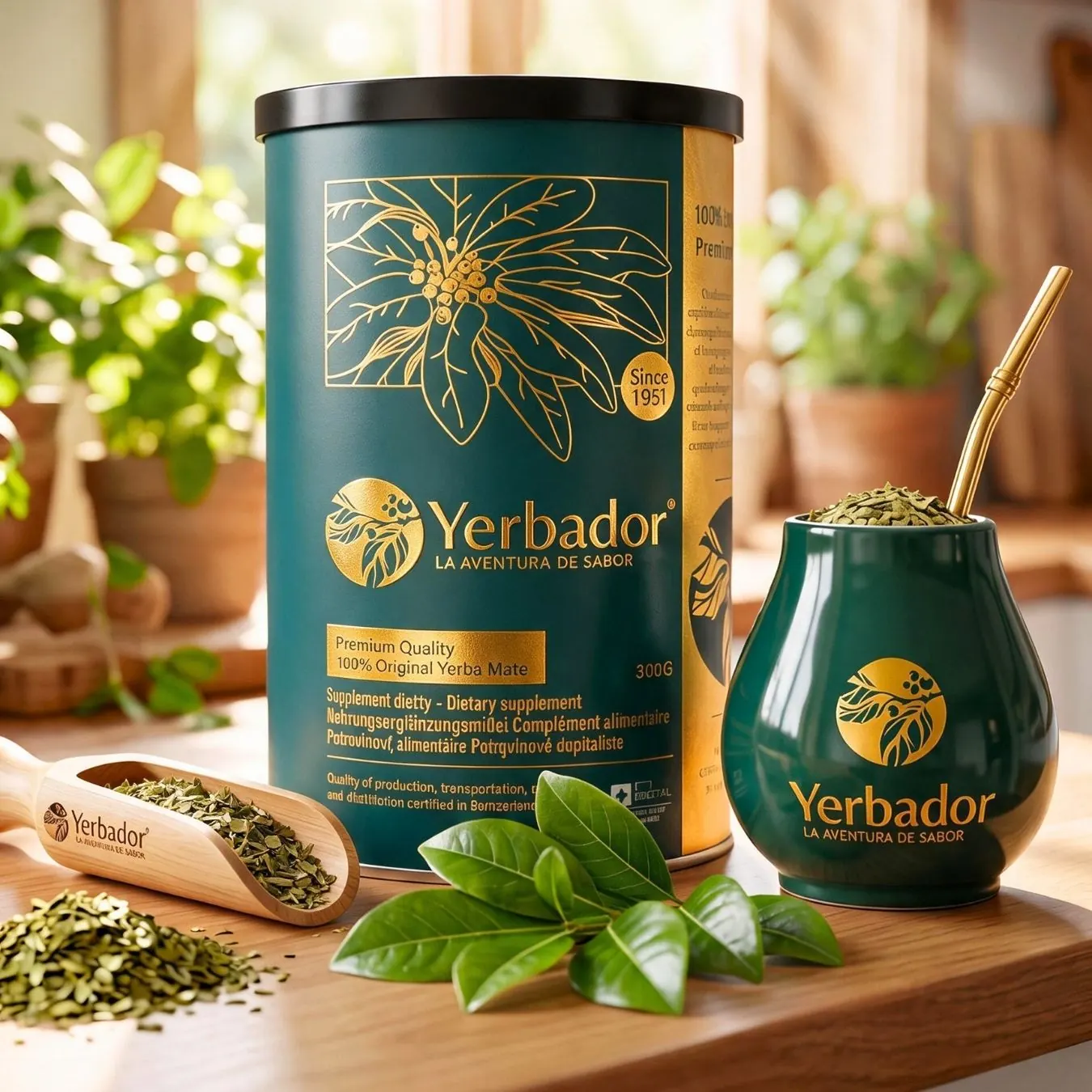
Our yerba mate undergoes quality control in line with HACCP standards and the certification of the Swiss company OROTAL Commodities Trading SA, and every batch has a certificate of analysis confirming its composition and purity. That doesn’t change the physics of hot water, but it does give you certainty that the leaves going into your matero are exactly what they’re supposed to be, with no surprises.
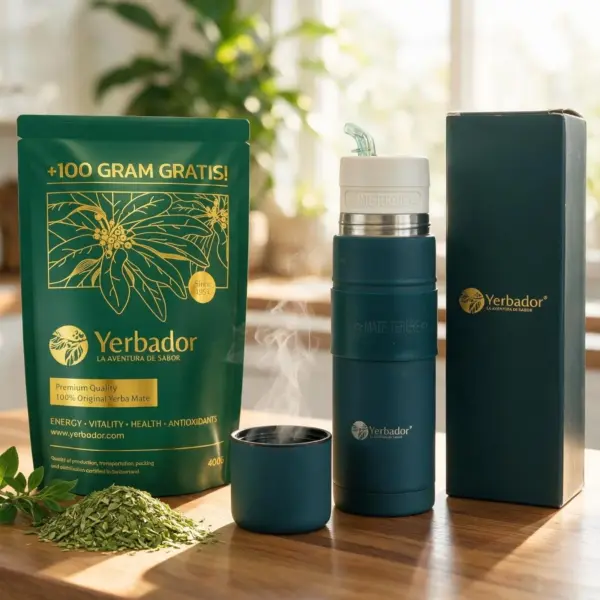
Check out the product: Airtight Tube Yerba Mate 100% Leaves
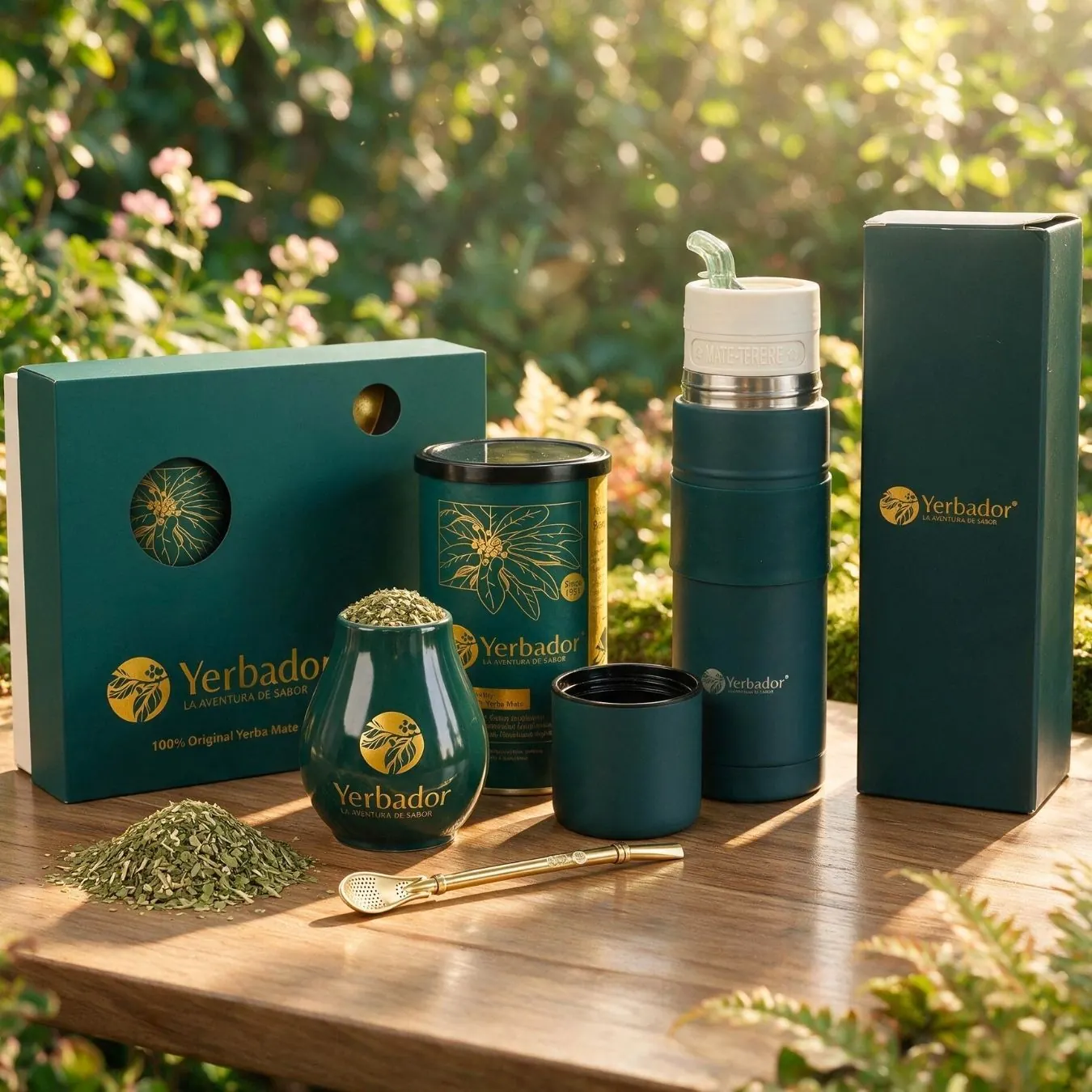
If you brew mate on the go or at work and sometimes pour water straight from the kettle onto the leaves without checking the temperature, a thermos with temperature control and an indicator solves the problem once and for all. You fill it with water once in the morning, and all day long you can be sure you’re not pouring boiling water onto the leaves.
Check out the product: Starter Set + Terremos PRO MAX
Is yerba mate carcinogenic – what’s worth remembering
The current WHO position from 2016 does not classify the yerba mate infusion itself as carcinogenic. The risk is linked to drinking any beverage at a very high temperature, regularly and over many years, not to a specific plant in the cup. Yerba mate holly, from which yerba mate is made, has a documented polyphenol profile and a history of consumption spanning hundreds of years in South America. The brewing method and water temperature matter more for health than the choice between mate, coffee or tea itself. You can find more about proper brewing, leaf dosage and drinking technique through a bombilla in our step-by-step guide, and if you’re wondering about the infusion’s effect on blood pressure, we cover that topic separately in the article about yerba mate and blood pressure.
Frequently asked questions about yerba mate and cancer risk
Is yerba mate officially recognised as carcinogenic?
No. Following a 2016 review, the International Agency for Research on Cancer placed the infusion itself in Group 3, meaning there is insufficient evidence of carcinogenic effect. The earlier classification from the 1990s (Group 2B) has been updated.
So why was it said before that yerba mate causes cancer?
Early studies didn’t separate the effect of the infusion itself from smoking, alcohol and, above all, the extremely high drinking temperature characteristic of the traditional ritual in some regions of South America.
What water temperature is safe for brewing yerba mate?
70-80 degrees Celsius. Boiling water ruins the flavour and carries a risk of irritating the oesophagus with regular consumption of a very hot beverage, regardless of whether it’s mate, tea or coffee.
Does drinking mate through a bombilla increase the risk?
Drinking through a metal straw itself is not a risk factor. What matters is the temperature of the infusion at the moment of drinking and how long the mucous membrane is in contact with the hot liquid during long brewing sessions.
Can children and pregnant women drink yerba mate?
That’s a separate topic mainly related to caffeine content, not cancer risk. It’s worth exercising moderation and consulting dosage with a doctor, especially during pregnancy.
Does the quality of yerba matter for the safety of the infusion?
Yes, in terms of raw material purity and control over the drying process. Yerba with quality certificates and analysis reports gives you certainty about the leaf’s composition, though it doesn’t change the rules regarding brewing temperature.
Discover our TOP products!

Your dream figure

Discover new flavors
Yerba mate with tea
Accessories
Superfoods




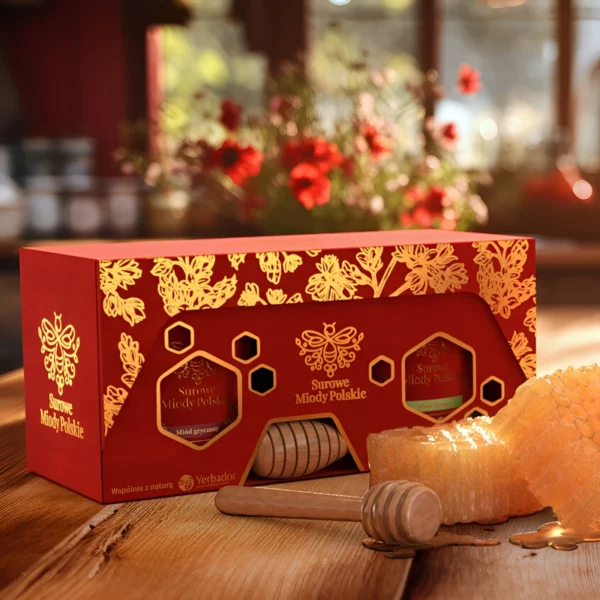
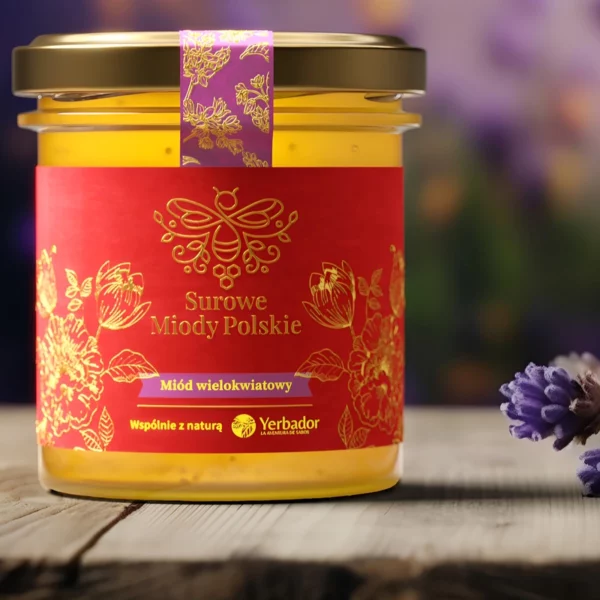
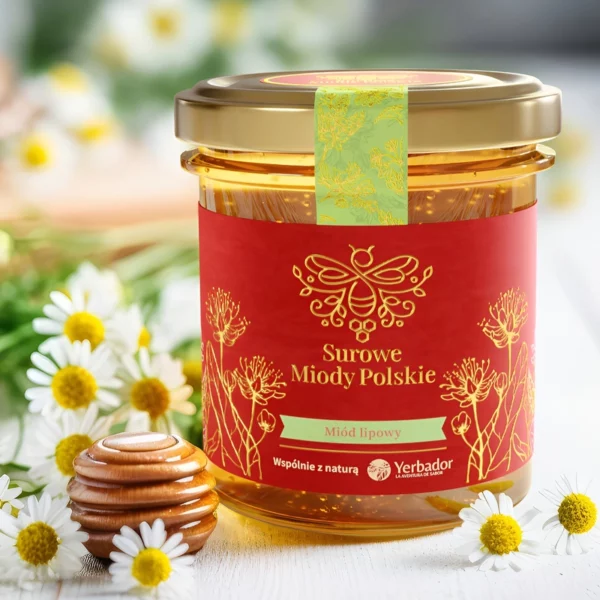
Certified raw honeys from Poland

Check the current price
free shipping
Up to 90 days
free returns
24 H
shipping