
Yerba Mate and Calcium – Is It a Good Source of This Mineral?
2026-08-20
Yerba mate and calcium is a question we mainly hear from two types of readers. The first limits dairy or doesn’t eat it at all and is looking for other sources of this mineral in what they drink every day. The second came across an article about the mineral composition of yerba mate, saw the word “calcium” on the list and is wondering whether matero can even be treated as something more than just a stimulating drink. Let’s look at this specifically: how much calcium the dried leaves actually contain, how much of that ends up in the infusion, and when this topic actually makes sense versus when it’s just a made-up marketing story.
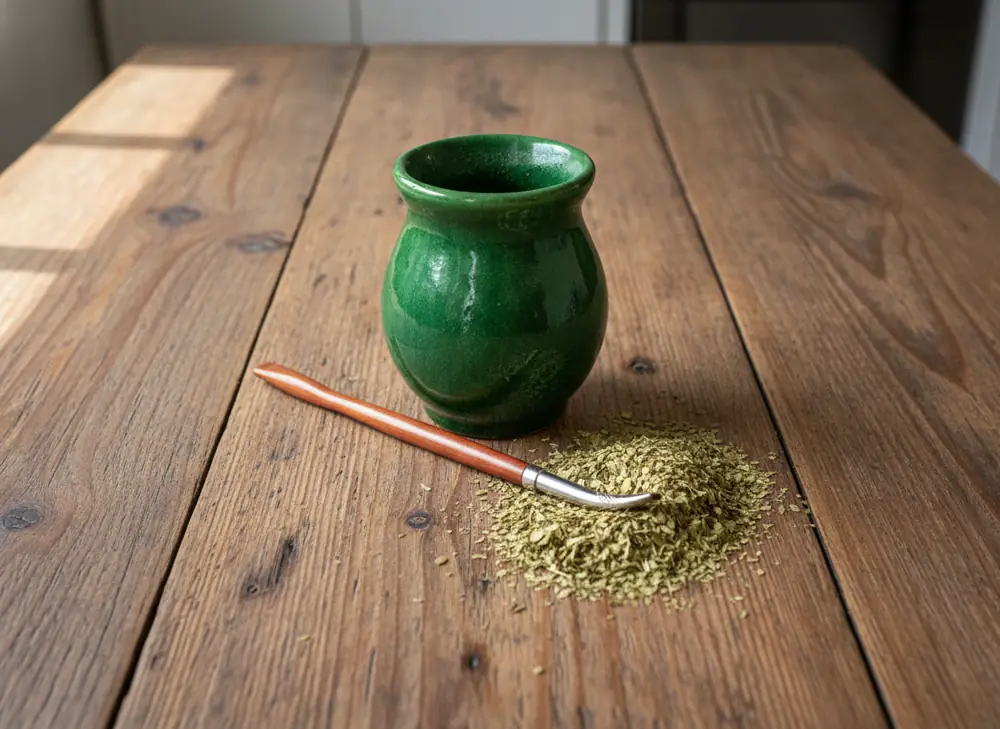
Yerba Mate and Calcium – How Much Is Really There
Published mineral analyses of dried yerba mate leaves indicate roughly around 131 mg of calcium per 100 g of dry leaf. This value refers to the raw material itself, not the infusion – so a matero portion (usually 30–50 g of dried leaves for a whole day of drinking, with repeated refills of water) actually contains just a few dozen milligrams of calcium in the leaf, of which only a portion dissolves in water and actually ends up in your cup. The reference intake value for calcium for an adult, adopted in EU food labelling regulations and used by EFSA, is 800 mg per day. Even if all the calcium from the portion of dried leaves passed into the infusion, which it doesn’t, it would cover just a few percent of the daily requirement.
For comparison: one slice of yellow cheese, just a dozen or so grams, provides about 120 mg of calcium – more than you would realistically drink from a whole day of yerba mate. A glass of milk, 200 ml, provides about 240 mg. Yerba mate therefore won’t replace dairy or fortified plant-based drinks as a source of calcium in the diet. It makes sense as a small addition to the set of minerals carried by the leaf, not as a standalone answer to the question „where do I get calcium from”.
Why the composition of dried leaves and the composition of the infusion are two different numbers
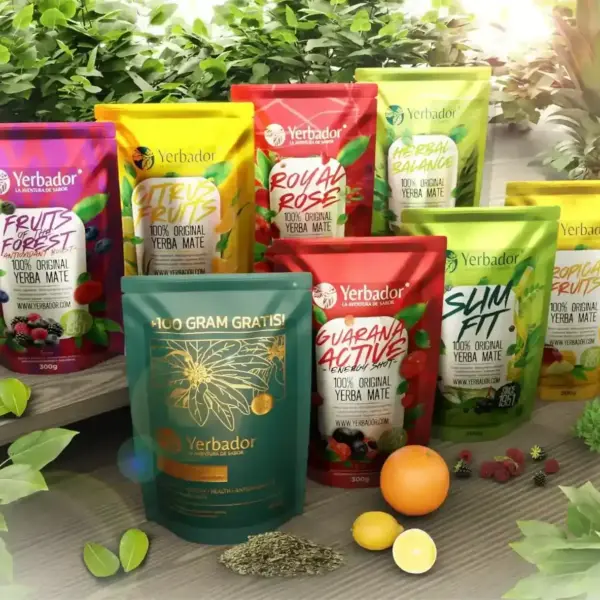
This is where most people get confused, and we already wrote about it in our article on potassium in yerba. The dried leaf is indeed rich in minerals – our Yerbador Immuno dried leaves list magnesium, calcium, silicon, iron, potassium, zinc and phosphorus in the product description as part of the over 160 compounds present in the yerba mate leaf. The problem is that when you drink yerba, you don’t eat the leaf. You pour hot water over it, drink the infusion through a bombilla, and the wet leaves stay in the matero, ending up in the bin after a few rounds.
How much calcium actually passes from the leaf into the water depends on the temperature of the water, the brewing time and the number of rounds (cebadas). Calcium is not particularly easy to dissolve in water compared to, for example, potassium, so realistically only a small fraction of it ends up in the infusion – most stays in the spent leaves. Two people drinking „the same” yerba mate may end up drinking different amounts of minerals, but in the case of calcium, the difference still concerns numbers that are small to begin with.
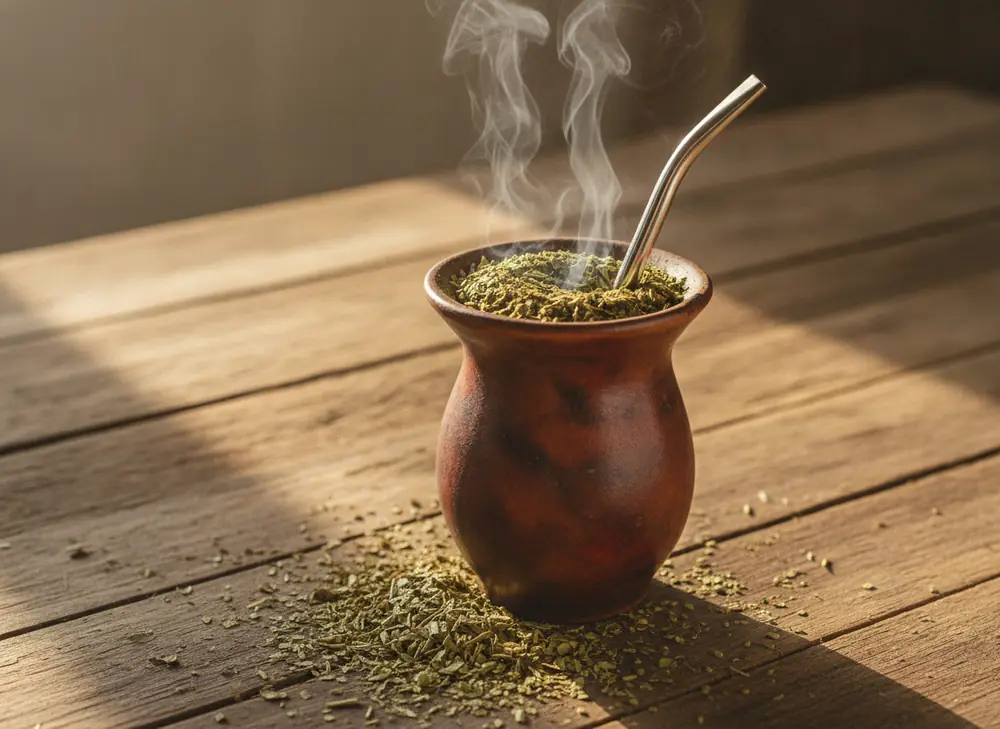
What Does the Body Need Calcium For
Calcium is the most abundant mineral in the human body, and its role doesn’t end with bones. Among other things, it is responsible for maintaining normal bones and teeth, normal muscle function, normal neurotransmission, normal blood clotting and normal energy metabolism – these are the functions attributed to it by EU food law in officially approved health claims. In children and teenagers, calcium together with vitamin D is additionally responsible for normal growth and development of bones.
No single beverage can replace a balanced diet here, especially not yerba mate, which contains little calcium. The dried leaf itself, however, carries other minerals in amounts that actually matter – including magnesium and potassium, which we’ve already written about separately. Drinking yerba mate is a set of small, complementary doses, not one „miracle” ingredient for calcium.
Calcium and Oxalates in Yerba – Does One Block the Other
Yerba mate leaves, like many other plants (tea, spinach, cocoa), contain oxalates. Oxalates bind with calcium already in the digestive tract and limit its absorption, which is why the topic can matter for plants rich in both compounds at once. In the case of yerba mate, however, this has less practical significance than in the case of matcha, which you drink in the form of a whole ground leaf dissolved in water – with classic yerba mate brewing, the leaves stay in the matero, so only part of the oxalates passes into the infusion along with part of the minerals, including a small amount of calcium, which isn’t the main player here anyway.
For most people drinking yerba mate in reasonable amounts, the issue of oxalates from this particular source practically doesn’t exist as a problem, because there’s too little calcium in the infusion for the binding effect to have any real significance. It matters more the other way around – people with a history of calcium oxalate kidney stones, for whom every additional source of oxalates in the diet counts, should also take into account teas and herbal infusions, not just classic plant products rich in oxalates, like spinach or rhubarb.
Who should especially take care of calcium in their diet
For most people with a varied diet, the calcium issue takes care of itself, mainly through dairy. However, a few groups have genuinely increased needs or have difficulty covering them from a typical diet, and for these people yerba mate is certainly not the answer to missing calcium:
- postmenopausal women, in whom declining estrogen accelerates bone mass loss,
- older adults, in whom calcium absorption from the digestive tract naturally decreases,
- people avoiding dairy and unfortified plant-based drinks without consciously supplementing calcium from other sources,
- teenagers during a period of intensive bone growth,
- people with celiac disease, Crohn’s disease or other intestinal conditions limiting absorption,
- pregnant and breastfeeding women, whose calcium needs increase.
If you fit into one of these groups, a sensible approach is to talk to a doctor or dietitian about the actual level of calcium in your diet, and if osteoporosis is suspected – a bone density test, not guessing based on symptoms alone or the number of matero rounds drunk per day.
How much yerba per day for this to matter
Since calcium from yerba mate is practically a negligible addition, the amount is worth choosing based on caffeine and xanthines, not minerals. For a healthy adult, 2–3 servings a day, meaning a few rounds of matero spread throughout the day, is a range that most people tolerate without problems, as long as they don’t reach for yerba mate right before bed. If you specifically care about calcium in your diet, a glass of milk, yogurt, a fortified plant-based drink or a piece of cheese will work much more effectively than an extra round of matero.
Where our dried leaves come from
The mineral composition of yerba also depends on where the leaf comes from and how it was dried. Our Yerbador dried leaves come with an analysis certificate from the Institute of Natural Fibres and Medicinal Plants (IWNIRZ, chromatography and authenticity confirmation), compliance with the reference standard confirmed by J.S. Hamilton, and testing for heavy metals, pesticides and PAHs carried out by GBA Polska. On top of that, there are ECOCERT and Organic Brasil certificates plus HACCP throughout the production chain. For anyone asking about the actual mineral content, this is more important information than the numbers in a table alone – dried leaves without reliable testing can have a composition far removed from what’s shown on a competitor’s label.
Our products to try
If you want to introduce yerba mate into your daily diet as a light mineral and energy addition, not a dairy substitute, start with dried leaves with a full, classic flavor profile and proven origin.
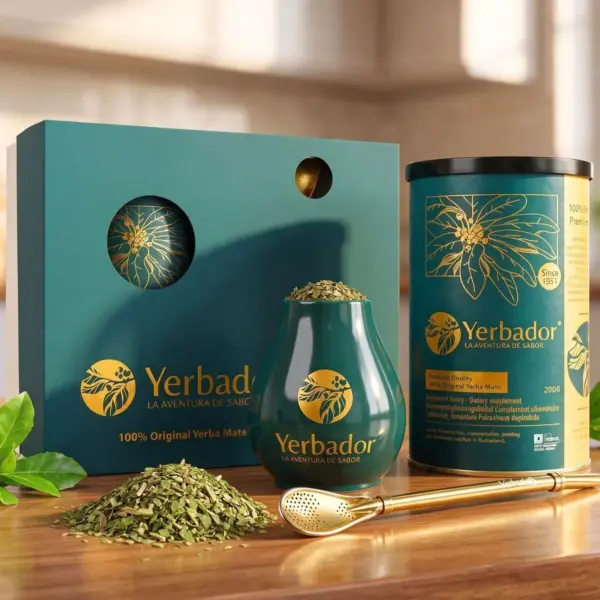
Check out the product: Yerba Mate Immuno
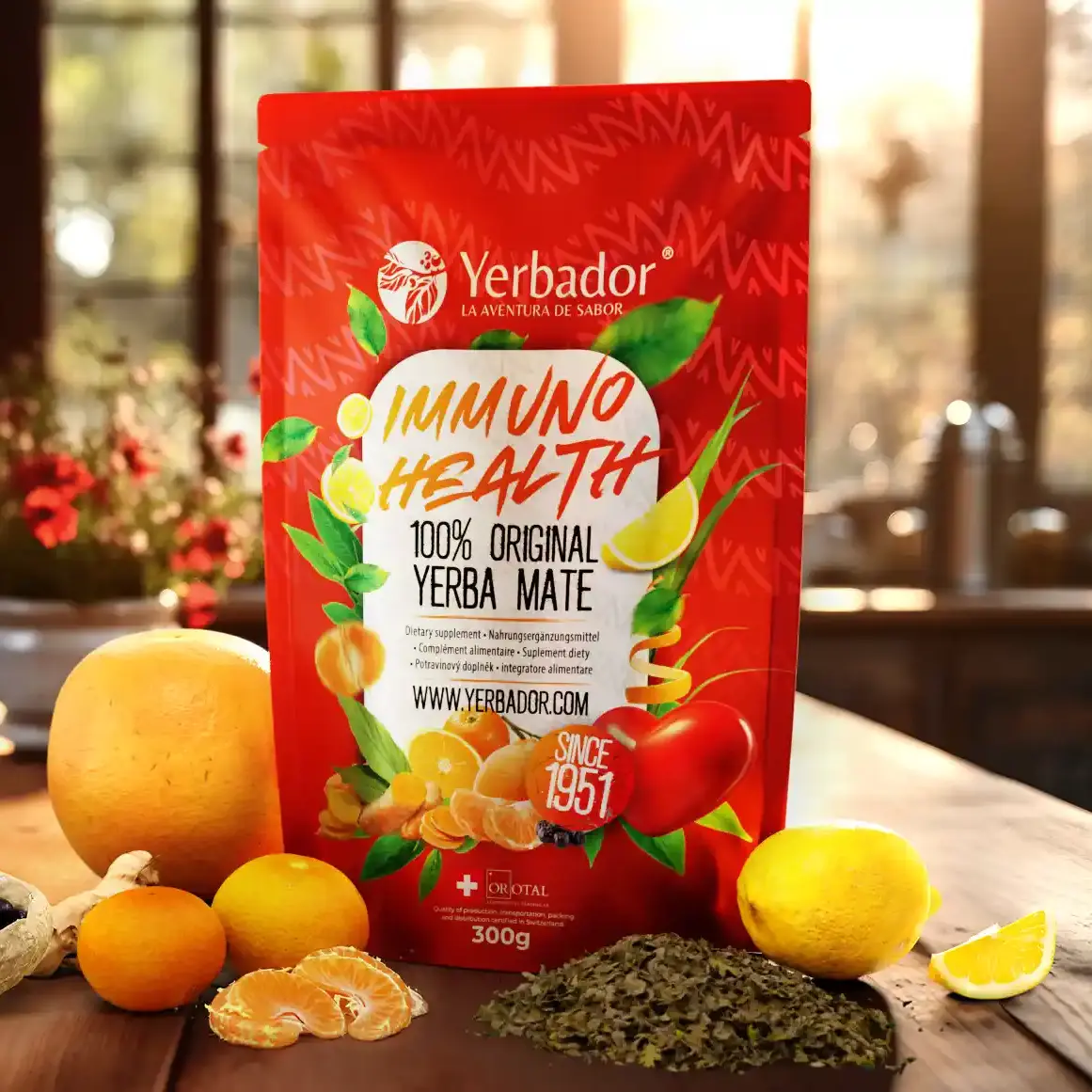
This variant is a good starting point for someone who thinks of yerba mate as an addition providing a set of minerals and B vitamins, not as a dairy substitute.
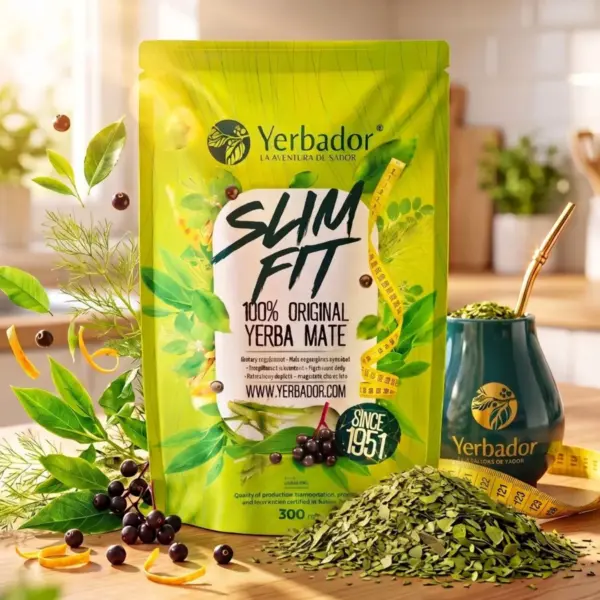
Check out the product: Slim Fit Starter Set – Matero, Bombilla, Scoop and Yerba
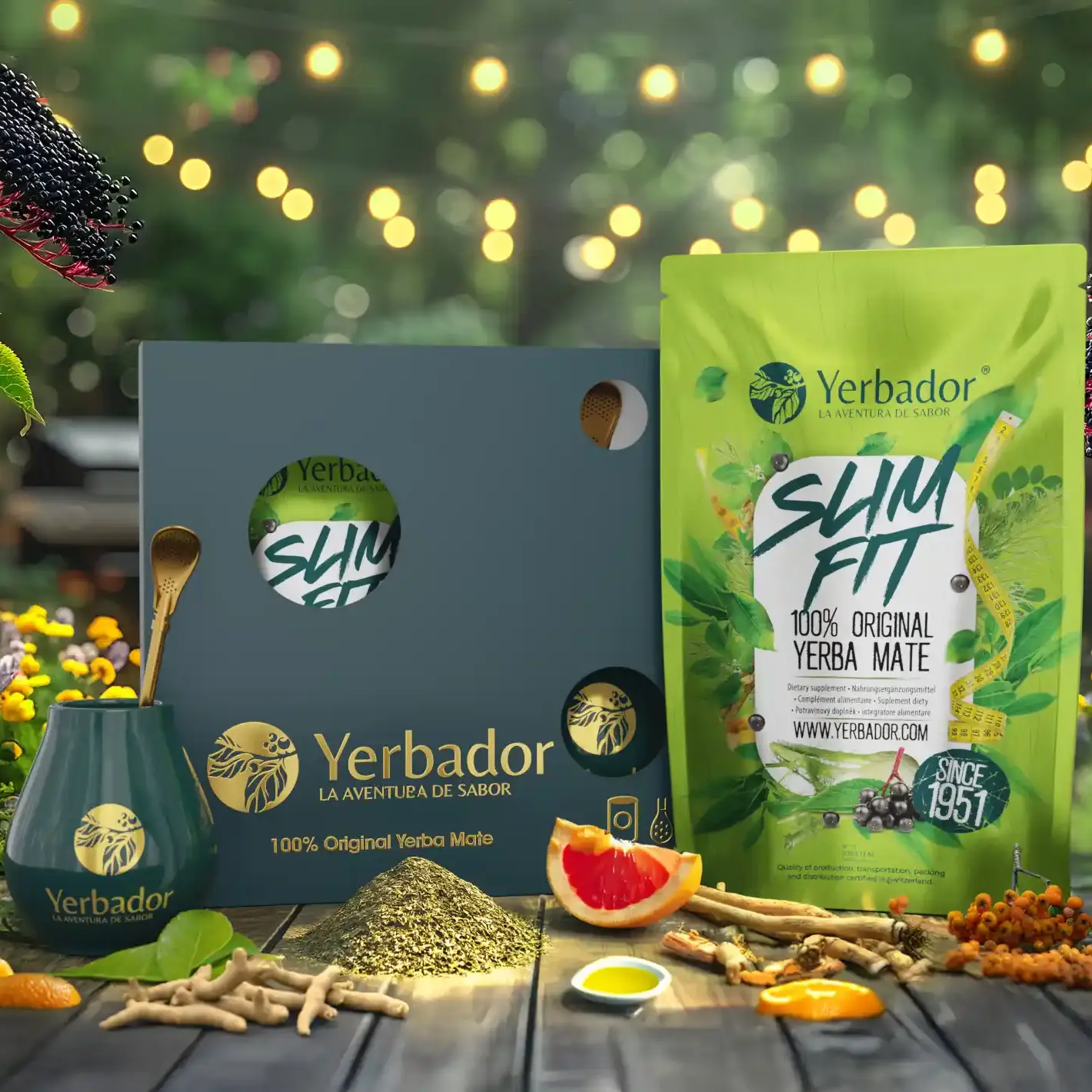
A set for people who are just starting their yerba mate journey and want to have everything needed for brewing in the classic style right away, including a bombilla and matero.
Yerba Mate and calcium – frequently asked questions
Is yerba mate a good source of calcium?
No. Dried leaves contain roughly around 131 mg of calcium per 100 g, and only part of this amount ends up in the infusion. One slice of yellow cheese provides more calcium than drinking yerba mate all day.
Do oxalates from yerba mate block calcium absorption?
In theory, yes, because oxalates bind calcium in the digestive tract. In practice, this has little significance, because there’s too little calcium in yerba mate infusion to bind anyway.
Can people avoiding dairy count on calcium from yerba mate?
They shouldn’t. A better choice would be fortified plant-based drinks, tofu set with calcium sulphate, or supplementation consulted with a doctor.
Should children and teenagers drink yerba mate instead of milk for calcium?
No. During a period of intensive bone growth, what matters is a regular source of calcium from the diet, and yerba mate can’t provide that, no matter how many matero cups you drink.
How much calcium does a glass of yerba mate have compared to milk?
Roughly a few to a dozen or so milligrams per serving of infusion versus about 240 mg in a glass of cow’s milk – milk wins as a source of calcium, yerba mate wins as a source of energy and the ritual of drinking.
Yerba Mate for Your Business or Shop
Do you run a shop, café or office where yerba mate would work better than a vending machine full of energy drinks? We operate wholesale – details are described on our Yerbador B2B wholesale page, and we prepare quotes individually.
Discover our TOP products!

Your dream figure

Discover new flavors
Yerba mate with tea

Accessories
Superfoods

Certified raw honeys from Poland

Check the current price
free shipping
Up to 90 days
free returns
24 H
shipping