
Yerba Mate and Insulin Resistance – Does It Support Insulin Sensitivity?
2026-08-14
Insulin resistance is increasingly showing up in test results of people who aren’t clearly overweight and eat seemingly healthy diets. Yerba Mate keeps coming up in this context in conversations about metabolism — not as a medicine, but as a drink that genuinely changes what happens in the body after a meal. Let’s honestly check what actually follows from its mechanism of action, and what’s just wishful thinking.
What Is Insulin Resistance, and Why No Drink Will Cure It
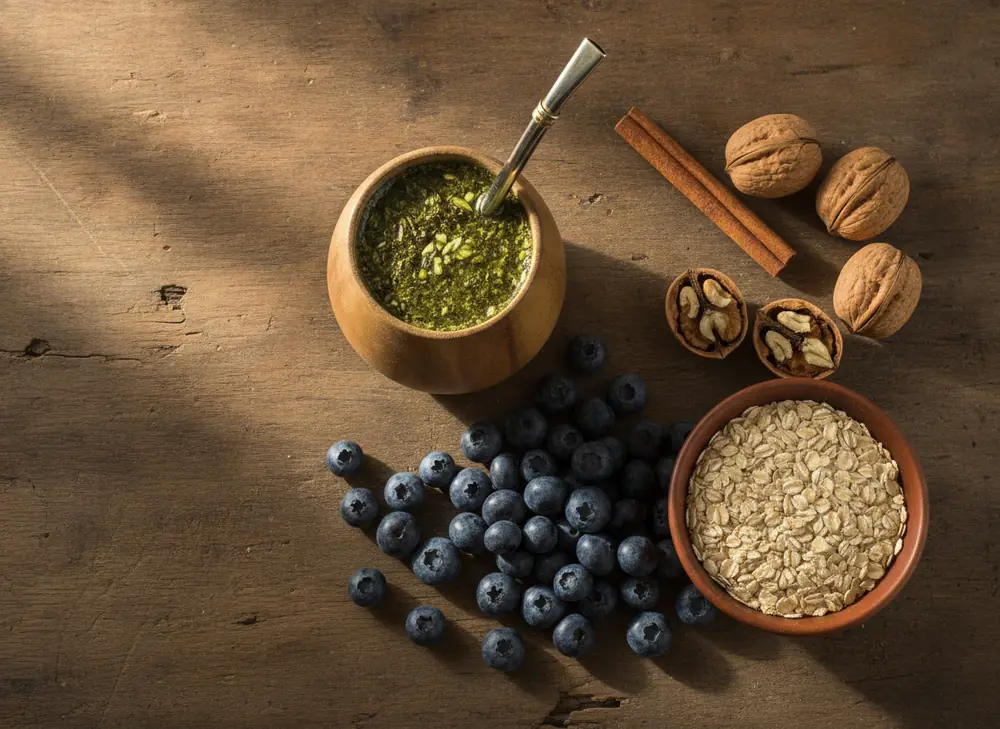
Insulin resistance is a condition in which the body’s cells respond less effectively to insulin — the hormone that normally “opens the door” for glucose circulating in the blood to enter cells. The pancreas then has to produce more insulin to keep blood sugar levels normal, which over time leads to fatigue, energy swings after meals, difficulty losing weight, and in many cases, prediabetes. It is diagnosed through blood tests (fasting glucose and insulin, HOMA-IR index) — not by guesswork or how you feel. No dried leaves, tea or dietary supplement can replace this diagnosis or treatment prescribed by a doctor. What actually matters are daily habits: what you eat, how much you move, and what you drink with your meals. This is exactly where yerba mate fits in — as part of a routine, not as a therapy.
What Happens in the Body After Drinking Yerba — the Mechanism Described by a Dietitian
Dr Justyna Jessa, a clinical dietitian working with Yerbador, describes three specific mechanisms of action of the infusion: regulation of leptin and ghrelin levels (hormones responsible for hunger and satiety), partial inhibition of pancreatic lipase — an enzyme that breaks down dietary fats into an absorbable form — and thermogenesis triggered by the xanthines contained in yerba mate leaves. None of these three mechanisms acts directly on the insulin receptor. However, all three influence how much you eat, when hunger appears, and how quickly the body burns the energy it takes in — and this matters for insulin sensitivity indirectly, through body weight and body fat composition. People with excess visceral fat tissue usually have poorer insulin sensitivity than people with a normal body weight, so any real mechanism supporting appetite control makes sense here.
Yerba Mate, Caffeine and Blood Sugar Levels — What Can Honestly Be Said
Yerba mate leaves contain chlorogenic acid — the same compound studied in coffee and other polyphenol-rich plants for its potential to slow glucose absorption from the intestine. This doesn’t mean that a glass of yerba will lower your blood sugar after a pasta dinner. It only means that the mechanism through which such a drink could support glucose metabolism is described in scientific literature independently of any specific product. On the other hand, caffeine itself, in high doses, can temporarily lower insulin sensitivity in some people — this is a well-documented effect of acute (one-time) intake of a large dose of caffeine, regardless of the source. That’s why the amount and regularity of drinking matter more than the simple fact that you’re drinking yerba rather than coffee or tea.
Insulin Resistance and Excess Weight — Where Yerba Mate Actually Helps
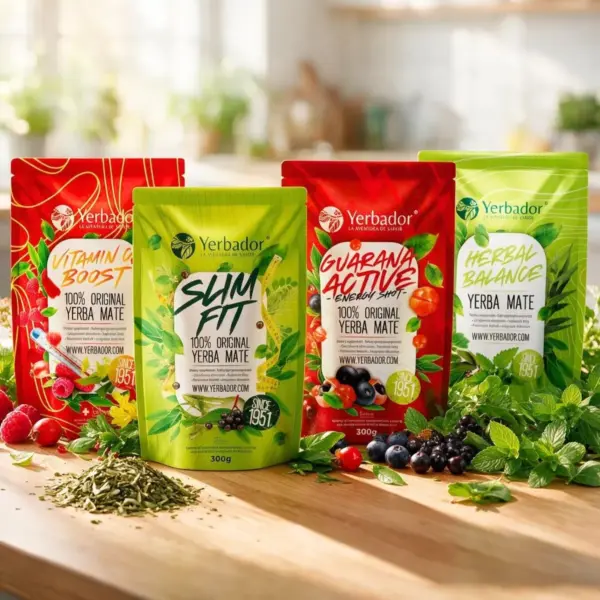
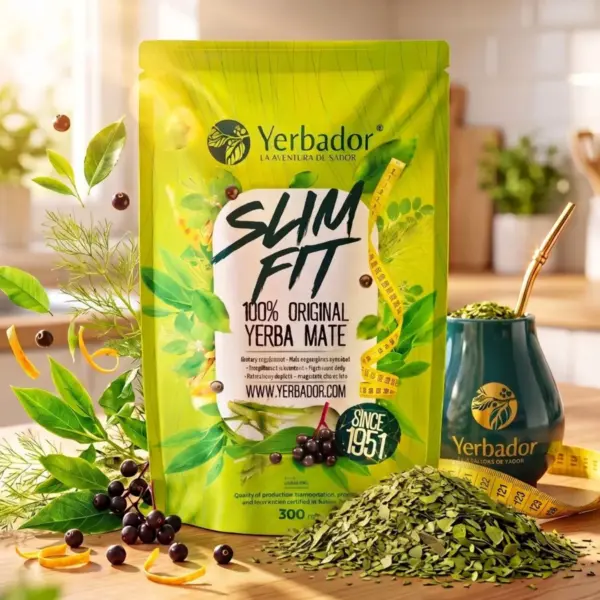
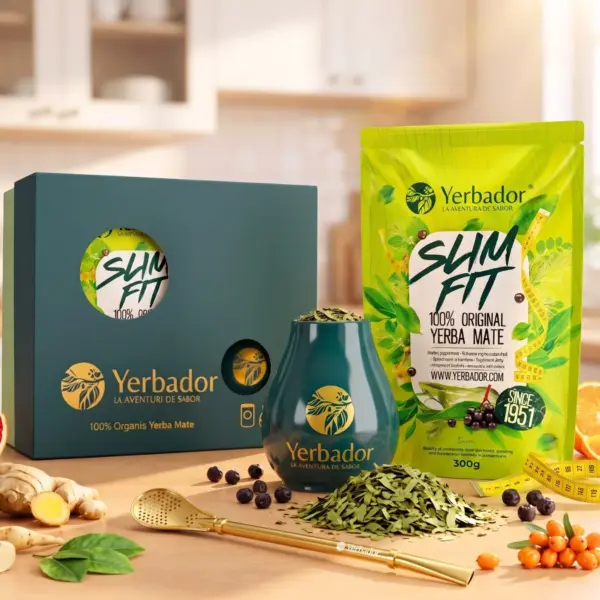
Insulin resistance and excess body weight often go hand in hand, though not always — it can also occur in slim people, especially with low physical activity and a diet rich in simple sugars. Where weight is part of the problem, yerba mate makes the most sense as part of a daily routine: we covered this in more detail in the article Yerba Mate for Weight Loss — How It Supports Your Metabolism. If you’re looking for an honest overview of drinks that actually make sense in such a diet (and the ones that are just marketing myths), check out What to Drink for Weight Loss — An Honest Overview. The Slim Fit line is tailored to this direction — dried leaves with added ingredients supporting weight control, described in more detail below.
How to Drink Yerba So It Actually Makes Sense with Insulin Resistance
The most common mistake is sweetening the infusion with honey or sugar “because it tastes better” — this defeats the whole point of drinking a slightly bitter, plant-based infusion instead of sweetened tea. The infusion itself, without additions, has negligible calories and zero sugar. The second mistake is drinking yerba as an alibi for a chocolate bar — caffeine gives you energy, but it doesn’t change what ends up on your plate. If you’re wondering about drinking on an empty stomach, we have a separate, detailed article on that: Yerba mate on an empty stomach — is it safe — with insulin resistance, drinking on an empty stomach can actually be a worse idea than with a healthy sugar metabolism, since in some people it intensifies morning glucose fluctuations. Stick to the 400 mg caffeine limit per day recommended by EFSA (European Food Safety Authority) — that’s about 3-4 well-brewed matero servings a day, counting coffee and other caffeine sources too, if you drink them.
When to exercise particular caution
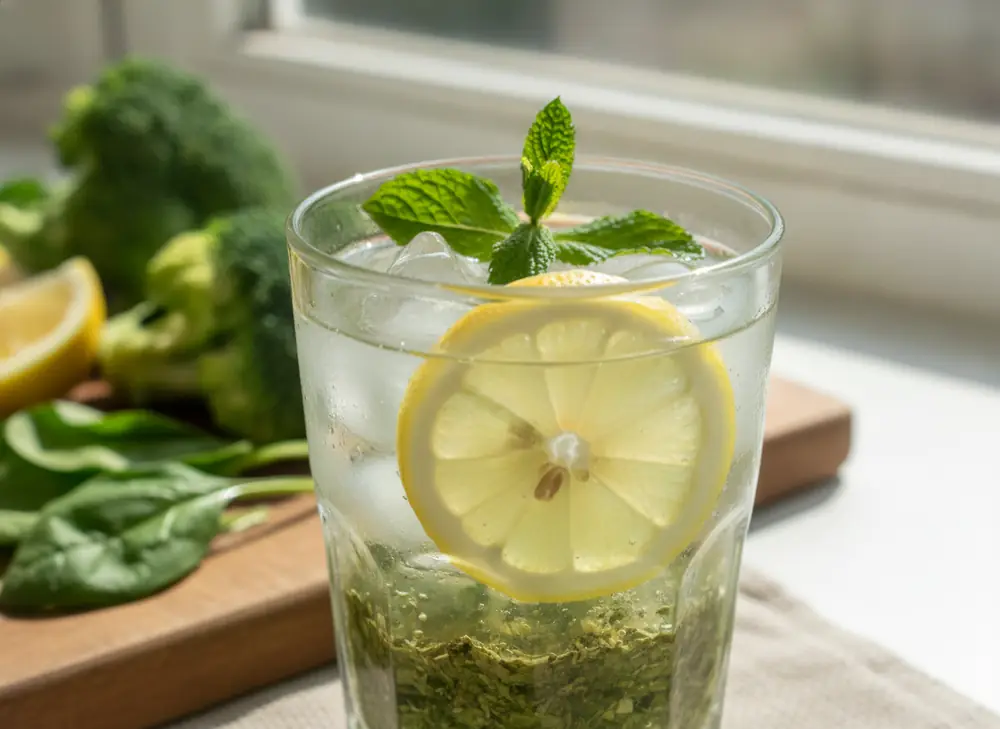
If you have diagnosed diabetes and take insulin or blood sugar-lowering medication (e.g. metformin), consult your doctor before making bigger changes to your caffeine intake — not because yerba mate is dangerous, but because any change to the dietary routine of someone under pharmacological treatment should be monitored. The same applies to pregnancy, breastfeeding, poorly controlled hypertension and heart rhythm disorders — in these situations, caffeine from any source requires a conversation with a doctor, not just a blog article. Yerba mate is a dried plant product, not a medicine and not a supplement with therapeutic action.
Habits that make a bigger difference than the drink itself
It has to be said directly: no infusion will outweigh bad habits if the rest of your day contradicts them. The order in which you eat has a real impact on the post-meal blood sugar spike — vegetables and protein eaten before carbohydrates flatten the glycemic peak more than the choice of drink alone. A short 10-15 minute walk after eating does more for insulin sensitivity than any supplement, because muscles start using glucose from the blood almost immediately. Sleeping under 6 hours for several days in a row can lower insulin sensitivity even in healthy, young people — this is shown by independent studies on sleep deprivation, completely unrelated to diet. Yerba mate fits into this picture as something that makes it easier to stick to a plan — real energy without a crash an hour later, less desire to snack between meals — not as a standalone solution to the problem.
Meal regularity matters here too. Long gaps between meals, followed by a large evening meal, is a scenario where the pancreas has to react more abruptly than with evenly spread-out portions. If your daily matero replaces a second breakfast made of a pastry and sweetened coffee, that’s a real change — not because yerba has magical properties, but because you’re eliminating something from your diet that was genuinely spiking your blood sugar.
Products worth knowing
Check out the product: Yerba Mate Slim Fit
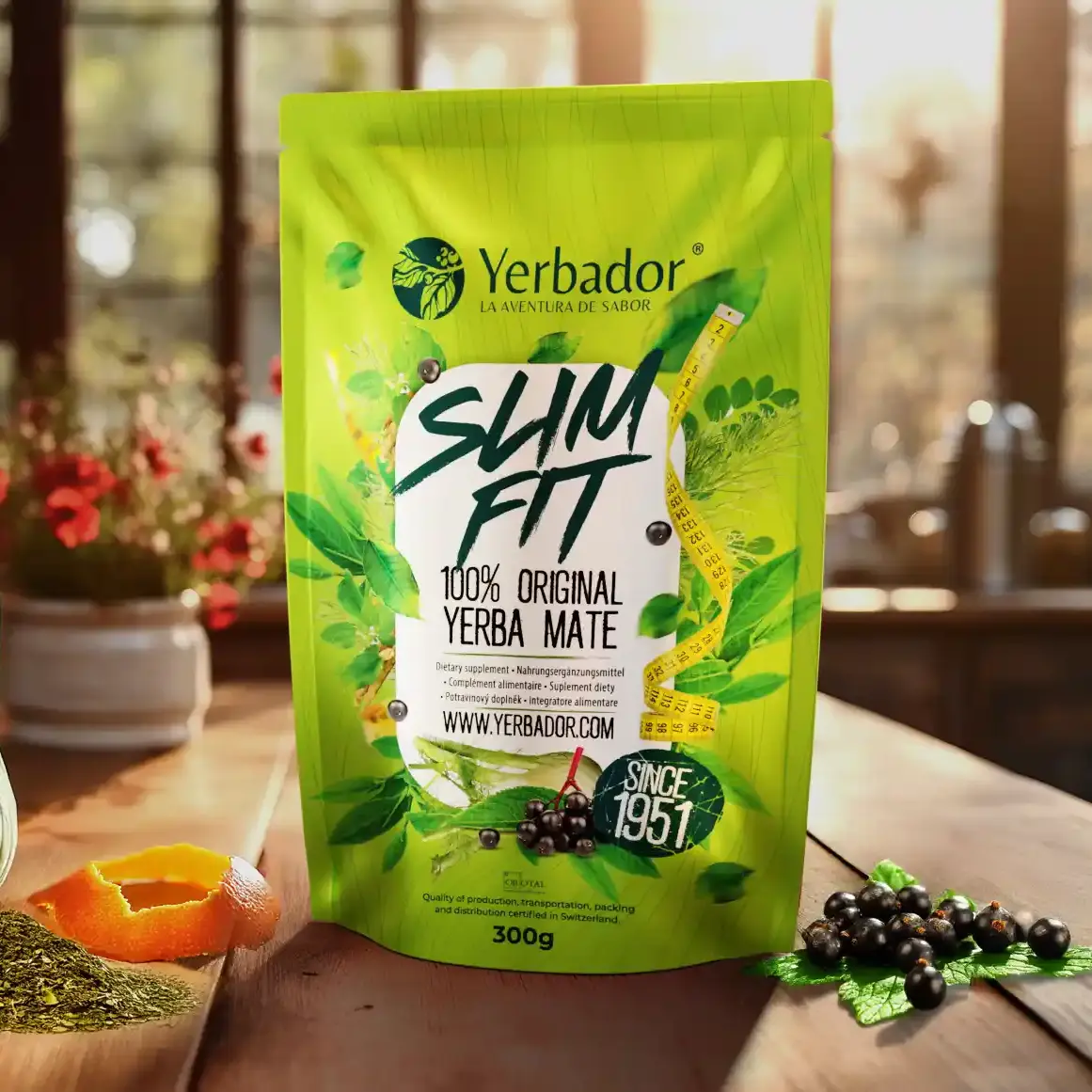
Dried leaves from the weight-control support line — a starting point if you want to begin without buying extra accessories.
Check out the product: Slim Fit with beech scoop
The same dried leaves with a wooden scoop, so you can dose your portion into the matero properly right away.
Check out the product: Slim Fit Starter Set
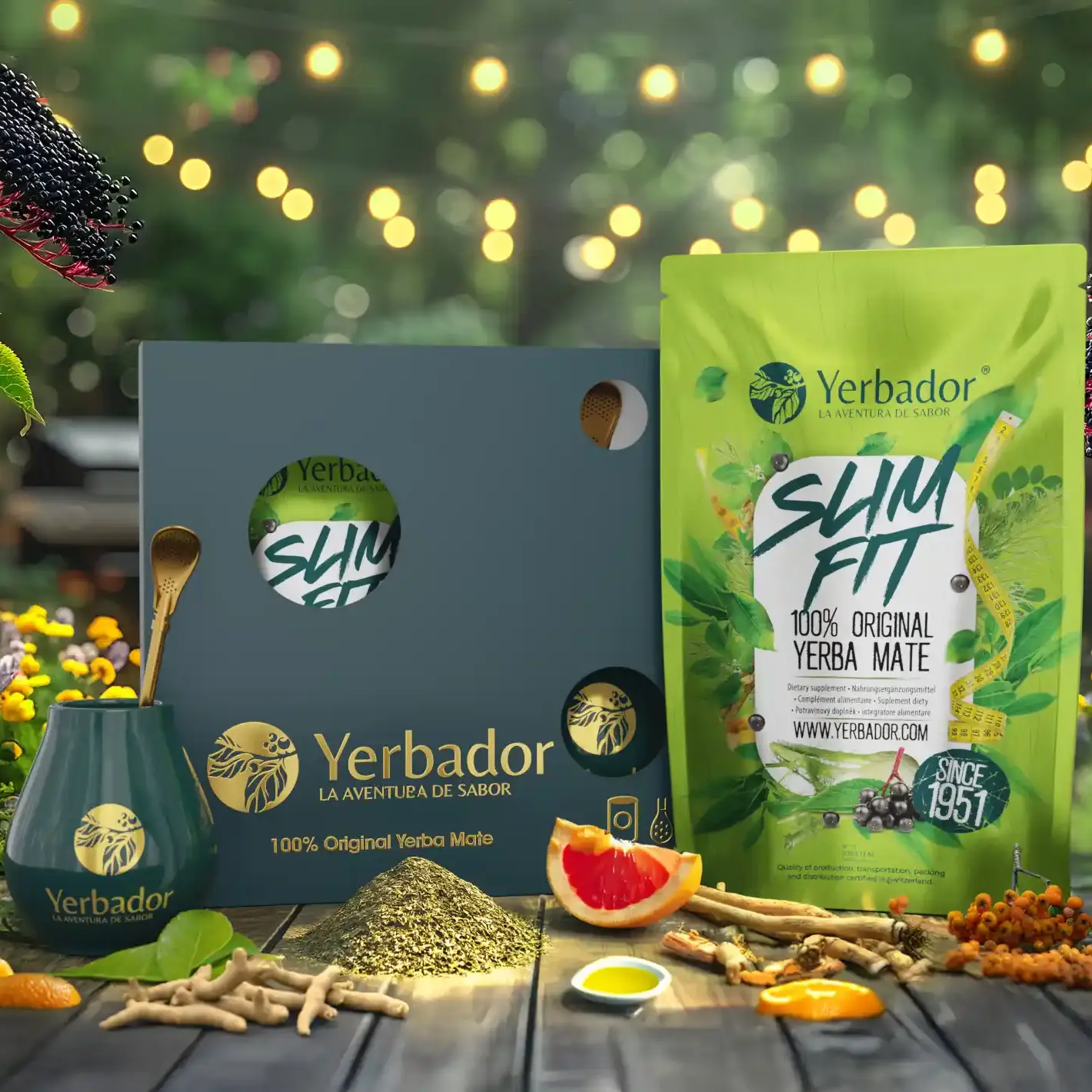
A complete set with matero and bombilla, if you’re just starting out and don’t have a brewing vessel yet.
Frequently asked questions
Does yerba mate lower insulin?
There’s no evidence that it does so directly. Indirectly, by supporting appetite and weight control, it may help maintain healthier blood sugar levels — but that’s a lifestyle effect, not a pharmacological action of the infusion.
How much yerba mate per day with insulin resistance?
The same amount as with healthy blood sugar levels — while keeping to the limit of 400 mg of caffeine per day from all sources combined. For most people, that’s 3-4 matero cups.
Does yerba mate raise blood sugar?
The infusion itself, without additions — no, because it doesn’t contain sugar. The problem arises when it’s sweetened with honey, sugar, or drunk alongside sweet snacks out of habit.
Can I drink yerba mate while taking metformin or other diabetes medications?
That’s a question for your doctor, not for a blog article — especially if you’re planning to increase your caffeine intake relative to your current habits.
Does tereré (cold yerba mate) work the same as a hot infusion?
The chemical composition of the dried leaves is the same regardless of water temperature — only the extraction speed and the feeling on hot days differ.
Discover our TOP products!
Your dream figure
Discover new flavors
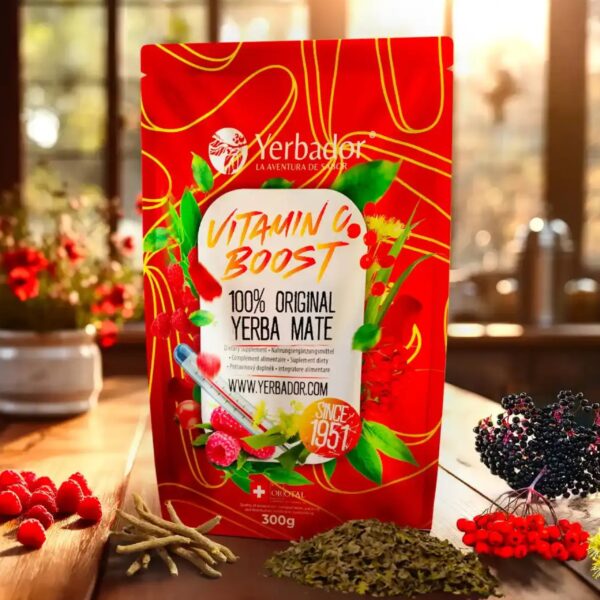
Yerba mate with tea
Accessories
Superfoods
Certified raw honeys from Poland

Check the current price
free shipping
Up to 90 days
free returns
24 H
shipping