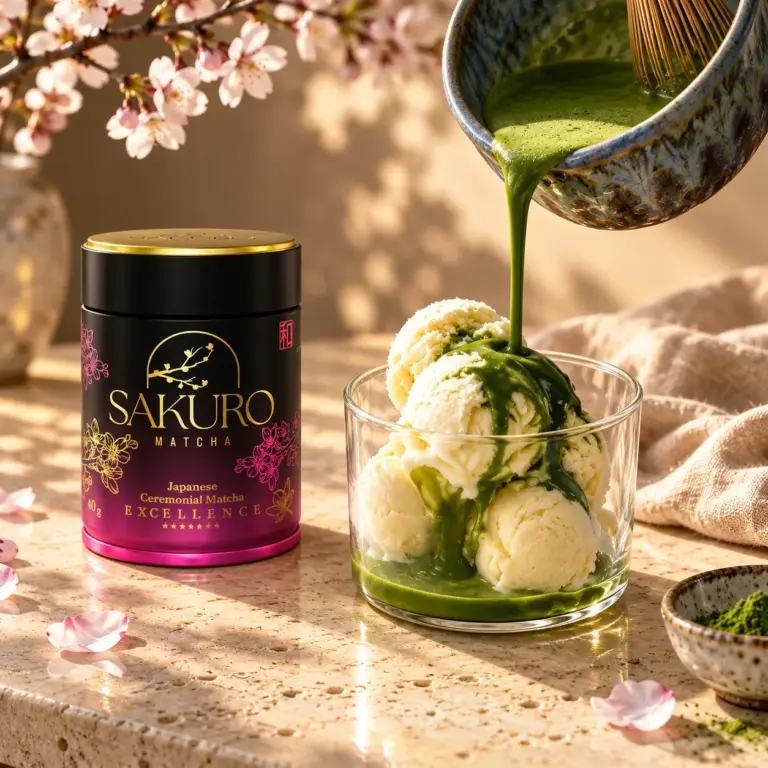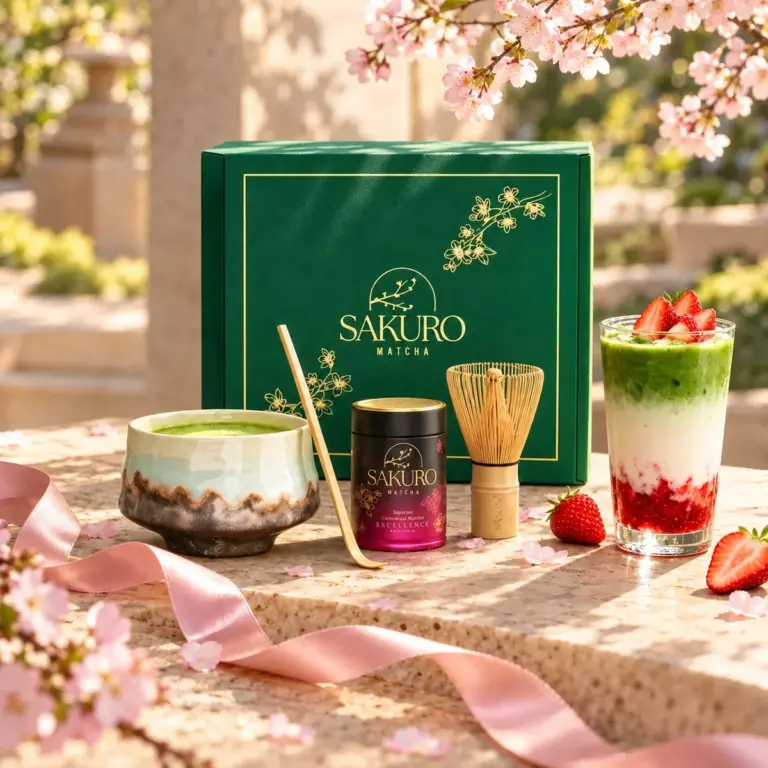

Matcha affogato: hot matcha poured over vanilla ice cream
2026-11-18
Affogato is the least complicated dessert in Italy: a scoop of ice cream, something hot poured over it, eaten with a spoon before it collapses. Swap the espresso for matcha and the method does not change at all. What changes is the glass — green instead of brown, bitter in a different place on the tongue, and sweeter than most people expect.
Below is a matcha affogato recipe in grams and millilitres, four ways to build it, what each one costs, and the two mistakes that turn it into warm green soup.
What a matcha affogato actually is
Affogato means drowned. The original is one or two scoops of fiordilatte or vanilla gelato in a small cup, with a fresh espresso poured straight over the top. No sauce, no garnish, often eaten standing at the bar.
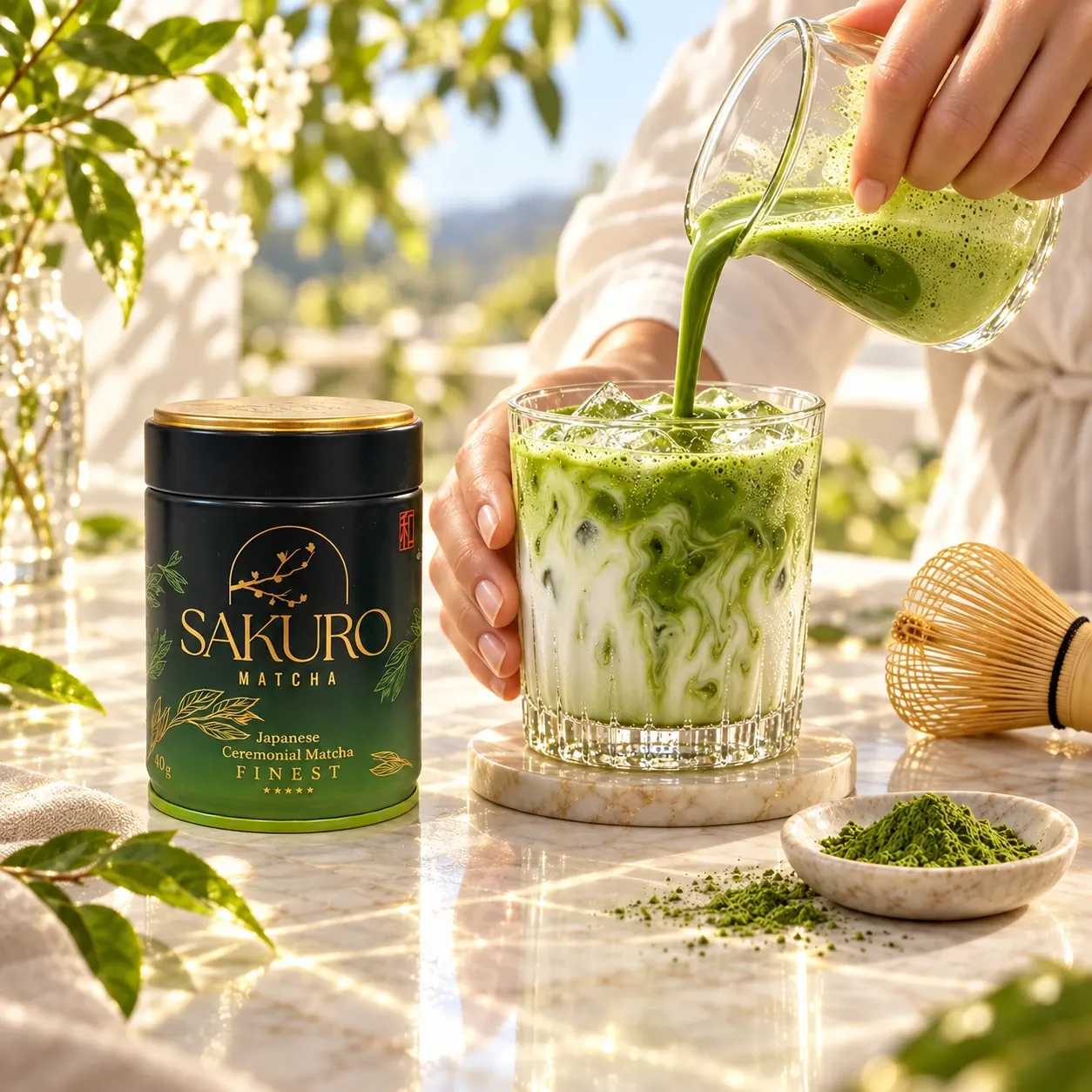
The matcha version swaps the espresso for a thick shot of whisked matcha — more powder, less water than a bowl of tea, so the flavour survives contact with cold cream. A standard 2 g bowl made with 70 ml of water vanishes the second it touches ice cream; you taste vanilla and a vague grassiness. Three grams in 40 ml does not.
It is also not a matcha latte poured over ice cream. There is no milk in the pour — the only dairy in the glass is already frozen, which is exactly why the contrast works.
The recipe: 3 g, 40 ml, two scoops
Makes 1 serving. Active time 5 minutes, plus 10 minutes to chill the glass.
Ingredients
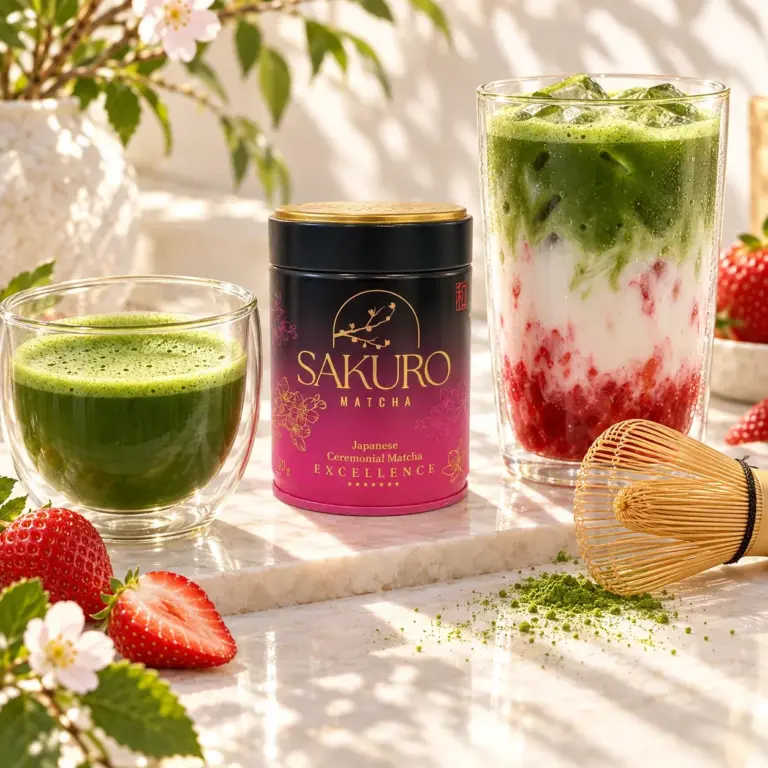
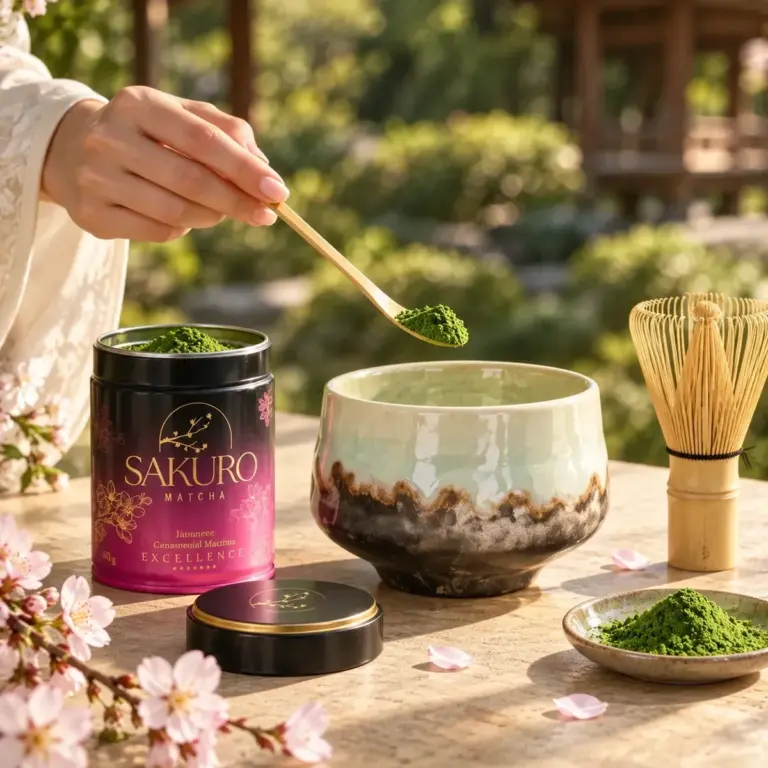
- 3 g ceremonial matcha — roughly three level chashaku scoops. Sakuro Matcha Excellence 40 g (26.90 €) is the one to use here, because it is sweeter and less astringent on its own.
- 40 ml water at 80 °C
- 100 g vanilla ice cream — about two scoops
- Optional: a pinch of flaky salt, or 5 g of toasted chopped pistachio
Method
- Put the bowl or glass in the freezer for 10 minutes. A room-temperature vessel is the single biggest cause of a puddle.
- Sift 3 g of matcha into a second bowl or a small jug. At this concentration sifting is not optional — the lumps will not whisk out.
- Add the 40 ml of water at 80 °C and whisk hard for about 20 seconds, moving the whisk in a W rather than a circle. Stop when the surface is matte and covered in fine foam. You are aiming for something closer to a sauce than to tea.
- Scoop 100 g of ice cream into the chilled vessel. Press the scoops down lightly so they do not roll when the matcha hits them.
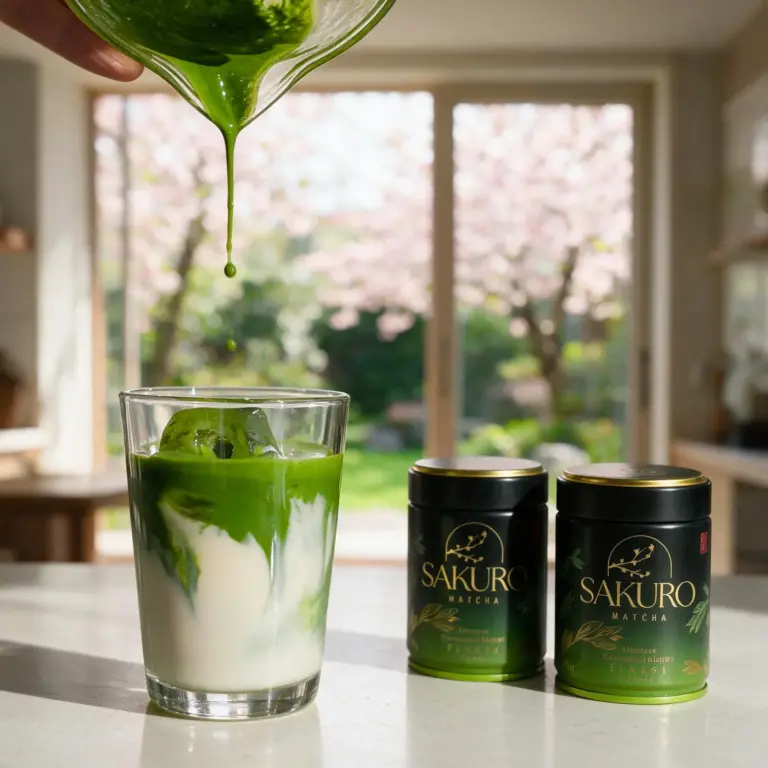
- Pour the matcha over the top in one steady stream, from about 10 cm up, so it cuts a channel into the ice cream instead of sitting on the surface.
- Serve with a spoon, immediately. You have roughly two minutes before the texture goes.
Use water at 80 °C, not boiling. Boiling water pushes matcha towards the burnt, bitter end of its range, and you need every bit of natural sweetness it has to stand up to vanilla. No temperature-controlled kettle? Boil it, then wait two minutes with the lid off.
Four builds, side by side
The classic build is the one above. The other three are the versions people actually end up making: lighter for the afternoon, thicker when you want the matcha to dominate, and a glass version that holds together long enough to carry to a table.
The caffeine figures come from published measurements of matcha powder at 18.9–44.4 mg per gram (Kochman et al., Molecules 2021;26(1):85). The range is wide because cultivar, harvest and grade differ from tin to tin — treat it as a range, not a promise.
| Build | Matcha | Water | Ice cream | Caffeine | Cost of the matcha |
|---|---|---|---|---|---|
| Classic affogato | 3 g Excellence | 40 ml, 80 °C | 100 g vanilla | 57–133 mg | 2.02 € |
| Lighter, afternoon | 2 g Finest | 30 ml, 80 °C | 100 g vanilla | 38–89 mg | 1.20 € |
| Koicha-style, thick | 4 g Excellence | 25 ml, 80 °C | 80 g vanilla | 76–178 mg | 2.69 € |
| Tall glass, café style | 3 g Finest | 40 ml, 80 °C | 120 g + 30 ml cold milk | 57–133 mg | 1.79 € |
The koicha-style build is the interesting one. Four grams in 25 ml is barely pourable — it falls off the whisk in a thick ribbon and sits on the ice cream like ganache for a few seconds before it sinks. It is also the most expensive and the most caffeinated, so it is a weekend dessert, not a daily habit.
The tall glass version is what works in a café: ice cream at the bottom, 30 ml of cold milk, matcha poured last. The milk slows the melt and the layers survive the walk to the table.
The ice cream decides half the result
Vanilla is the default because it is sweet and neutral, and matcha needs both. Fiordilatte works even better if you can get it — nothing but milk, cream and sugar, so the tea has the whole top note to itself. Anything with chocolate chips, caramel ripple or fruit will fight.
Density matters more than brand. Ice cream whipped full of air collapses into green foam within seconds; a dense, slowly churned tub holds its shape. If a spoon sinks into the tub with no resistance, it is too airy for this.
Scoop straight from the freezer. Do not leave the tub on the counter to soften first — a tempered scoop is easier to shape and much faster to disappear. For the same reason, serve in something small: a 150–200 ml bowl or a short, heavy glass keeps the ratio right and keeps the dessert cold.
Plant-based works: coconut and matcha are a genuinely good pairing, and oat-based tubs are sweeter, so drop to 2.5 g of powder. Avoid soft-serve — it is engineered to be soft and will be liquid before you sit down.
What a serving costs
Three grams of good matcha is not nothing, and it is worth seeing the number next to the alternatives. Here is what the powder in one affogato costs depending on how you buy it.
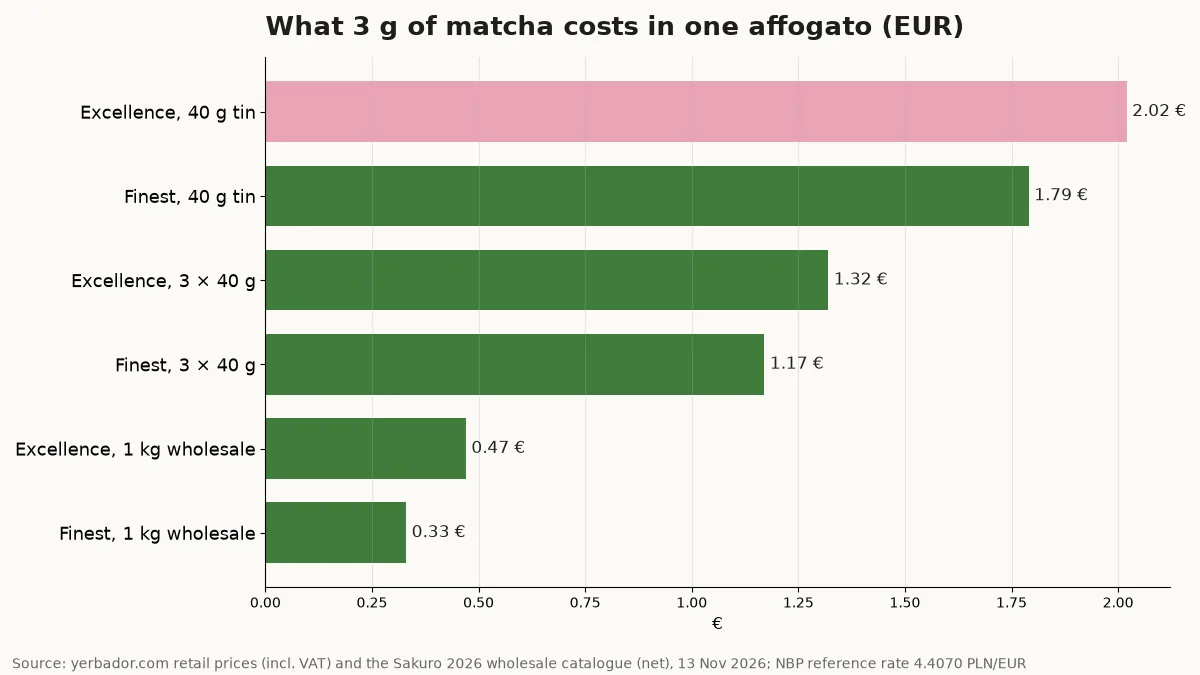
At home, two euros of matcha plus about a euro of ice cream puts a dessert on the table for well under café money. Buying the three-tin pack rather than a single tin takes the powder down to 1.17–1.32 € a serving without changing the recipe.
For cafés and restaurants: from a 1 kg bag the powder in one affogato costs about 0.33 € (Finest) or 0.47 € (Excellence) net, which is why it prices well as a dessert alongside espresso. Wholesale runs through Ewelina — [email protected], +48 515 025 329. Matcha is sold by the kilogram bag: the Sakuro 2026 catalogue lists Finest at 480 PLN/kg net and Excellence at 690 PLN/kg net, which at the National Bank of Poland reference rate of 4.4070 PLN/EUR on 13 November 2026 is roughly 109 € and 157 € per kilo. That conversion is indicative; the binding offer comes from Ewelina. Discounts are 5 % from 3 kg and 10 % from 5 kg, shipped from Poland within the EU. There is more detail in our guide to matcha wholesale for cafés and restaurants.
What you need, and what it costs
The equipment list is short, and you probably have most of it.
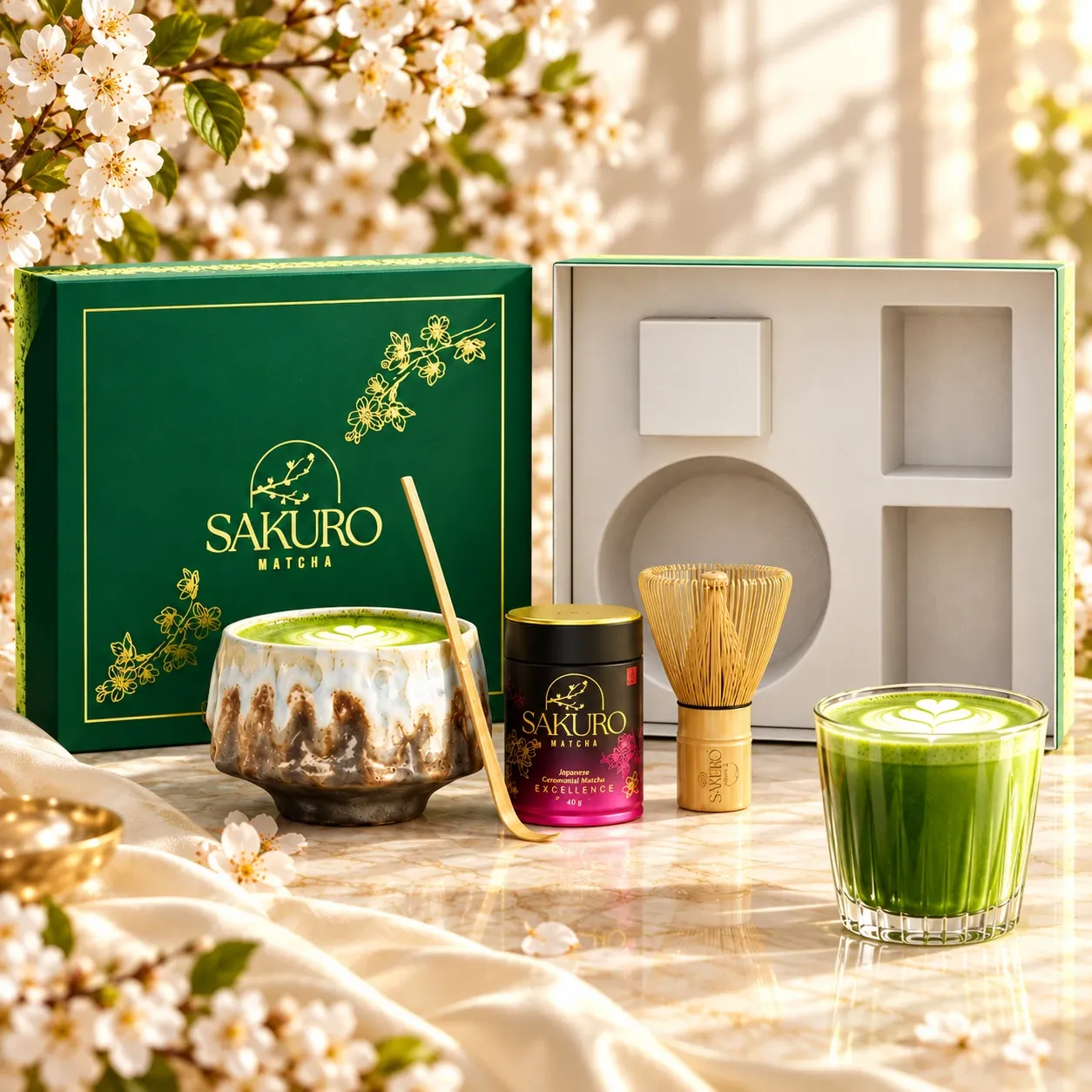
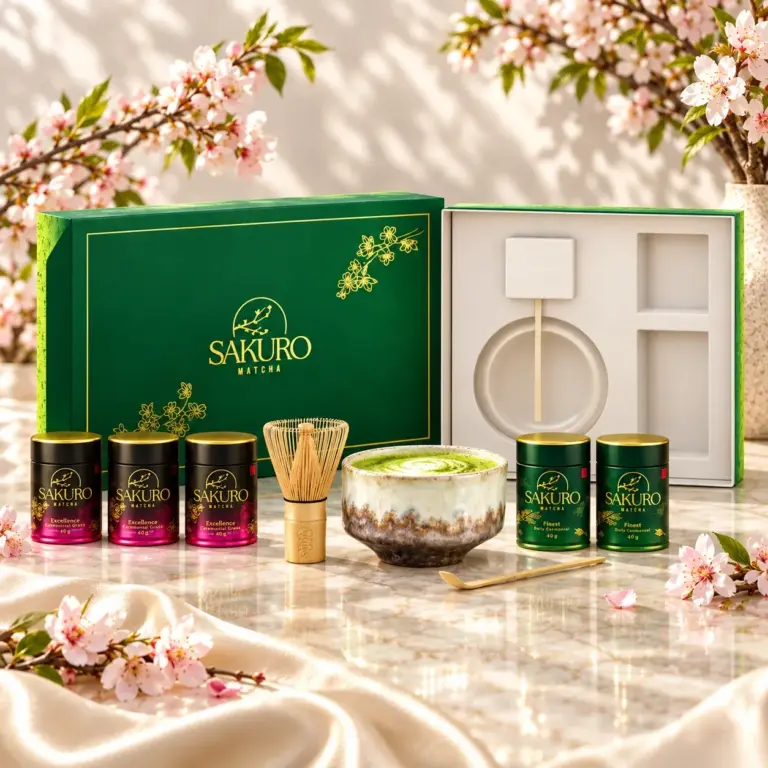
- Sakuro Matcha Excellence 40 g — 26.90 €. Japanese ceremonial matcha from Shizuoka, the sweeter of the two grades and the better choice for a shot you taste on its own. A tin is 13 affogati at 3 g.
- Sakuro Matcha Finest 40 g — 23.90 €. The everyday tin. Slightly more astringent, which some people prefer against very sweet vanilla.
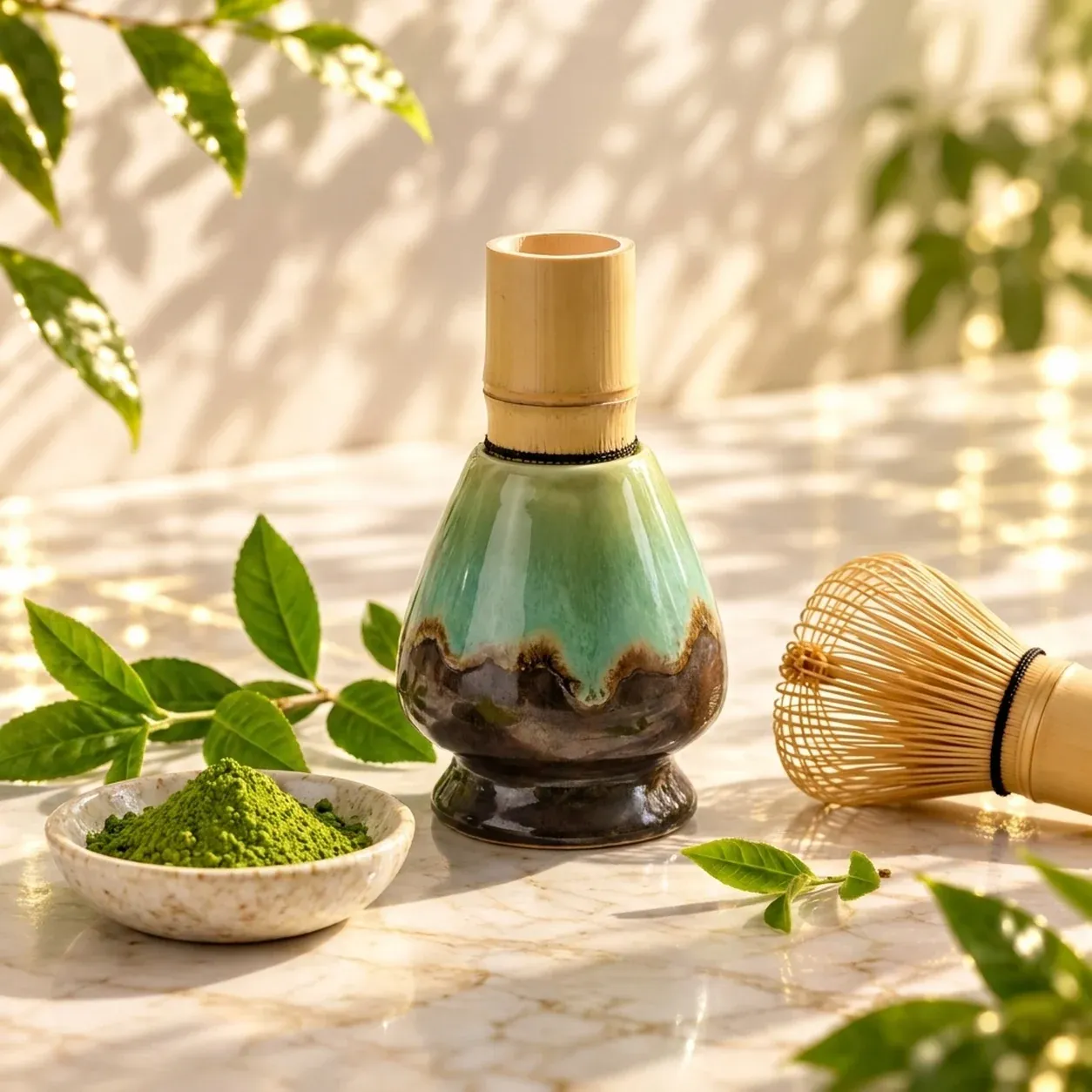
- Chasen, bamboo matcha whisk — 14.90 €. Worth it at this concentration: a milk frother aerates, a chasen disperses, and 3 g in 40 ml needs dispersing.
- Matcha bowl NIWA — 23.90 €. Wide enough to whisk in and heavy enough to stay cold once chilled, so you can whisk and serve in the same vessel if you make the thick version.
If you are choosing between the two tins and not sure which, the differences are set out in our comparison of ceremonial and culinary matcha grades.
FAQ
Can I use culinary matcha for an affogato?
You can, but it is the wrong tool. Culinary grade is made to be tasted through butter, sugar and flour; drunk straight it is flat and noticeably bitter, and here it is drunk straight. Vanilla ice cream hides less than a cake batter does. Use ceremonial grade for the pour and keep the culinary tin for baking.
How much caffeine is in one matcha affogato?
Three grams of matcha carries roughly 57–133 mg of caffeine, based on the 18.9–44.4 mg per gram range in the published literature. The mid-point is somewhere around an espresso and a half. EFSA considers up to 400 mg a day safe for healthy adults and 200 mg a day during pregnancy, so one affogato is a modest part of the daily total — but it is a dessert with caffeine in it, which is worth remembering after dinner. We go through the arithmetic in how much caffeine is in matcha.
Can I make it without a bamboo whisk?
A small electric frother will do it if you sift first, though it builds more foam than you want and the shot comes out lighter. A jar with a tight lid works too: 3 g, 40 ml, shake for 20 seconds, pour fast. What does not work is a spoon — at this concentration you will be eating lumps.
Can I whisk the matcha in advance?
Not really. Whisked matcha starts separating within a couple of minutes and the foam is gone before that; reheating it makes it taste stewed. If you are serving several people, whisk each shot as you pour it and have the glasses already in the freezer. A café can batch a cold matcha base for iced drinks, but an affogato needs the heat.
Bowl or glass?
A ceramic bowl keeps the dessert colder; a short glass shows the green cutting down through the white, which is why cafés use one. For the thick koicha-style build take the bowl — the pour is too short to be worth looking at, and the ceramic buys you another thirty seconds.
Discover our TOP products!

Your dream figure
Discover new flavors
Yerba mate with tea

Accessories
Superfoods



Certified raw honeys from Poland

Check the current price
free shipping
Up to 90 days
free returns
24 H
shipping