
Yerba Mate and Blood Sugar – Does Yerba Lower Blood Sugar?
2026-08-06
You type “yerba mate and blood sugar” into a search engine and land on two kinds of articles. The first promise that yerba mate “regulates blood glucose” and almost replaces a visit to a diabetologist. The second scare you with caffeine. Both approaches are dishonest. In this article we lay it out clearly: what is actually known about the relationship between yerba mate and blood sugar, what is still being studied, and what no yerba mate seller has the right to promise you. Including us.
How much sugar does a yerba mate infusion have? Exactly zero — unless you add it yourself
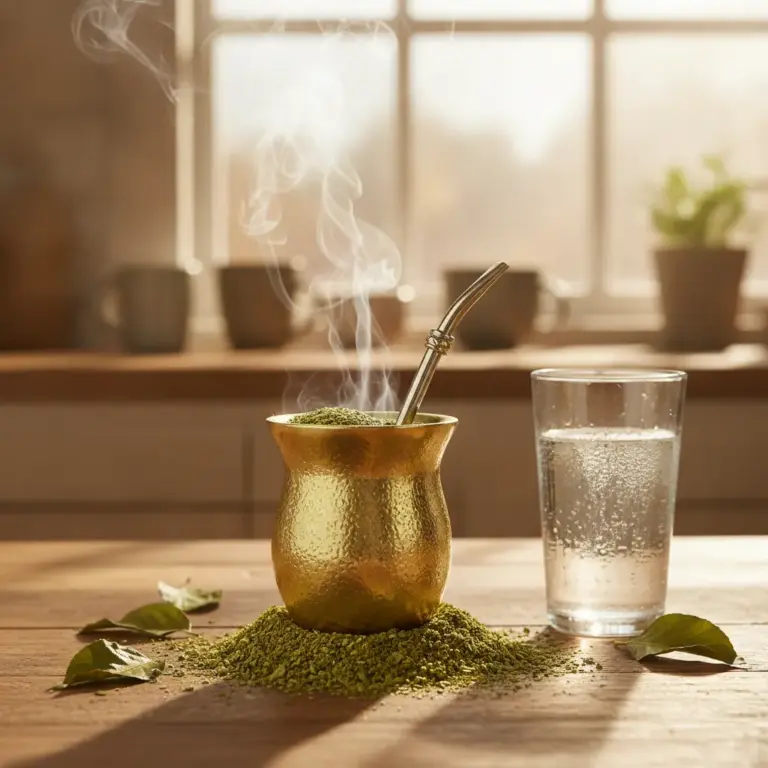
Let’s start with a fact that’s absurdly simple, yet makes the biggest difference in practice. A pure yerba mate infusion — dried leaves steeped in water — contains no sugar. Not a single gram. There’s no glucose-fructose syrup, no sweeteners, no “natural flavourings with sugar in the ingredients.” Just leaves and water.
Now for a comparison. A can of sweetened fizzy drink (330 ml) usually contains 30–35 g of sugar. A popular energy drink is similar, sometimes more. A glass of juice, even “100%”, has a dozen or so grams of simple sugars. If someone drinks two such beverages a day, simply swapping them for unsweetened yerba mate cuts 50–70 g of sugar from their diet. Every day. No diet, no calorie counting, no willpower running on empty.
This isn’t a health promise. It’s arithmetic. And that’s exactly why yerba mate fits so well into a plan to cut down on sugar: not because it “heals,” but because it takes the place of drinks that bring that sugar into your body. We described a similar role in our comparison of yerba mate and coffee — what changes the most isn’t the drink itself, but what you stop drinking.
Does yerba mate lower blood sugar? The honest answer
In short: we have no grounds to promise that. And you won’t find a yerba mate “for blood sugar” here, just as you won’t find a yerba mate “for blood pressure.”
Where did this question even come from? Yerba mate leaves are rich in polyphenols, including chlorogenic acid — the same compound found in green coffee. Scientists have long been studying polyphenols in the context of carbohydrate metabolism, and it’s an interesting, active area of research. But an “interesting area of research” is not the same as “proven effect in humans at normal infusion doses”. Results are often preliminary, conducted on small groups or in laboratory conditions that have little to do with everyday yerba drinking.
If you want to understand what these compounds actually are and how antioxidants work, we’ve written about it separately: what polyphenols are and how they work in the body. We take a similarly cautious approach to the topic of yerba and cholesterol — there too the research is promising, but we still don’t treat the infusion as a medicine.
Our rule is simple: yerba mate is an everyday beverage with a long history and a concrete, noticeable stimulating effect. It’s not a cure for diabetes, it doesn’t replace metformin, and it doesn’t “clear” glucose from the blood. Anyone claiming otherwise is selling you a fairy tale.
Bitter taste versus the craving for sweets
There is, however, a mechanism that’s talked about less often, yet felt the fastest in practice. Yerba mate is bitter. Distinctly, honestly bitter — and that’s not a flaw, it’s a feature. Regularly drinking bitter infusions tends to quiet the desire for sweet flavor in many people. Taste buds get used to a different register, and suddenly a cookie that used to be “just right” becomes bland.
Dr Justyna Jessa, a clinical dietitian working with Yerbador, points out another thread: the effect of yerba on regulating leptin and ghrelin, the hormones responsible for feelings of fullness and hunger. In practice this means less tendency to snack — and snacking is the main gateway through which sugar enters the diet. We describe this whole mechanism in more detail in the complete guide to yerba and weight loss.
There’s something to it — steady stimulation without the rollercoaster you know from a sweet drink: a quick boost, followed an hour later by a crash, and your hand reaches for something sweet on its own.
Diabetes, medications, hypoglycemia — see a doctor first, then reach for the matero
There’s no beating around the bush here. If you have diabetes (type 1 or 2), prediabetes, episodes of hypoglycemia, or take medications that affect glucose levels — talk to your treating physician or diabetologist before introducing yerba as a regular habit. Not because yerba is “dangerous”, but because your blood sugar is not a testing ground for experiments from an internet article.
Two specific points. First: yerba contains caffeine, and if your doctor has recommended limiting it, that applies to yerba too — not just coffee. Second: if you monitor your sugar with a glucometer or sensor, it’s worth simply observing any change in habits (including a new drink consumed daily) in your readings. That’s the most honest “study” you have — on your own body, under a specialist’s supervision.
And an obvious point that still needs to be said: yerba sweetened with three teaspoons of sugar or poured over with sweet juice is, from a glycemic standpoint, simply another sweet drink. The whole advantage disappears right from the start.
How to drink yerba without sugar and not hate it
The most common beginner’s mistake: the first matero brewed with boiling water, strong as tar, followed by the conclusion “this isn’t for me” and a return to sweet drinks. It’s a shame, because the bitterness of yerba is easy to adjust to your taste:
- Water at 70–80°C, never boiling. Boiling water pulls an aggressive bitterness from the leaves and can “scald” them. At a lower temperature, the infusion is milder and more herbal.
- Less dried leaves to start. The classic proportion is filling the matero to about a quarter, but for beginners we recommend starting with even just two tablespoons — the flavor will be milder, and you’ll gradually get used to it.
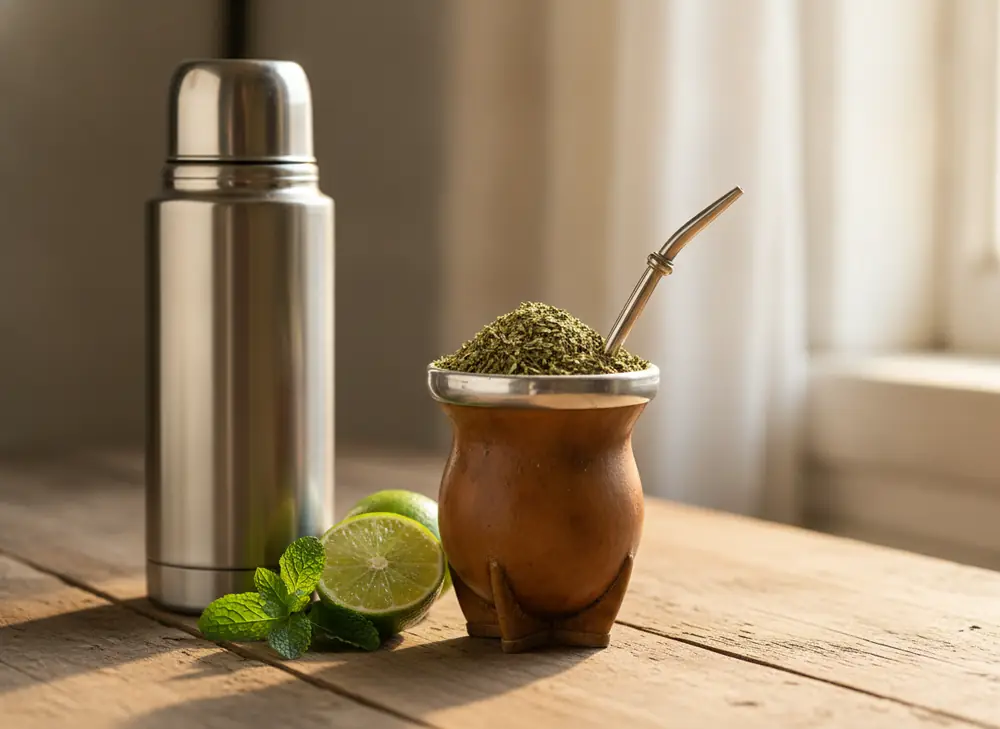
- Additions instead of sugar. Fresh mint, a slice of lime or lemon, a piece of ginger. They enhance the flavor without adding a gram of sugar. Go easy with honey — it’s still sugar, just in a nicer package.
- Subsequent refills are milder. The same portion of dried leaves can withstand many refills, and the bitterness decreases with each one. The first infusion is the strongest — after that, it becomes friendlier.
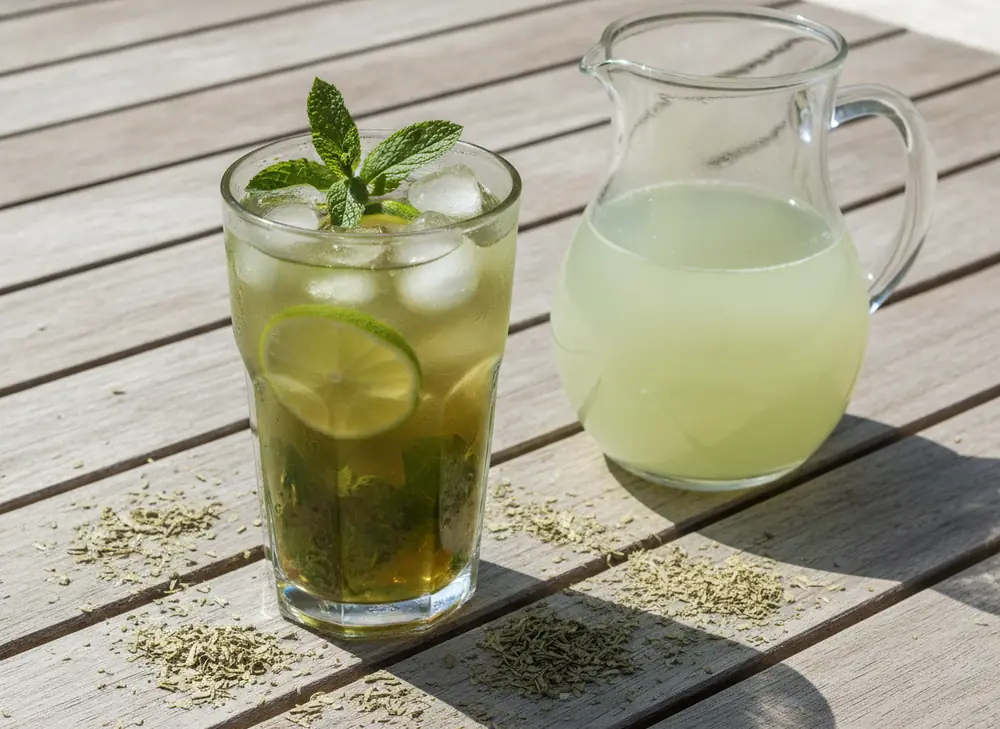
In summer, another trick works: tereré, or cold yerba mate. Cold water with ice, lime, mint — a refreshment that genuinely competes with a fridge full of sweet drinks on a hot day. We’ve described it step by step in our yerba mate brewing guide, and you can read about how much yerba per day makes sense in our article on yerba mate dosage.
Which yerbas to choose if you’re cutting down on sugar
Short rule: look for a clean ingredient list. No candied fruit, no “caramel flavorings”, no added sugar. Three suggestions from our shelf, all in unsweetened versions:
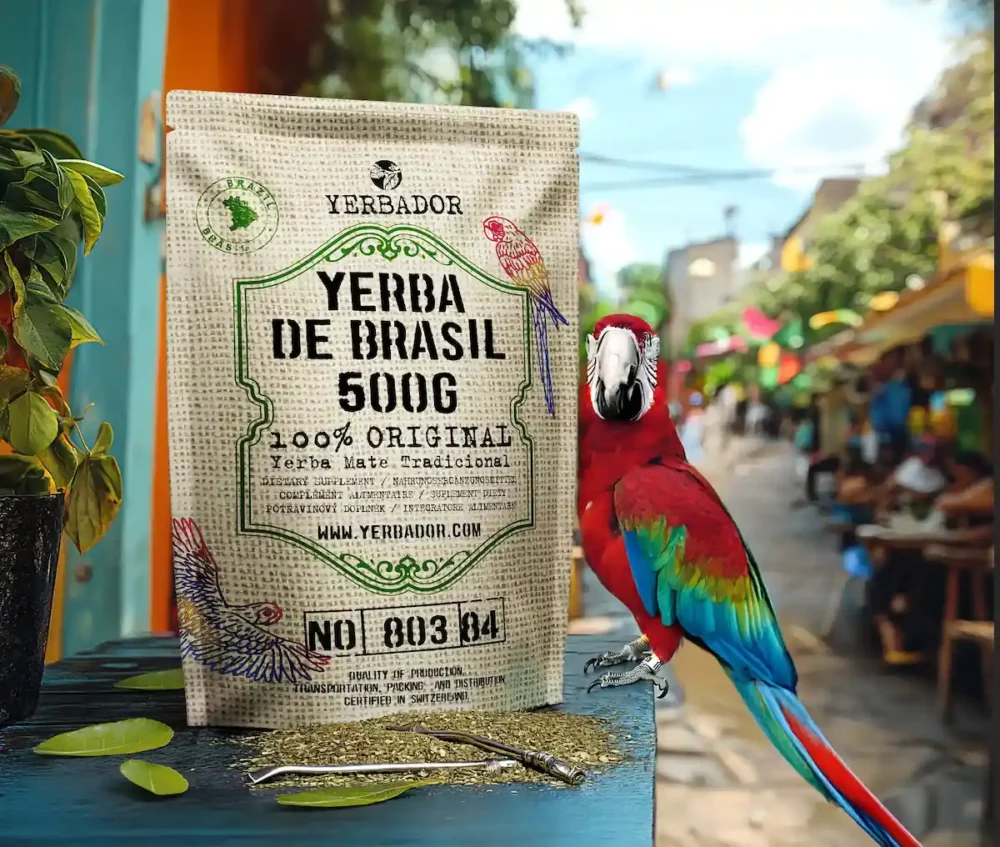
Yerba De Brasil — Doypack 0.5 kg
A classic to start with: pure Brazilian leaf, a bold, herbal profile. Perfect for checking what yerba tastes like without any additions — and without sugar. The large pack lasts for weeks of daily drinking.
Check the current price — See the product
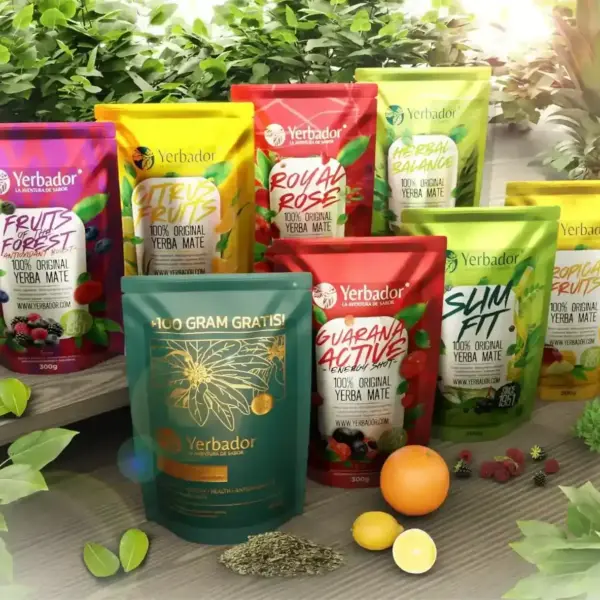
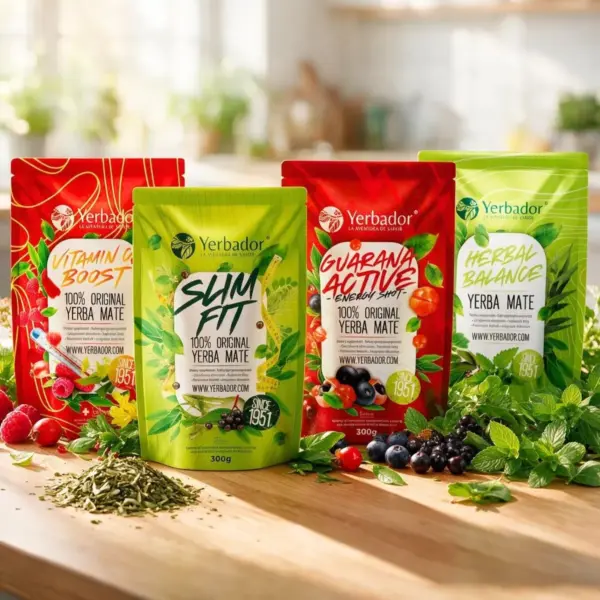
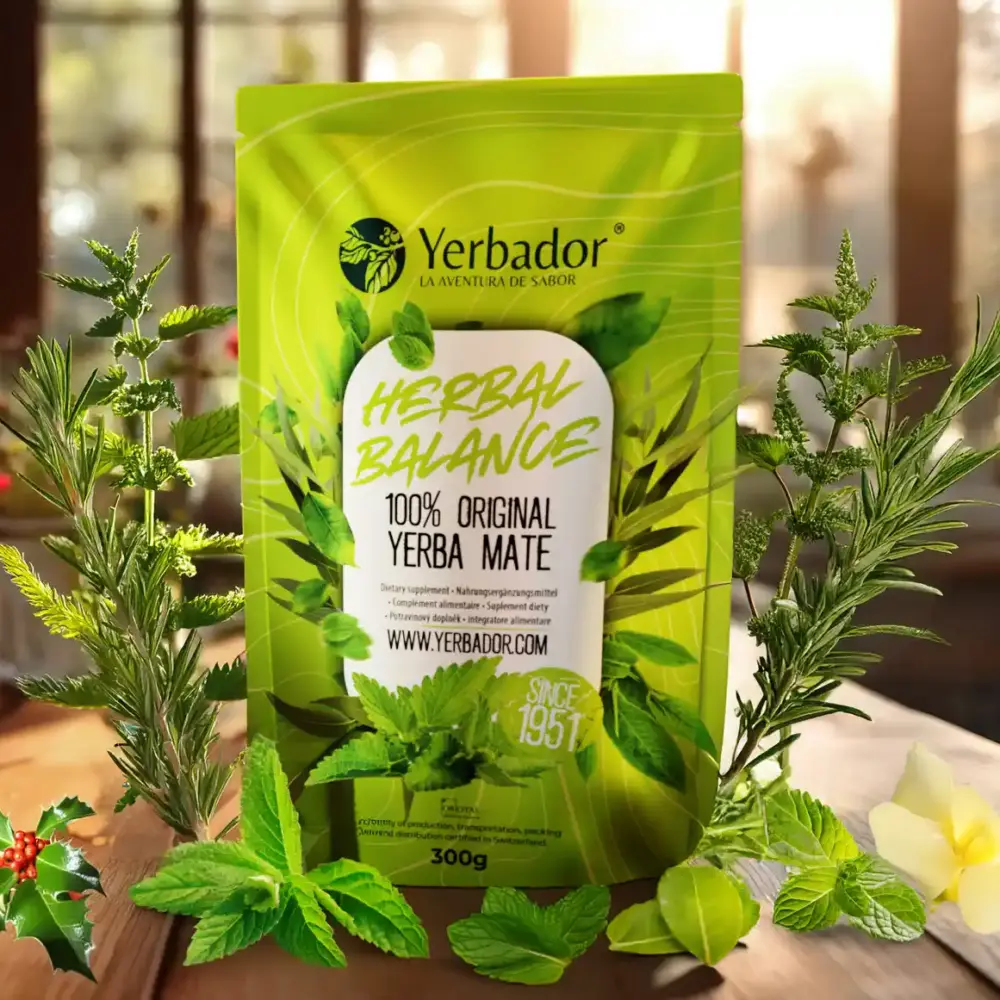
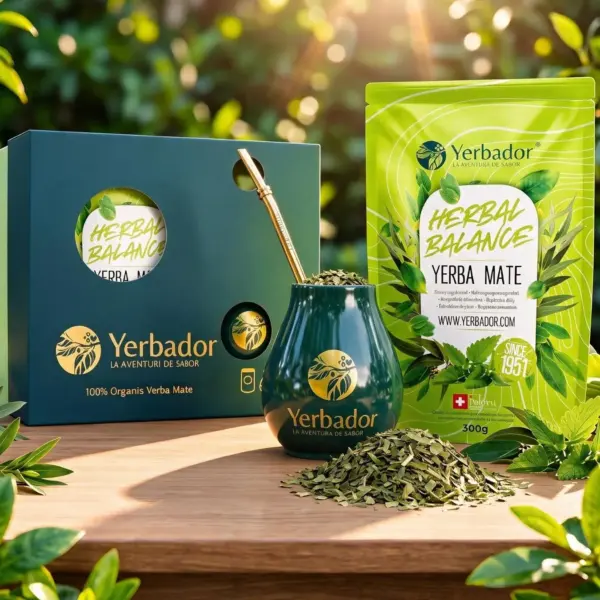
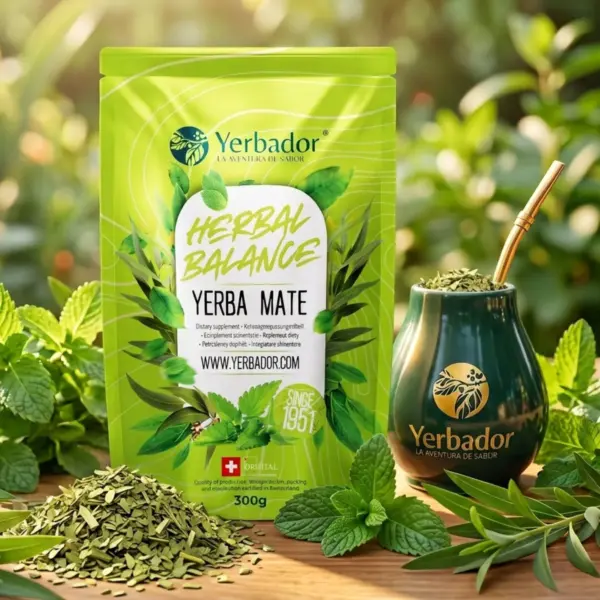
Yerba Mate — Herbal Balance
A blend of yerba with herbs for those who find the pure leaf too harsh. The herbal note naturally softens the bitterness — without sweetening. A good choice for calm afternoons, when you want something more than water but not a sweet drink.
Check the current price — See the product
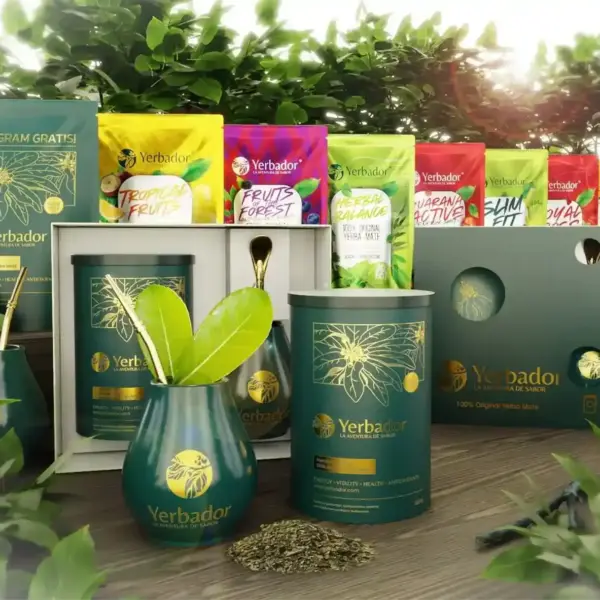
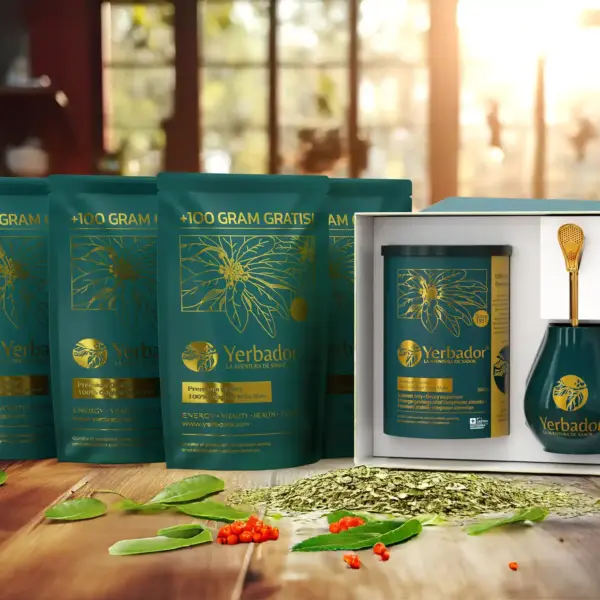
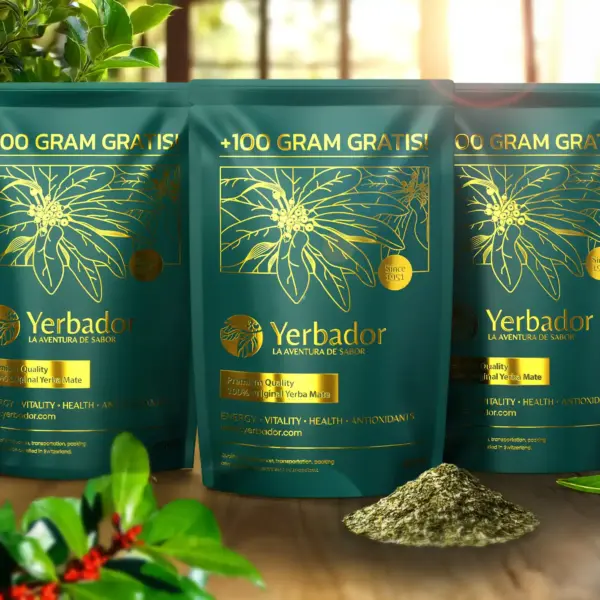
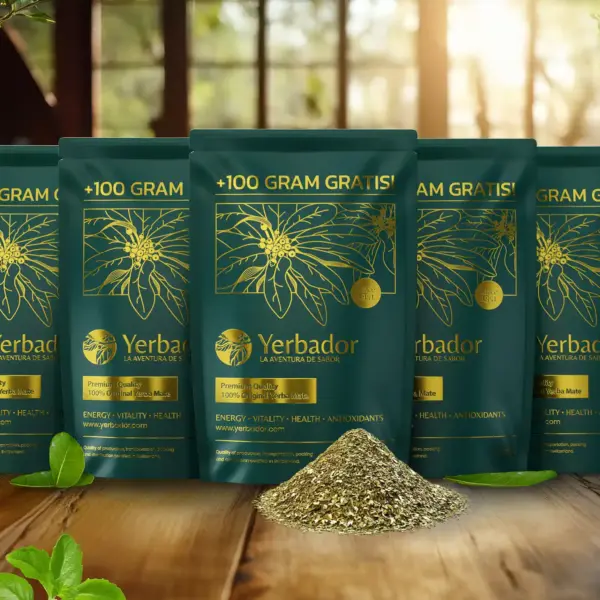
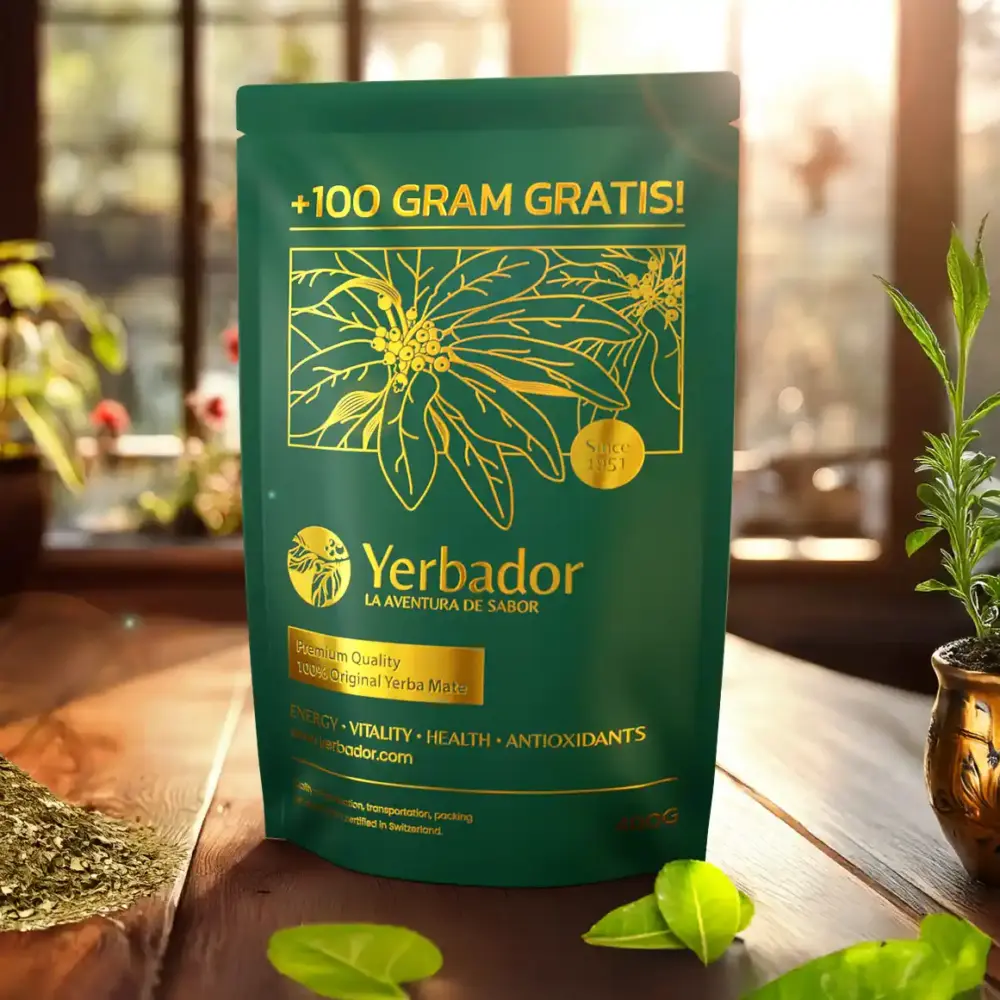
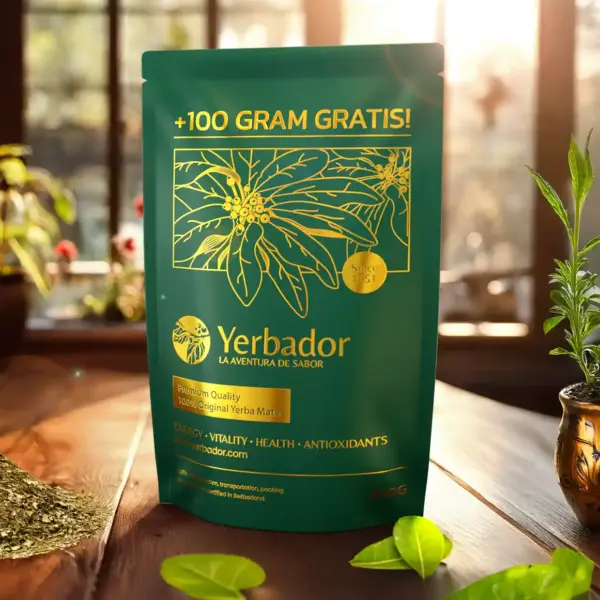
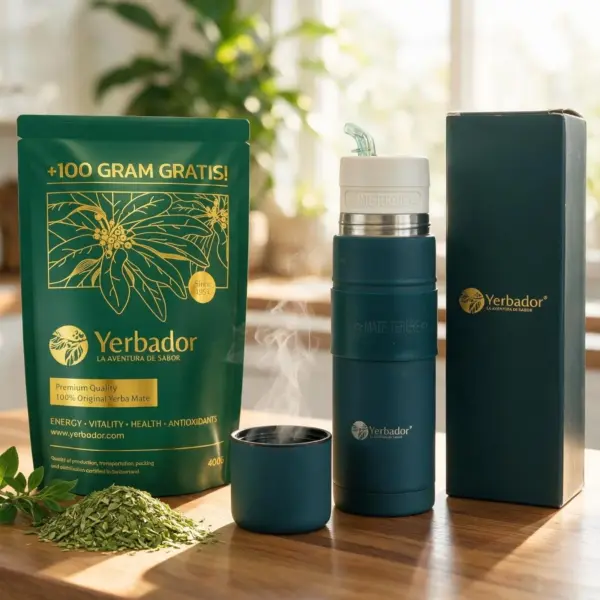
Airtight Doypack Yerba Mate + 100 g free
Our flagship yerba in an airtight package that protects the dried leaves from moisture and loss of aroma. Fresh, full flavor from the first to the last matero — and the bitterness of fresh leaves is cleaner and more pleasant than that of stale ones.
Check the current price — See the product
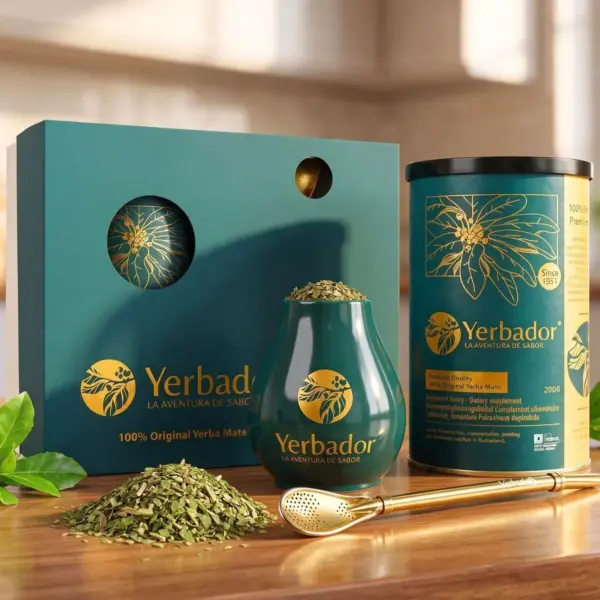
A clean ingredient list, no surprises — what we check before yerba goes into the package
Since we’re talking about what’s in the ingredients, it’s worth explaining how we control it. Our leaf comes from Brazil, is packaged in Europe, and its quality is certified by the Swiss OROTAL Commodities Trading SA certification. Batches are tested in independent laboratories: IWNIRZ (Institute of Natural Fibres and Medicinal Plants — authenticity and purity), J.S. Hamilton (compliance with the standard), and GBA Polska (heavy metals, pesticides, PAHs). In addition, HACCP and KIWA on the process side, as well as the Quality Certificate from the National Medicines Institute. Why this list? Because a “clean ingredient list” is an easy claim to write — we prefer to show who verifies it for us.
Sugar-free yerba for your venue or store
Do you run a café, fitness club, or health food store? Unsweetened drinks are a category customers ask about more and more often — and yerba mate stands out from yet another flavoured water. We offer wholesale cooperation with real support to help you get started.
Frequently asked questions: yerba mate and blood sugar
Does yerba mate lower blood sugar levels?
There isn’t enough evidence to make that claim. Polyphenols in yerba mate (including chlorogenic acid) are being studied in relation to carbohydrate metabolism, but the results are preliminary. Yerba mate is not a medicine and does not replace diabetes treatment.
Can you drink yerba mate if you have diabetes?
That’s a question for your doctor or diabetologist — the answer depends on the type of diabetes, medications, and individual reaction to caffeine. A pure, unsweetened infusion contains no sugar, but decide on daily consumption together with a specialist and monitor your glucose levels.
Does yerba mate contain sugar or carbohydrates?
A pure infusion from the leaves has practically zero sugar and only trace amounts of carbohydrates. Watch out for ready-made “yerba mate” drinks from the fridge at the store — many of them are sweetened. Always read the label; the dried leaves we sell are pure leaf, nothing else.
How to sweeten yerba mate without adding sugar?
Best not to sweeten it at all — instead, lower the water temperature to 70–80°C and add mint or citrus to soften the bitterness. Honey is also sugar, so if you’re cutting down on carbs, treat it the same as white crystals.
Discover our TOP products!
Your dream figure
Discover new flavors
Yerba mate with tea
Accessories
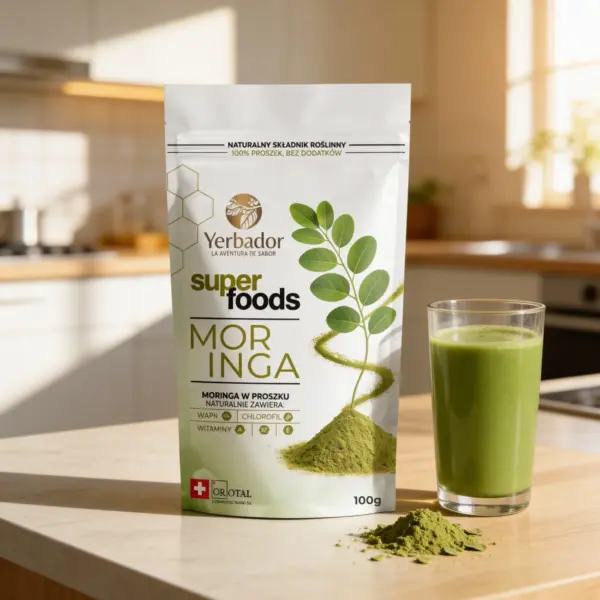
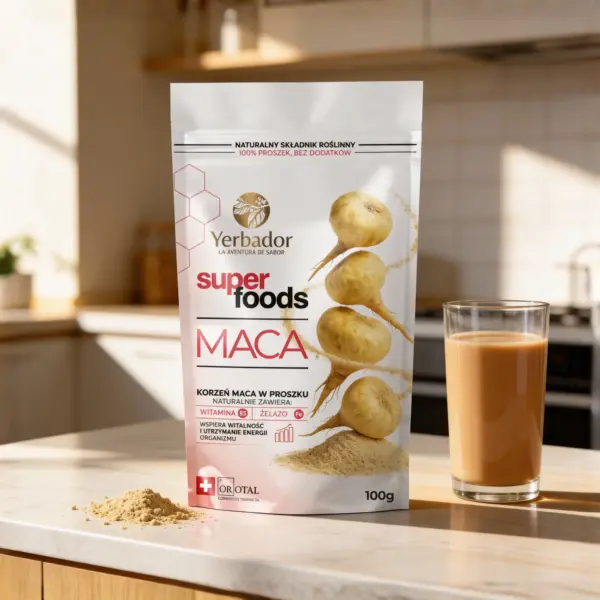
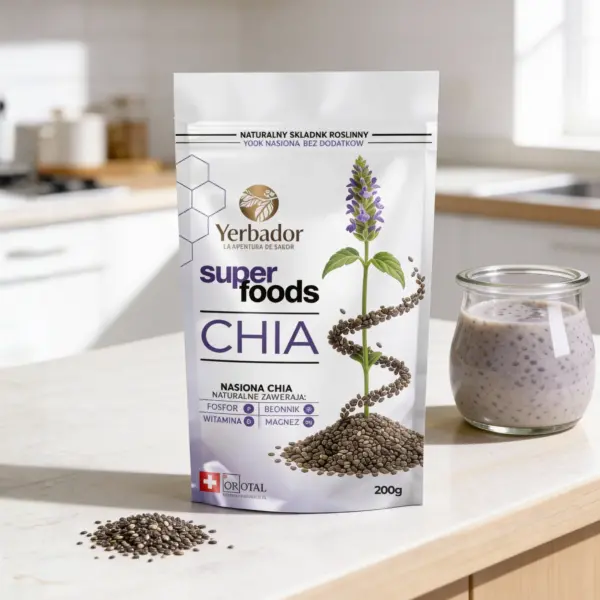
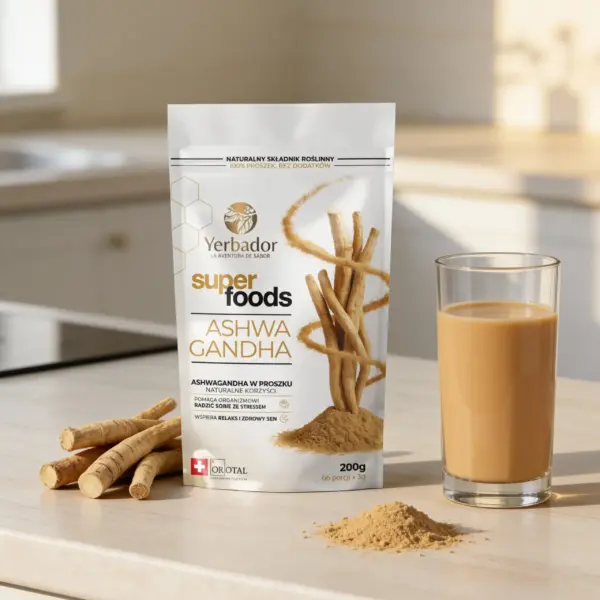
Superfoods
Certified raw honeys from Poland

Check the current price
free shipping
Up to 90 days
free returns
24 H
shipping