
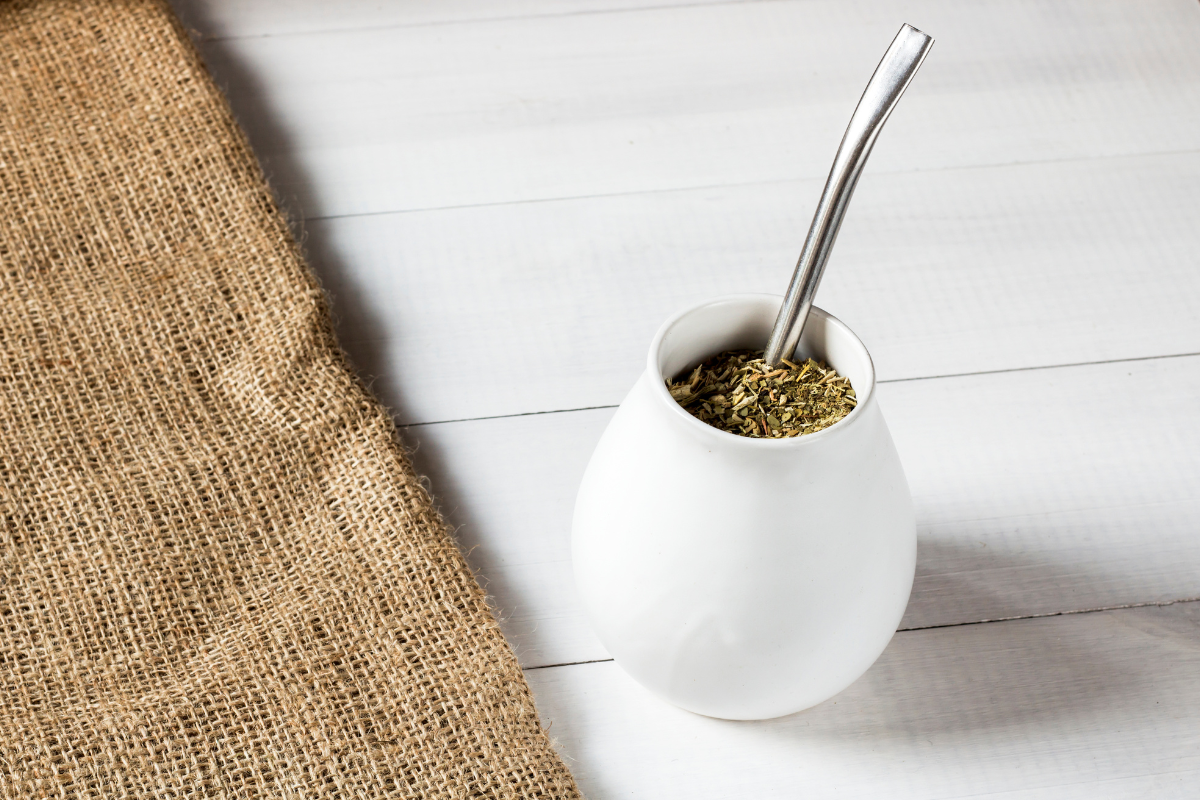
Yerba Mate and Cholesterol – What the Research Says and What It Means for You
2025-09-25
Cholesterol is a topic that has stirred emotions for years – some associate it solely with a threat to the heart, while others know it also performs important functions in the body. A high level of “bad” LDL cholesterol does indeed increase the risk of cardiovascular disease, which is why dietitians and doctors recommend changing eating habits, increasing physical activity and, in some cases, pharmacological treatment.
The question increasingly arises: can natural drinks such as yerba mate help with this process? The answer is: yes, and on several levels. In this article, we’ll take a look at scientific research, tradition and practical tips on drinking yerba mate in the context of cholesterol.
Table of Contents
What exactly is cholesterol?
Cholesterol is a fatty molecule essential for life – it builds cell membranes and takes part in the synthesis of hormones and vitamin D. It is divided into:
- LDL (the “bad” cholesterol) – when in excess, it accumulates in the walls of blood vessels, forming atherosclerotic plaques,
- HDL (the “good” cholesterol) – helps remove excess cholesterol from the body, protecting the cardiovascular system.
High LDL levels and low HDL levels are among the main risk factors for cardiovascular disease. This is where yerba mate comes in – a beverage valued not only for its stimulating effect, but also for its potential to support lipid metabolism.
What do clinical studies say? Evidence for yerba mate’s effects
Several studies suggest that regularly drinking yerba mate may have a beneficial effect on LDL and HDL, especially in people with lipid disorders. In a study conducted by Elayne C de Morais and colleagues, 102 participants took part, drinking 330 ml of infusion 3 times a day for 40 days.
In both normo- and dyslipidemic groups, LDL decreases of around ~8% were observed, along with an increase in HDL in some participants, while in those on statins, adding yerba further reduced LDL. This particular study provides a concrete, measurable signal that yerba may help in the short term.
In addition, a 2021 review meta-analysis pointed to possible benefits in the form of increased HDL in a randomised controlled trial, suggesting that yerba’s effect may depend on the population, dose, and form of the dried leaves. In summary – there are solid individual studies showing the benefits of drinking yerba mate, but data syntheses still leave room for further research.
Mechanisms – how can yerba mate affect your lipid profile?
Scientists propose several biological mechanisms that explain the observed effects:
- Antioxidant action: Yerba is rich in polyphenols (e.g. chlorogenic acid) and other antioxidants that protect lipoproteins (LDL, HDL) from oxidation. Since oxidised LDL strongly promotes atherosclerosis, preventing its oxidation is an important protective mechanism. Studies show increased LDL resistance after consuming yerba mate.
- Saponins and absorption inhibition: The saponins found in yerba may limit intestinal cholesterol absorption, contributing to lower serum LDL levels.
- Effect on apolipoproteins and inflammatory markers: Some studies have shown a reduction in ApoB (proteins associated with “bad cholesterol” particles) after yerba supplementation, as well as a decrease in markers of oxidative stress and inflammation, which indirectly improves the lipid profile.
- Impact on metabolism and body weight: Caffeine, theobromine and other alkaloids present in yerba mate increase fat oxidation and thermogenesis, which makes it easier to maintain a healthy body weight, and this in turn supports lower LDL levels and a better lipid profile. (Preclinical and clinical studies indicate beneficial metabolic effects).
What do reviews say and why do results vary?
Differences in results between studies stem from several factors: different doses and forms of yerba mate (infusion, extract), different intervention periods (a few weeks vs months), heterogeneity of the study populations (healthy vs dyslipidemic individuals, people on statins), and different analytical methods.
A 2022 meta-analysis indicated that minor differences in results may have depended on the participants’ baseline lipid levels – the effect is more often observed in people with elevated LDL. Hence, in practice it’s worth considering yerba mate as a complement, especially for people with mild dyslipidemia, but not as a substitute for treatment prescribed by a doctor.
Practical tips: how to further increase your chances of benefits?
If your goal is to lower cholesterol and support heart health, yerba mate can be one piece of the puzzle, but not the only one. It’s worth combining regular drinking of it with other proven methods. Studies show that the greatest improvements in lipid profile are achieved by people who combine the infusion with physical activity and a diet low in saturated fat.
It’s also a good idea to include foods rich in soluble fibre in your diet (e.g. oatmeal, legumes or apples), which supports the removal of “bad” LDL cholesterol from the body. Meanwhile, unsaturated fatty acids from fish, olive oil or nuts can additionally protect the heart. In such a combination, yerba mate becomes a natural ally – its polyphenols, caffeine and saponins work synergistically with other healthy habits.
What should you pay attention to?
- Consistency – in the study that showed a drop in LDL, participants drank 330 ml of infusion three times a day for 40 days. This shows that consistency is needed, not one-off sipping.
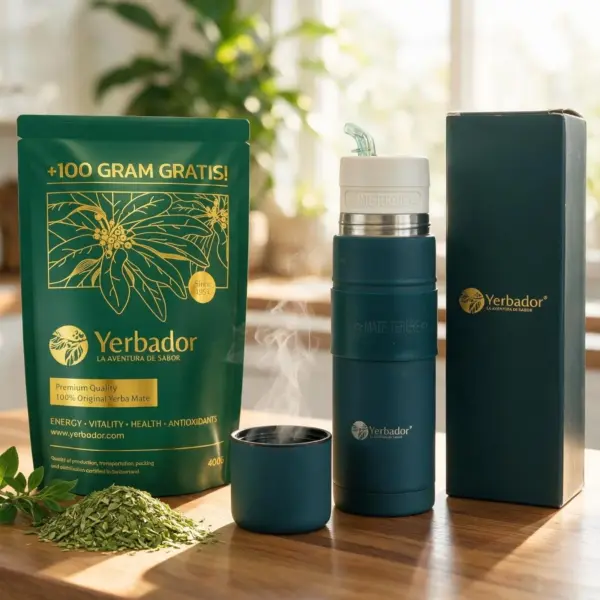
- Form of consumption – it’s better to use an infusion made from dried yerba mate leaves, as extracts vary in standardisation. Choose good-quality dried leaves, e.g. Classic yerba mate from Yerbador.
- Combination with diet and exercise – yerba mate works best as part of a broader lifestyle. What matters is: a diet low in saturated fat, physical activity and maintaining a healthy body weight.
- Monitor your results – if you’re drinking yerba mate with your lipid profile in mind, it’s worth getting blood tests every few months to track the effects.
- Avoid sweetening – sugar and fatty additions reduce the health benefits.
Safety of drinking yerba mate – what should you keep in mind?
Yerba mate is generally considered a safe drink, but it’s worth following a few rules to make sure enjoying it is healthy and comfortable. First of all, the infusion contains caffeine, so people sensitive to this ingredient should start with smaller portions and avoid drinking yerba mate in the evening, so as not to disrupt their sleep rhythm. A standard portion (about 25–30 g of dried leaves steeped several times) provides an amount of caffeine similar to two cups of coffee.
The temperature of the prepared drink also matters. Studies indicate that regularly consuming very hot beverages may increase the risk of irritation to the oesophagus and digestive tract. That’s why it’s recommended to pour water at a temperature of about 70–80°C over the leaves – hot enough to release the aroma and active compounds, but not so hot as to damage the mucous membrane.
People with chronic conditions such as high blood pressure, heart problems, diabetes or blood clotting disorders, as well as those taking medications that lower cholesterol, blood pressure, or thin the blood, should consult a doctor before introducing yerba mate into their daily diet. This is a simple yet important step that helps avoid potential interactions between the beverage and medications, as well as side effects.
It’s also worth remembering that excessive consumption of yerba mate can cause symptoms typical of too much caffeine, such as a rapid heartbeat, hand tremors, headaches or trouble concentrating. That’s why it’s best to observe your body’s reactions and adjust the amount of the drink to your own needs.
How to practically incorporate yerba mate into your daily routine?
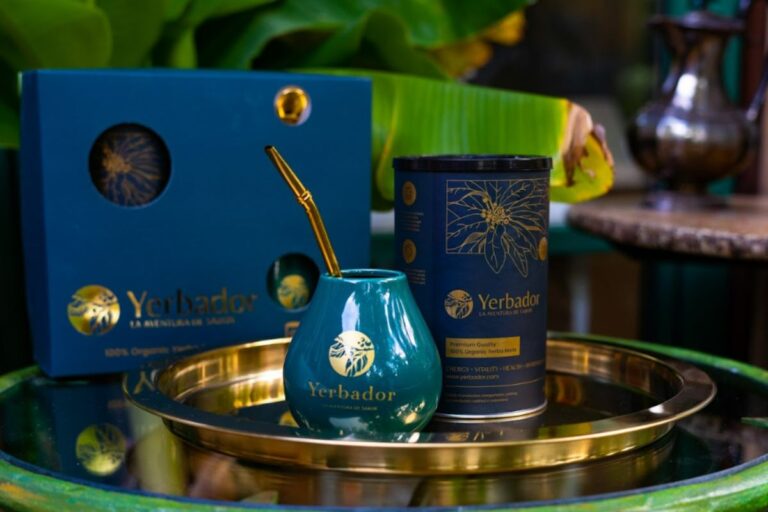
Yerba mate is an incredibly versatile drink that’s easy to adapt to your own needs and daily rhythm. Traditionally, it’s brewed with a matero and a bombilla. About 2 tablespoons of dried leaves per 200–250 ml of water is enough to enjoy its stimulating and health-promoting properties.
On warmer days, or to stay better hydrated, it’s worth reaching for tereré – yerba mate brewed with cold water, fruit juice or herbal infusions. It’s a refreshing alternative to hot drinks, perfect both at work and during outdoor activities.
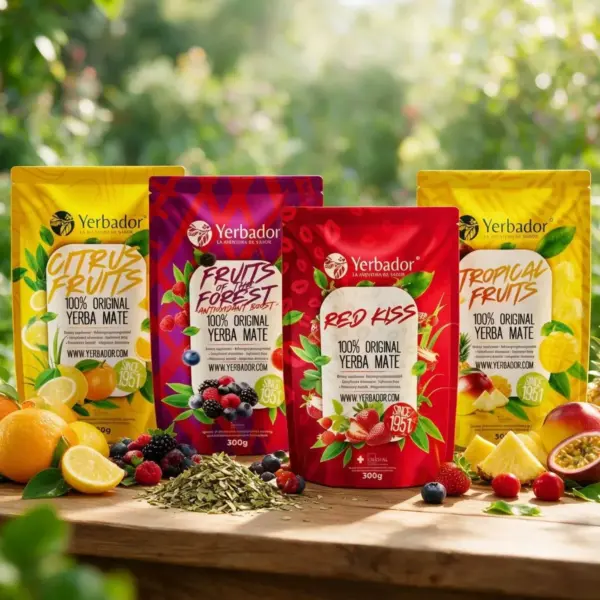
If you want to experiment with different flavors or create your own drinking rituals, it’s worth checking out yerba mate sets. They contain various blends and accessories that let you tailor the drink to your own preferences and make it easier to incorporate yerba mate into your daily routine.
Yerba mate can also serve as a healthier substitute for your second cup of coffee during the day. It provides energy in a gentler way than coffee – without sudden spikes and crashes in energy levels – which supports steady focus and overall well-being. All it takes is establishing a simple ritual, such as a cup of the drink in the morning or at work, for yerba mate to become an enjoyable, regular part of the day.
For those looking for variety, yerba mate can also serve as a base for flavored drinks and healthy smoothies – strongly brewed yerba mate pairs wonderfully with fruit juices, plant-based milk or herbs, letting you combine the enjoyable with the beneficial and discover new flavors.
Summary
Science says: yerba mate has biological potential – it may act as an antioxidant, influence lipid metabolism, and in individual studies has been shown to lower “bad” LDL cholesterol and increase “good” HDL cholesterol. If you want to try yerba mate as part of cardiovascular prevention – do it wisely: choose good-quality dried leaves, drink yerba mate regularly (not just once), combine its effects with a healthy diet and exercise, and discuss your test results with a doctor.
Bibliography
- Elayne C de Morais et al., Consumption of yerba mate ( Ilex paraguariensis ) improves serum lipid parameters in healthy dyslipidemic subjects and provides an additional LDL-cholesterol reduction in individuals on statin therapy, https://pubmed.ncbi.nlm.nih.gov/19694438/, accessed: 18.09.2025
- Mirna Clemente et al., Efficacy of Ilex paraguariensis versus Placebo on Lipid Profile in Randomized Clinical Trial: A Systematic Review and Meta-analysis, https://phcogrev.com/article/2021/14/28/105530phrev20201413, accessed: 18.09.2025
- Mariana Spanamberg Mayer, Yerba Mate as a Protectant against Lipoproteins Oxidation, https://pubmed.ncbi.nlm.nih.gov/38330241/, accessed: 18.09.2025
- Alessandra Gambero, Marcelo L Ribeiro, The Positive Effects of Yerba Maté (Ilex paraguariensis) in Obesity, https://pmc.ncbi.nlm.nih.gov/articles/PMC4344557/, accessed: 18.09.2025
- Walter Masson et al., Effect of Yerba Mate (Ilex paraguariensis) on Lipid Levels: A Systematic Review and Meta-Analysis, https://pubmed.ncbi.nlm.nih.gov/35829819/, accessed: 18.09.2025
Discover our TOP products!

Your dream figure
Discover new flavors
Yerba mate with tea
Accessories

Superfoods
Certified raw honeys from Poland


Check the current price
free shipping
Up to 90 days
free returns
24 H
shipping