

Yerba Mate or Matcha? Which One to Choose?
2022-10-22
In our new article, we will compare the traditional Japanese green tea Matcha with the infusion made from dried leaves of Paraguayan holly, more widely known as Yerba Mate.
But let’s start from the beginning by introducing both drinks.
Matcha in most cases comes from shaded plantations. Thanks to this, during the growth of the green tea, even more amino acids are produced, and additionally the infusion gains a much more penetrating and sweeter taste.
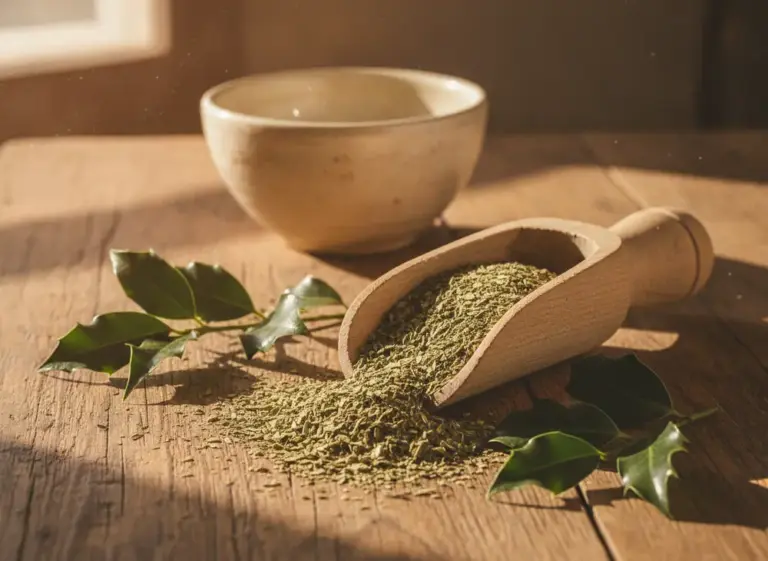
Matcha itself is made only from the youngest leaves of green tea, which are then dried and ground into a fine powder.
Matcha contains an enormous range of different health values, which in Asian countries makes it treated as an exquisite or luxurious infusion. The powder created by grinding dried green tea leaves is rich in cleansing chlorophyll and polyphenols, and above all other compounds that affect our stimulation.
Matcha brewing method – a ritual.
The traditional method of preparing matcha comes from the Japanese ceremony called chanoyu. To prepare the drink we need a suitable vessel called a matcha bowl, a bamboo whisk and a spoon. The traditional Japanese ceremony lasts over an hour, but preparing matcha at home takes much less time.
Pour 2-3 teaspoons of matcha into the vessel, which is then poured over with about 100 ml of water at a temperature of 80°C. Then we start whisking vigorously until a thick foam forms, which usually takes about 30 seconds. By whisking against the bottom of the vessel, the powder is further broken down, creating a suspension thanks to which we drink the entire health-giving content of the leaves. Then more water should be added depending on how strong you like your tea. Matcha is similar to coffee – some people drink it strong, others prefer it more diluted or with the addition of milk.
Yerba mate
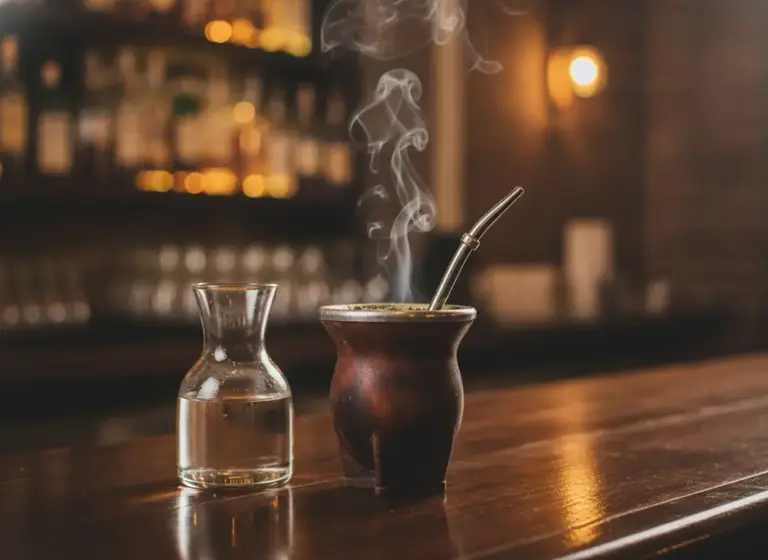
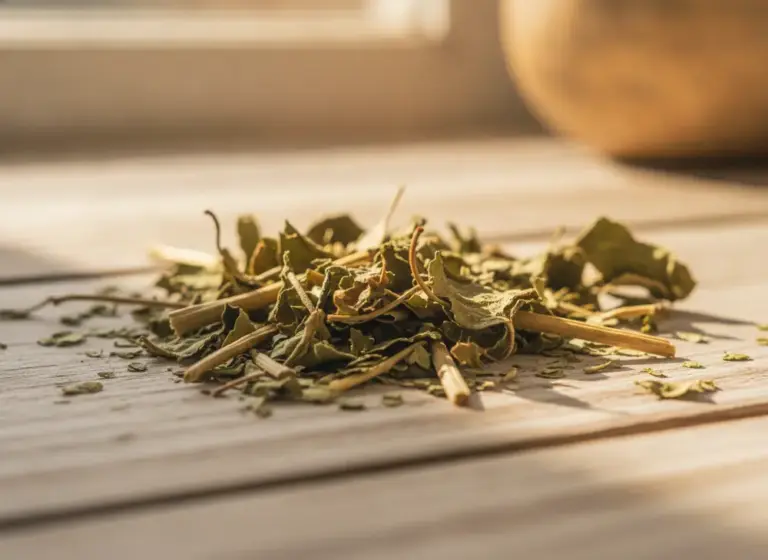
What is yerba mate? – an infusion popular mainly in South American countries (Argentina, Paraguay, Uruguay, Brazil), and also in some countries of the Middle East. However, more and more Europeans are reaching for yerba mate. Yerba Mate are the dried leaves and twigs of the Paraguayan holly, also known under the Latin name Ilex paraguariensis. This tree species occurs only in certain areas of South America, the regions of Brazil, Paraguay and Argentina. Interestingly, the tree cannot be cultivated in other areas.
Scientific studies of this product confirm the presence of chlorogenic acid, quercetin and rutin – substances with antioxidant and body-rejuvenating effects. The biggest advantage of yerba mate over coffee and tea is the high content of valuable nutrients combined with a huge dose of energy. Yerbador contains a range of vitamins from the B group, including B1, B2, B3, B5, B6, B7 and B9, as well as vitamins C and E. Additionally, yerba mate is rich in magnesium, calcium, silicon, iron, potassium, zinc and phosphorus – valuable microelements without which our body would not be able to function efficiently on a daily basis. We encourage you to read more on our website yerbador.com
Source: EU EFSA health claims no. 2835, 2071, 2834
- https://yerbador.com/fenolowe-przeciwutleniacze-zidentyfikowane-za-pomoca-esi-ms/
- https://yerbador.com/wlasciwosci-zdrowotne-yerba-mate/
- Knowledge base
The ritual of brewing yerba mate
Many people, when they hear about the ritual of preparing a Yerba Mate infusion, think it is quite difficult or time-consuming, which can certainly discourage beginner lovers of the infusion made from dried leaves of the Paraguayan holly, as the key element of preparing this infusion is the right water temperature. However, nothing could be further from the truth, as in South America, where Yerba Mate is a kind of national drink, a thermometer is not at all the most important of the accessories for brewing Yerba Mate.
Source: EU EFSA health claims no. 2071, scientific publications
- https://yerbador.com/spozywanie-yerba-mate-ilex-paraguariensis/
- https://yerbador.com/wlasciwosci-zdrowotne-yerba-mate/
Brewing method
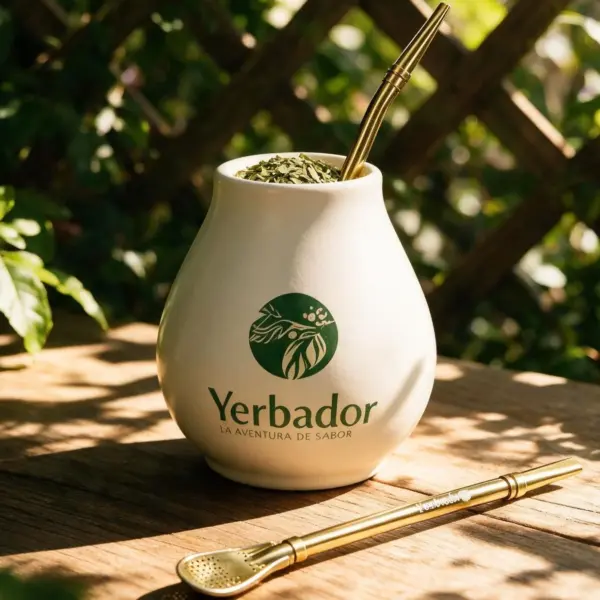
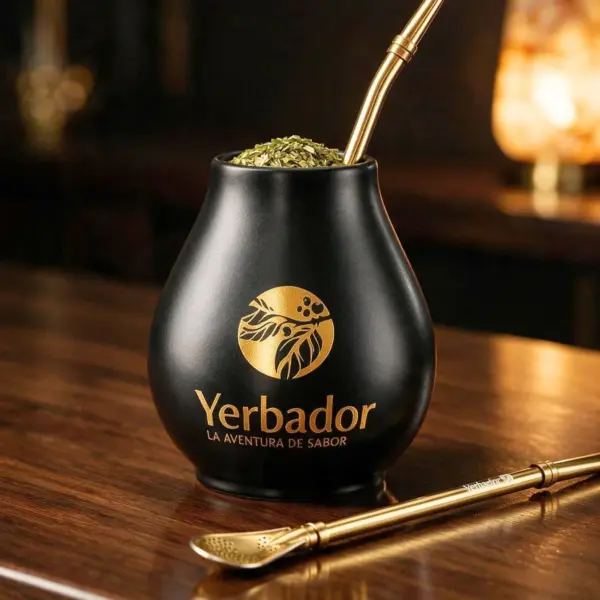
First, you should pour an appropriate amount of dried leaves into the Matero. At the beginning, it’s recommended to use a slightly smaller amount to get used to the taste. Then cover the opening of the vessel with your hand and shake it a few times so that the lighter particles end up in your palm. The dried leaves should be shaped into a so-called mound, meaning arranged at an angle of 45°, so that on one side it reaches the very top of the vessel, and on the opposite side it reveals its bottom. Into the empty space, pour a small amount of water, about 30-50 ml, so that the leaves absorb it all. Then place the bombilla straw under the leaves so that it stays stable. The last step is to pour water at a temperature of about 70-80 degrees Celsius over the leaves. The water should be poured slowly and not too forcefully. It’s worth remembering that once the straw has been inserted under the moist leaves, it shouldn’t be removed. This is recommended because, when stirring, the herb layers can separate and clog the bombilla, which certainly won’t help you enjoy your yerba mate.
Comparing Matcha and Yerba
Most of the compounds found in these plants act in a similar way — both cleanse the body of toxins and heavy metals, neutralise free radicals, and even slow down the aging process while positively affecting our well-being as well as the digestive and nervous systems. When it comes to matcha, it will be more effective at relaxing the body overall, whereas yerba will stimulate us to action without causing any unpleasant or unwanted effects.
Both rituals may seem difficult and time-consuming at first glance, but the time required is nearly the same, so there’s no need to worry. In both cases, the infusions give us strength and bring a sense of calm, but most importantly, both provide our body with a wealth of positive values and minerals.
Let’s remember to choose the best possible products.
In the case of yerba mate, the quality of the infusion can be judged by the amount of dust found in the dried leaves — the more there is, the better and more intense the flavor of the yerba mate.
Another fact worth paying attention to when choosing a product is whether it contains only leaves, or leaves and stems, since the highest quality infusion is characterized by the ABSENCE of stems and consists solely of ground holly leaves.
Also remember that top-class yerba mate should be organic.
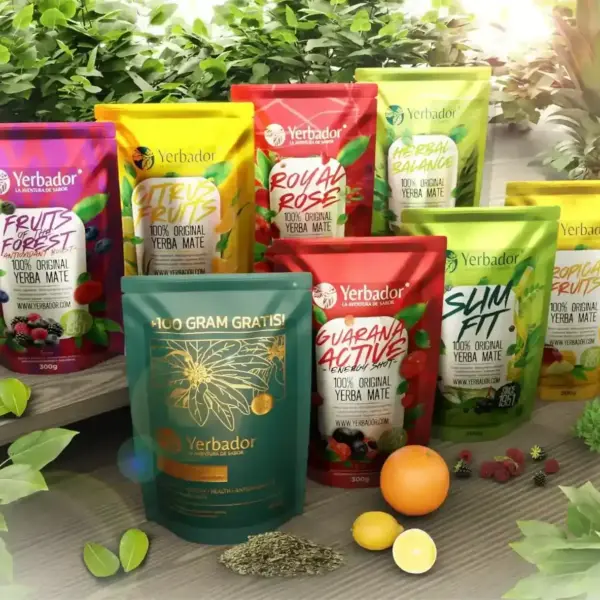
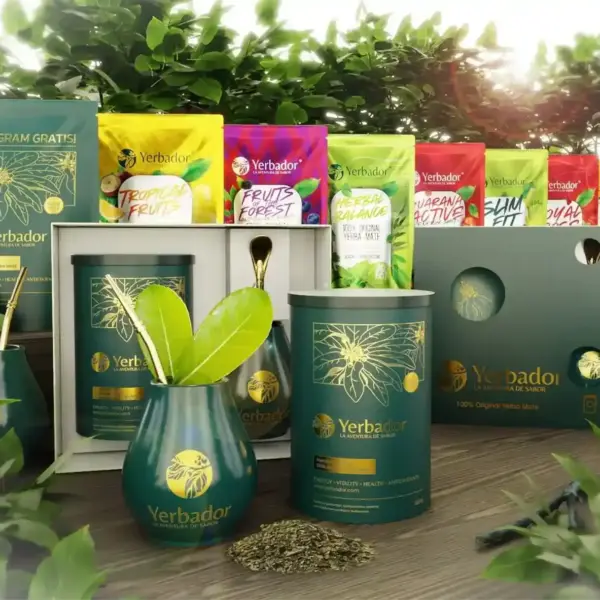
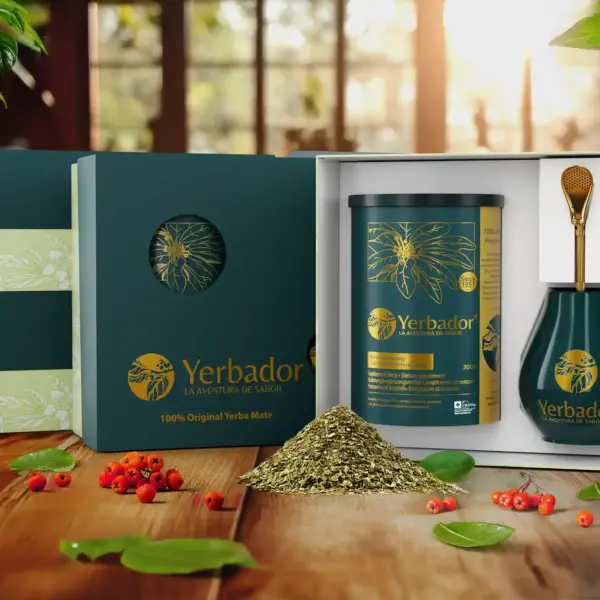
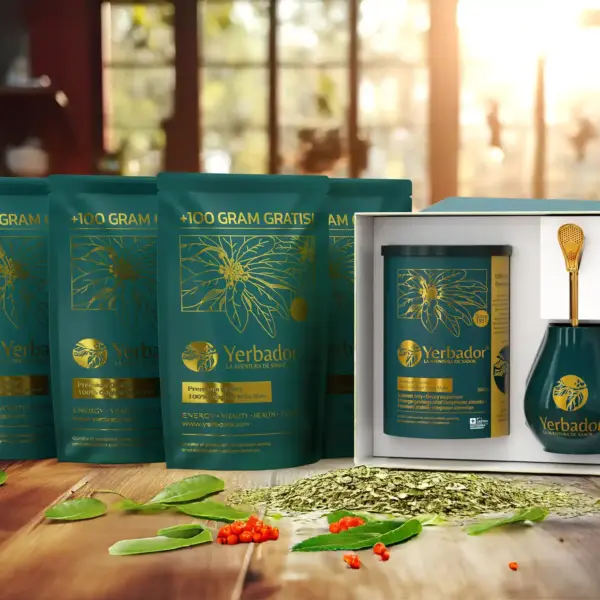
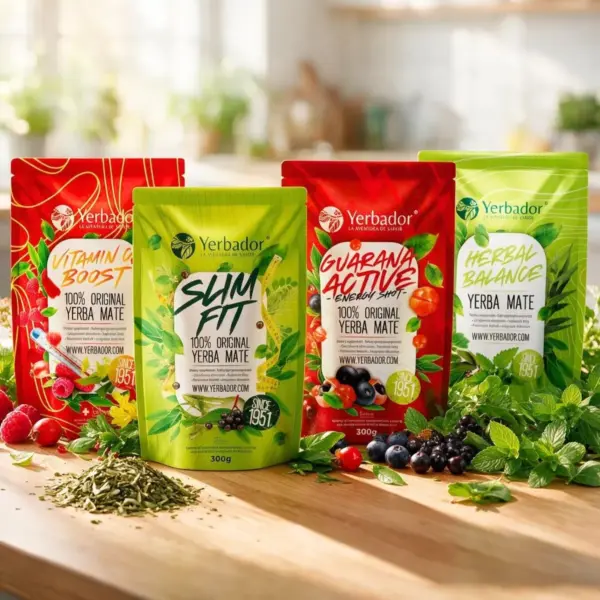
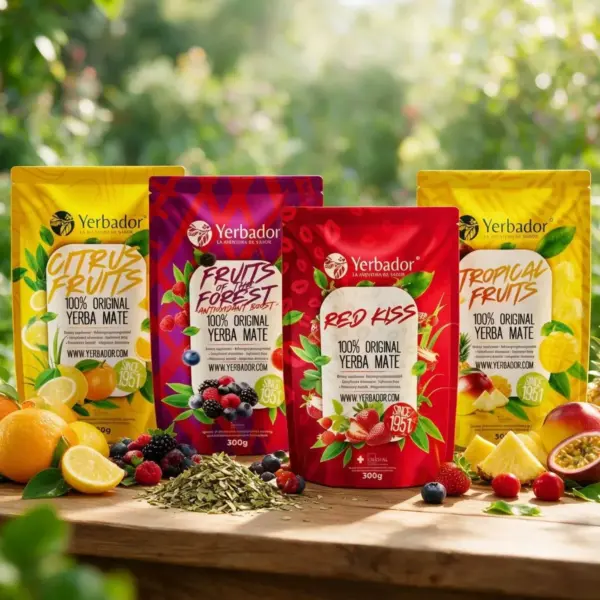
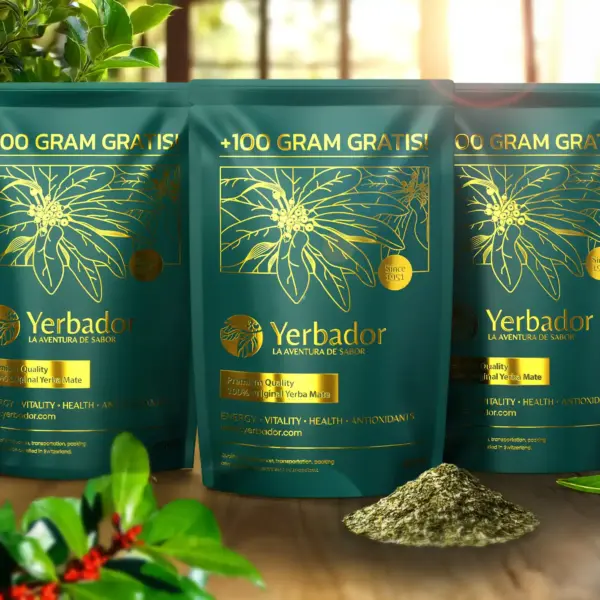
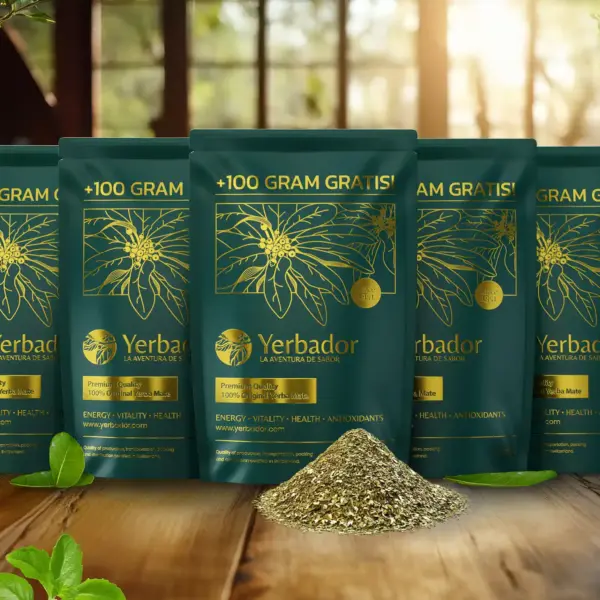
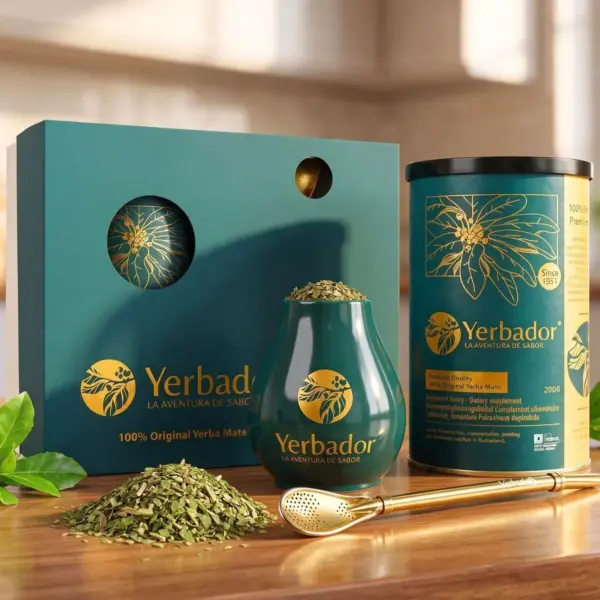
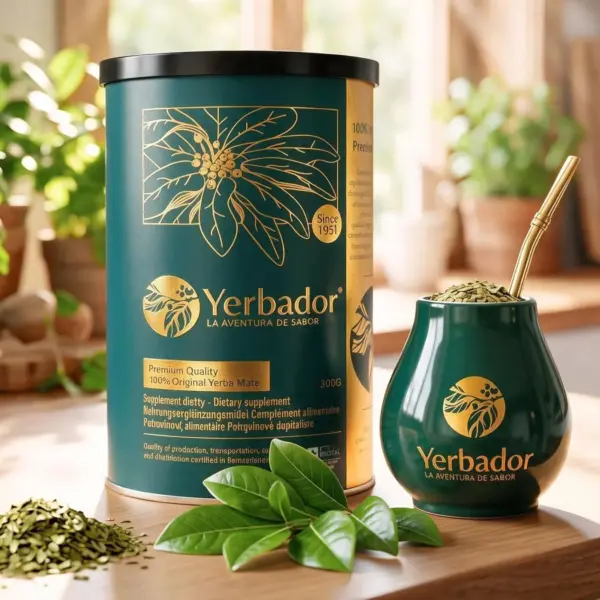
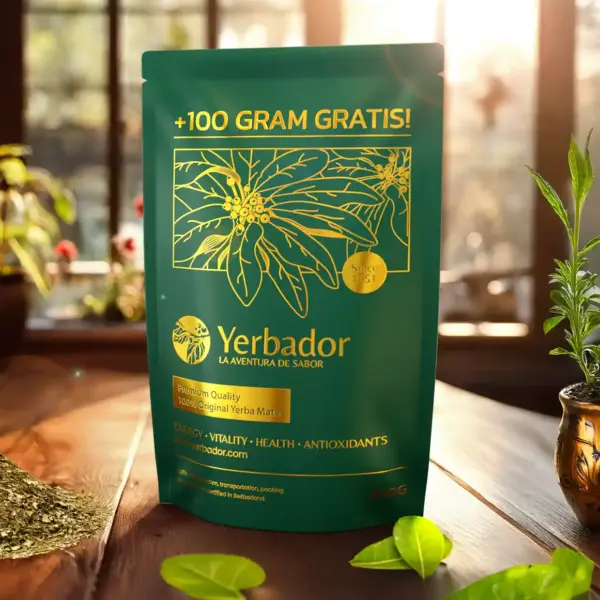
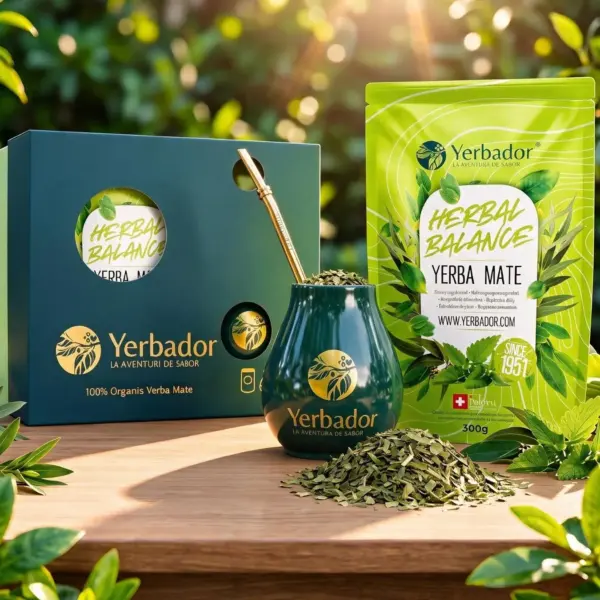
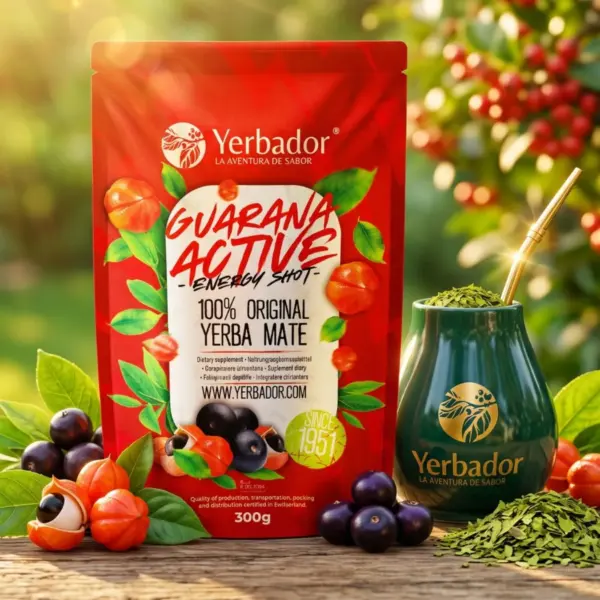
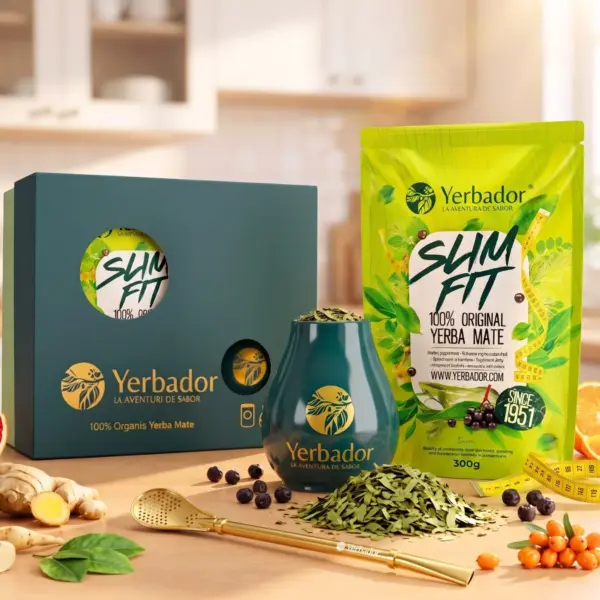
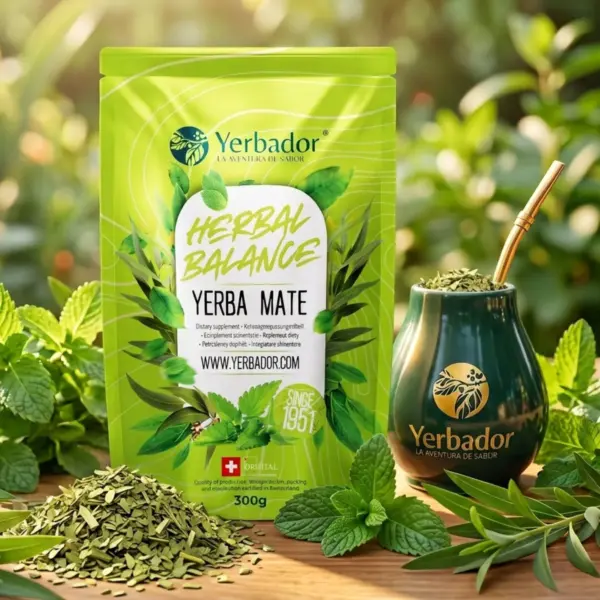
Our product Yerbador contains 100% leaves, with no stems, and holds all the certificates confirming its organic quality, which is why we’re not afraid to say it’s ideal and of the highest quality.
We encourage you to try Yerbador!
Source: EU EFSA health claims no. 2058, 2275, 2276, 3397, 2070, 3940, 2071, 2834, 2835, 3923, scientific publications
- https://yerbador.com/spozywanie-yerba-mate-ilex-paraguariensis/
- https://yerbador.com/antybakteryjne-dzialanie-yerba-mate/
- https://yerbador.com/zwiazki-fenolowe-obecne-w-yerba-mate/
- https://yerbador.com/ekspansja-rynku-produktow-zawierajacych-kofeine/
- https://yerbador.com/fenolowe-przeciwutleniacze-zidentyfikowane-za-pomoca-esi-ms/
- https://yerbador.com/wlasciwosci-zdrowotne-yerba-mate/


Also remember that top-class yerba should be organic.
Our product Yerbador contains 100% leaves, with no stems, and holds all the certificates confirming its organic quality, which is why we’re not afraid to say it’s ideal and of the highest quality.
Discover our TOP products!
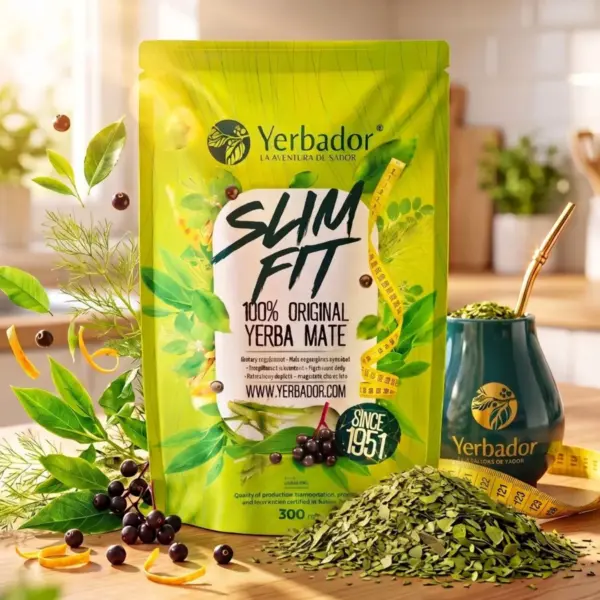

Your dream figure
Discover new flavors
Yerba mate with tea
Accessories
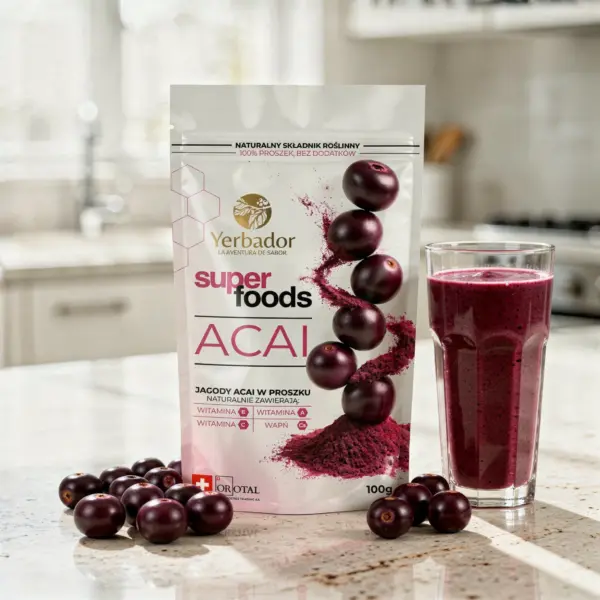
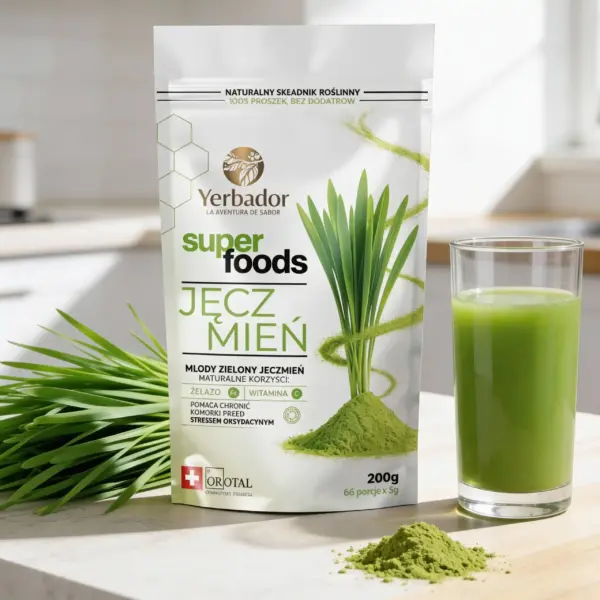
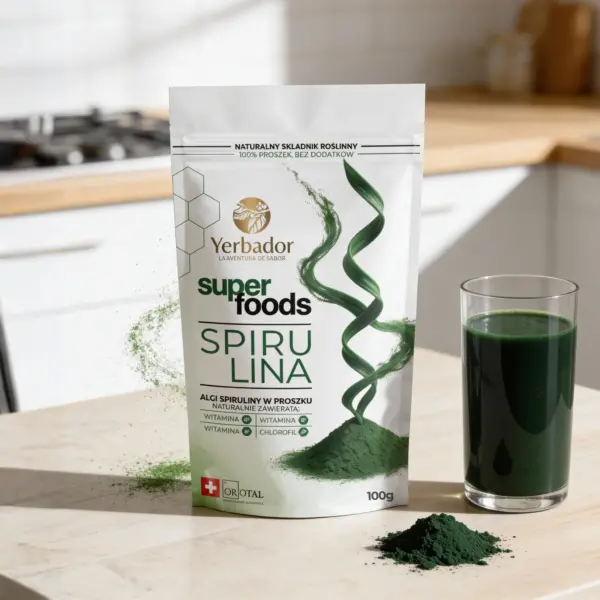
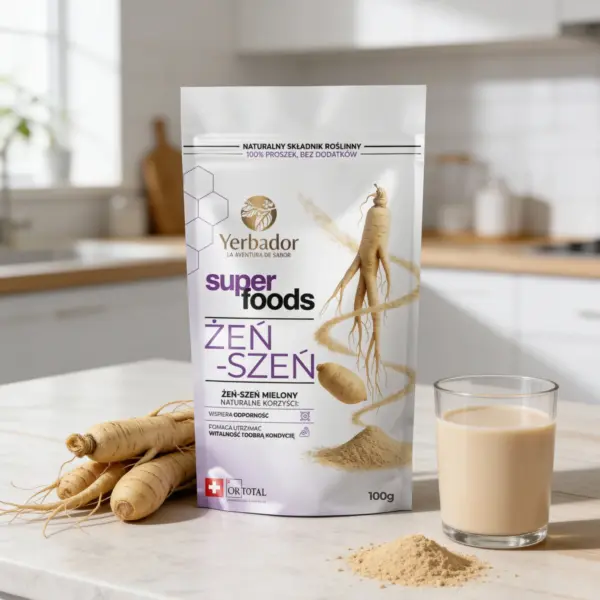
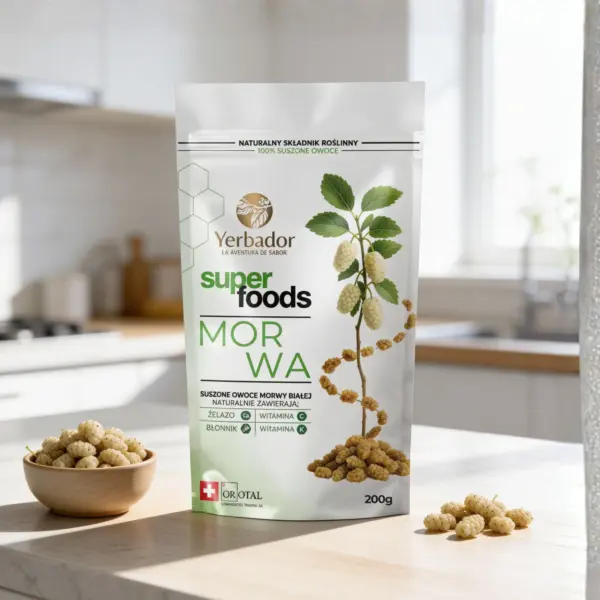
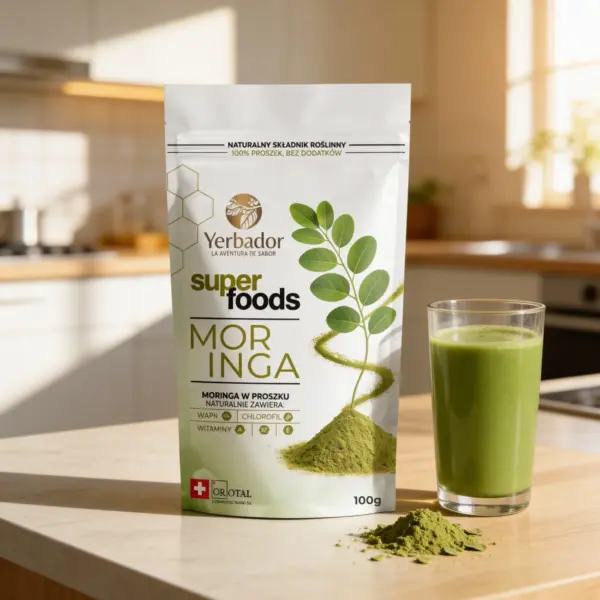
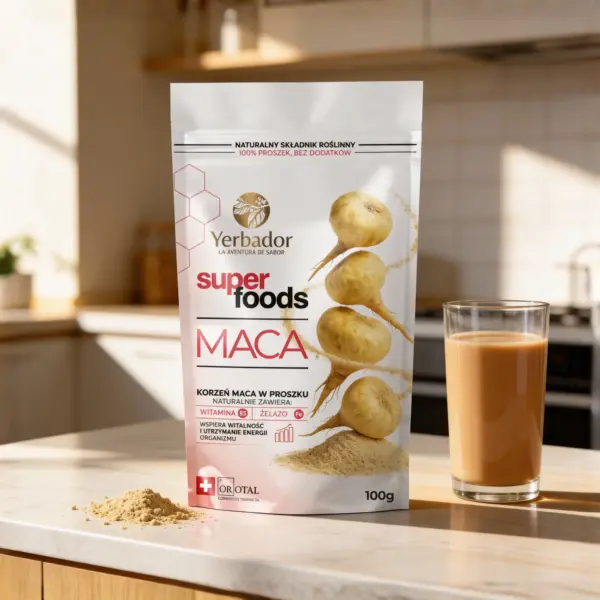
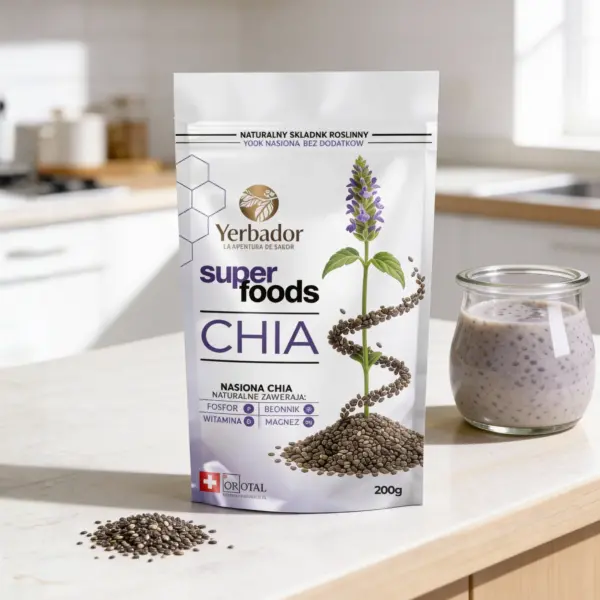
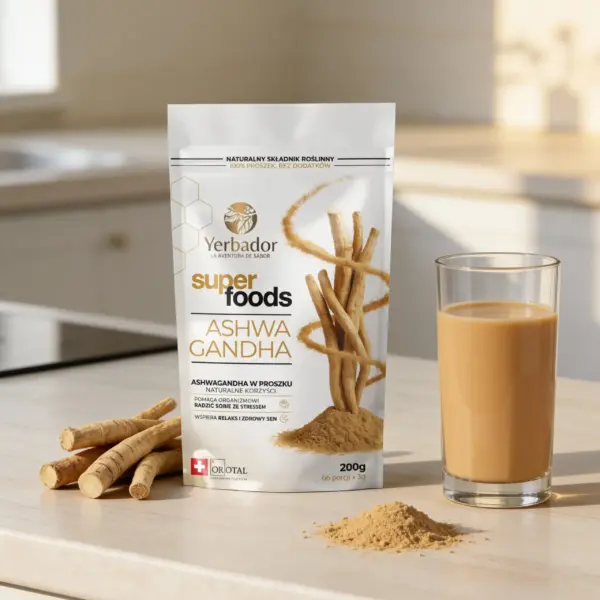
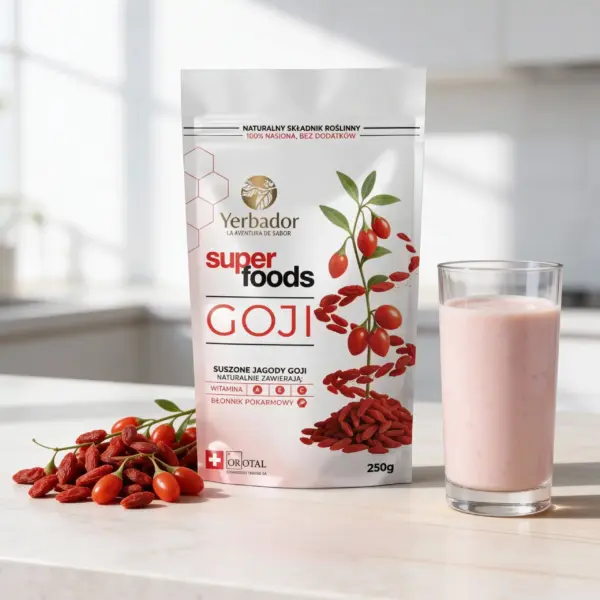
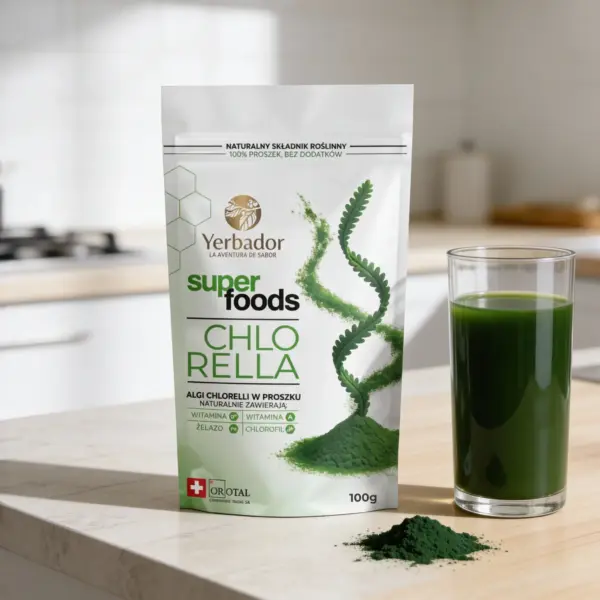
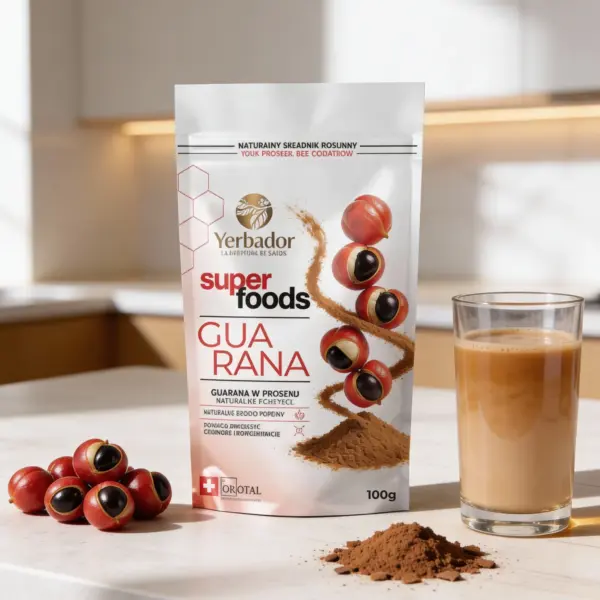
Superfoods

Certified raw honeys from Poland

Check the current price
free shipping
Up to 90 days
free returns
24 H
shipping