
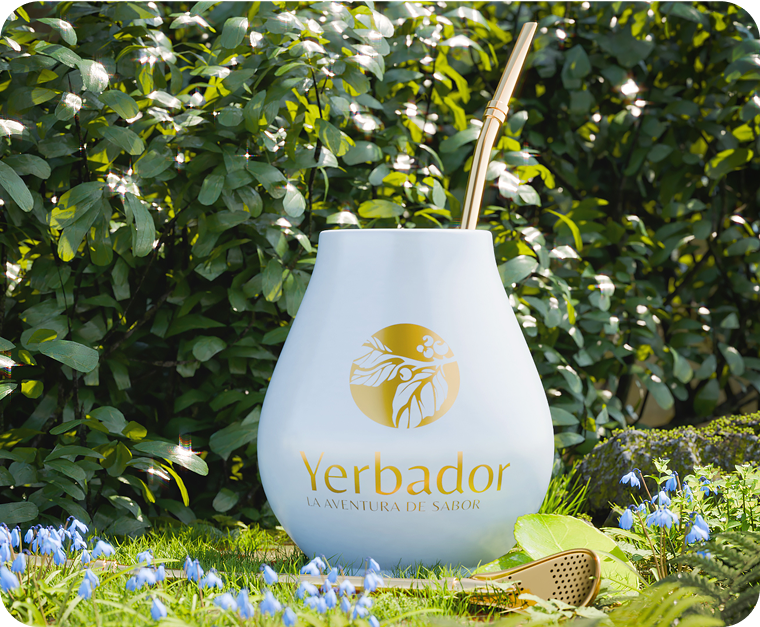
Matero for Yerba Mate – ceramic, gourd or wood?
2025-09-19
Matero is the vessel in which yerba mate is brewed and drunk. If you’re looking for a single answer, it’s this: start with a ceramic matero, reach for a gourd when tradition matters to you and you have the patience for curado, and save wood for your third vessel. The rest of this text explains where that order comes from.
The difference between materials isn’t cosmetic. Ceramic absorbs nothing, so a flavoured yerba won’t leave a trace in the next brew. A gourd absorbs everything and after six months develops its own character – lovely, until you forget to dry it out. Wood adds a resinous note that some seek and others can’t stand. Below you’ll find a comparison of the three materials, gourd sizes and real prices, a full step-by-step curado process, dried-leaf proportions, and an FAQ with the questions we get most often.
Table of Contents
What exactly is a matero?
Matero is a traditional vessel used for brewing and drinking yerba mate. It originates from South America, where it has been an integral part of the ritual of drinking this beverage for centuries.
Did you know that…
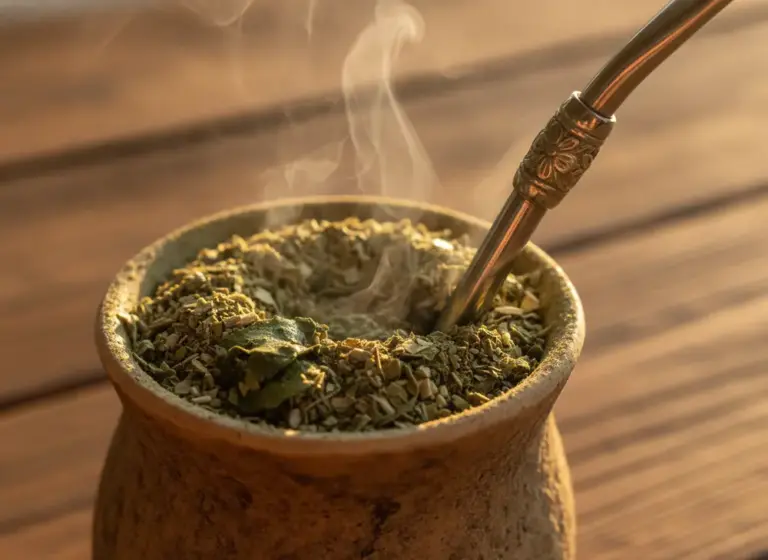
the shape of a matero isn’t accidental? The form, tapering towards the top, makes it easier to pour in and arrange the dried leaves into a characteristic “mound”, and helps the infusion retain its aroma for longer.
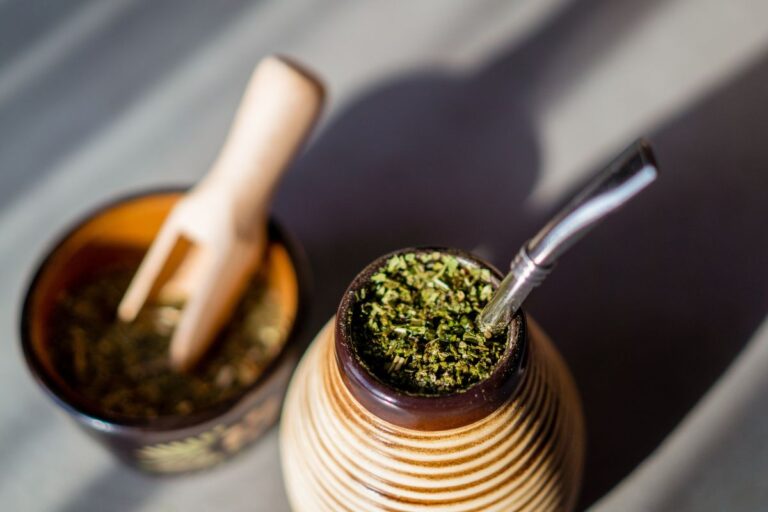
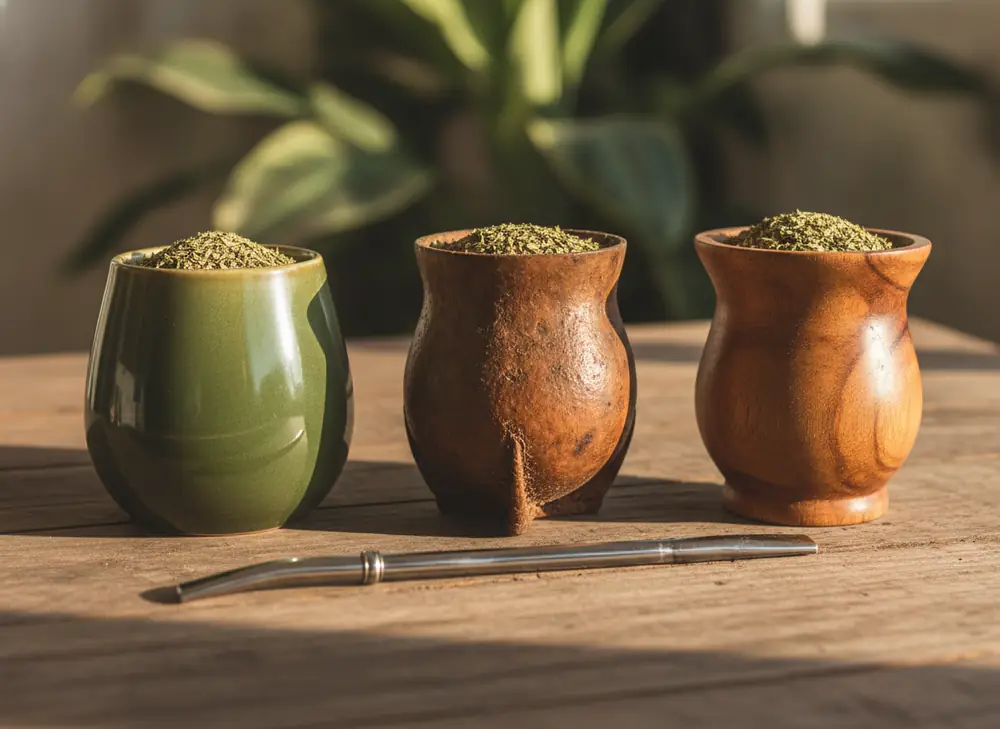
Nowadays, many versions of matero are available – from classic, hand-decorated gourds, through massive and fragrant wooden vessels, to modern, convenient and versatile ceramic matero. The choice depends on taste, aesthetic and practical preferences.
What is the cup for yerba mate called?
In short: matero. In Argentina and Uruguay you’ll simply hear mate – the same word is used there for both the drink and the vessel, which can be confusing. A vessel made from a dried gourd is sometimes called calabaza, or the anglicised “calabash”, while the version made from a bull’s horn, popular in Paraguay for cold terere, is called a guampa. In English, all these forms fall under the term yerba mate vessel – there we’ve gathered an overview including thermoses and steel versions.
The colloquial “yerba mug” won’t surprise anyone in the shop and no one will correct you for using it. Just keep in mind that a regular mug and a matero are actually two different things – we’ll come back to that in the FAQ at the end. If you’re just putting together your gear, start with the article about what bombilla and matero are and how to choose accessories.
Ceramic matero – practicality and everyday convenience
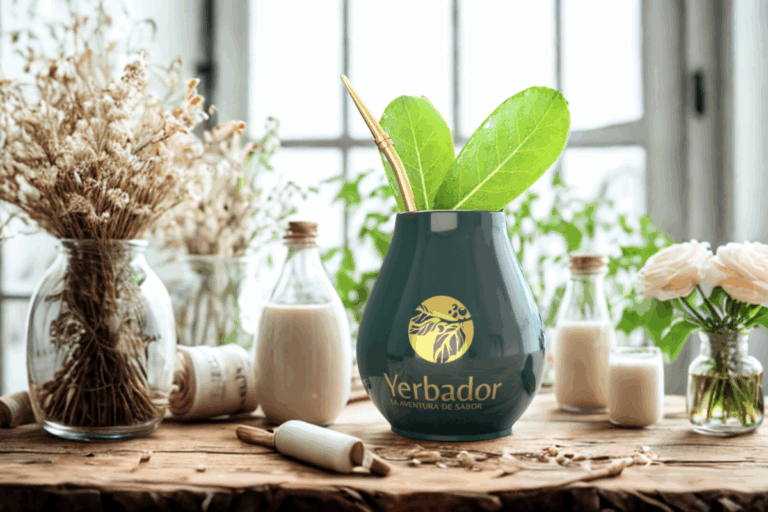
Ceramic matero is the most versatile and practical solution, especially recommended for people who are just starting their yerba mate journey as well as experienced mate drinkers. Ceramic doesn’t absorb smells or aromas, which means every brew gives a clean, consistent flavour. This is a big advantage if you like trying different types of yerba mate, including flavoured variants.
Advantages of a ceramic matero:
- easy to clean – just rinse with water, it can even go in the dishwasher,
- durability and resistance to moisture,
- no need for special care,
- neutral taste – ceramic doesn’t affect the flavour of the infusion,
- aesthetics – a wide choice of colours and patterns.
Disadvantages of a ceramic matero:
- less “traditional” character than a gourd or wood,
- can break if dropped.
How to care for a ceramic matero?
Ceramic matero doesn’t require special care. Once you’re done drinking, simply remove the leaves and rinse the vessel with water. It holds up well both to frequent use and long breaks.
That’s why we recommend ceramic yerba mate vessels as the best choice for beginners and anyone who values convenience. Check out our yerba mate accessories and choose the extras that will make your time with yerba mate even more enjoyable!
Gourd – the most traditional matero
Tykwa, a naturally dried fruit of a plant from the gourd family, is the most classic matero, already used by the Guarani Indians. In many South American countries, it remains a symbol of the authentic yerba mate ritual to this day.
Advantages of a gourd:
- unique, natural character,
- exceptional appearance – every tykwa has a different shape and texture.
Disadvantages of a gourd:
- requires special care (the so-called curado – preparing the vessel before first use),
- prone to mould if not dried properly,
- more delicate than ceramic or wood,
- absorbs aromas, making it difficult to experiment with different types of yerba.
How to care for a gourd?
A new tykwa needs to be seasoned – or “broken in” for contact with yerba. This usually involves filling it with dried leaves and water, then leaving it for a few hours to remove leftover fibres and prepare the surface for regular use. After each drink, you need to remove the leaves and dry the vessel thoroughly to prevent mould from developing.
Fun fact
The first matero cups were made from natural tykwa gourds over 500 years ago in South America. For the Guarani Indians, they were not just drinking vessels, but also a symbol of community and ritual.
Wooden matero – the aroma of nature
Wooden matero is popular among those looking for traditional solutions who also want their drink to develop a characteristic, slightly resinous aroma. It is most often made from palo santo or algarrobo – wood species with unique properties.
Advantages of a wooden matero:
- unique, deep flavour of the infusion,
- natural look and unique wood texture,
- traditional character.
Disadvantages of a wooden matero:
- requires proper care (oiling and drying),
- can crack if used improperly,
- changes the drink’s aroma over time, which not everyone likes.
How to care for a wooden matero?
Before first use, it is recommended to season the vessel by rubbing a little olive oil or other natural fat into its interior. The wood should be protected from excess moisture, and used leaves should never be left inside for long.
Glass, metal and lidded matero – what else you may come across
Ceramic, tykwa and wood are the core, but there are other variants circulating in stores, and it’s worth knowing what you’re getting into. Glass matero usually has an outer leather or silicone sleeve – it looks great and you can see the mound of dried leaves through it, but glass loses heat quickly and burns your hand without a sleeve. Metal matero, most often made of stainless steel, is practically indestructible and ideal for trips, but metal can add a slightly mineral taste to the infusion and heats up quickly.
A separate category is matero with a lid and thermal mugs with a hole for the bombilla, advertised as car matero. These make sense when you’re really drinking on the go – the lid limits spilling, and the double wall keeps the temperature for an hour or two. In return, you lose the very reason for reaching for a matero in the first place: free access to the mound of dried leaves and the ability to adjust their arrangement while drinking. Whatever you choose, the bombilla strainer will eventually clog up – we’ve described how to fix that in our guide on a clogged bombilla.
Which matero should you choose to start with?
For beginners, comfort and ease of use are the most important factors. For this reason, the best choice is a ceramic matero – it doesn’t absorb aromas or leftover leaves, which helps avoid mixing flavours between different types of yerba mate. Ceramic is resistant to moisture, and cleaning it is as simple as rinsing with water after each use. This is the perfect solution if you’re just learning how to properly prepare your infusion and want to focus on the flavour itself.
For those who want to gradually embrace South American tradition, a tykwa matero is an interesting option. Although it requires a bit more attention and preparation, it lets you experience the authentic atmosphere of the ritual, and the infusion gains depth over time as the natural fruit absorbs its aromas.
Wooden matero, on the other hand, is a good choice for those who value elegance and a natural, intense wood aroma, but must be prepared for more careful maintenance – regular drying and oiling.
To start, it’s worth choosing a ceramic matero, and as you gain experience and discover new flavours, you can gradually experiment with gourd and wood. This way, every step into the world of yerba mate will be enjoyable and satisfying, without the risk of losing flavour or damaging the vessel.
The most common mistakes when choosing a matero and how to avoid them
When choosing a matero, beginners often make a few typical mistakes. The first is buying a vessel that doesn’t suit their lifestyle – for example, a gourd for someone who doesn’t have time for daily maintenance.
The second is ignoring the material’s effect on flavour – a wooden matero adds aroma, while ceramic leaves the infusion neutral. The third mistake is putting too much dried leaves in a small vessel, which leads to bitterness and difficulty pouring water in. Making conscious choices and having basic knowledge about caring for each type of matero will help you avoid frustration and fully enjoy the ritual of drinking yerba mate.
Which gourd for yerba mate should you choose? Shapes, capacity and prices
Let’s say it right away: we don’t offer gourds, at Yerbador we went with ceramic, because it’s simply less troublesome for everyday drinking. But since you came here asking about gourds, you deserve an honest cheat sheet before you spend your money anywhere else.
Gourds differ mainly in shape, and shape affects capacity and how comfortable they are to drink from:
- Imperial – the most popular, round and bulging, with a wide opening. Capacity usually 200–350 ml. A safe choice for your first gourd, as it’s easy to clean and dry.
- Pampa – shorter and squatter, 150–250 ml. Sits nicely in the hand, but gets cramped with a large portion of dried leaves.
- Torpedo – elongated, narrowing towards the bottom. Looks striking and holds heat for a long time, but it’s harder to reach the bottom when cleaning.
- Camionera – the drivers’ gourd, 500 ml and more. This is what most people asking about a “500 ml matero” mean: one portion of dried leaves is enough for a long session without topping up.
- Poro – Uruguayan, tall and narrow, with a very wide opening. Made for yerba without twigs, poured in almost to the brim.
Check three things before you pay. First, the wall thickness – a thin gourd can crack after a few months, and you’ll recognise it by feeling suspiciously light in the hand. Second, the edge of the opening: no scratches, chips or hairline cracks. Third, the finish – a raw gourd without a rim is cheaper, but the edge chips more quickly; an alpaca or steel rim is an extra cost of several dozen zloty, which genuinely extends the vessel’s life.
Prices vary a lot: a plain, raw gourd is the cheapest option, a decorated one or one with metal trim costs noticeably more, and hand-finished artisan pieces are the priciest of all. By comparison, our ceramic matero PRO 2 is very affordable and requires neither curado nor daily drying upside down.
A gourd makes sense if you drink one, consistent type of yerba and enjoy the whole ritual around the vessel – it really changes the way you drink, and it’s the closest thing to how the Guarani did it, as we wrote about in the history of yerba mate. But if you test different flavours, switch varieties every week, or take your vessel to work, ceramic will save you disappointment. One more thing: before you buy, read the section on curado below. Half of the stories that start with “my gourd went mouldy” have their source in skipping this step.
Yerba mate gourd – full curado step by step
Since the gourd needs seasoning, let’s do it properly. A quick “few hours” version is fine to start with, but a full, two-day curado really makes a difference — a yerba mate gourd prepared this way doesn’t turn bitter, doesn’t catch mould as easily, and delivers a clean flavour from the very first brew. The calabash gourd itself is the fruit of a climbing plant, whose hard shell has served as a vessel in South America for centuries once dried. Inside, though, soft fibres remain — and that’s exactly what we want to get rid of.
- Day one: rinse the new gourd with warm water, pour in used dried leaves from a previous brew (or fresh yerba mate) to about two-thirds of its height, and fill it to the brim with warm — not boiling — water.
- Leave it for a full day. The moist leaves will soften the remaining pulp and “seed” the inside with the yerba mate aroma.
- Day two: discard the contents and gently scrape the soft fibres off the walls with a spoon. Be gentle — don’t scrape down to the bare shell, a thin natural layer should remain.
- Repeat the soaking for another several to a dozen or so hours if you still see plenty of loose fibres inside.
- Dry it completely: opening facing up, in a well-ventilated spot, never closed away in a cupboard. Only a fully dry gourd is ready for its first real brew.
From now on, one rule is iron-clad: after every drink, tip out the leaves right away and let the gourd dry with its opening facing up. Leave wet leaves in overnight, and you’ll be greeted by mould in the morning.
How much dried leaves to add and what size matero to choose?
The classic ratio is dried leaves filling about a quarter of the vessel. If you’re just starting out, you can go with as little as two tablespoons at first. The infusion will be milder, and you’ll gradually get used to the characteristic bitterness instead of being put off by an overly strong first matero. Over time, most people settle on their own preferred ratio anyway.
Vessel size works in a simple way: a small matero means a stronger infusion that gets drunk faster and needs more frequent refills, while a large one means longer sessions at your desk. The pouring technique itself (water at 70–80°C, never boiling, poured against one side of the mound) is the same regardless of the vessel — we’ve laid it out step by step in our yerba mate brewing guide. And if your infusion turns out too bitter, check out 5 simple ways to fix bitter yerba mate — the vessel itself is almost never the culprit.
Matero and bombilla – how to put together a set
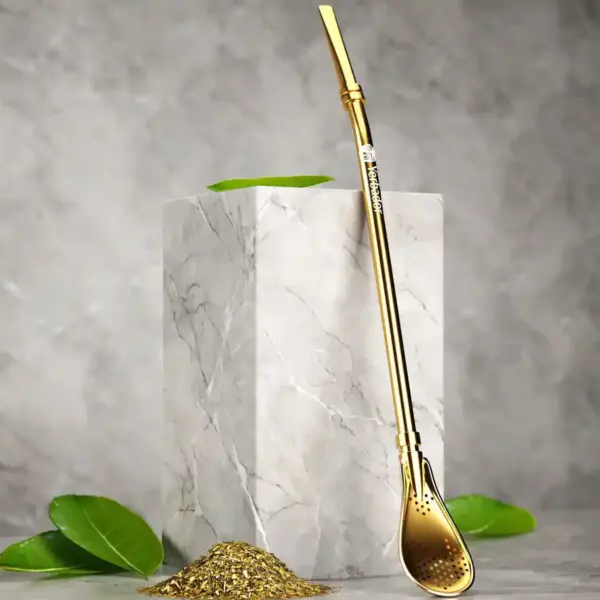
A matero without a bombilla is just a nice cup. The bombilla — a metal straw with a strainer at the end — lets you drink the infusion straight from the leaves, without filtering. The two most popular types are the spoon-shaped one, with a flat strainer with fine holes, and the spring-type one, which handles very finely ground, dusty leaves better. For yerba mate with a lot of dust, choose a denser strainer, otherwise small particles will get into your mouth.
We have put together an overview of all vessel types in a separate post on yerba mate vessels, and we explain how to keep your bombilla clean (yes, it can be unscrewed) in our guide to cleaning accessories. If you would rather not put everything together piece by piece — our starter sets with a matero, bombilla and yerba are a great-value option.
Safe ceramics – what to ask before buying
There’s one thing few people think about when buying a matero: the glaze. A matero works in tough conditions — hot water, prolonged contact with the infusion, a dozen or so refills a day. Cheap ceramics of unknown origin are sometimes coated with a glaze that, under these conditions, releases more into your drink than you’d like. That’s why our ceramic matero from the PRO EKO 2 line is fired with a lead-free, cadmium-free and molybdenum-free glaze. If you’re buying elsewhere, ask the seller directly for a food-contact safety certificate — an honest manufacturer will have one on hand.
How much does a matero cost? Real prices
Specific numbers from our store, as of today:
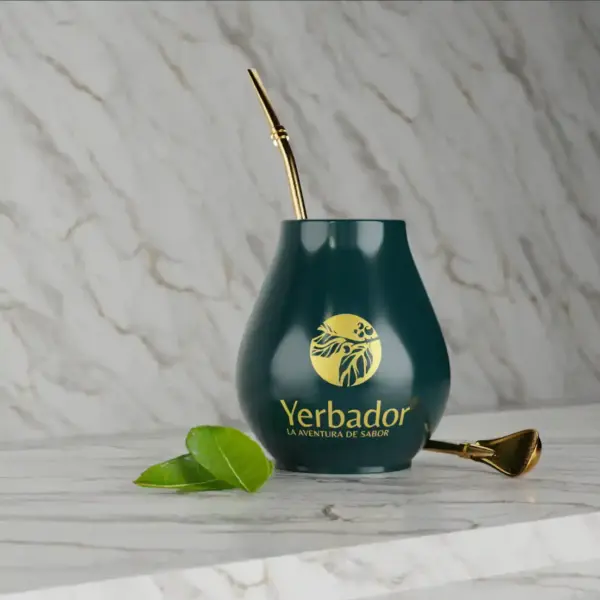
- Ceramic matero PRO 2. Five colours: pearl white, onyx black, desert beige, ocean blue and powder pink.
- Exclusive hand-glazed matero. Designs such as volcanic black, morning mist or azure ocean depth — every piece looks slightly different.
- Set of 3 × Yerba De Brasil 500 g + matero + bombilla. The most affordable way to get a complete kit plus a few weeks’ supply of dried leaves.
- Starter and gift sets. Matero, bombilla, beech wood scoop and yerba (choose from Herbal Balance, Ultra Energy with guarana or Slim Fit, among others), and in the gift version — an airtight tube in an elegant box.
For comparison: a good yerba is a recurring expense with every pack you buy, which we cover in more detail in our piece on the real cost of yerba mate. A matero, on the other hand, you buy once for years — per brew, its cost quickly drops to next to nothing.
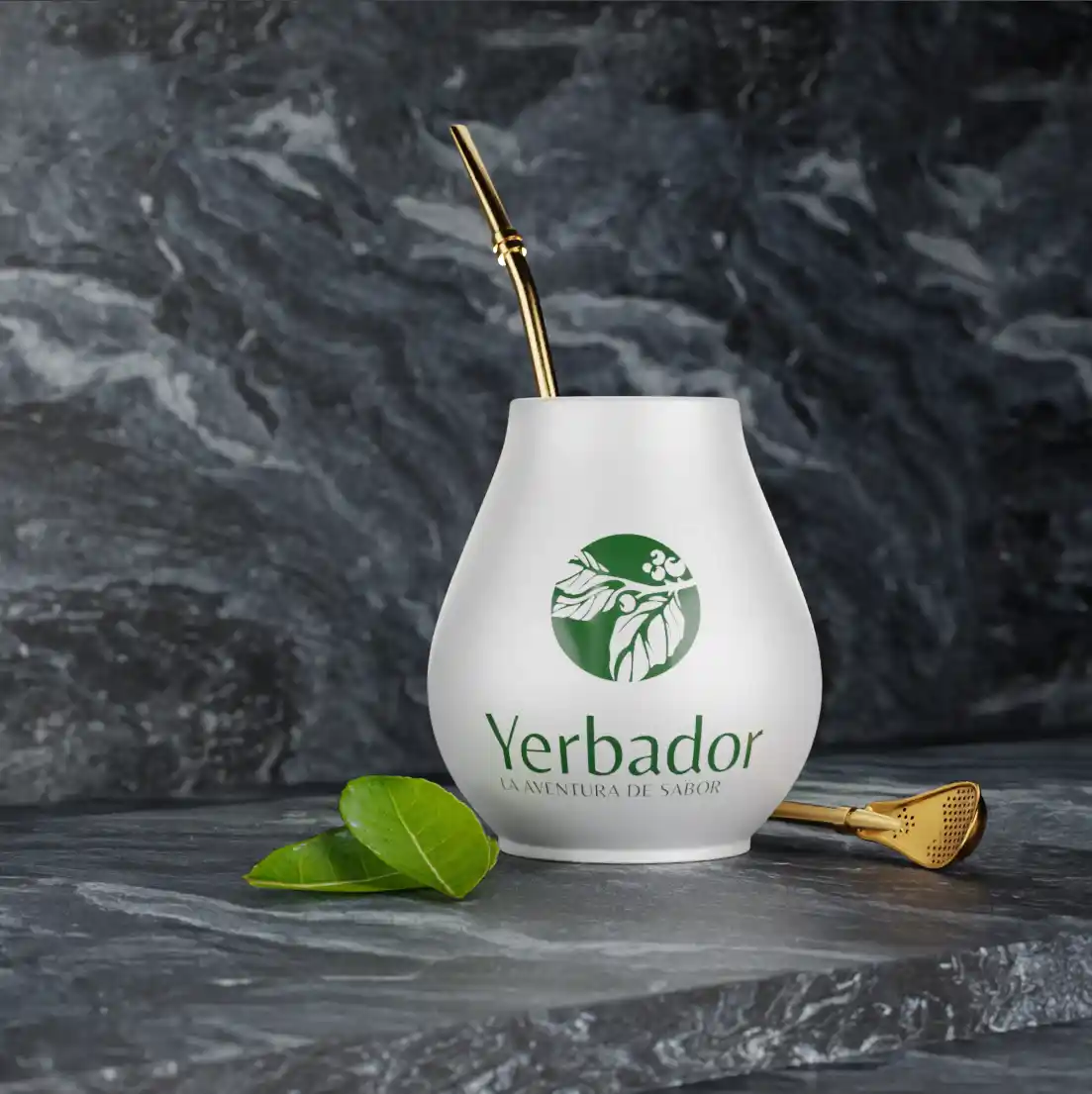
Tried-and-tested matero from our shop
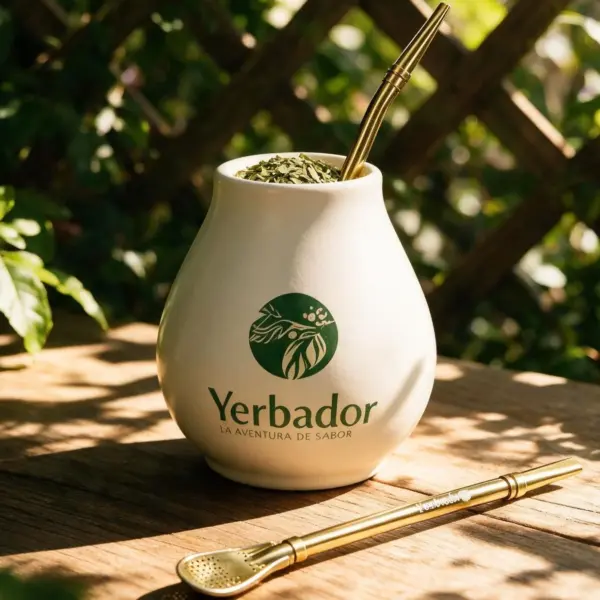
Ceramic matero Yerbador PRO 2 – Pearl White
A classic in its purest form: matte, milky ceramic with a green logo, a shape that tapers towards the top, and a glaze that is neutral for the flavor. The most popular model among beginners. Check the current price.
Check out the product: Ceramic matero PRO 2 – Pearl White
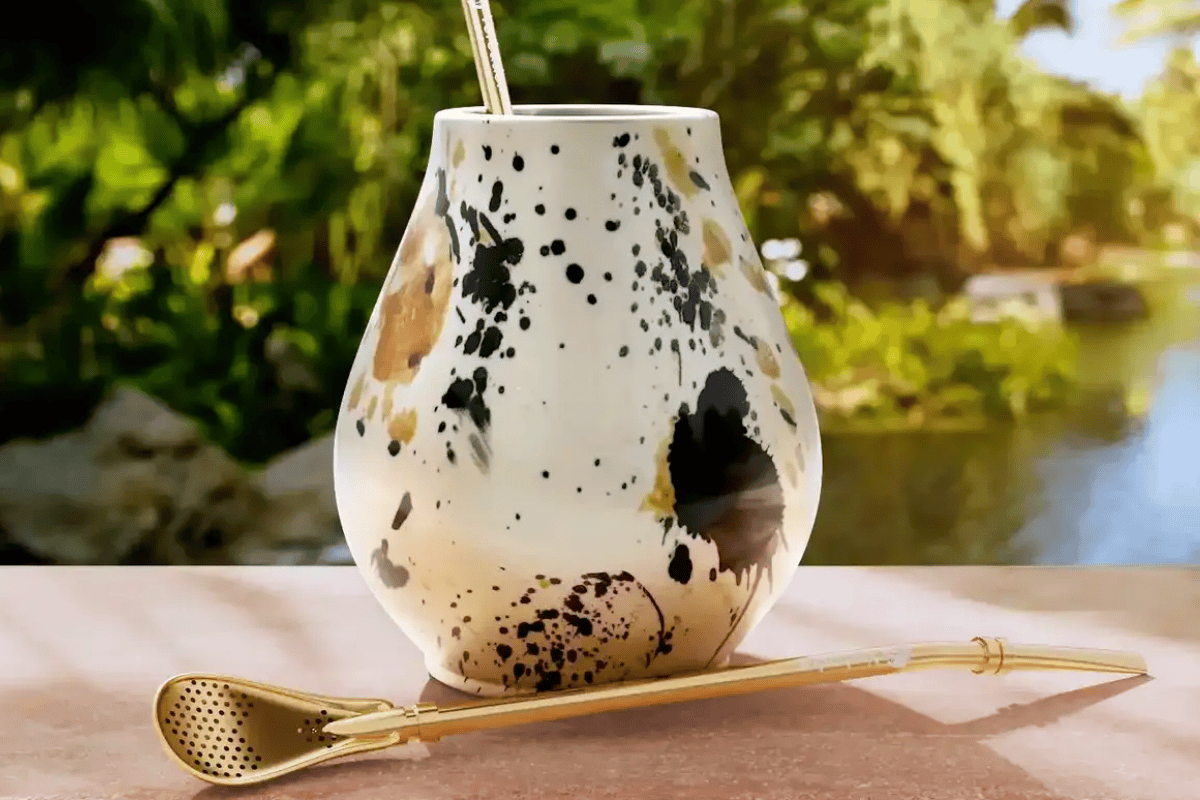
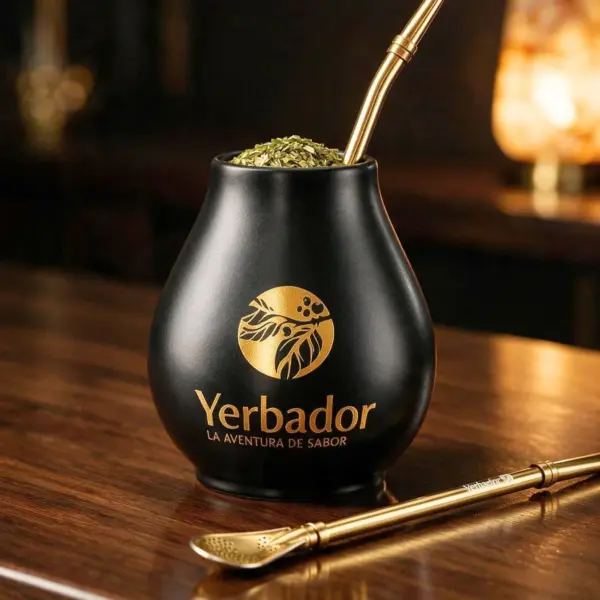
Exclusive matero – Volcanic Black
A hand-glazed, deep black matero with a stone-like texture — no two pieces are identical. For those who want their vessel to double as a desk ornament. Check the current price.
Check out the product: Exclusive matero – Volcanic Black

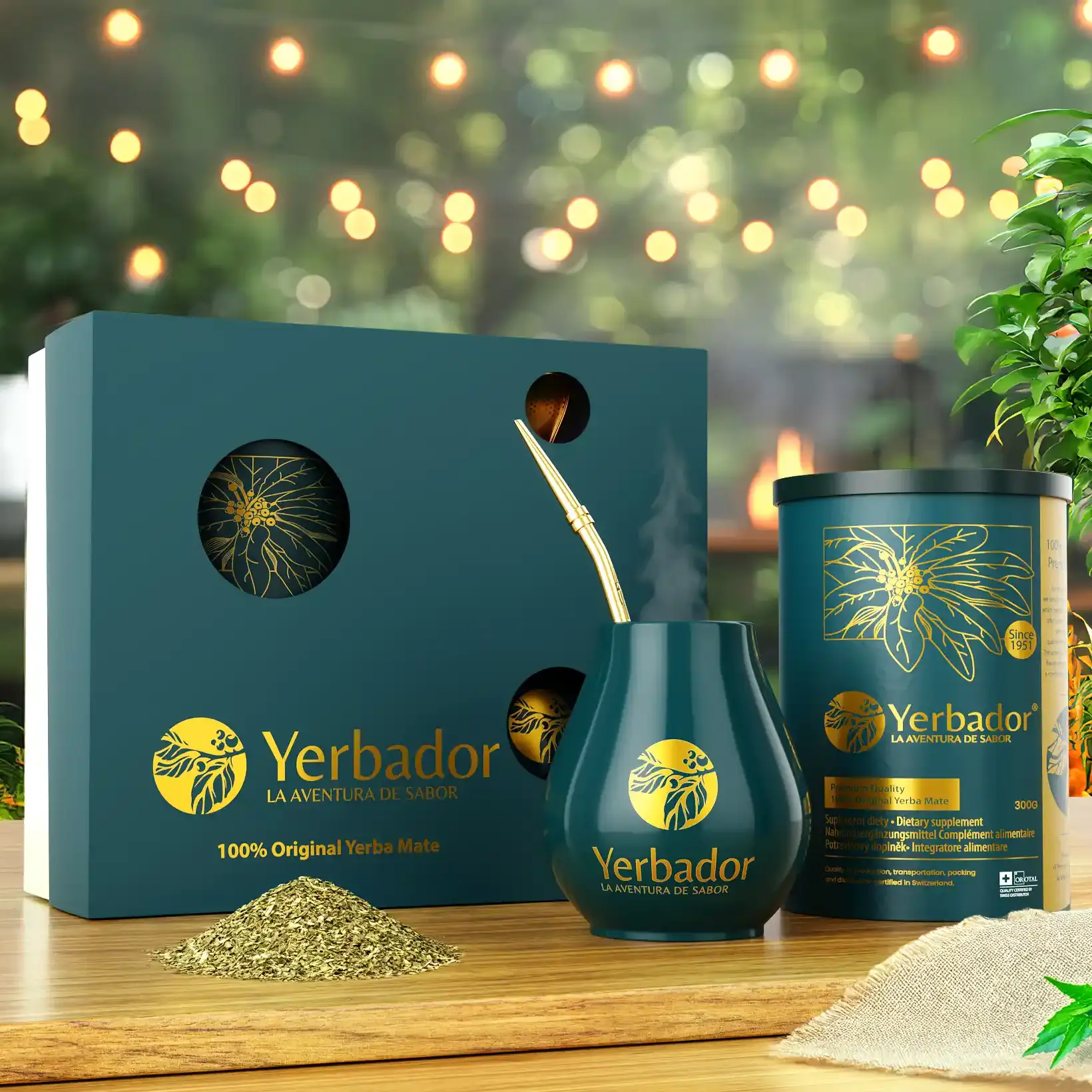
Gift set: tube + matero + bombilla + beech wood scoop
An airtight tube of yerba, a ceramic matero, a bombilla and a beech wood scoop in a decorative box. A set that answers both “where do I start?” and “what should I buy as a gift?”. Check the current price.
Check out the product: Gift set with tube and matero
FAQ – matero and gourd in practice
Can you drink yerba mate from a regular mug?
You can — the dried leaves are the same and so are the properties. What you lose is the shape that holds the mound and the aroma, and a wide mug cools the infusion faster. If you drink yerba only now and then, a mug will do; for everyday drinking, a matero is an investment you really don’t need to think twice about.
What to do when the gourd gets mouldy?
A small mold coating: scrape it off with a spoon, pour boiling water inside and dry the gourd completely in an airy, sunny spot. If the mold comes back or has gone deep into the walls — the gourd needs to be replaced. Health matters more than sentiment, and a new gourd costs less than a doctor’s visit.
How long does a matero last?
Ceramic — for years, as long as you don’t drop it; it doesn’t absorb odors and needs no maintenance. A gourd or wood lasts as long as you take care of drying and oiling it — well cared for, they can serve for years, neglected they can end after a month. That’s the fair price of tradition.
Which matero should you choose as a gift?
Play it safe: the set with a tube and a box — the recipient gets everything at once and doesn’t need to buy anything extra. We’ve gathered more ideas in our guide to gift sets.
Which gourd for yerba mate is good to start with?
Imperial with a capacity of 200–350 ml, with a thick wall and preferably a metal-rimmed edge. A wide opening forgives mistakes when building the mound and allows the inside to dry properly after drinking. Save torpedo and poro shapes for later, once you know whether you actually enjoy caring for a gourd.
How many ml should a matero have?
The standard is 200–350 ml, and most people start with this capacity. Smaller vessels give a stronger infusion and more frequent refills, while 500 ml and larger versions (camionera) work well for long sessions when you don’t want to keep getting up for water. Our ceramic matero falls right in the classic middle of this range.
Can a matero be washed in the dishwasher?
Ceramic ones, yes, no worries. Gourds and wood — never. Detergent and prolonged contact with hot water soften the gourd’s wall and wash out the natural oils from the wood, causing the vessel to crack or start molding. These two should only be washed with clean water, no soap.
Matero for businesses and venues
Are you setting up a café, an office, or looking for matero sets as gifts for employees? We also handle wholesale orders — dried leaves, vessels and accessories in a single delivery.
Summary
The choice of matero for yerba mate affects the taste, aroma and comfort of drinking. A ceramic matero is the best choice for beginners and those who value practicality – it’s easy to clean, durable and neutral to the taste of the infusion. A gourd gives an authentic, traditional character and a deeper aroma, but requires careful care. Wood, on the other hand, brings a natural, resinous aroma and an elegant look, but requires regular maintenance.
A conscious choice of vessel, matched to your lifestyle and the type of yerba mate, lets you fully enjoy this unique beverage, and every cup becomes a ritual – both for beginners and experienced mateístas.
Discover our TOP products!

Your dream figure

Discover new flavors

Yerba mate with tea


Accessories

Superfoods



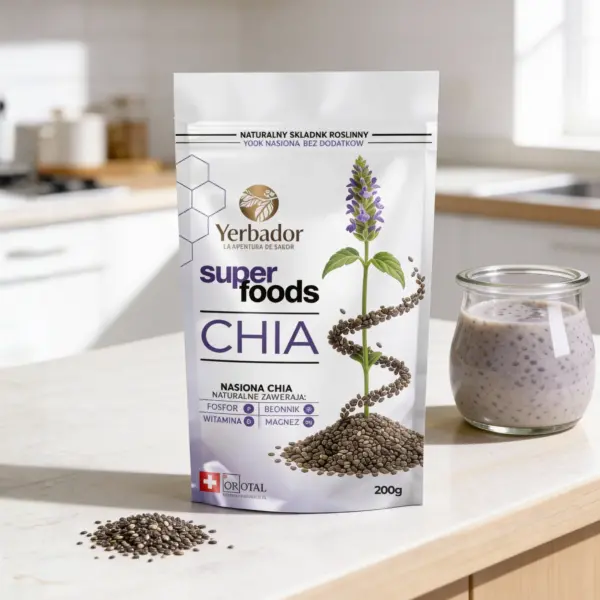




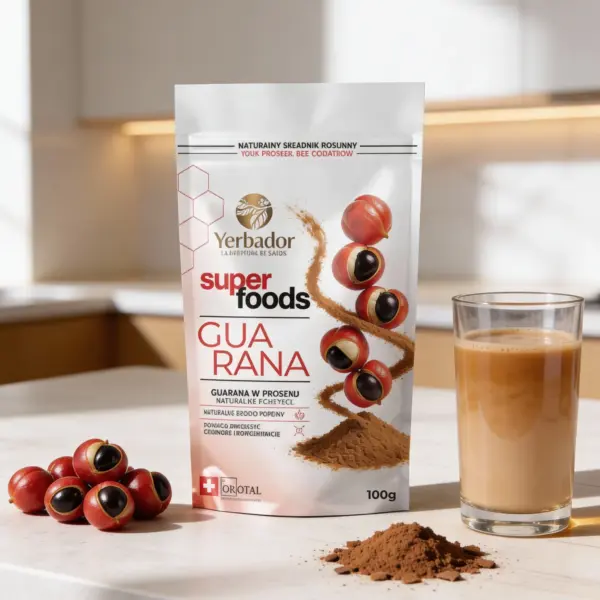
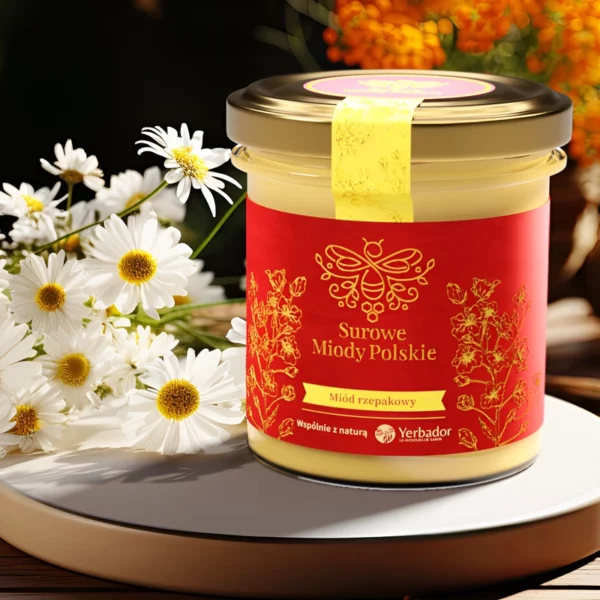
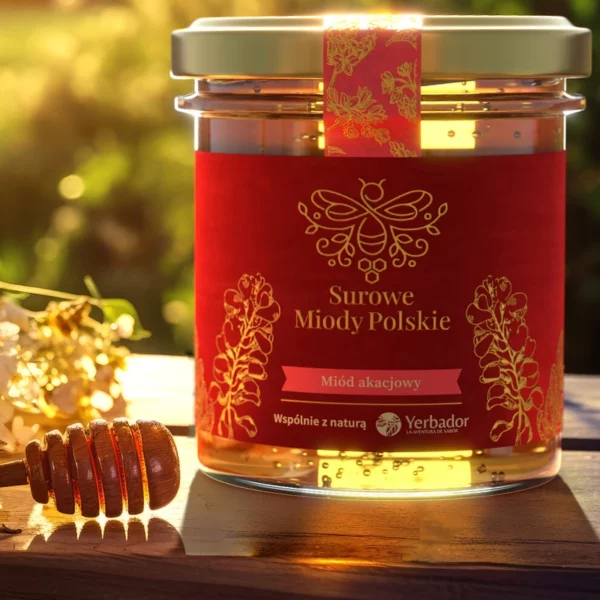
Certified raw honeys from Poland

Check the current price
free shipping
Up to 90 days
free returns
24 H
shipping