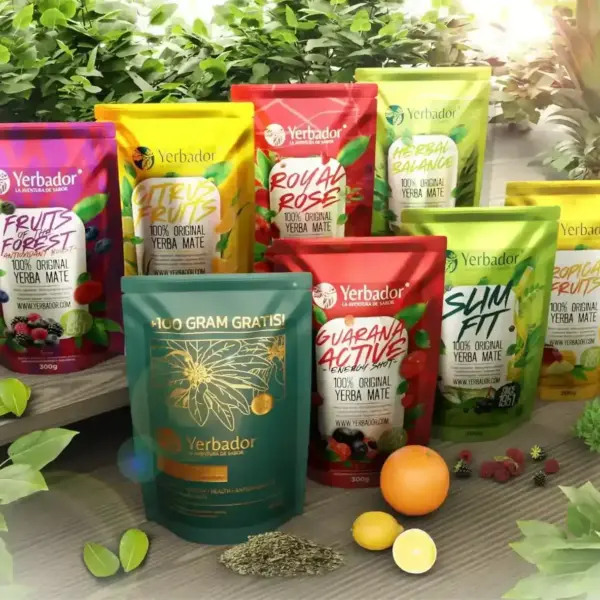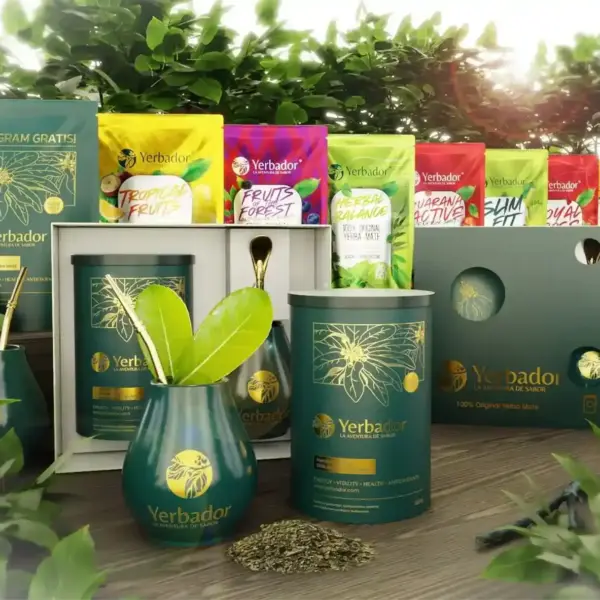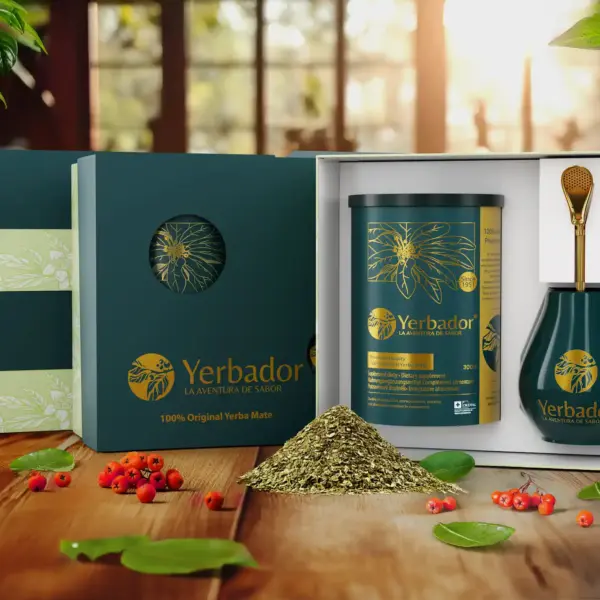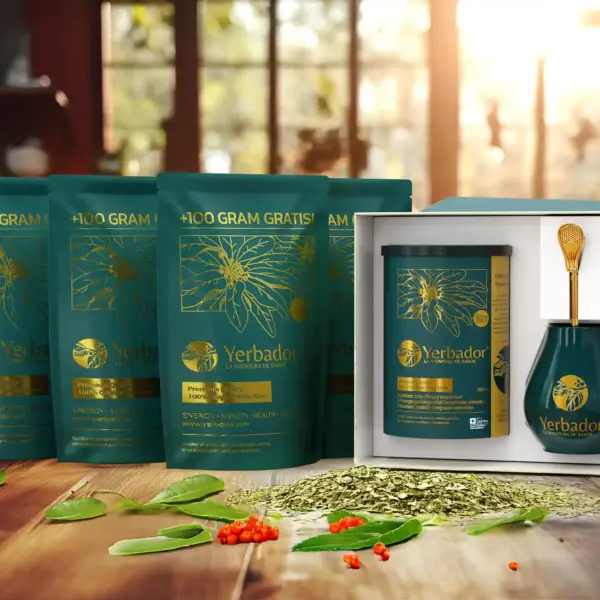

What is Yerba Mate?
2022-06-26
Yerba mate is a drink made from the leaves of the Paraguayan holly (Ilex paraguariensis), a plant native to South America. It has a stimulating effect, supports concentration, and thanks to its wealth of vitamins and minerals, it also offers numerous health benefits. For some, it’s an alternative to coffee; for others, it’s a daily ritual that brings people and cultures together.
It’s no wonder yerba mate has earned the name “green gold of South America.” It’s more than just a drink – it’s a tradition, a symbol of hospitality, and a source of energy that has accompanied the people of Argentina, Paraguay, Uruguay, and southern Brazil for centuries.
It is an infusion made from the leaves of the Paraguayan holly (Ilex paraguariensis) – a plant native to South America, unrelated to either the coffee plant or the tea shrub, although it is commonly referred to as “Paraguayan tea.” It contains caffeine, but has a milder effect than coffee – without the jittery kick and the subsequent energy crash. Traditionally, it is drunk from a gourd through a metal straw (bombilla); in Poland, it is most often drunk from a mug or a ceramic matero.
Table of Contents
Origin and History of Yerba Mate
The name yerba mate comes from the combination of the word herba – herb, and mati, which in Quechua means the gourd in which the herb is traditionally brewed. The drink has its roots in the Paraná and Paraguay river basin. It was there that the Guarani Indians first discovered that an infusion of holly leaves stimulates and strengthens the body. Over time, yerba mate became an inseparable part of their daily life – they drank it before hunts, during rituals and social gatherings.
In the colonial era, Jesuit missionaries noticed the potential of this drink and began the first large-scale cultivation. Today, yerba mate is the national drink of many South American countries, and its popularity reaches far beyond the continent – also to Europe, where it has gained a host of fans.
👉 Read also: What is Yerba Mate, where does it come from, and how is it grown?
Yerba Mate Production Process – What’s Worth Knowing?
Producing yerba mate is a complex, multi-stage process in which every step has a huge impact on the taste and aroma of the final infusion.
Harvesting and Processing the Leaves
Holly leaves are hand-picked – usually twice a year. The choice of harvest time is not accidental:
- Summer harvests produce dried leaves with a stronger flavour and higher caffeine content.
- Winter harvests provide a milder yerba, often preferred by beginners.
After picking, the leaves undergo quick flash-roasting, which stops the oxidation process.
Drying and Aging
The next stage is drying – traditionally using smoke (barbacuá) or hot air (sin humo). This is where the key difference in flavour appears: smoke-dried yerbas are bolder, with a smoky note, while air-dried ones have a fresh, herbal taste.
After drying, the leaves are chopped and then left to age from a few months up to as long as four years (as with yerba from Yerbador). It’s during this time that the yerba’s flavour gains depth.
Composition and Nutritional Properties of Yerba Mate
Yerba mate is a natural drink that can boldly be called a “liquid multivitamin.” What sets it apart from other plants is its remarkably rich and diverse composition.
- Caffeine – the caffeine content in yerba is similar to coffee, but it acts more gently and for longer. Thanks to the presence of theobromine and theophylline, the boost in energy is steadier, without sudden spikes and crashes.
- Vitamins – yerba mate provides vitamins A, C, E, as well as B-group vitamins (B1, B2, B3, B5, B6, B7 and B9), which support the nervous system and metabolism.
- Minerals – magnesium eases stress, potassium supports the heart, iron takes part in the production of red blood cells, and zinc and silicon strengthen hair, skin and nails.
- Antioxidants – yerba contains polyphenols, flavonoids and chlorogenic acid, which neutralise free radicals, slow down the aging process and support immunity.
👉 If you want to dive deeper into the topic, check out the article: Yerba Mate – the most important health properties of the infusion
Pro Tip: Regularly drinking yerba mate not only provides energy but also genuinely supports the body – which is why many dietitians recommend it as a staple part of a healthy diet.
The Effects of Yerba Mate and Health Benefits of Drinking the Infusion – What’s Worth Knowing?
Yerba mate is a drink that combines strong stimulation with care for the health and condition of the body. In South America, it has been considered for centuries not only a source of energy, but also a natural elixir supporting body and mind.
Natural Stimulation and Energy
Yerba delivers a solid dose of caffeine, but – unlike coffee – it doesn’t cause sudden blood pressure spikes or sharp energy crashes. According to numerous studies, the stimulation is gentler and lasts longer, which makes the drink perfect during work, study or physical activity.
Additionally, yerba may stimulate muscle activity, making workouts more effective and helping the body shift into energy-burning mode faster.
👉 Also read: How does Yerba Mate affect the nervous system in the context of energy and stimulation?
Better Metabolism and Weight Loss Support
The active compounds found in yerba mate speed up cellular metabolism, helping to reduce body fat and maintain a healthy body weight. Thanks to this, yerba has become a popular part of weight-loss diets and athletes’ nutrition plans. What’s more, the drink can stimulate the secretion of digestive juices and support gut function, aiding digestion.
A study conducted in Korea showed that introducing yerba mate into the diet of the subjects had an effect on reducing fat mass and waist circumference without serious side effects, which also confirmed that the drink may show potential anti-obesity effects in humans. (Kim et al., 2015)
Additionally, a study conducted by Ahmad Alkhatib showed that consuming yerba mate before a workout can increase fat oxidation and total energy expenditure during moderate exercise, suggesting that this beverage may support fat burning, especially when combined with physical activity.
👉 Read also: Yerba Mate for weight loss – how does it work?
Cell Health and Anti-Aging Protection
A 2007 study examining the effects of yerba mate on health showed that the antioxidants present in the beverage (including polyphenols and chlorogenic acid) may slow down cell ageing processes and protect them from damage caused by free radicals. Regularly drinking the infusion can therefore support the body in fighting the natural changes that occur over time.
Recovery and Concentration
Yerba mate can improve concentration, supporting memory and learning processes, which is why it’s a popular choice among students and people doing mental work. Interestingly, the infusion also shortens recovery time – helping you regain your strength faster after exercise or an intense day.
Complex of Vitamins and Minerals
Yerba mate provides a wide range of vitamins and minerals essential for the proper functioning of the body. Magnesium eases stress, potassium supports the heart, zinc and silicon take care of the condition of skin, hair and nails, and B vitamins improve metabolism and the nervous system.
According to clinical dietitian Dr. Justyna Jessa, author of numerous scientific publications and books on nutrition:
Yerba mate is a beverage that not only supports the weight loss process, but also provides the body with many vitamins and minerals. Thanks to this, it can naturally support metabolism and the body’s functioning, without burdening it with excessive stress or restrictive diets.
Boosting Immunity
Thanks to the presence of vitamins C and E, zinc and flavonoids, yerba mate can strengthen immunity and help fight infections. It’s natural support for the body during periods of weakness, such as autumn or winter.
The Tradition of Drinking Yerba Mate – How It Was Then and How It Is Now
Drinking yerba mate is more than just quenching thirst – it’s a true ritual and an element of everyday life in South America. Where this tradition was born – in Argentina, Paraguay, Uruguay or southern Brazil – yerba mate accompanies people at practically every step.
Imagine a park in Buenos Aires or Montevideo – almost every passer-by has a thermos of hot water and a vessel with a bombilla. Yerba mate is drunk at work, at family gatherings, at university, and even on the go. It’s not a “drink for yourself” like coffee – it’s something you share.
Cebador – Master of the Ceremony
In the tradition of drinking yerba mate, an important role is played by the so-called cebador – the person who prepares the infusion and serves it to others. It’s a bit like the host of wine in France or sake in Japan. The cebador takes care of the right amount of dried leaves, water temperature and serving order. The bombilla is then passed from hand to hand – everyone drinks the yerba mate from the same vessel. In South America, this is a symbol of community and trust.
Traditional Accessories and a Modern Approach
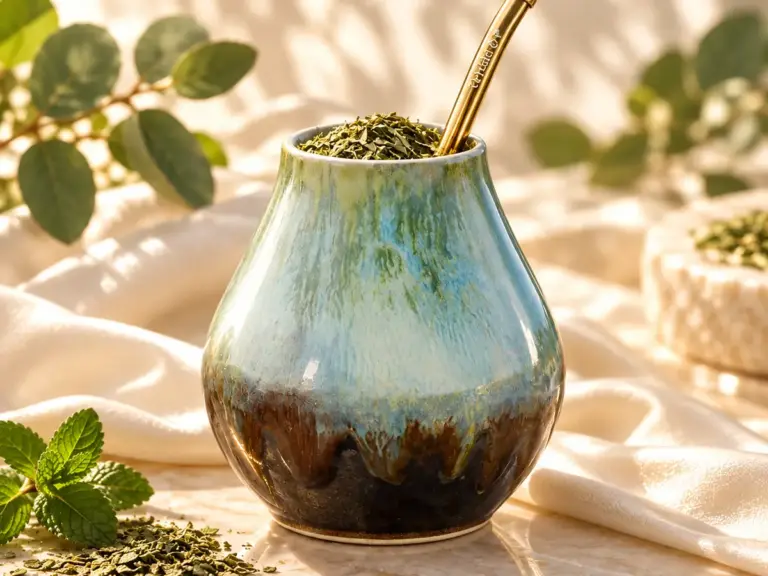
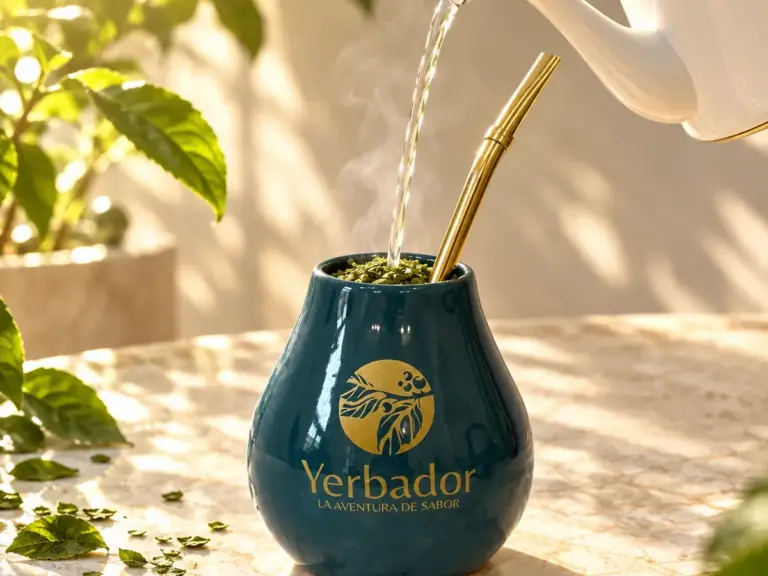
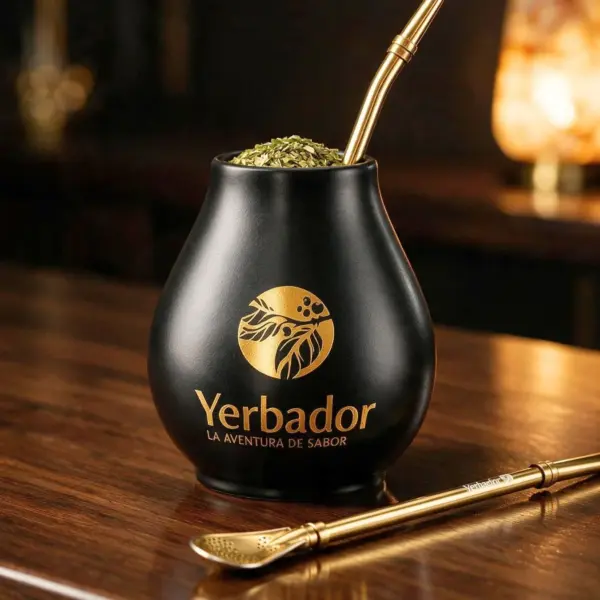
The classic way of drinking yerba mate is in a calabash (a vessel made of dried gourd) and with a bombilla. It’s a symbol of an authentic experience, but today practical solutions are increasingly chosen too – for example, a ceramic matero. It’s much easier to clean, more hygienic and ideal for beginners.
In Europe, yerba mate is increasingly drunk solo – everyone with their own cup or matero. But even here, during gatherings of fans of this beverage, the beautiful custom of sharing one vessel returns, letting you feel a taste of the South American atmosphere.
Pro Tip: If you’re starting your adventure with yerba mate, choose a convenient ceramic matero and bombilla. This way, you’ll easily enter the world of this tradition, without worrying about caring for wooden or gourd vessels.
Popularity of Yerba Mate Around the World
Did you know that yerba mate is the national drink of Uruguay? The average person there drinks as much as 8–10 litres of infusion a week! In Argentina, Paraguay and Brazil, yerba mate accompanies people throughout the day, serving many purposes – from boosting energy, through improving mood, to supporting the body during illness.
In recent years, yerba mate has also conquered Europe. It has become a trendy drink among physically active people, students and everyone looking for a natural alternative to coffee and energy drinks. It’s increasingly popular among athletes and influencers, who highlight its stimulating properties and its support for concentration.
Yerba mate is also gaining huge popularity in Poland. Thousands of people have already chosen Yerba Mate from Yerbador, valuing its high quality, freshness and variety of flavours. This shows that yerba mate is no longer a niche curiosity, but is becoming part of everyday lifestyle in Poland too.
Types and Varieties of Yerba Mate
One of the things that fascinates people most about yerba mate is its incredible variety of flavours. For some, it’s an intensely bitter and stimulating drink, while for others it’s subtle, herbal and delicate, like green tea.
The tradition of drinking yerba goes hand in hand with a rich range of varieties, which differ depending on the country, production method or degree of leaf grinding. This means every mate drinker can find the perfect variant for themselves – from strong, tart flavours to mild and aromatic fruit or herbal blends.
Paraguayan Yerba Mate
Paraguayan yerba is a choice for true tough guys. It’s characterised by a short ageing time and a high amount of dust, which translates into its strong, intense flavour and quick stimulating effect. It was in Paraguay that the tradition of drinking tereré was born – yerba brewed with ice-cold water or juice, which perfectly quenches thirst on hot days. If you like tartness and a bold character in your infusion, Paraguayan yerba will be a perfect hit.
Brazilian Yerba Mate
Brazilian yerba is freshness in its purest form. Lush green leaves, a delicate, herbal flavour and notes reminiscent of green tea – that’s its hallmark. Two main types are popular in Brazil:
- chimarrão – finely ground leaves that create a thick, creamy infusion,
- sin humo – yerba dried with hot air, without contact with smoke, giving it an exceptionally mild aroma and a high antioxidant content.
This second variant is exactly what you’ll find in Yerbador’s offer – a perfect choice for those starting their adventure with yerba, but also for connoisseurs who appreciate natural flavour and health benefits.
Uruguayan Yerba Mate
Although technically produced in Brazil, it’s specially prepared for the Uruguayan market. Uruguayan yerba consists of finely ground blends with a large amount of dust, which translates into an intense, long-lasting flavour. It can be brewed multiple times, with each subsequent infusion remaining bold. No wonder Uruguayans practically never part with their thermos – yerba accompanies them from morning to evening.
Argentinian Yerba Mate
This is the most popular variety of yerba in the world. Argentinian yerba has larger leaves and less dust than Paraguayan or Uruguayan varieties. Its flavour is described as balanced – slightly bitter, but not overwhelming. It’s a good choice both for beginners and for those who enjoy classic flavour notes without extreme contrasts.
| Type of yerba mate | Degree of grinding | Flavour character | Typical properties | Brewing method |
| Paraguayan Yerba Mate | Finely ground, lots of dust | Intense, strong, tangy | Quick stimulating effect, strong energising action | Poured with warm or icy water (tereré) |
| Brazilian Yerba Mate – chimarrão | Very finely ground | Thick, creamy, herbal | Gentle stimulating effect, velvety infusion | Poured with water at 70–80°C |
| Brazilian Yerba Mate – sin humo | Medium-fine | Mild, fresh, herbal | High antioxidant content, delicate flavour, stimulation | Poured with water at 70–80°C, fruity variants in tereré form |
| Uruguayan Yerba Mate | Fine, quite dusty | Intense, long-lasting | Can be steeped multiple times, strong flavour | Poured with warm water (usually from a thermos), with many refills |
| Argentinian Yerba Mate | Larger leaves, less dust | Balanced, slightly bitter | Moderate stimulation, mild aroma | Poured with water at 70–80°C |
Table. Comparison of Yerba Mate types
Yerba Mate in Different Flavour Variants
Although traditional yerba is associated with the natural, slightly bitter taste of Paraguayan holly, today you’ll find a huge selection of flavour blends on the market. This is a great option both for beginners who are just getting used to the characteristic bitterness, and for experienced mate drinkers looking for new experiences.
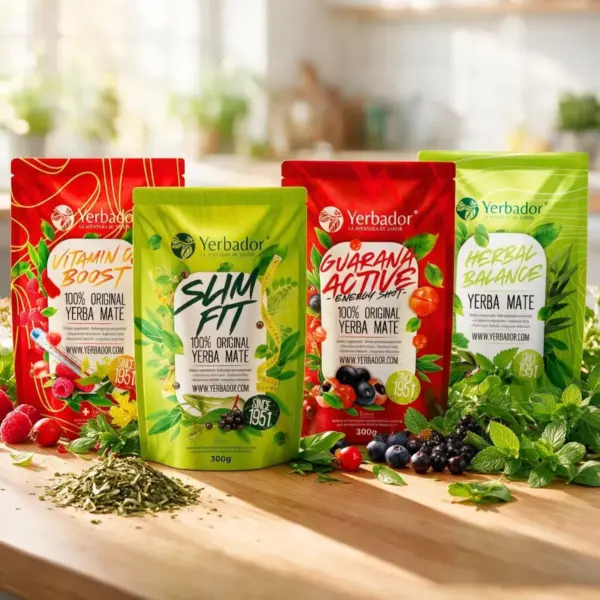
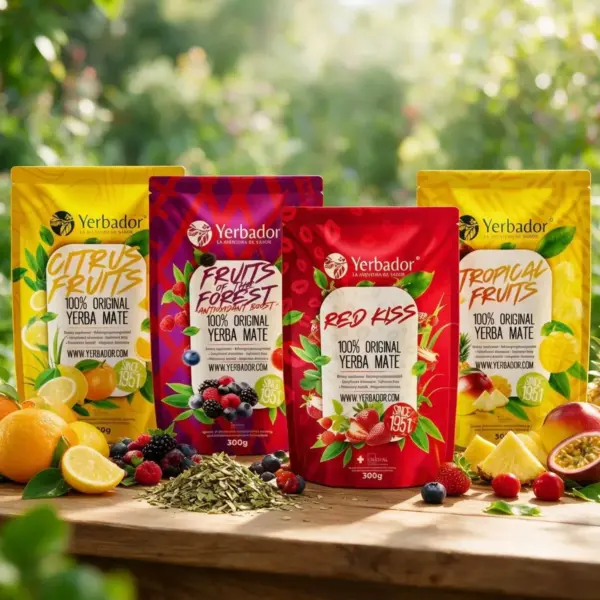
The most popular are fruit yerbas – with the addition of lemon, orange, apple, berries or exotic mango. Such blends are refreshing and also work great as tereré, meaning poured over ice-cold water. On winter days, herbal yerbas are very popular – with mint, lemon balm, verbena or sage, which support digestion and have a calming effect.
Unusual variants are also increasingly common, e.g. with the addition of ginger, guarana or warming spices. This means everyone can find something for themselves – from light and subtle infusions to intense and energising blends.
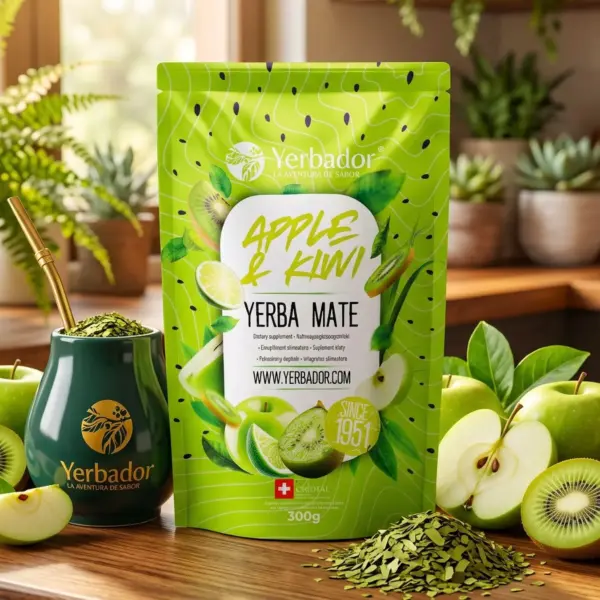
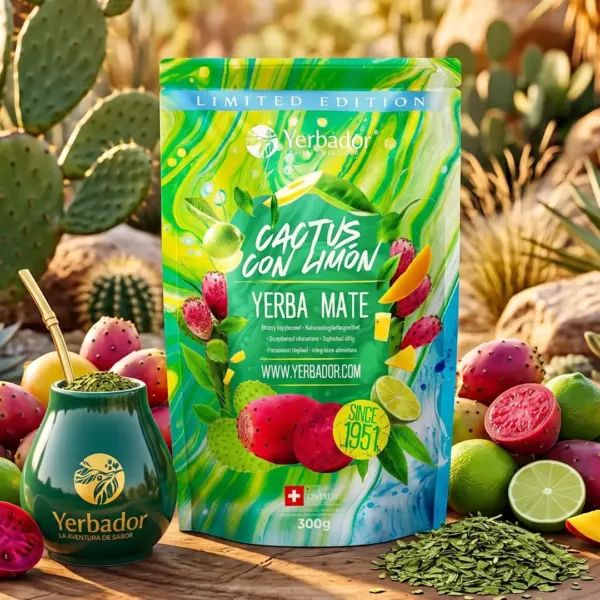
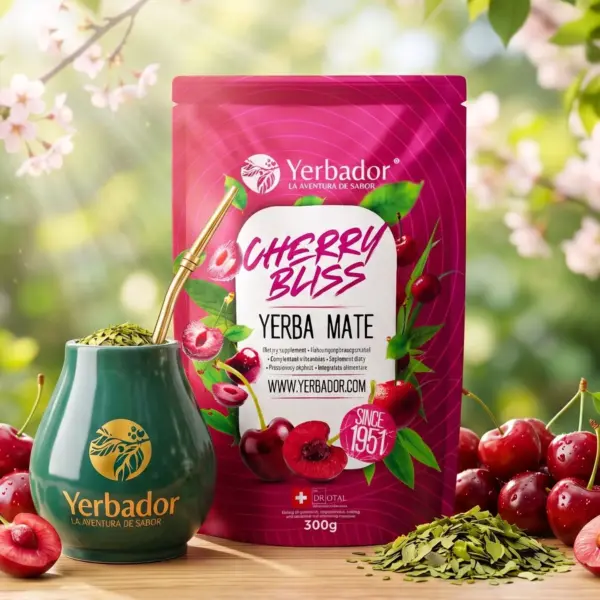
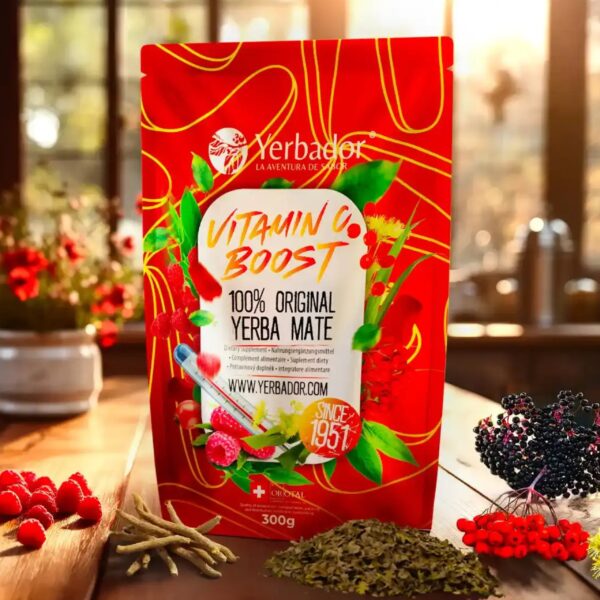
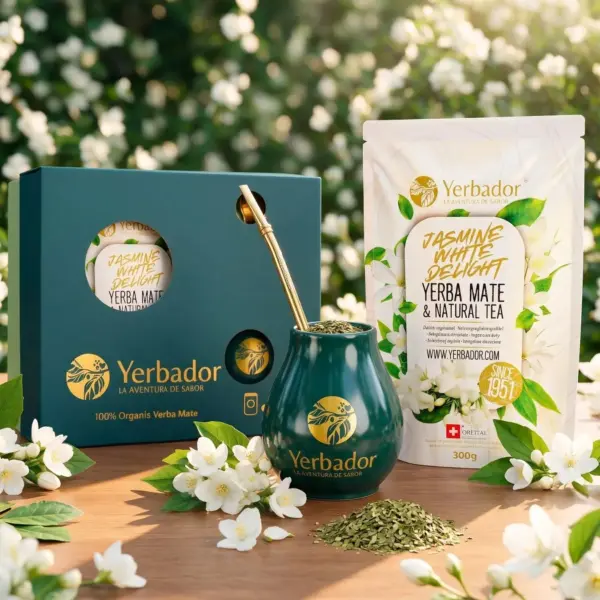
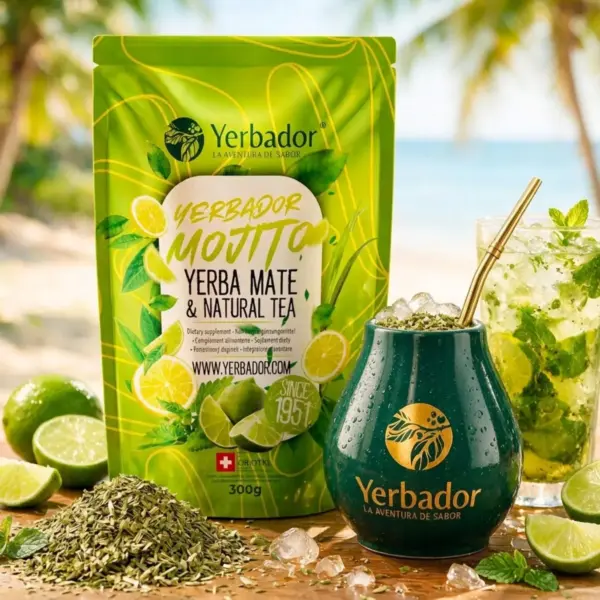
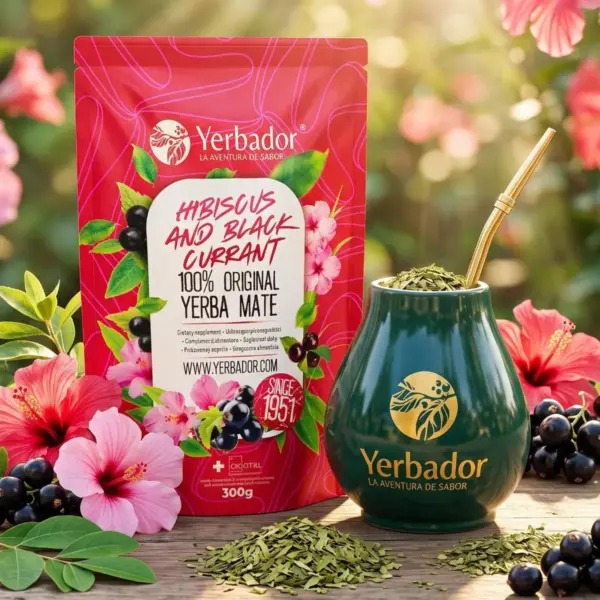
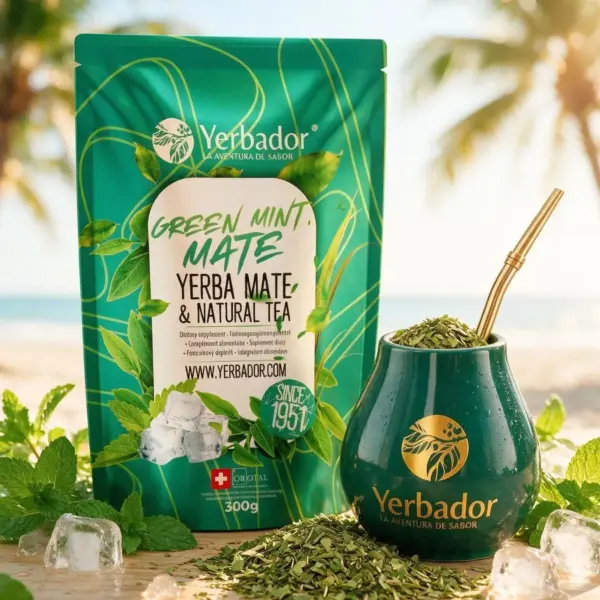
👉 If you’re looking for something fresh and unconventional, visit the category: flavoured yerba mate. It’s a great way to combine South American tradition with a modern approach to flavour.
Step-by-Step Guide to Brewing Yerba Mate
- Step 1: Choose the right vessel
Traditionally a calabash or gourd is used, but for convenience a ceramic matero works great. - Step 2: Add the dried leaves
Pour the yerba into the vessel, filling it to 1/2 or 2/3 of its height. Form a light “mound” of leaves on one side. - Step 3: Prepare the bombilla
Insert the bombilla into the empty space at the base of the mound – never directly into the mass of leaves. - Step 4: Pour in lukewarm water first
Pour in a small amount of water at room temperature or slightly warm (about 25–30°C) so the leaves swell and don’t clog the bombilla. - Step 5: Add hot water
Slowly pour hot water (70–80°C) in a thin stream, right where the bombilla is. Avoid boiling water so the yerba doesn’t take on a bitter taste. - Step 6: The first sip
The first infusion can be very intense. If you like, you can add more water. - Step 7: Refill with water multiple times
Yerba mate can be refilled several times – until the aroma fades. Each refill preserves the flavour and properties of the drink. - Step 8: Enjoy the ritual
Drink slowly, savouring the aroma and taste. Remember that yerba mate is a social drink – perfect for sharing with friends.
👉 Learn more about the yerba mate brewing method in our article: How to brew Yerba Mate step by step?
Yerba mate vs coffee and green tea – three different plants
Paraguayan holly, the coffee shrub and the tea shrub (Camellia sinensis) are three separate plant species that essentially share one thing: all three contain caffeine. Beyond that, they have little in common – neither botanically, nor in taste, nor in the way they are prepared.
- Coffee (Coffea arabica/robusta) – roasted beans, an infusion from a single brew, the fastest and most intense caffeine “hit”.
- Green tea (Camellia sinensis) – leaves brewed briefly at a lower temperature, gentler, less caffeine, rich in catechins.
- Yerba mate (Ilex paraguariensis) – dried holly leaves, steeped repeatedly with the same portion, containing caffeine alongside theobromine and theophylline – hence the gentler, more stable feeling of stimulation.
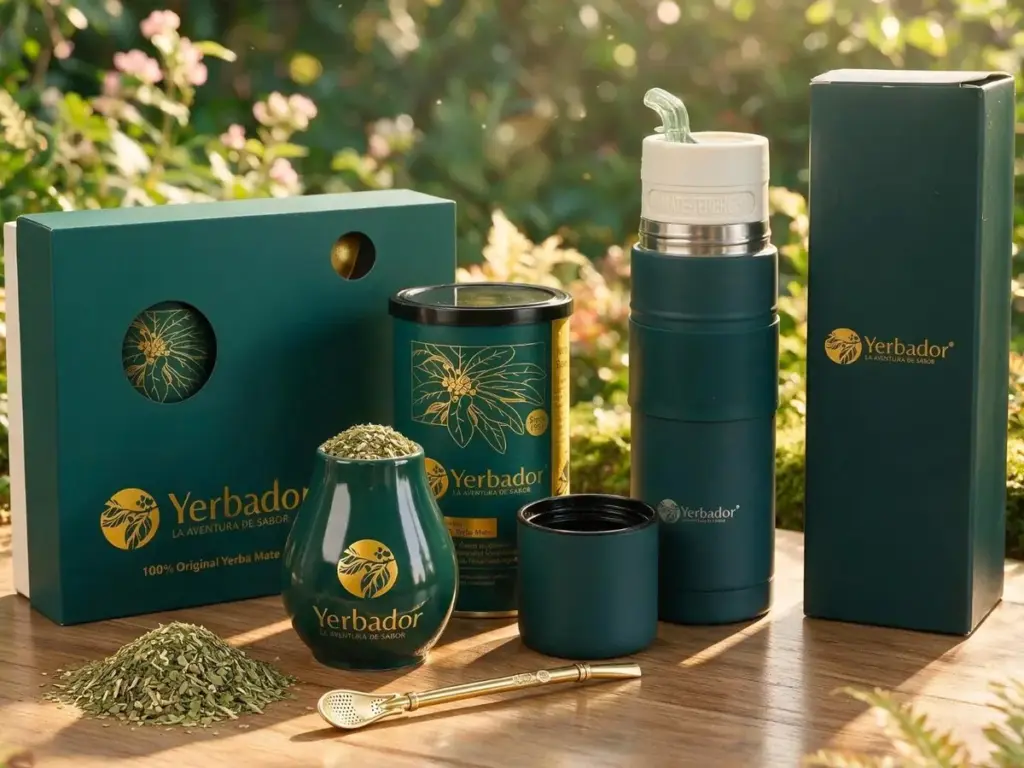
The biggest practical difference is the brewing method. You brew coffee once and toss out the grounds. Green tea might give you two or three refills before the flavour fades. Yerba mate can withstand a dozen or more infusions of the same dried leaves, and its flavour changes with every new pour of water – intense at the start, growing gentler by the end of the drinking session.
Wondering which one to keep on your desk every day? You’ll find a full comparison with all the pros and cons – including caffeine content, price per cup and impact on sleep – in the article Yerba Mate or Coffee – What to Choose? An Honest Comparison.
Frequently Asked Questions about Yerba Mate
What exactly is yerba mate?
An infusion made from dried and cured leaves of the Paraguayan holly – a shrub growing in Argentina, Paraguay, Brazil and Uruguay. It’s more than just a drink – for the people of these countries it’s a daily social ritual, described in more detail in our article on the history of yerba mate.
Is yerba mate a type of tea?
No, despite the colloquial name “Paraguayan tea”. Green and black tea come from the Camellia sinensis shrub, while yerba mate belongs to a completely different plant family, the hollies. It’s actually closer to… an ornamental holly in your garden than to a tea plantation.
How much caffeine does yerba mate have compared to coffee?
The caffeine content is similar, but the sensation is different. Thanks to the presence of theobromine and theophylline, the stimulation from yerba tends to be gentler and more spread out over time, without the sharp spikes and crashes typical of coffee. You can read more about its composition in the section Composition and Nutritional Properties of Yerba Mate above.
Is yerba mate healthy, and who might it not be suitable for?
Yerba mate provides antioxidants, vitamins and minerals, and drinking it is linked to numerous benefits described in the studies cited in this article. As with any source of caffeine, pregnant or breastfeeding women, people sensitive to caffeine, or those taking medication should consult a doctor before drinking it regularly.
What’s the quickest way to start drinking yerba mate at home?
You don’t need a calabash and bombilla right away – a regular mug and a strainer will do, although a ceramic matero makes brewing multiple refills easier. You’ll find a full step-by-step guide in the section How to Brew Yerba Mate above, or in our separate guide Yerba Mate Mug – How to Choose One and Brew In It.
Summary
Yerba mate is more than just a drink – it’s a rich tradition, culture and ritual that has connected people across South America for centuries. From its origins and production process, through the variety of flavours and health properties, to modern uses in diet and lifestyle – yerba mate combines the pleasure of drinking with benefits for body and mind. Choosing the right vessel, quality dried leaves and proper brewing can turn every sip into a moment of relaxation or an energy boost during the day.
Yerba mate’s popularity is growing all over the world, including in Poland, where thousands of enthusiasts – including well-known figures – reach for Yerbador products, valuing their freshness, natural taste and high quality. Whether you choose traditional yerba, a flavoured variant or a cold brew, everyone can find their favourite way to enjoy this remarkable drink.
Bibliography
- Kim SY, et al. “Anti-obesity effects of Yerba Mate (Ilex paraguariensis).” 2015.
- Alkhatib A, et al. “Yerba Maté (Ilex paraguariensis) ingestion augments fat metabolism and energy expenditure during exercise.” 2014.
- Heck CI, de Mejía EG. “Yerba Maté Tea (Ilex paraguariensis): a comprehensive review on chemistry, health implications, and safety.” 2007.
- Dr Justyna Jessa on the amazing properties of Yerba Mate, https://www.youtube.com/watch?v=rgXM8ZU9Qko, accessed: 17.09.2025
Discover our TOP products!
Your dream figure
Discover new flavors
Yerba mate with tea
Accessories
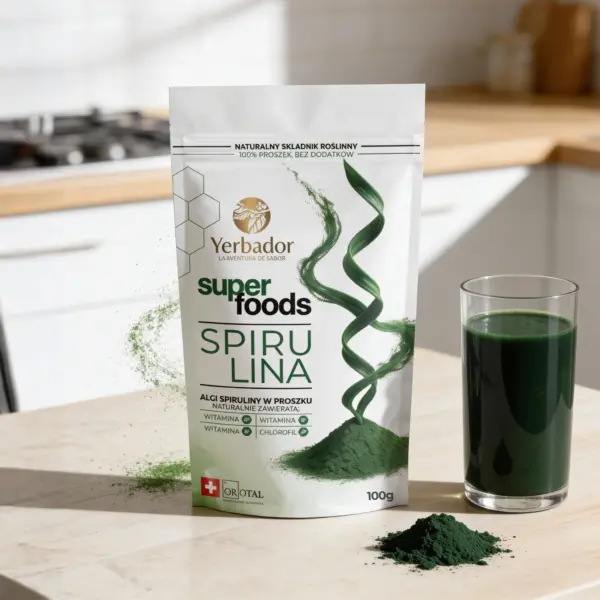
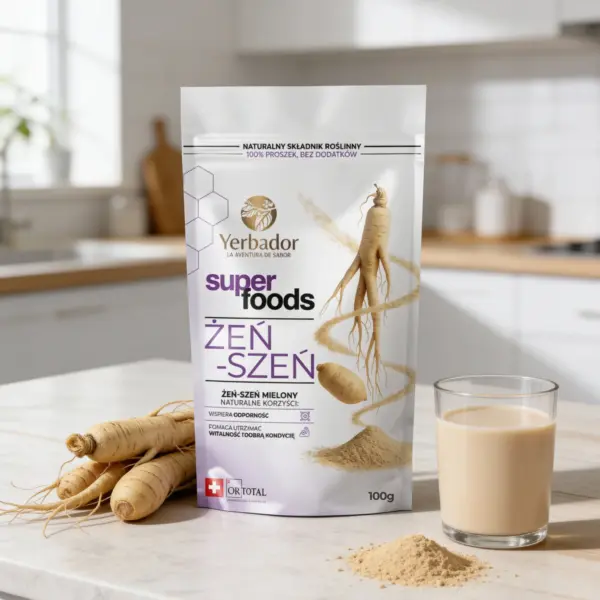
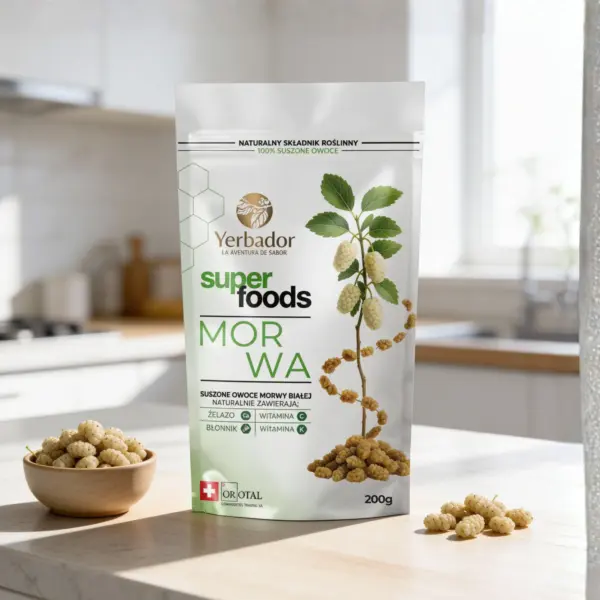
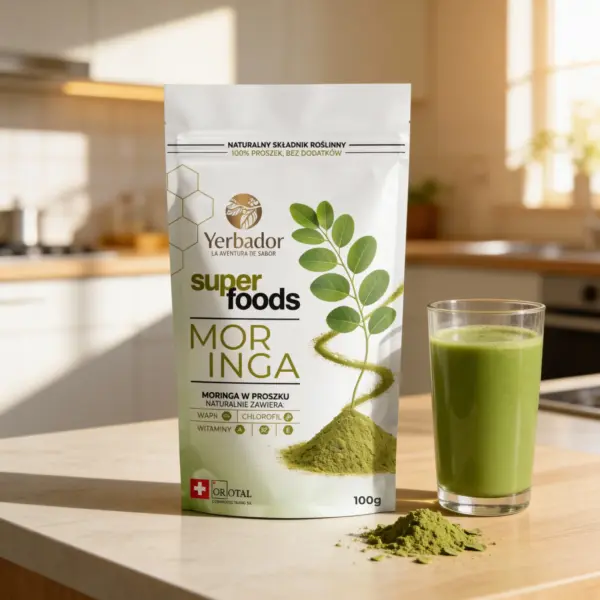
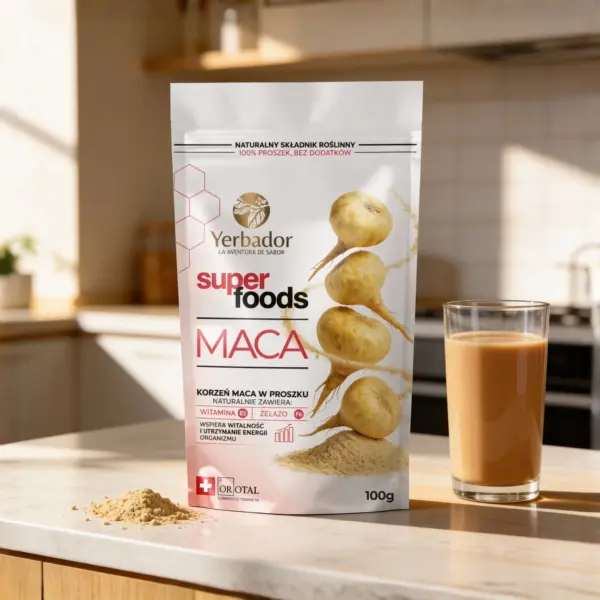
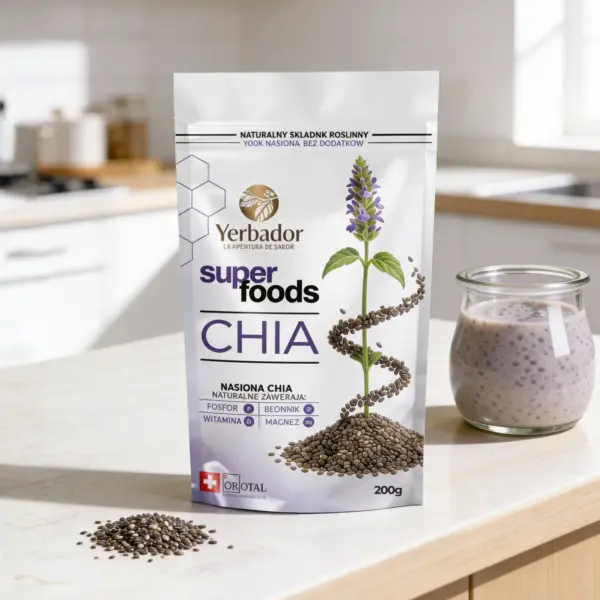
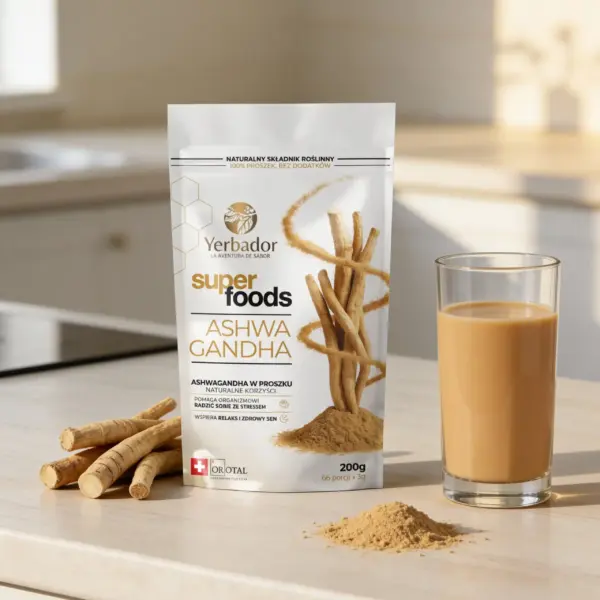
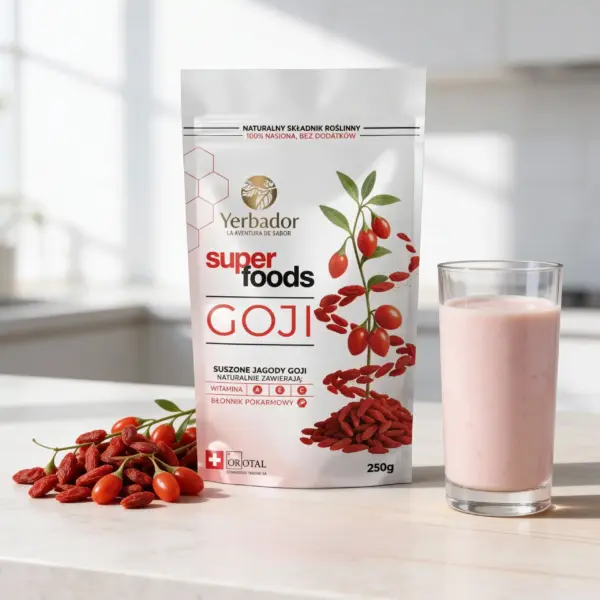
Superfoods

Certified raw honeys from Poland

Check the current price
free shipping
Up to 90 days
free returns
24 H
shipping