
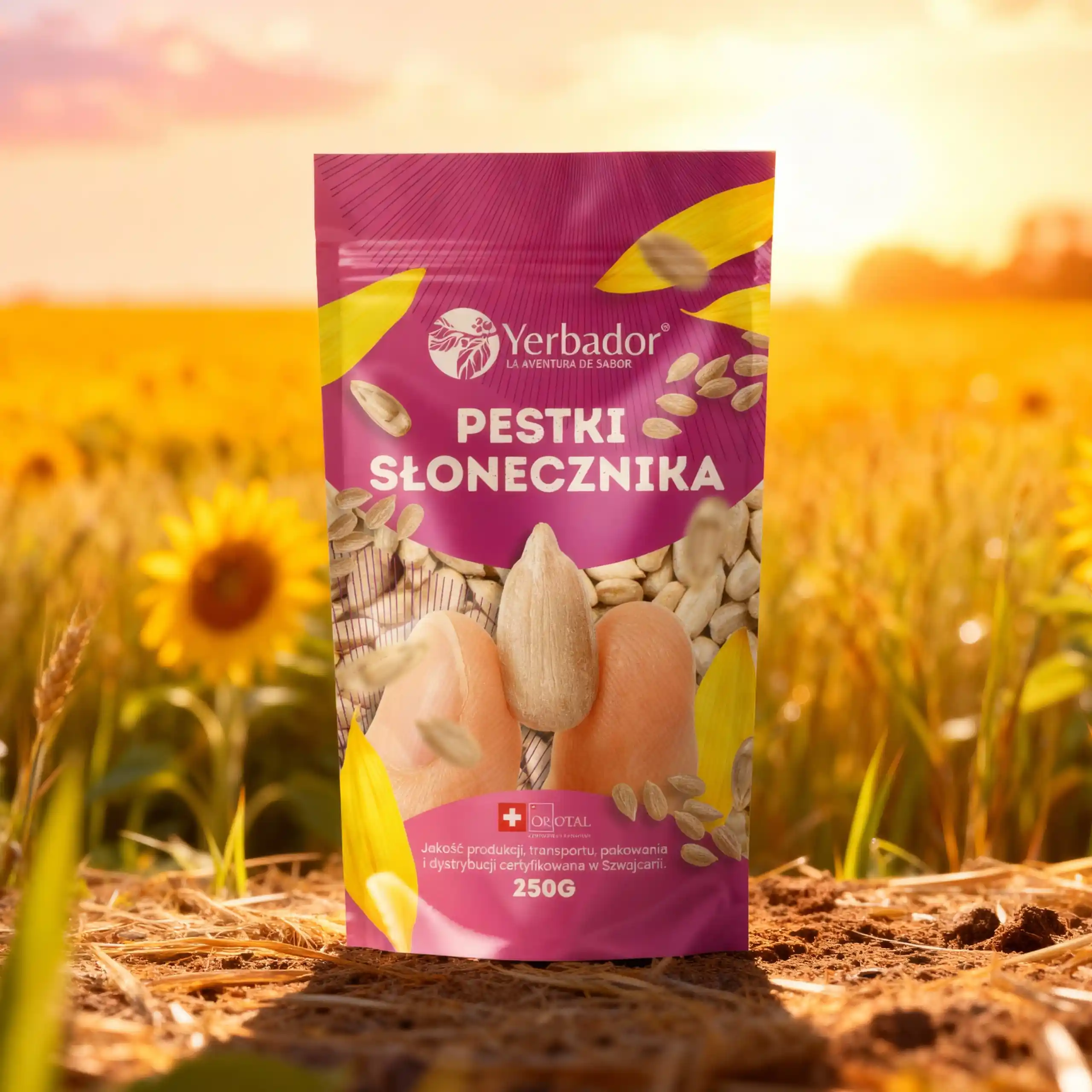
Sunflower Seeds and Pumpkin Seeds – What They Help With, How Much to Eat Daily, and What’s Inside
2026-08-14
You eat sunflower seeds for magnesium, vitamin E and unsaturated fats — a handful, that is 30 g, gives you about 98 mg of magnesium and roughly 10 mg of vitamin E, which is already close to the full daily requirement for an adult. Pumpkin seeds serve a different purpose: protein, magnesium and zinc. That same handful gives about 9 g of protein, 178 mg of magnesium and 2.3 mg of zinc.
Both contain fiber, just less than people tend to think: 30 g of sunflower seeds is about 2.6 g of fiber, 30 g of pumpkin seeds around 1.8 g. That’s a sensible addition to your daily total, not its foundation. Below I break everything down into numbers — macronutrients per 100 g, content in a single handful, how these two seeds really differ, and how much to eat so an evening snack doesn’t balloon into six hundred calories.
What are sunflower seeds good for? Three things they do best
First — vitamin E. Shelled sunflower seeds are one of the densest sources of tocopherol in the entire grocery store: about 35 mg per 100 g. The daily reference value for an adult is 12 mg, so a thirty-gram handful covers almost all of it. Vitamin E is a fat-soluble antioxidant, and since seeds are made up of more than half fat, it’s absorbed conveniently, without any tricks.
Second — magnesium. 100 g of sunflower seeds contains about 325 mg of magnesium, which is 87% of the reference value. In practice no one eats a hundred grams of seeds in one sitting, and that’s fine, but even two handfuls spread over the day make a difference in your balance, especially for someone living on white bread and coffee.
Third — fats. 100 g contains about 51 g of fat, and most of it is unsaturated fatty acids, mainly linoleic acid. This is the type of fat that dietitians recommend using to replace fat from cold cuts and pastries. On top of that there’s selenium (about 53 µg/100 g), zinc (about 5 mg) and a decent portion of phosphorus.
What sunflower seeds won’t do: cure an iron deficiency, replace medication, or burn fat. They’re calorie-dense — 584 kcal per 100 g — so treat them like a fat in your diet, not a vegetable. If you have a diagnosed condition or take medication regularly, consult your doctor before changing your diet.
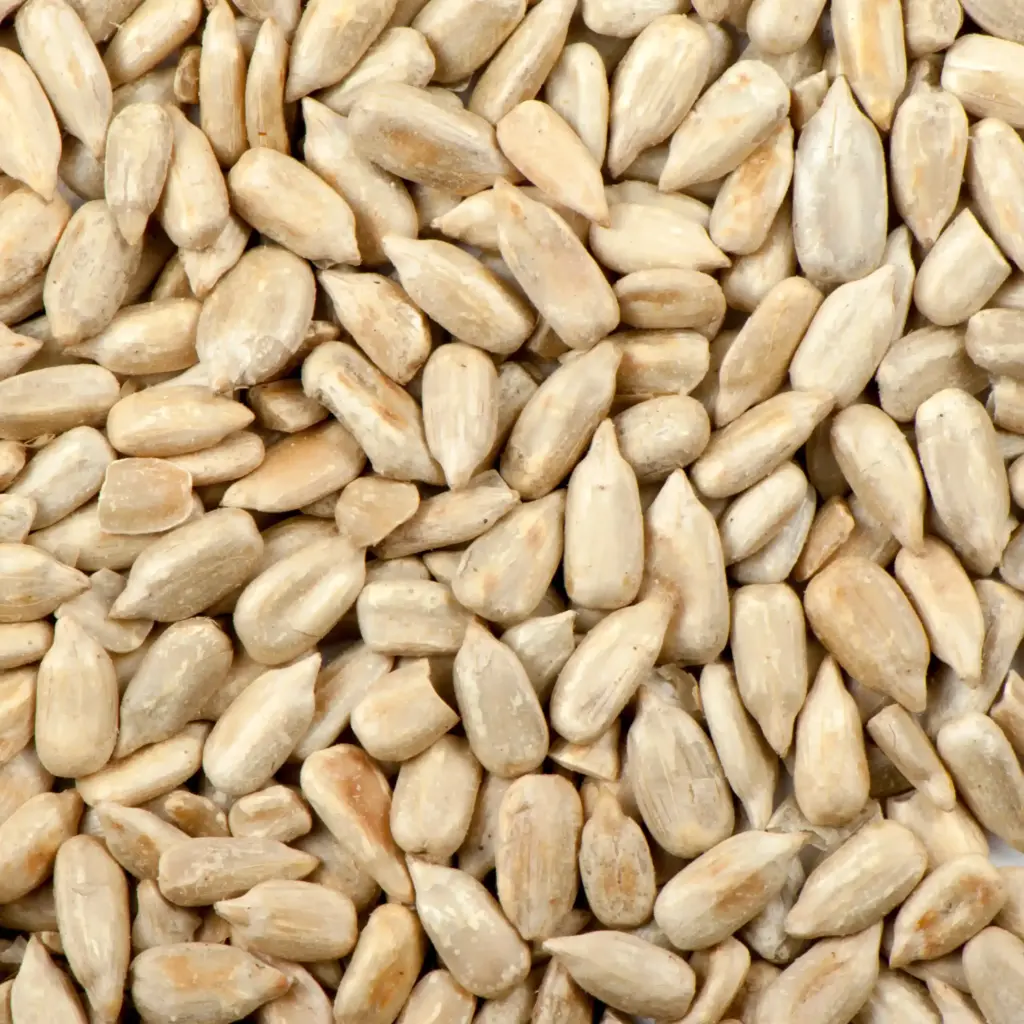
Do sunflower seeds contain fiber?
They do, but that’s not their main role. Shelled sunflower seeds have about 8.6 g of fiber per 100 g. Against the recommended 25 g a day, that means a handful provides roughly one-tenth of the daily norm. For comparison: one pear with skin gives a similar amount, and a plate of buckwheat groats gives quite a bit more.
This is where a common misunderstanding comes in. Sunflower seeds in the shell — the kind for “cracking” at a ballgame — have much more fiber, because the shell is almost pure cellulose. But you don’t eat the shell, you spit it out. The value that actually enters your body comes from the kernel itself, and that’s what counts in the tables. When you buy shelled sunflower seeds in a 250 g pack, you get ready-to-eat kernels with no work and no mess on the table.
Fiber from sunflower seeds is mostly insoluble. It works mechanically — it increases the volume of food content and speeds up transit. If you haven’t eaten much of it so far, ease in gradually, because jumping from 10 g to 30 g of fiber in a single day ends predictably.
Pumpkin seeds – macros, or what’s packed into 100 grams
A hundred grams of shelled pumpkin seeds gives roughly: 559 kcal, 30 g protein, 49 g fat, 11 g digestible carbohydrates and 6 g fiber. That’s a profile that looks like a nut’s macros, but with boosted protein — which is why pumpkin seeds so often make their way into vegan and sports meal plans.
Breaking it down to a handful (30 g) is more useful, since that’s realistically what ends up in the bowl: about 168 kcal, 9 g protein, 14.7 g fat, 3.2 g carbohydrates, 1.8 g fibre. Plus 178 mg magnesium, 2.3 mg zinc, 2.6 mg iron and about 370 mg phosphorus.
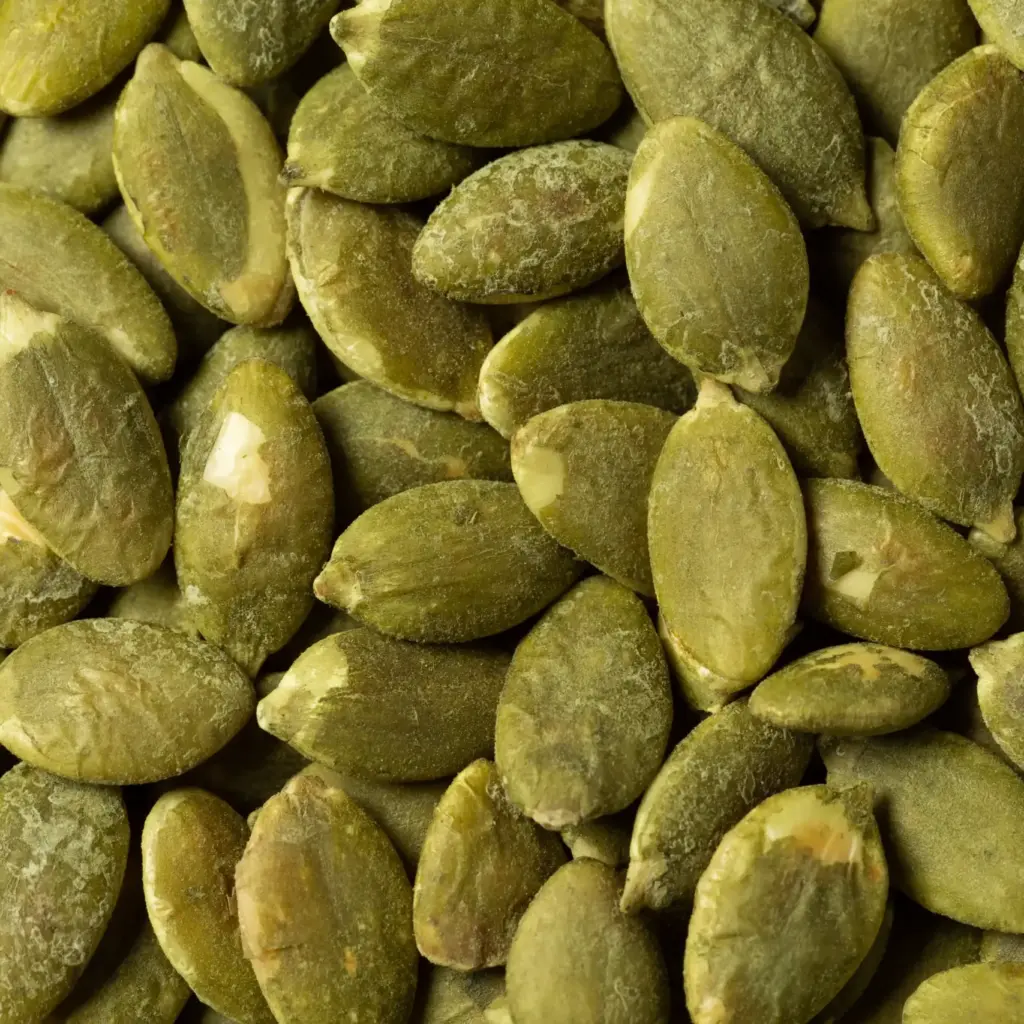
How much protein do pumpkin seeds have?
About 30 g per 100 g of product, meaning 9 g in a handful. For scale: an egg has about 6 g protein, one hundred grams of low-fat cottage cheese about 18 g. Three tablespoons of pumpkin seeds in porridge add as much protein as one and a half eggs, while also smuggling in some magnesium.
Protein from pumpkin seeds isn’t complete in the way egg protein is — it’s low in lysine. This isn’t a problem if legumes or grains also appear throughout the day, since amino acids complement each other across the whole diet, not within a single meal. This is a topic I go into in more detail in the article about the plant-based diet without compromises.
Pumpkin seeds and magnesium – how much is really in there?
592 mg per 100 g. This is one of the highest values among foods you’d normally eat — only bran and dark cocoa rank higher. The reference value for an adult is 375 mg, so a handful of pumpkin seeds covers roughly 47% of the daily requirement.
Magnesium from seeds is well absorbed, although the phytic acid present in seeds partially binds it. Soaking the seeds for a few hours before eating, or lightly toasting them, weakens this effect. It’s not necessary — but if someone wants to get the most out of it, these are two simple levers to use.
Sunflower or pumpkin – which to choose?
Short answer: pumpkin, when you’re after protein, magnesium and zinc. Sunflower, when it’s about vitamin E, selenium and a cheaper way to boost the calorie content of your diet.
| Per 100 g (shelled) | Sunflower Seeds | Pumpkin Seeds |
|---|---|---|
| Calories | 584 kcal | 559 kcal |
| Protein | 20,8 g | 30,2 g |
| Fat | 51,5 g | 49 g |
| Fibre | 8,6 g | 6 g |
| Magnesium | 325 mg | 592 mg |
| Zinc | 5 mg | 7.8 mg |
| Iron | 5.3 mg | 8.8 mg |
| Vitamin E | approx. 35 mg | ok. 2 mg |
In practice, a fifty-fifty mix works best. Sunflower seeds are mild, slightly nutty and never get in the way in a salad. Pumpkin seeds have a more pronounced, earthy flavor and keep their crunch better after toasting. Together they give a broader range of nutrients than either one alone.
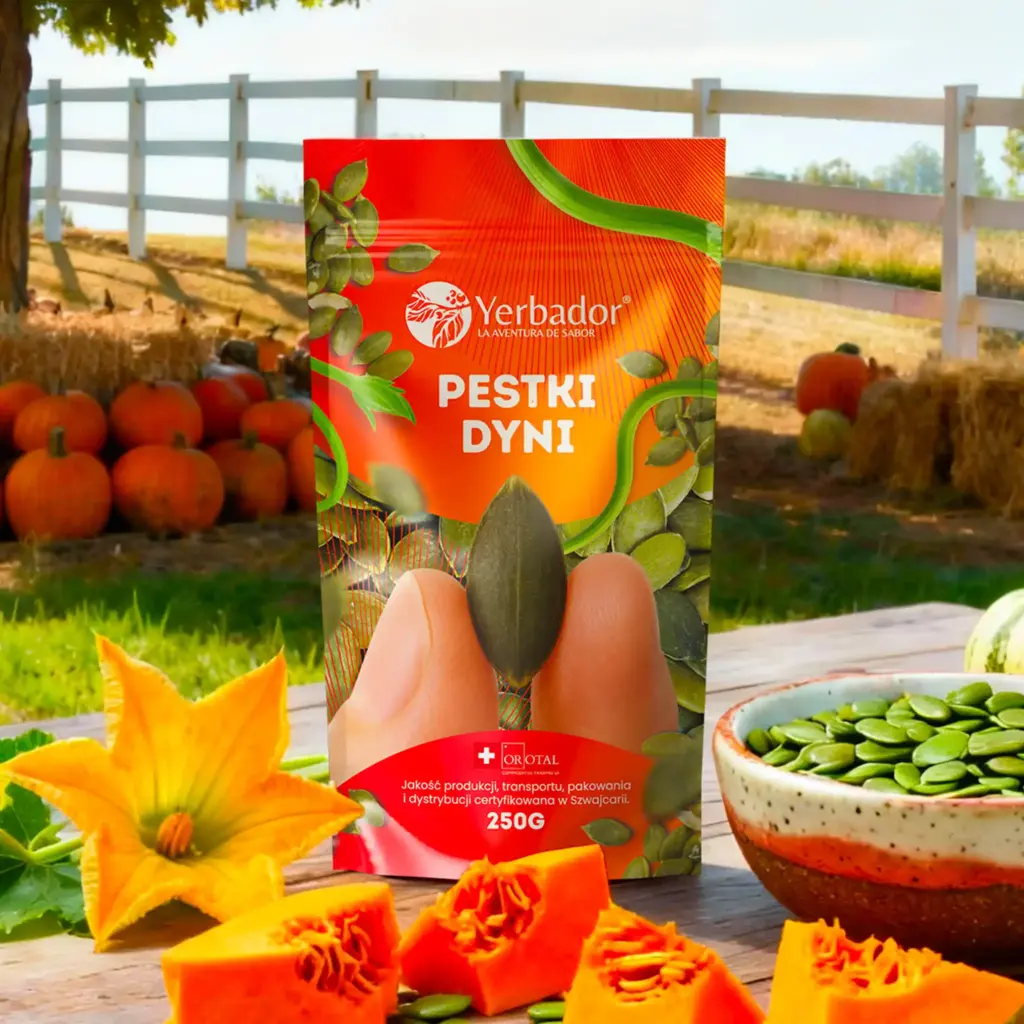
If you want to start with just one, go for the shelled pumpkin seeds 250 g — they have denser nutritional value per gram, and you’ll notice the effect in your daily balance faster. To try things out, a smaller pack of sunflower seeds 100 g is also enough to see if you’ll actually reach for them.
How many seeds should you eat a day?
A sensible range is 20–40 g, so anywhere from a heaping tablespoon to a handful. Above that it starts to add up calorie-wise: 100 g of seeds is almost 600 kcal, as much as a solid lunch. I’ve seen the same scenario play out many times — someone puts a bowl of seeds on their desk, works on their laptop, and two hours later the bag is empty. Nobody counts it, but that’s 1400 kcal.
That’s why a better habit is to pour out a portion into a small bowl and put the rest away. Seeds are very filling thanks to their fat and protein content, but the feeling of fullness comes with a delay, after about fifteen minutes. If you eat non-stop, you get ahead of your own fullness signal. If you’re watching your calories, it also helps to take a sober look at what to drink for weight loss — liquid calories can sabotage a diet just as effectively.
Children: smaller portions, 10–15 g, and only from the age at which they can reliably chew properly. Whole seeds pose a choking risk for young children, so it’s safer to grind them and mix them into food.
How to eat them so you don’t get bored after three days
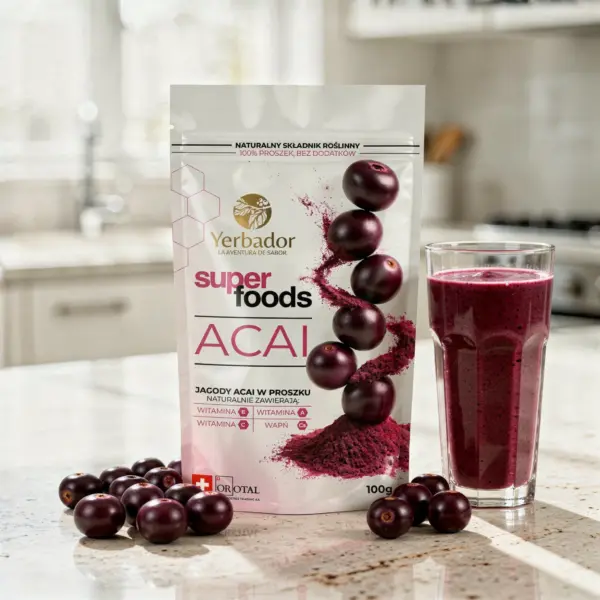
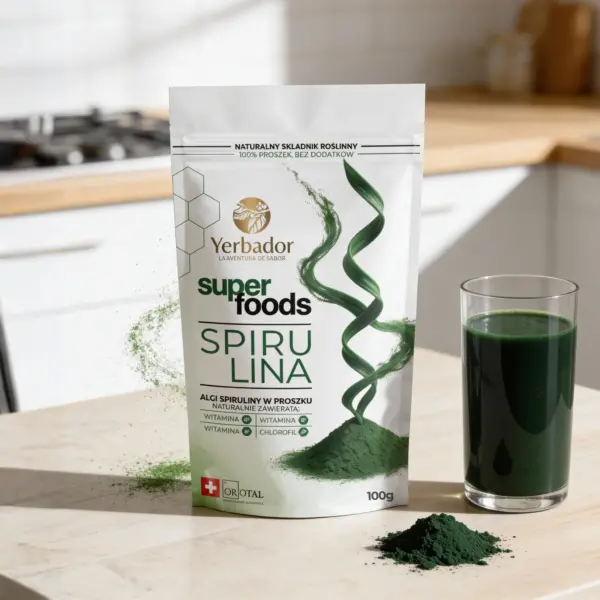
Oatmeal is the simplest place to start — a tablespoon of sunflower and a tablespoon of pumpkin seeds stirred in after cooking, not during, because long cooking softens the seeds and they lose their crunch. The same trick works in natural yogurt and in a morning smoothie, where I add the seeds along with acai berries or a teaspoon of spirulina.
Salads like their seeds lightly toasted. Dry pan, medium heat, two to three minutes, keep shaking, and take them off just before you think they’re ready — the residual heat will finish the job. Burnt seeds turn bitter, and nothing can save that.
Homemade bread and rolls: 50 g of seeds per loaf, some mixed into the dough, some on top. Pesto: swap the expensive pine nuts for sunflower seeds, and the flavor is surprisingly close. Hummus with pumpkin seeds on top looks better and adds crunch. Pumpkin cream soup with toasted pumpkin seeds — simple, but it works.
For workouts, seeds work better before than right after. Fat slows down stomach emptying, so eating them an hour before a run is a bad idea, but two to three hours earlier gives stable energy without a sugar spike. I’ve covered more on the timing of pre- and post-workout snacks in the article about yerba mate for athletes.
Raw or roasted? And how to store them so they don’t go rancid
Raw seeds retain more vitamin E and unsaturated fatty acids — the latter are sensitive to high temperatures. Roasted seeds have a more pronounced flavor and better crunch. The compromise I use myself: raw for oatmeal and smoothies, lightly toasted for salads and warm dishes, where flavor is what matters most anyway.
Storage matters more than most people assume. Unsaturated fats go rancid on contact with oxygen, light and heat. Keep an opened pack tightly sealed, in a cool, dark place, and if you buy larger quantities — in the fridge or freezer. You’ll recognise rancid seeds instantly: a bitter, harsh aftertaste, a bit like old olive oil. There’s no saving those — just throw them out.
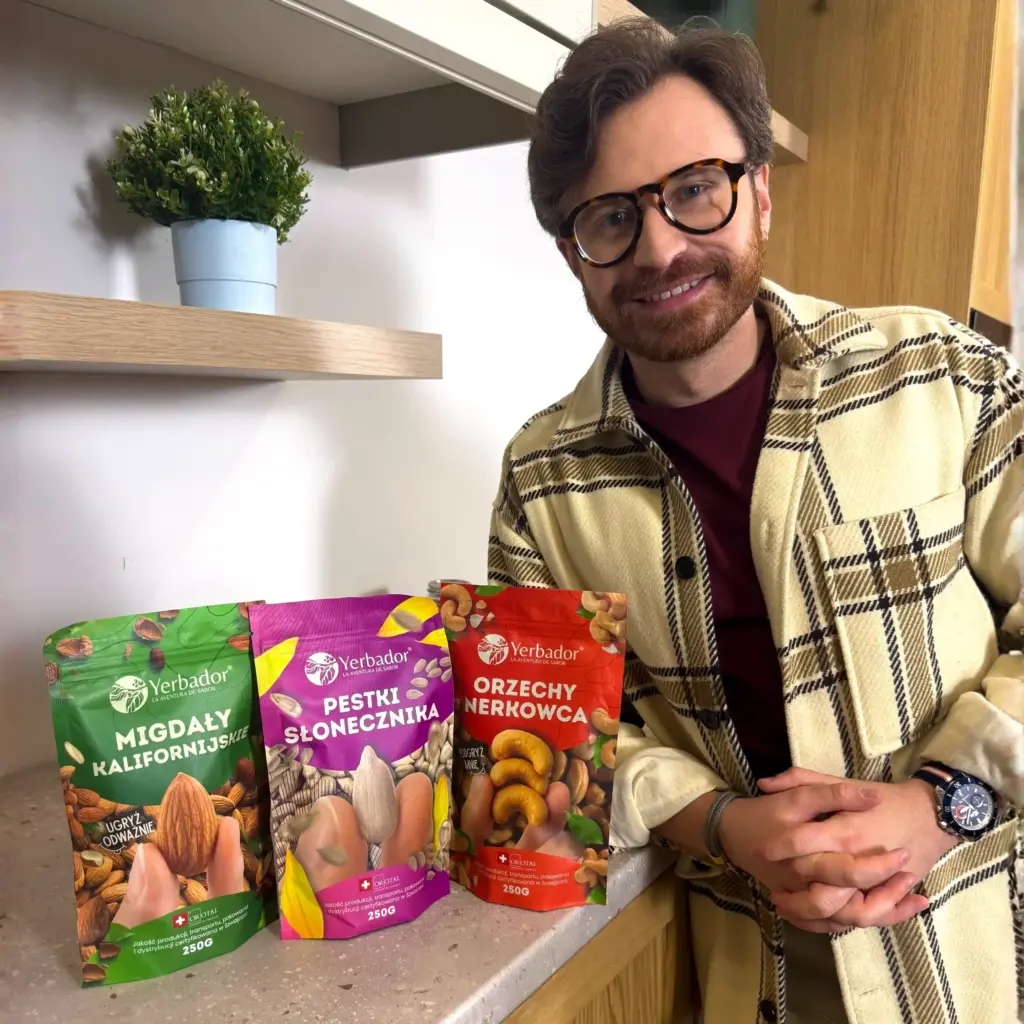
Yerbador seeds are packed in Europe, and the quality of production, transport, packaging and distribution is certified by the Swiss company OROTAL Commodities Trading SA. On the practical side, the resealable pack closes after every opening, which for unsaturated fats isn’t just a nice extra — it’s real protection for the flavour.
Who should be careful
Allergy sufferers — an allergy to sunflower seeds is less common than to nuts, but it does exist and can cross-react with mugwort pollen allergy. People on a diet with controlled potassium or phosphorus intake, for example due to kidney disease, should count these seeds together with their doctor or dietitian, as they contain quite a bit of phosphorus. In gastrointestinal conditions with flare-ups, where insoluble fibre is limited, whole seeds are sometimes poorly tolerated — in that case, seed butter or ground seeds work better. In each of these situations, consult your doctor.
Frequently asked questions
What are sunflower seeds most helpful for?
For replenishing vitamin E, magnesium and selenium in your daily diet. A 30 g handful covers almost the entire daily reference value of vitamin E and about 26% of the magnesium requirement.
Do sunflower seeds contain fiber?
Yes — about 8.6 g per 100 g of shelled seeds, meaning 2.6 g in a handful. That’s roughly one-tenth of an adult’s daily fibre norm.
How much protein do pumpkin seeds have?
About 30 g per 100 g, meaning 9 g in a thirty-gram handful. That result is comparable to some cold cuts and clearly higher than sunflower seeds, which have just under 21 g.
How much magnesium is in pumpkin seeds?
About 592 mg per 100 g. A handful provides roughly 178 mg, which corresponds to 47% of the reference daily value for an adult.
Can you eat seeds every day?
Yes, as long as you stay within 20–40 g a day and account for them in your calorie balance. If you have kidney disease, a seed allergy, or a flare-up of bowel disease, set your portion with your doctor.
Discover our TOP products!
Your dream figure
Discover new flavors
Yerba mate with tea

Accessories




Superfoods
Certified raw honeys from Poland



Check the current price
free shipping
Up to 90 days
free returns
24 H
shipping