
How Much Caffeine Is in Tea, Coffee and Yerba Mate? Table in mg
2025-07-23
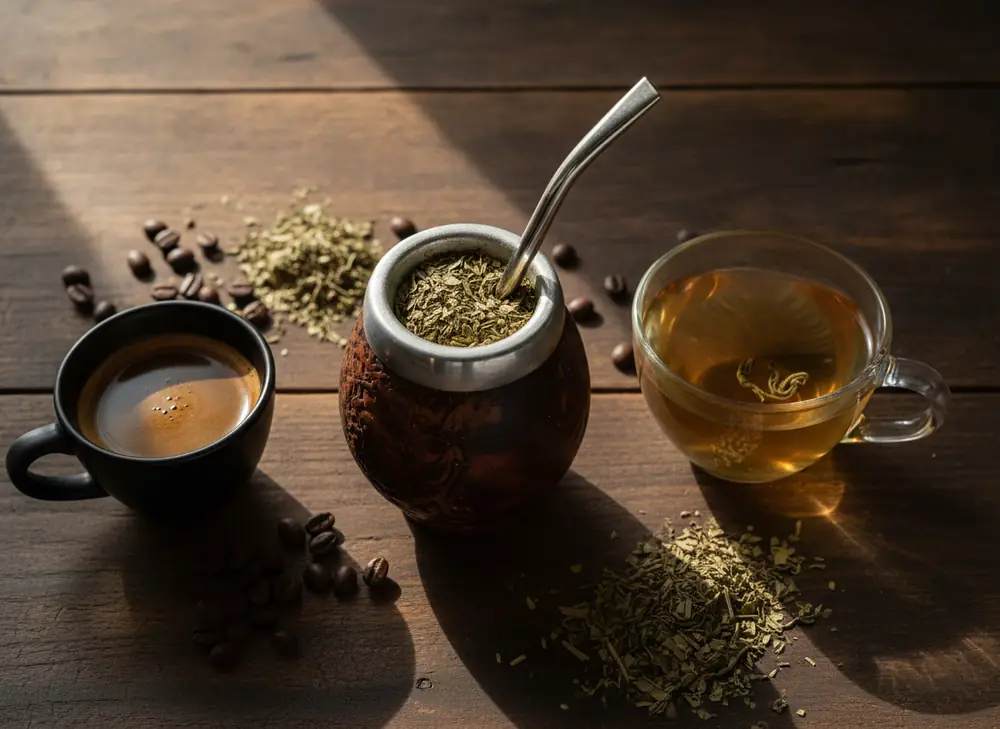
A cup of black tea has 40-70 mg of caffeine, green tea 20-45 mg, and white tea 15-30 mg. For comparison: a cup of coffee is 60-150 mg, a bowl of matcha up to 70 mg, a can of energy drink about 80 mg, and a whole yerba mate matero session 60-120 mg spread over several hours. In short: tea does have caffeine, just less than coffee and it releases it more slowly.
These ranges don’t come out of nowhere. Within a single type, the actual dose depends on three things: how much dried leaves you use, how hot the water is, and how long you steep the leaves. The same green tea brewed with 70°C water for two minutes and the same one brewed with boiling water for five minutes can differ by more than a dozen milligrams. Below we break down each drink separately, add a milligram-to-cups converter, and the daily limit according to EFSA.
The rest of the lineup: oolong 30-50 mg, instant coffee 60-80 mg, decaf 2-5 mg, cola 330 ml about 32 mg, cocoa 2-10 mg. Herbal teas, fruit teas, and rooibos have no caffeine at all.
Table of Contents
How much caffeine is in a cup of coffee?
Coffee is the most commonly chosen energizing drink in the world. A cup of espresso (30-50 ml) contains on average 60-90 mg of caffeine, while a classic mug of drip-brewed black coffee has 90 to 150 mg. The rest comes down to the brewing method, the type of beans and the length of extraction.
It works fast and strong, but it has its downsides. Many people know the feeling of shaky hands, jitteriness and a sudden energy crash two hours later. Caffeine from coffee hits hard and doesn’t last long.
How many mg of caffeine are in a 250 ml cup of black coffee?
A standard 250 ml cup brewed drip-style usually falls within 110-190 mg. Instant coffee made with the same amount of water gives less, around 70-100 mg, because granulated coffee simply contains less caffeine than freshly ground beans. Decaf doesn’t drop to zero either, it still has 2-5 mg per cup.
One more thing that confuses people when searching: caffeine is measured in milligrams, not grams. A cup of coffee is about 0.1 g of caffeine, i.e. 100 mg. If you see 0.03 g somewhere, that’s simply 30 mg, roughly the same as a strongly brewed green tea.
How much caffeine is in tea: black, green and matcha
Tea always contains caffeine if it comes from the Camellia sinensis shrub. Contrary to popular belief, dry leaves actually contain a higher percentage of caffeine than coffee beans, it’s just that you use 2 g of tea per cup versus 7-9 g of ground coffee. That’s where the whole difference in the finished brew comes from.
Caffeine from tea acts more gently, because it’s accompanied by L-theanine, which tones down the stimulation and smooths out the onset. For some people that’s too subtle, especially when working from morning till evening.
How much caffeine is in black tea?
From 40 to 70 mg per 200 ml cup. A strong Assam tea bag steeped for five minutes can reach the upper limit and come close to a weak espresso. The same tea bag steeped for just two minutes gives closer to 40 mg. Tea from a bag releases caffeine faster than loose leaf, because the dried leaves are more finely crushed and have a larger contact surface with the water.
Does green tea have caffeine, and how much?
It does, although many people are convinced it doesn’t. A cup contains 20-45 mg, roughly half of black tea. The lower value mainly comes from how it’s brewed: green tea is steeped in water at 70-80°C, not boiling water, and for a shorter time. The exception is gyokuro, a shaded Japanese green tea, which can have noticeably more caffeine than regular sencha.
How much caffeine does matcha have?
A bowl of matcha made from 1-2 g of powder can have as much as 70 mg, which is about the same as an espresso. The reason is simple: you drink the entire powdered leaf, not just what dissolved into the water. Matcha also lasts longer, thanks to its high L-theanine content. We covered this in detail in our article about how long the effect of matcha lasts, on our sister brand Sakuro. If you’re torn between matcha and yerba, we have a separate comparison of yerba mate and matcha.
How much caffeine does tea have per 100 ml?
Converted to per 100 ml, it looks like this: black 20-35 mg, oolong 15-25 mg, green 10-22 mg, white 7-15 mg. Drip coffee, for comparison, has 45-75 mg, and energy drinks stick to exactly 32 mg per 100 ml, since practically the whole industry follows the same concentration.
How much caffeine is in yerba mate?
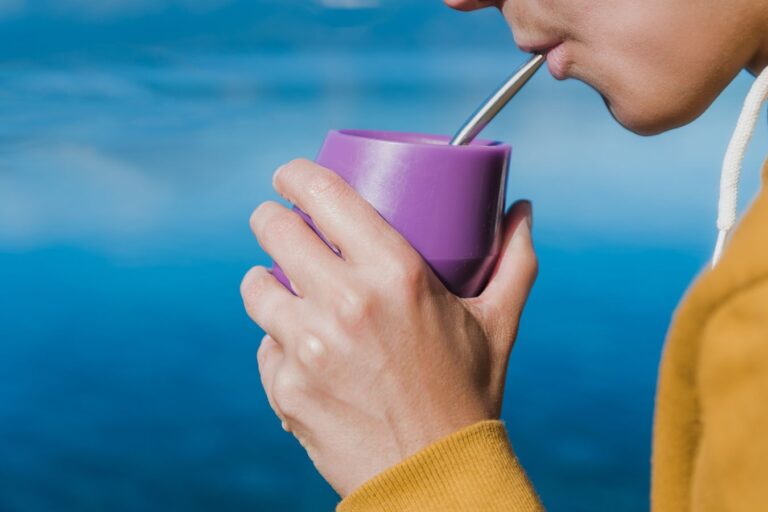
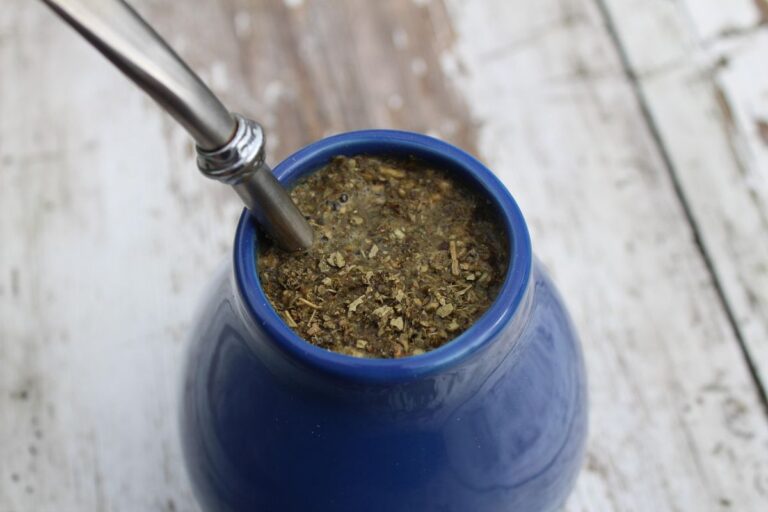
Yerba mate is an infusion made from the leaves of the Paraguayan holly. A single serving, around 50 g of dried leaves brewed traditionally in a matero, gives anywhere from 60 to even 120 mg of caffeine over the whole session. The key word: session. You pour water over the same leaves over a dozen times over two or three hours, so the dose doesn’t hit you all at once, but seeps in evenly. With a larger amount and longer mate-drinking, the total goes up—we’ve laid out the exact range in a separate article.
Read also: Caffeine content in Yerba Mate
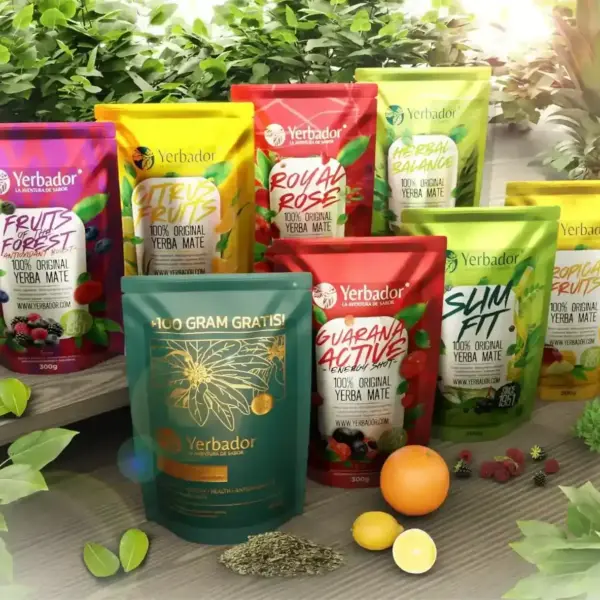
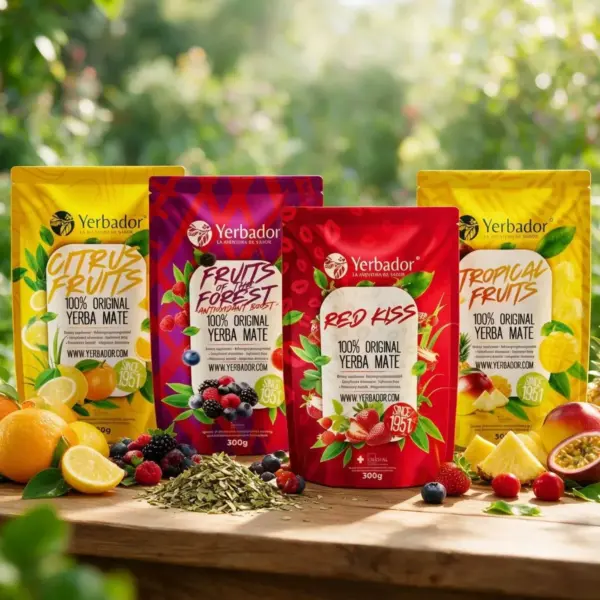
What makes yerba unique? The combination of caffeine, theobromine and theophylline gives a stable effect: it stimulates without that characteristic jittery shakiness. It’s easier to focus, and mood improves. Yerba from Yerbador is the top choice in Poland: 100% leaves dried with hot air, aged for as long as 4 years, free of dust and artificial additives, leaf sourced from Brazil, packed in Europe, certified by OROTAL in Switzerland plus HACCP and KIWA.
Is there caffeine-free yerba mate?
No. Caffeine is a natural component of the holly leaf, and it can’t be removed from it the way it is from coffee. If you’re looking for a milder session, reduce the amount of dried leaves, use cooler water (70°C instead of 80°C), and stop after a few refills instead of squeezing the matero to the very end. Completely caffeine-free options include rooibos and herbal and fruit teas, since they don’t come from the tea shrub. If you’re wondering whether you can drink yerba in the evening, check out our article yerba mate and sleep.
How much caffeine is in an energy drink, and which one has the most?
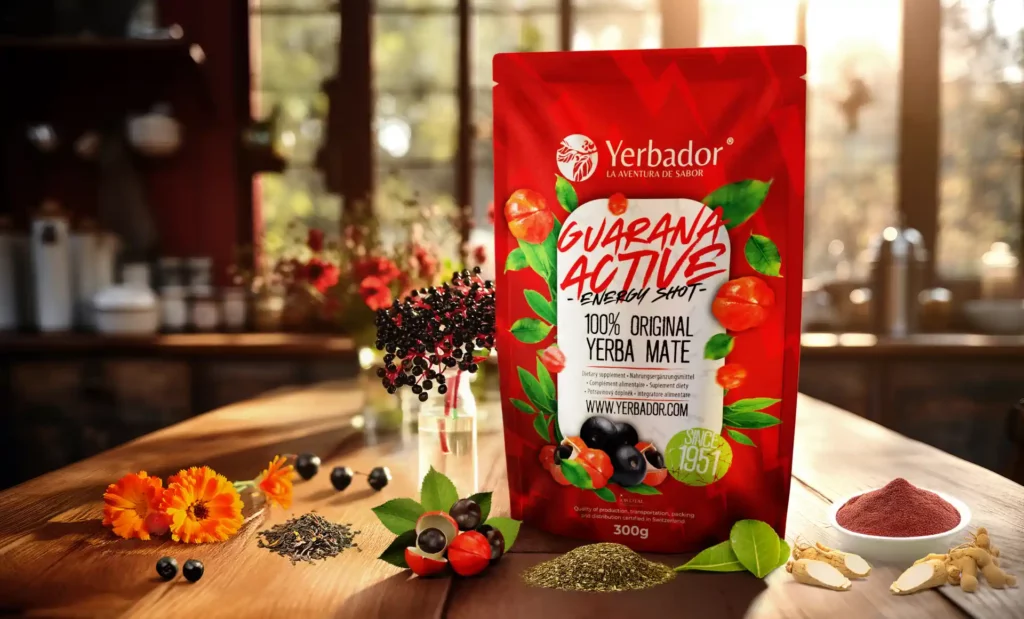
A 250 ml can standardly contains around 80 mg of caffeine, a 500 ml can accordingly 160 mg, and small energy shots in 60 ml bottles can pack 150-200 mg in a single sip. In practice, the industry sticks to one concentration, 32 mg per 100 ml, so the answer to which energy drink has the most caffeine really comes down to can size, not the brand on the label. The exceptions are shots and versions labeled as extra strong, where the concentration goes higher.
It’s worth checking the label: in the EU, drinks with a caffeine content above 150 mg per litre must carry the warning “High caffeine content. Not recommended for children or pregnant or breastfeeding women” along with the content stated in mg per 100 ml. In Poland, since 1 January 2024, there has also been a ban on selling energy drinks to people under 18.
How many cups of coffee is one energy drink? A 250 ml can is roughly equivalent to one strong cup of coffee, a 500 ml can to two. The problem with energy drinks isn’t really the caffeine itself, but the company it keeps: sugar, taurine, colourings, preservatives. The effect can be quick, but it ends just as quickly with a crash in energy and a headache. Anyone who wants clean energy without all that chemistry has a much gentler option in yerba mate.
Check out the product: Yerba Mate Ultra Energy
Which tea has the most, and which has the least caffeine?
The order from strongest to weakest looks like this: matcha (up to 70 mg) > black (40-70 mg) > oolong (30-50 mg) > green (20-45 mg) > white (15-30 mg). At the very bottom, with zero on the counter, are herbal teas, fruit teas and rooibos, since they don’t come from the tea plant at all.
Conversations about caffeine in tea usually end with black and green, which is a shame, because white tea actually has the weakest kick of all. Leaves picked very young and dried with almost no processing give you a cup with 15-30 mg of caffeine, less than half of what’s in black tea. Oolong, a semi-oxidised tea, somewhere between black and green, falls in the middle: 30-50 mg, depending on how oxidised the leaf is. Matcha, on the other hand, plays in a different league, since you’re drinking the whole powdered leaf; if that interests you more than the table, we have a guide to ceremonial matcha on our sister brand Sakuro.
This order isn’t fixed, by the way. Longer brewing and hotter water pull more caffeine out of any type of leaf, so a strongly brewed green tea can outdo a lightly brewed black one. By the way: despite its name “Paraguayan tea”, yerba mate isn’t actually tea, which we explain in the article is yerba mate a tea.
Table: how much caffeine the most popular drinks contain
We’ve gathered it all in one place, together with the conversion per 100 ml, so you don’t have to do the maths in your head:
| Drink | Typical serving | Caffeine | Per 100 ml |
|---|---|---|---|
| Espresso | 30 ml | 60-90 mg | 200-300 mg |
| Espresso doppio | 60 ml | 120-180 mg | 200-300 mg |
| Drip coffee | 200 ml | 90-150 mg | 45-75 mg |
| Drip coffee, large cup | 250 ml | 110-190 mg | 45-75 mg |
| Instant coffee | 200 ml | 60-80 mg | 30-40 mg |
| Decaffeinated coffee | 200 ml | 2-5 mg | 1-3 mg |
| Black tea | 200 ml | 40-70 mg | 20-35 mg |
| Oolong tea | 200 ml | 30-50 mg | 15-25 mg |
| Green tea | 200 ml | 20-45 mg | 10-22 mg |
| White tea | 200 ml | 15-30 mg | 7-15 mg |
| Matcha | 1-2 g of powder | up to 70 mg | – |
| Herbal, fruit and rooibos tea | 200 ml | 0 mg | 0 mg |
| Yerba mate | approx. 50 g of dried leaves, a whole session with refills | 60-120 mg | – |
| Energy drink | 250 ml can | approx. 80 mg | 32 mg |
| Energy drink | 500 ml can | approx. 160 mg | 32 mg |
| Energy shot | 60 ml | 150-200 mg | – |
| Cola | 330 ml can | approx. 32 mg | approx. 10 mg |
| Cocoa, hot chocolate | 200 ml | 2-10 mg | 1-5 mg |
One thing stands out: yerba mate and strong coffee sit in a similar milligram range, but you drink coffee in five minutes, while you sip yerba all morning, topping up the same leaves with water. It’s the same amount of caffeine spread out completely differently over time, and that’s the heart of the difference, not just the number on the label.
Is 80 mg of caffeine a lot? Milligram-to-cups converter
The most common question after glancing at the label is: is that a lot. There’s one point of reference. EFSA sets 400 mg per day and 200 mg per single dose for a healthy adult. Anything below a hundred is, in practice, less than a quarter of the daily limit, so not much.
| Dose | That’s about as much as | Is that a lot? |
|---|---|---|
| 14-20 mg | half a cup of white tea | trace amount, most people won’t feel it |
| 30-35 mg | strong green tea or a glass of cola | low, 8% of the daily limit |
| 50 mg | cup of black tea | moderate, gentle stimulation |
| 60-70 mg | espresso or a matcha bowl | noticeable effect, still safe |
| 80-88 mg | 250 ml can of energy drink, strong espresso | no, that’s about 1/5 of the daily limit |
| 100 mg | 200 ml cup of filter coffee | 1/4 of the daily limit |
| 150-160 mg | large cup of strong coffee or a 500 ml can | quite a lot for one go, but below the 200 mg threshold |
| 200 mg | two cups of coffee in a row | upper limit of a single serving according to EFSA |
| 250 mg | three cups of coffee or three cans of energy drink | above the single-dose threshold, spread it out over time |
| 400 mg | 3-4 cups of coffee a day | daily limit for a healthy adult |
Practical tip when reading labels: 1 g equals 1000 mg, so 0.03 g of caffeine is simply 30 mg, and 0.1 g is 100 mg. Supplement manufacturers like to use gram figures because the number looks more modest.
What else contains caffeine besides coffee and tea?
The daily tally only gets interesting once you add up the sources people don’t usually think about:
- Cola and cola-type drinks – around 10 mg per 100 ml, meaning 32 mg from a 330 ml can and close to 50 mg from a half-litre bottle.
- Dark chocolate – the higher the cocoa percentage, the more caffeine. A whole 100 g bar with 70% cocoa can have as much as 80 mg, the same as a can of energy drink. A single square is just a few milligrams.
- Cocoa and hot chocolate – 2-10 mg per cup, plus theobromine, which acts more gently and for longer than caffeine.
- Guarana – the seeds have one of the highest natural caffeine concentrations in the plant world, several times higher than a coffee bean. We covered it in detail in the article guarana powder.
- Painkillers and migraine medication – a caffeine tablet is often 50-65 mg, and they’re usually taken two at a time.
- Pre-workouts and fat-burning supplements – can contain 150-300 mg per serving, more than a large coffee.
- Ice cream, cakes and coffee-flavoured desserts – not much, but it adds up, especially in the evening.
If in the afternoon you drink a cola with lunch, eat half a bar of dark chocolate and take a painkiller with caffeine, you’re already at around 130 mg before you even reach for a coffee.
How much caffeine is a safe daily dose?
The European Food Safety Authority (EFSA) considers that for a healthy adult a dose of up to 400 mg of caffeine a day, spread throughout the day, usually raises no concerns, and a single dose of up to 200 mg at once also falls within the safe range for most people. Based on the table above: that’s roughly 3-4 cups of coffee, or 6-8 cups of black tea, or two to three full matero sessions.
It’s different during pregnancy. There, the limit is lower, around 200 mg a day, and it applies to ALL caffeine sources combined (coffee plus tea plus yerba plus chocolate), not each one separately. We covered this in detail in the article Yerba Mate during pregnancy, what to know about caffeine. With high blood pressure, heart rhythm disorders, insomnia or medications that interact with caffeine, consulting your doctor – not a blog article from an online shop – is the only proper approach. We’ve also separately covered how yerba mate affects blood pressure.
How long before caffeine stops working?
The half-life of caffeine in an adult averages 4-6 hours. After a coffee drunk at 4 pm, half the dose is still circulating in the body at 9 pm, and a quarter at 2 in the morning. That’s why people convinced that coffee doesn’t affect their sleep still end up sleeping less deeply. The breakdown rate depends on genes, not willpower: if one coffee keeps you awake while someone next to you drinks three and sleeps like a baby, it’s down to a liver enzyme variant.
Energy without the crash: our suggestion
If after reading the table you’re looking for caffeine spread out over time rather than a kick followed by a crash every two hours, two of our products fit that profile best.
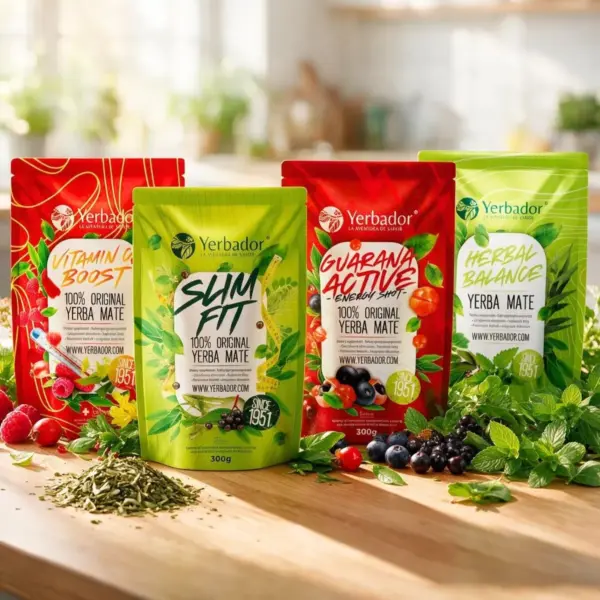
Check out the product: Yerba Mate Ultra Energy – Guarana
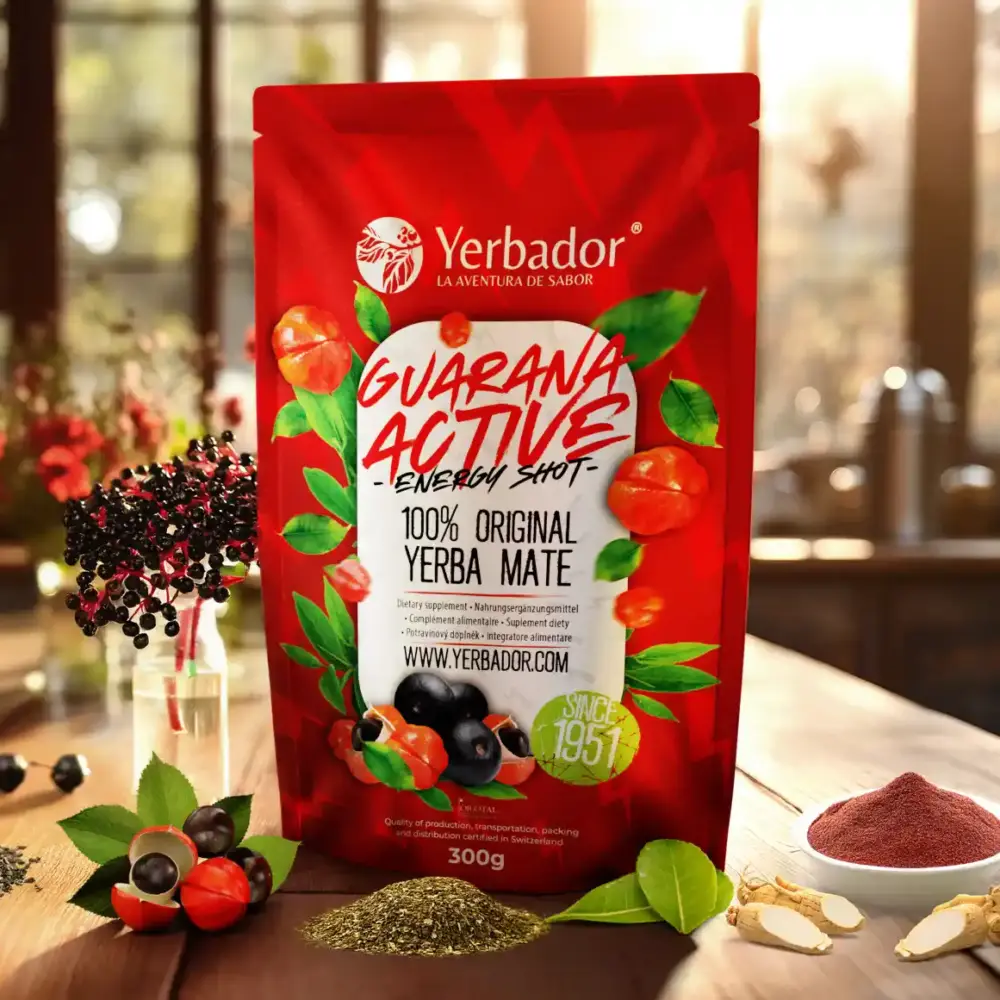
Guarana has one of the highest natural caffeine concentrations in the plant world, and it is responsible for the stronger, longer-lasting effect of this version of yerba. We explained exactly how it works in our article on how yerba mate with guarana works. Check the current price.
Check out the product: Yerba De Brasil – doypack 0.5 kg
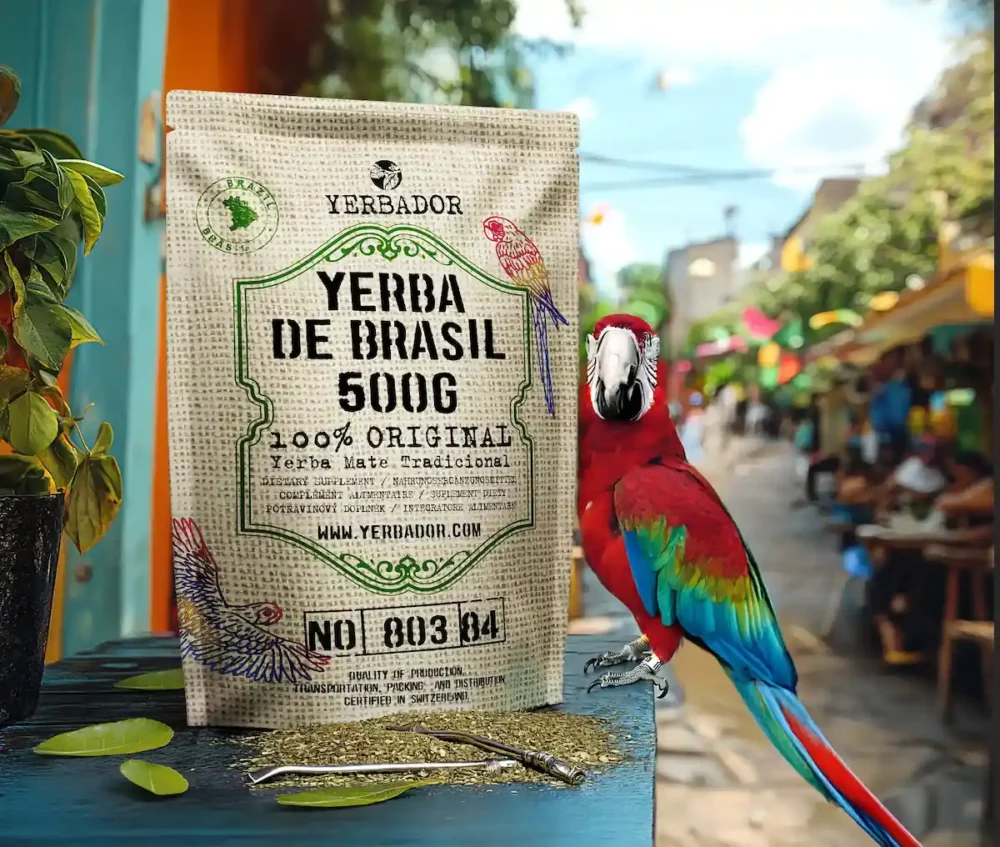
A classic yerba to start with, no additions. If you’re still checking whether this caffeine profile suits you, it’s a safer first step than going straight for the guarana version. Check the current price – with one matero a day it lasts 2-3 weeks.
Ordering for an office, café or restaurant and looking for a steady supply of dried leaves without price fluctuations? We offer wholesale cooperation with companies across Poland.
Frequently asked questions about caffeine in tea, coffee and yerba mate
How much caffeine does a cup of tea have?
It depends on the type: black 40-70 mg, oolong 30-50 mg, green 20-45 mg, white 15-30 mg per 200 ml cup. Longer brewing and hotter water increase these values in each of them.
Which has more caffeine: coffee or tea?
Coffee, clearly. A cup of coffee has 60-150 mg, a cup of tea 15-70 mg depending on the type. Dry tea leaves contain a higher percentage of caffeine than coffee beans, but you use 2 g of tea and 7-9 g of coffee per cup, so coffee wins in the brewed drink.
Does green tea have caffeine?
Yes, about 20-45 mg per cup, roughly half of what black tea has. The lower amount comes mainly from brewing with water at 70-80°C instead of boiling water and from a shorter steeping time.
Which has more caffeine: an energy drink or coffee?
Per 100 ml, coffee has more: 45-75 mg versus 32 mg in an energy drink. But a 500 ml can has about 160 mg, which is more than a standard cup of coffee, simply because you drink more of it.
Does matcha have a lot of caffeine?
A bowl with 1-2 g of powder has up to 70 mg, the same as an espresso. You drink the whole powdered leaf, not just an infusion, so matcha is the strongest tea in terms of caffeine.
Which tea has the least caffeine?
White tea, 15-30 mg per cup. Herbal, fruit teas and rooibos are completely caffeine-free, as they don’t come from the Camellia sinensis tea shrub.
Is 80 mg of caffeine a lot?
No. It’s about one-fifth of the daily limit of 400 mg set by EFSA for a healthy adult, roughly the same as a 250 ml can of energy drink or a strong espresso.
How much caffeine does cola have?
About 10 mg per 100 ml, which is roughly 32 mg in a 330 ml can and nearly 50 mg in a half-litre bottle. That’s about the level of weak green tea.
Does yerba mate have more caffeine than tea?
Serving to serving, yes, since a whole matero session can be 60-120 mg. However, yerba mate is drunk with multiple refills over two to three hours, so the same dose is spread out over time instead of hitting all at once.
How much caffeine is safe per day?
According to EFSA, up to 400 mg per day for a healthy adult and up to 200 mg in a single dose. During pregnancy, the limit drops to 200 mg per day from all sources combined. If you have heart conditions, insomnia, or take medication, leave the decision to your doctor.
Which is better to drink for a boost of energy?
If you’re after a quick kick, coffee will do the job, just be aware of what comes two hours later. If you prefer a milder and longer-lasting boost, choose tea or matcha. And if you’re looking for something in between, energy without jitters and with a decent flavour, go for yerba mate from a trusted brand. We compared both drinks directly in the article yerba mate or coffee.
How do you find the right caffeine dose for yourself?
Start by counting how much you actually drink in a day, including cola, chocolate and painkillers. If it comes out well over 400 mg, or you regularly wake up tired, the problem usually isn’t the amount of caffeine, but the fact that it hits you in spikes. In that case, swapping your second and third coffee for a session with a mate cup gives a similar dose spread over several hours, without that quarter-hour of shaking hands. Yerbador has a clean composition and leaves aged for 4 years, so it’s a good place to start: check out yerba mate for energy and see for yourself what a boost without the crash feels like.
Discover our TOP products!

Your dream figure

Discover new flavors
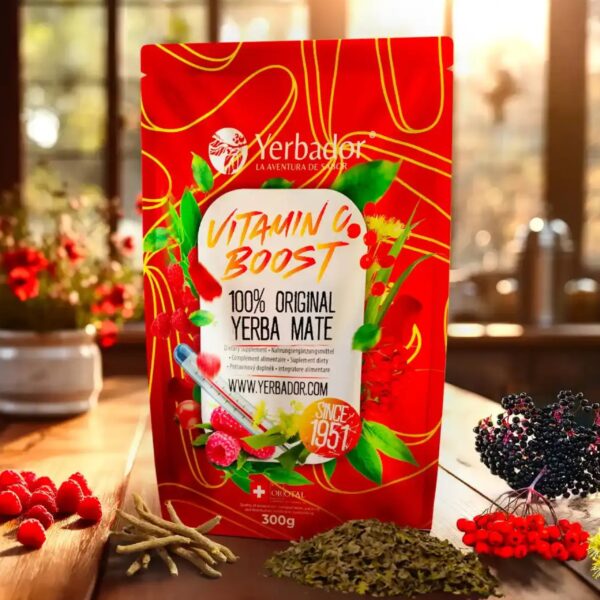
Yerba mate with tea
Accessories
Superfoods


Certified raw honeys from Poland


Check the current price
free shipping
Up to 90 days
free returns
24 H
shipping