
Yerba Mate Certificates and Testing – What We Actually Check at Yerbador
2026-08-05
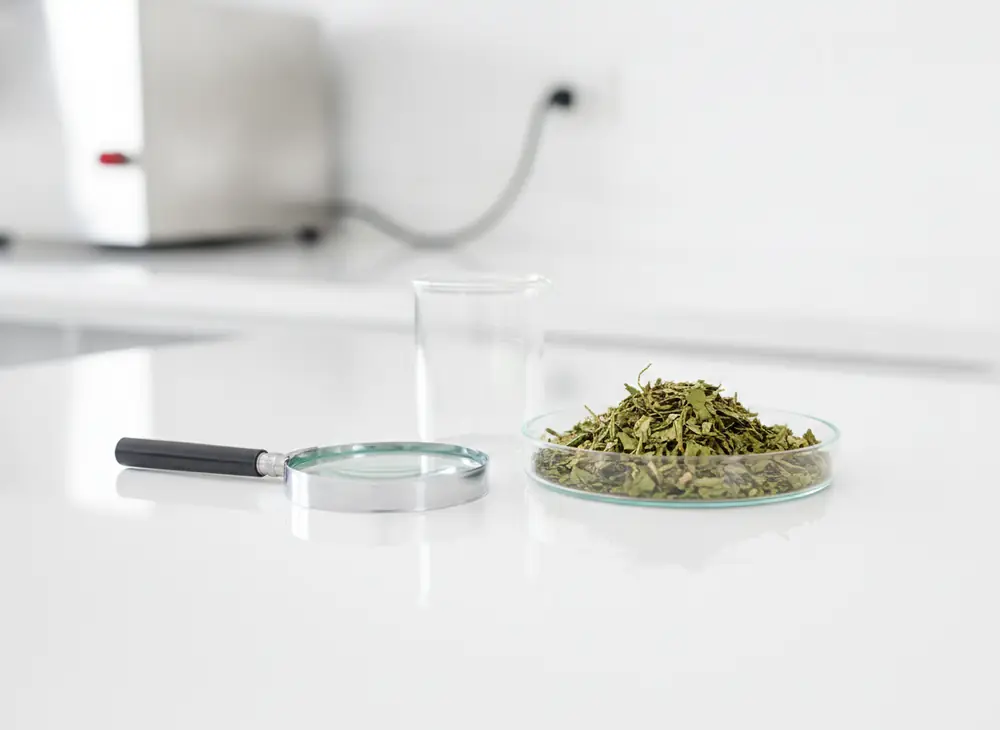
Yerba mate is an agricultural product. The leaf of the Paraguayan holly is cut on the plantation, dried, seasoned, ground and packed — and along the way, quite a lot can happen. That’s why yerba mate certificates and real laboratory testing aren’t just decoration on the packaging, but the only honest way to know what actually ends up in your matero. In this article, we show you behind the scenes exactly what we check at Yerbador: what samples, what laboratories and what documents stand behind it.
One caveat to start. We won’t be claiming that studies have “proven the miraculous effects” of yerba. A laboratory doesn’t promise anything — it verifies. It checks whether the dried leaves are what they’re supposed to be, and whether they contain anything they shouldn’t. Less flashy than fireworks in an ad, but that’s what quality looks like when you take it seriously.
Where does this leaf come from
The raw material for Yerbador grows in the Rio Grande do Sul region in southern Brazil — the classic heartland of Ilex paraguariensis. From there, the dried leaves travel to Europe, where they are packaged. The brand is owned by the Swiss trading company OROTAL Commodities Trading SA of Geneva, which certifies the quality of production, transport and packaging. In short: Brazilian leaf, European packaging, Swiss oversight of the whole process.
Why are we mentioning this in an article about certificates? Because the supply chain is the first place where quality can fall apart. Dried leaves that cross an ocean and then sit in a warehouse must be checked at the point of entry — not only once a customer files a complaint.
Certificate of Analysis No. 43_2025_FA — what exactly the laboratory checks
On the page yerbador.com/badania you’ll find a full set of downloadable documents, headed by Certificate of Analysis No. 43_2025_FA. We won’t summarise them superficially here — instead, we’ll list the areas they cover, because file names alone don’t always make it clear what’s inside:
- Microbiology — mesophilic bacteria, pathogens, yeasts and moulds. This answers the question of whether the dried leaves are microbiologically clean. Yerba mate is a dried product, so moisture at the wrong moment can turn a good batch into a problem.
- Heavy metals — the leaf draws from the soil whatever is in it. The test checks whether the dried leaves stay within the norms.
- Smoke toxins (PAHs) — polycyclic aromatic hydrocarbons, the number one topic when it comes to traditionally dried yerba. More on that below, as it deserves its own paragraph.
- Alkaloids from weeds — a check to make sure no fragments of other plants from the plantation made it into the dried leaves. A field grows more than just holly.
- Authenticity of the dried leaves — chromatographic analysis confirming that the package really contains Ilex paraguariensis, not a cheaper look-alike substitute.
The principle is simple: not “trust us”, but “check for yourself”. The documents are public, and anyone can download and read them.
Smoke in yerba, or why we take the PAH topic seriously
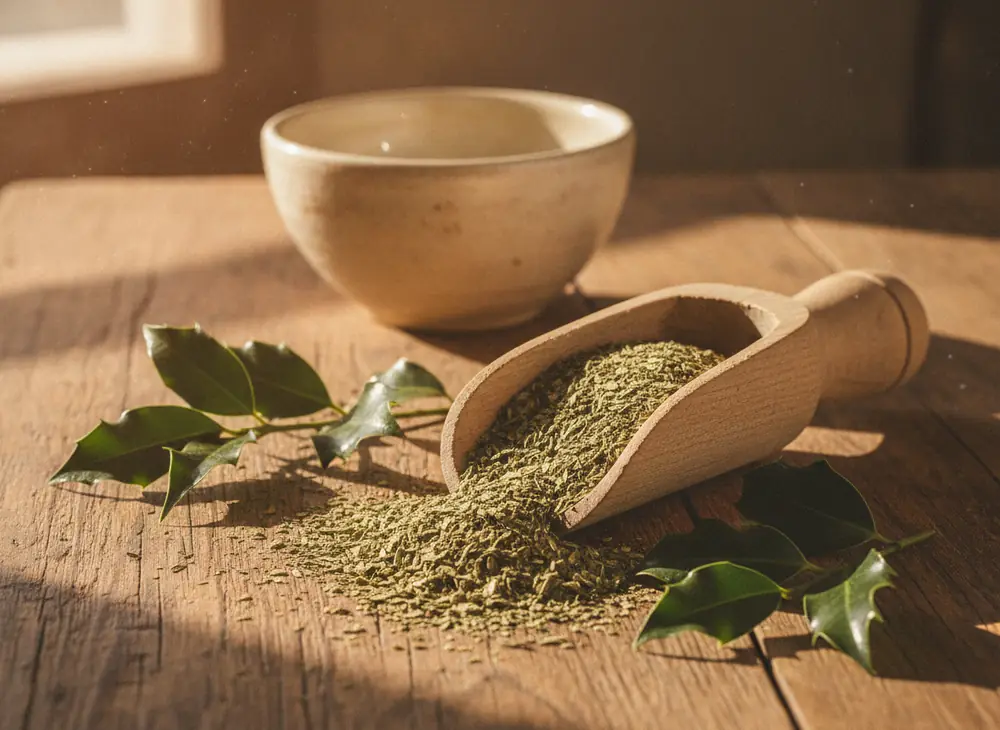
Traditional yerba mate has been smoke-dried for centuries — first a quick sapeco over the fire, then a long drying process. Smoke gives it its characteristic smoky flavour profile, but it also carries PAHs, compounds formed when wood burns. This isn’t a secret or a sensation — the yerba industry has known about this topic for years, and it resurfaces in European media from time to time.
We’re not claiming that every smoked yerba on the market is bad. We’re saying something else: in our dried leaves, we actually test the level of smoke toxins, and the result can be downloaded from the website. If you drink yerba every day — and most of our customers do — the difference between “the producer claims” and “the laboratory measured” becomes quite practical.
Who checks all this
Yerbador’s tests and certificates come from several independent sources — deliberately, because one stamp of approval is no real control at all:
- IWNiRZ — the Institute of Natural Fibres and Medicinal Plants. Chromatography and authenticity testing of the dried leaves, confirming the identity of the plant.
- J.S. Hamilton — compliance testing against the reference standard, one of the most recognised research laboratories in Poland.
- GBA Polska — analyses of heavy metals, pesticides and PAHs.
- National Medicines Institute — issued a Quality Certificate for Yerbador, valid until 3 December 2027. This is an institution that inspects medicines on a daily basis, so it sets the bar high.
- KIWA — international quality certification.
- HACCP — a food safety system covering the entire chain, from raw material intake to parcel shipping.
- ECOCERT, Organic Brasil, EPA — certificates related to raw material and cultivation on the Brazilian side.
What’s the difference between a certificate and a certificate of analysis? A certificate confirms a system — that a company works according to defined standards and someone regularly checks this. A certificate of analysis is the result of a specific test on a specific sample. One without the other is limping: a system without testing is just paper, testing without a system is a one-off shot. That’s why we keep both.
Quality doesn’t end with the leaves — ceramics free of lead and cadmium
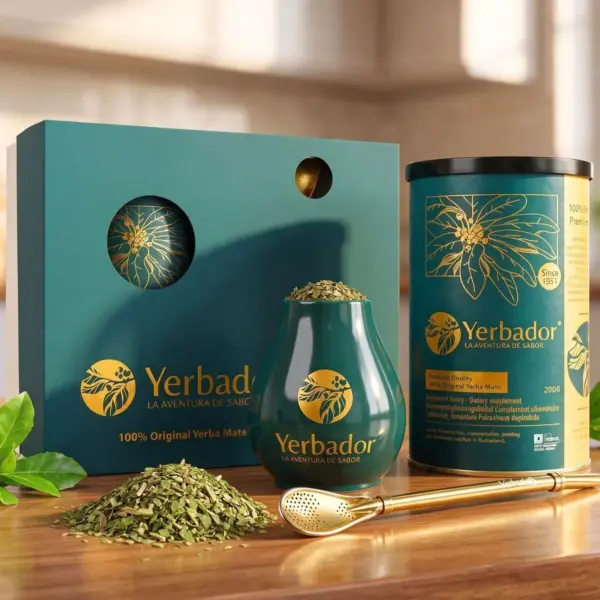
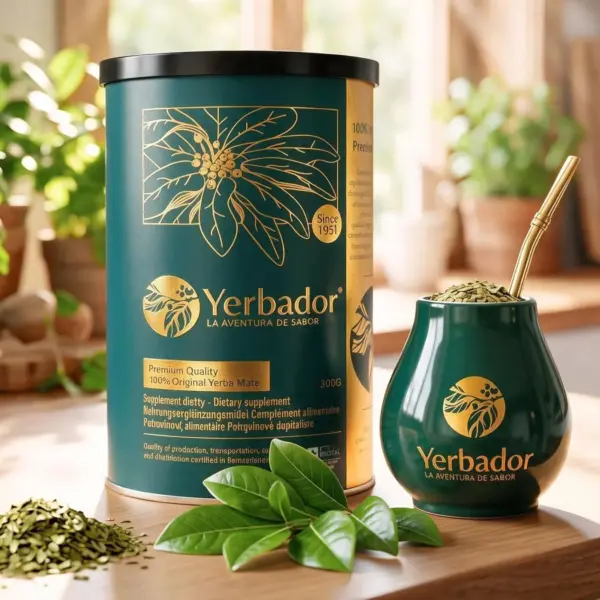
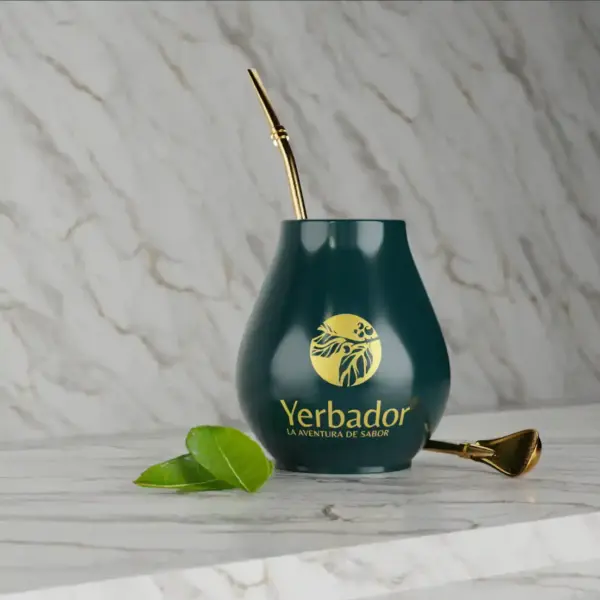
Few people think about this, but the vessel can sometimes be a weaker link than the leaves themselves. Hot infusion plus organic acids from the leaves create conditions in which cheap glaze can release its composition into the brew. That’s why the ceramic Yerbador PRO 2 matero cups are glazed in Europe, free of cadmium, lead and molybdenum. You drink from this vessel every day — the glaze composition matters just as much as the composition of the leaves.
How to assess the leaves yourself at home
Certificates are certificates, but your own senses are a laboratory too. After opening the package, pay attention to four things:
- Colour — good yerba mate is olive-green, sometimes with lighter stems. Grey-brown, faded yerba is a sign of age or improper storage.
- Smell — fresh, herbal, slightly grassy. Mustiness disqualifies it immediately.
- Structure — leaf, twigs and dust in reasonable proportions. Pure dust at the bottom of the bag means you got the leftovers.
- Packaging — airtight, with a barrier against moisture and light. Yerba absorbs smells and moisture instantly.
And once the leaves pass your home test — brew it properly: fill the matero with leaves to about a quarter (beginners are advised to start with even 2 tablespoons — the infusion will be milder), water at 70–80 °C, never boiling. You’ll find the full step-by-step instructions in our yerba mate brewing guide.
“Quality I trust”
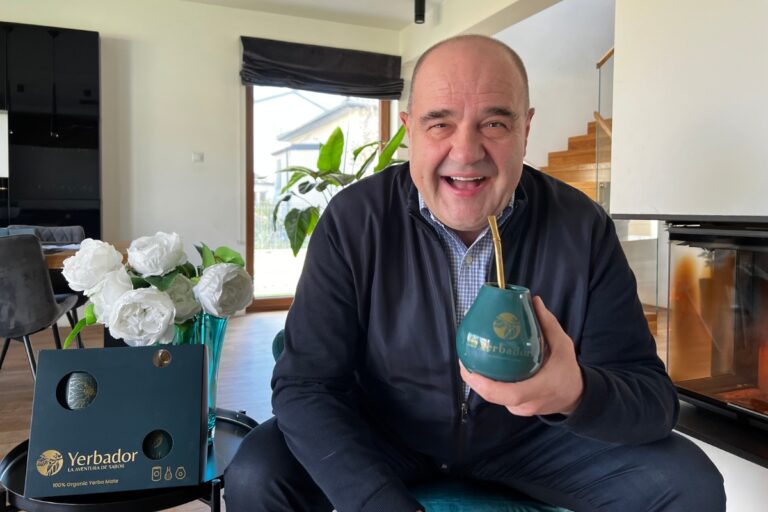
Dr Justyna Jessa, a clinical dietitian and author of scientific publications, also works with the brand — if you’re curious how yerba fits into weight control, our complete guide to yerba mate and weight loss breaks down the mechanisms. We also write about the broader properties of the infusion in a separate article.
Three products backed by the same testing
The entire Yerbador range is subject to the same inspection procedures — below are three items that are the easiest to start with.
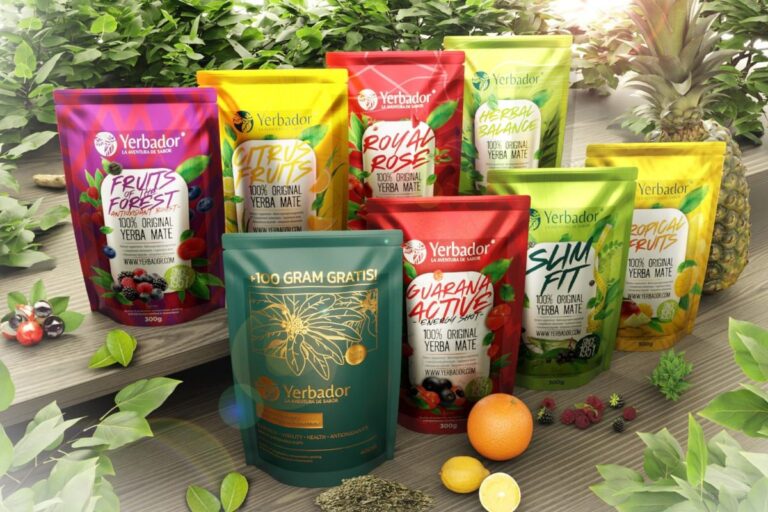
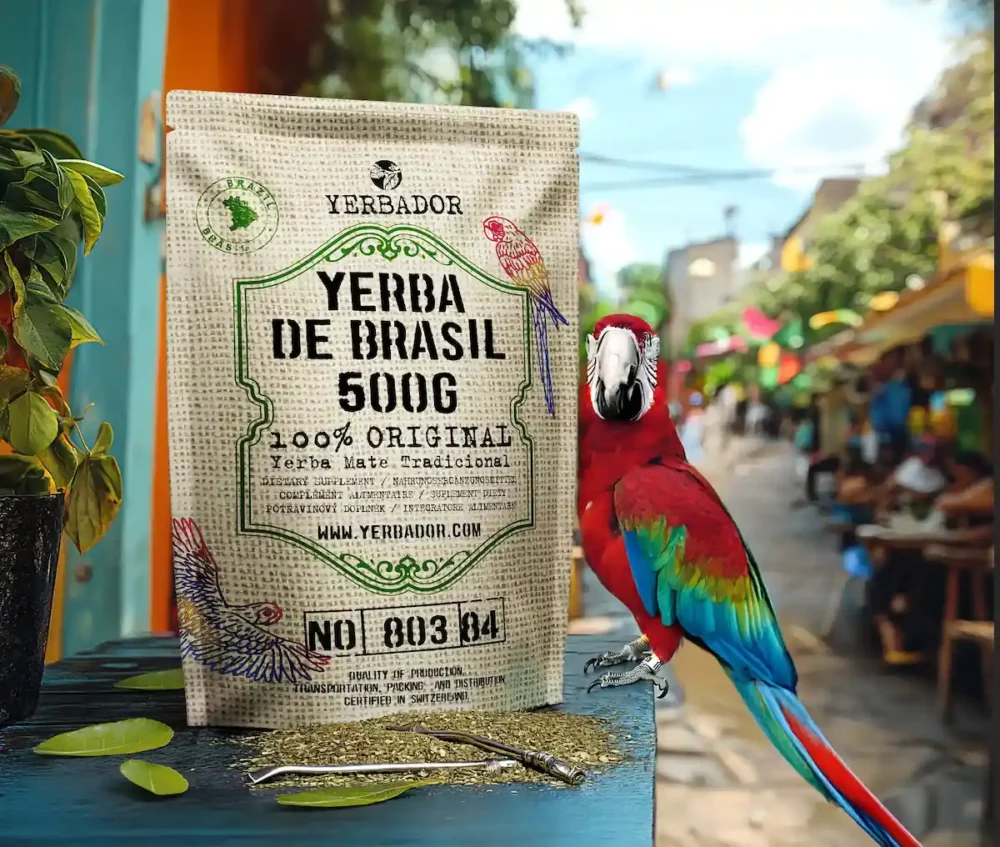
Yerba De Brasil — Doypack 0.5 kg
A classic, strong Brazilian yerba in a handy doypack. The best starting point if you simply want to find out how dried leaves from Rio Grande do Sul taste — half a kilogram, check the current price.
Check out the product: Yerba De Brasil Doypack 0.5 kg
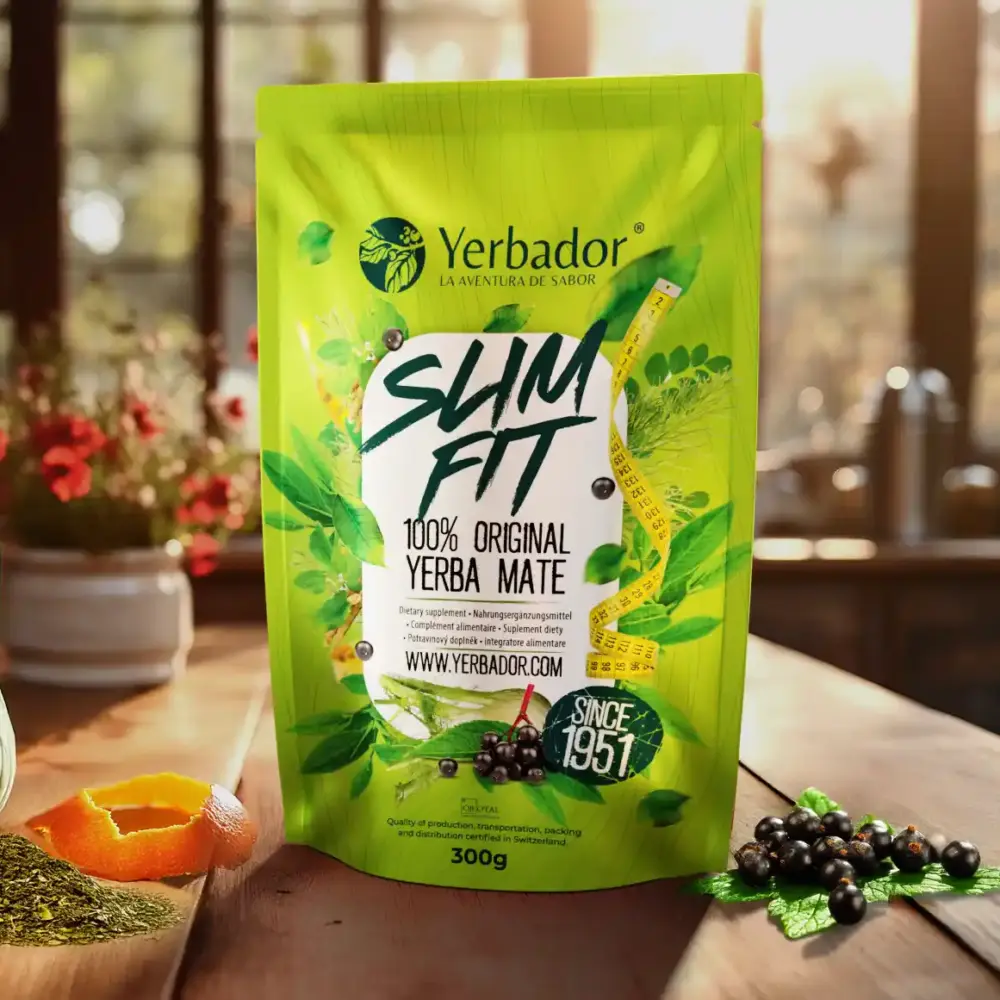
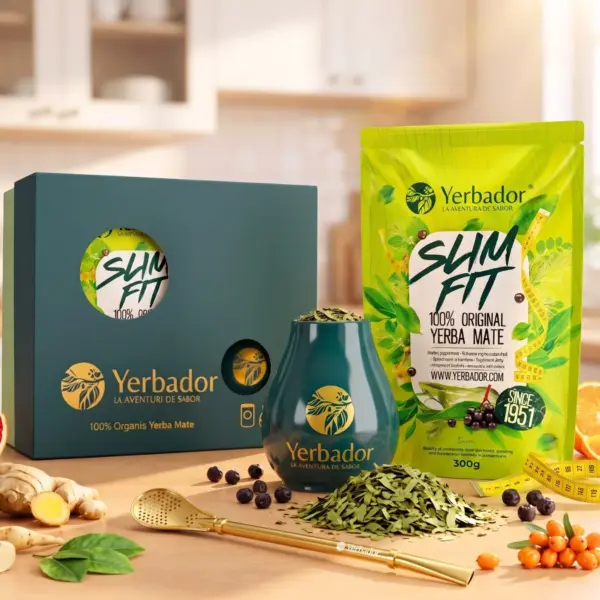
Yerba Mate Slim Fit — weight control support
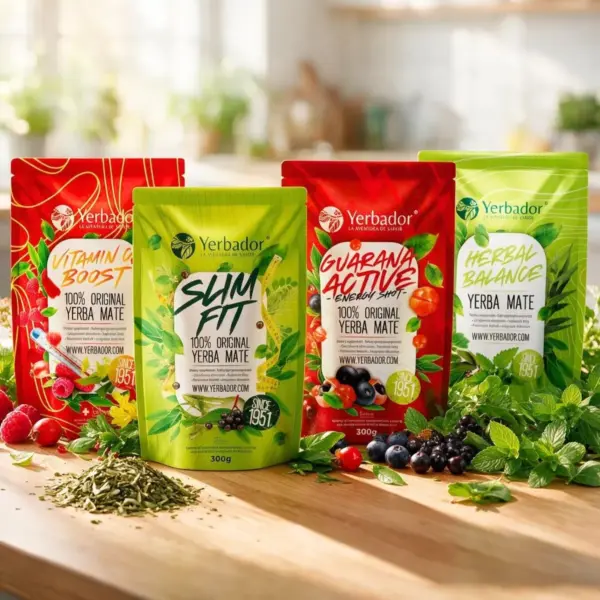
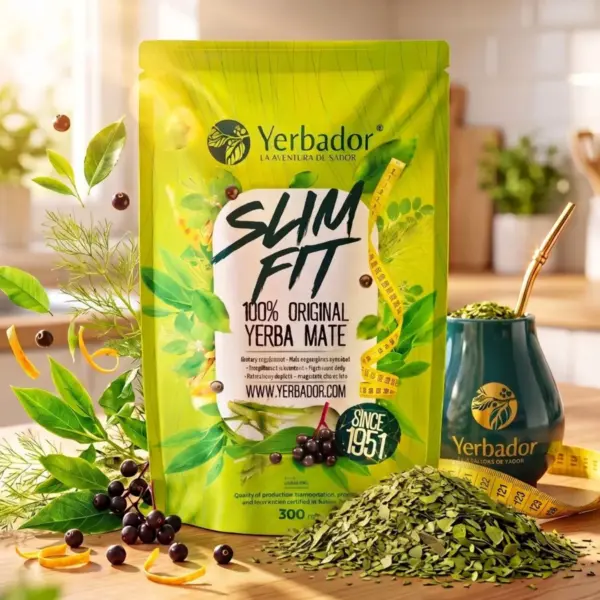
The Slim Fit line: yerba with additions composed for appetite control. The same testing regime as the rest of our range, 300 g — check the current price.
Check out the product: Yerba Mate Slim Fit
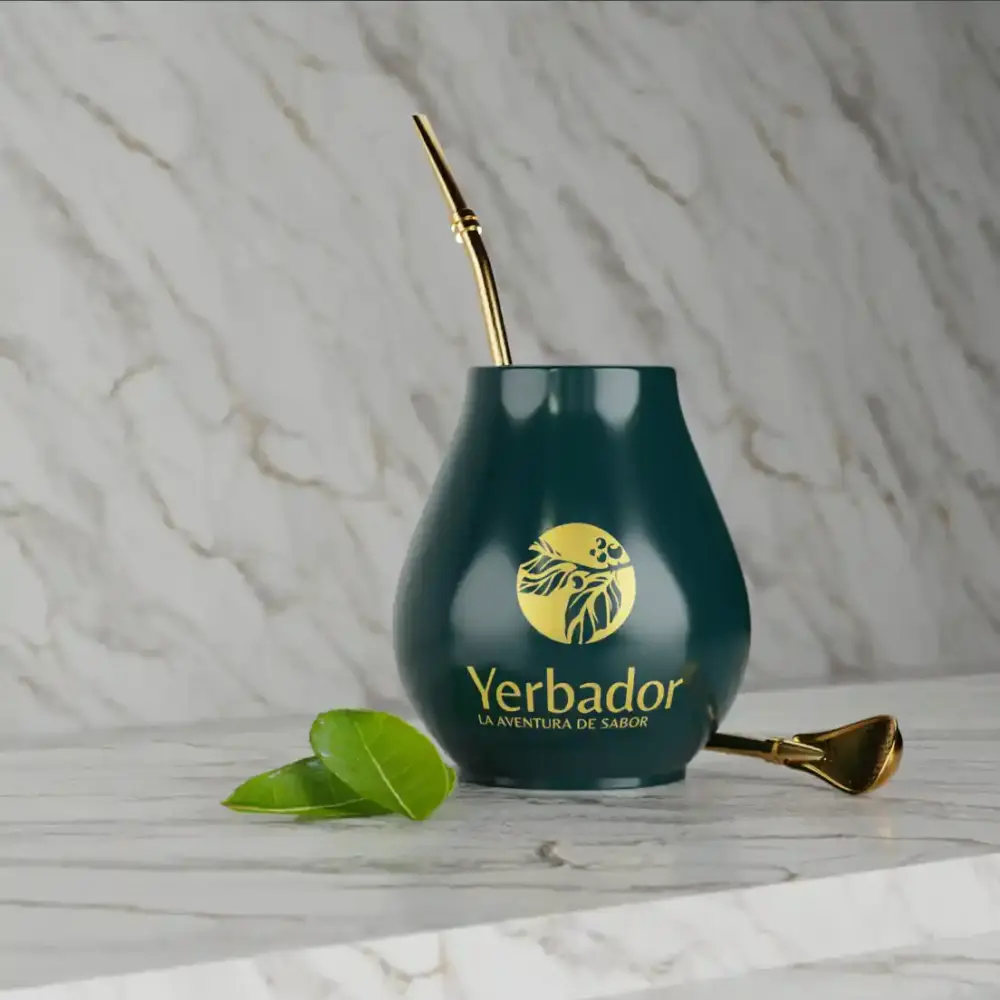
Ceramic Matero PRO 2 — Emerald Green
This is the matero we wrote about above: glazed in Europe, free of cadmium, lead and molybdenum. A beautiful vessel is a bonus — what matters most is what the glaze does not contain. Check the current price.
Check out the product: Ceramic Matero PRO 2 – Emerald Green
Buying for a business, café or shop?
If you run a venue, a shop, or you’re looking for yerba for your team — the same certificates and test reports apply to wholesale orders, and we can send the documents straight into your supplier records (handy for sanitary inspections and HACCP audits). You’ll find the details of our offer in the article about yerba mate wholesale for the food service and retail sector, or simply get in touch:
[email protected]
Frequently asked questions about yerba mate certificates
What certificates does Yerbador yerba mate have?
A Quality Certificate from the National Medicines Institute (valid until 3.12.2027), KIWA certification, the HACCP system, and Swiss quality oversight by OROTAL Commodities Trading SA. On top of that, laboratory tests: IWNIRZ (authenticity), J.S. Hamilton (compliance with the reference standard) and GBA Polska (heavy metals, pesticides, PAHs).
Where can I see the test results?
On the page yerbador.com/badania — the test report No. 43_2025_FA and partial reports (microbiology, heavy metals, PAHs, alkaloids, authenticity) are available for download without logging in.
Is smoke-dried yerba safe?
Smoke in traditional yerba is a real topic, which is why the level of smoke toxins (PAHs) in our dried leaves is tested in a laboratory, and we publish the results. Judge by measured figures, not by declarations — with us, you can download those figures.
What’s the difference between a certificate and a test report?
A certificate confirms that a company operates according to a controlled standard (e.g. HACCP, KIWA). A test report is the result of an analysis of a specific batch of dried leaves. Only together do they give the full picture of quality.
In closing
Certificates don’t make the flavour — the leaf, fire and time make the flavour. But certificates and tests mean that when you drink yerba, you don’t have to take anything on faith. If you’re still choosing your first yerba, take a look at the guides where to buy yerba mate and how much good yerba costs — and then just brew it and judge for yourself.
Discover our TOP products!
Your dream figure
Discover new flavors
Yerba mate with tea
Accessories
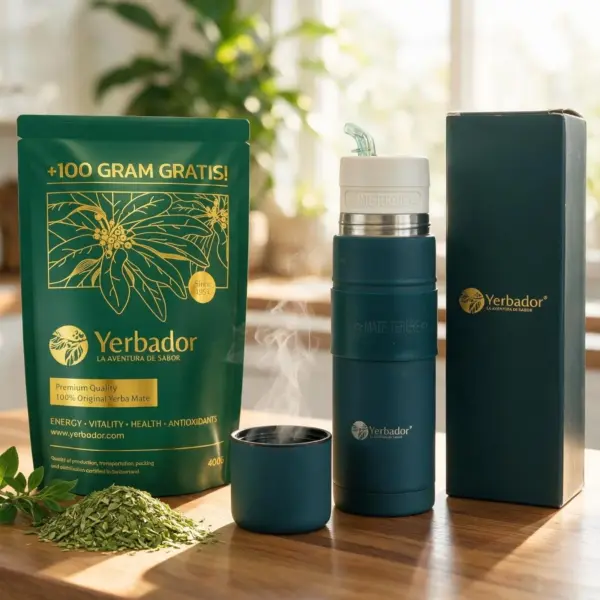
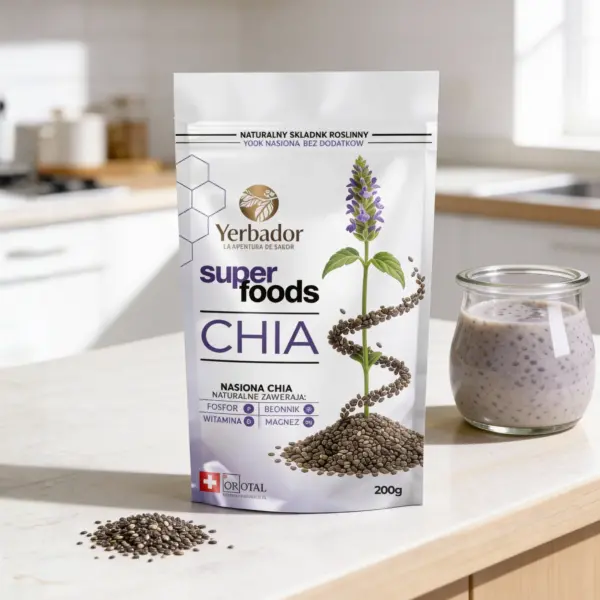
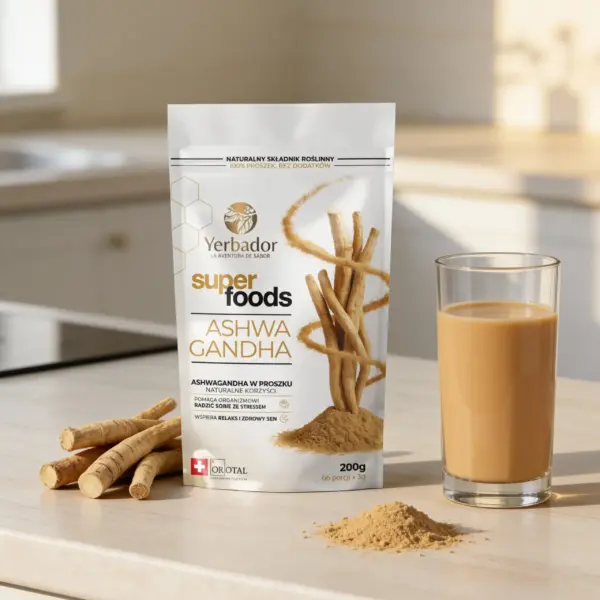
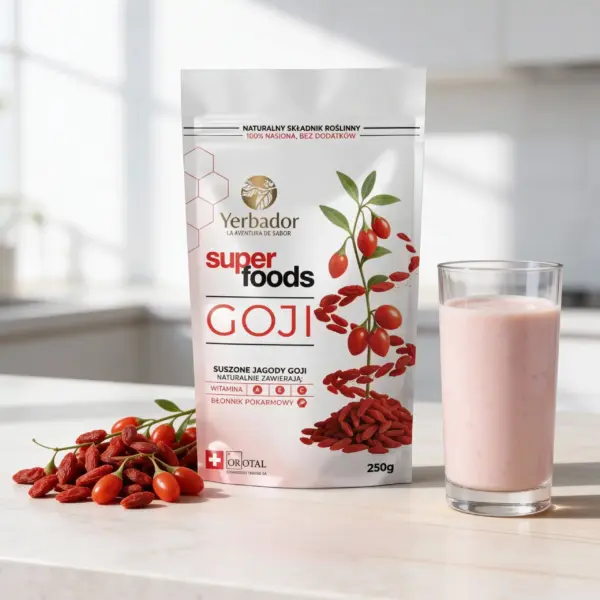
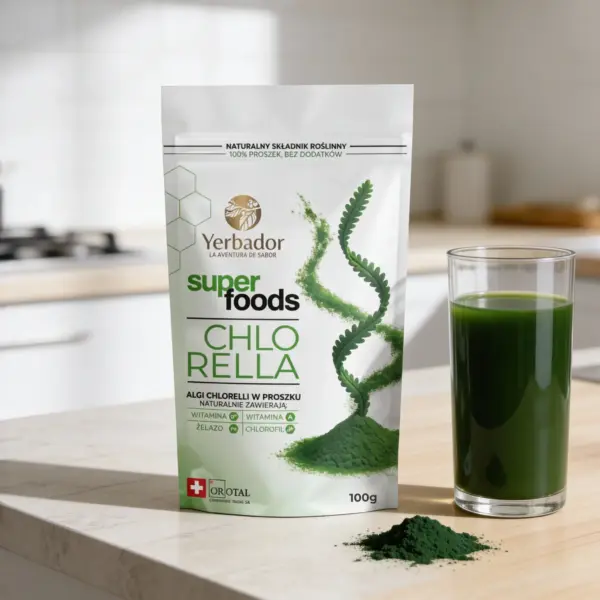
Superfoods
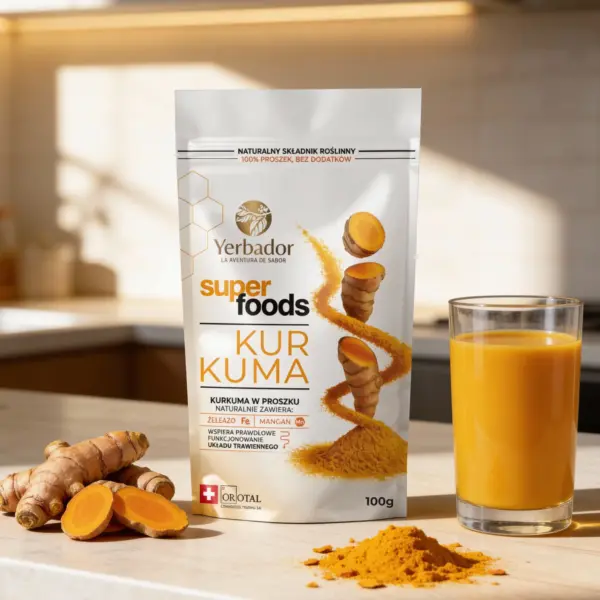
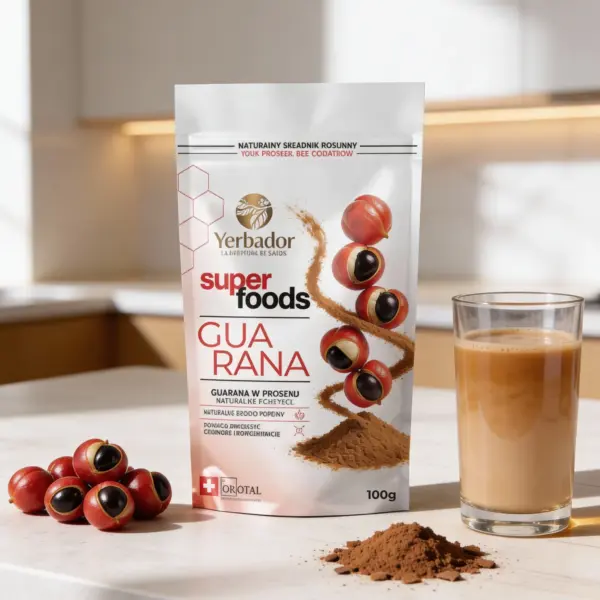
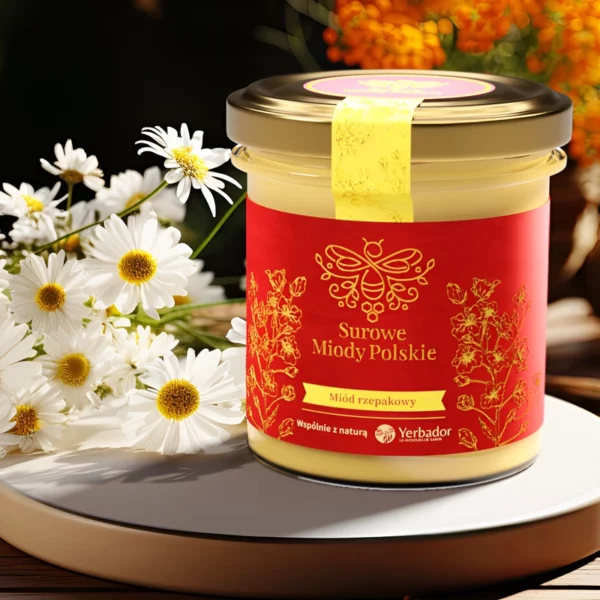
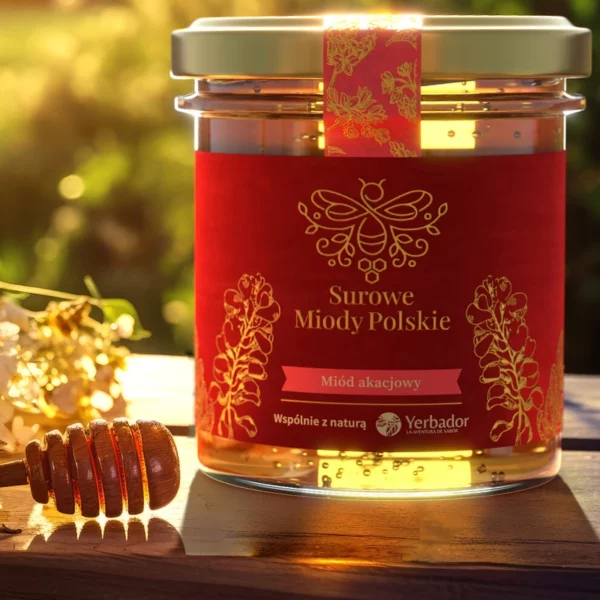
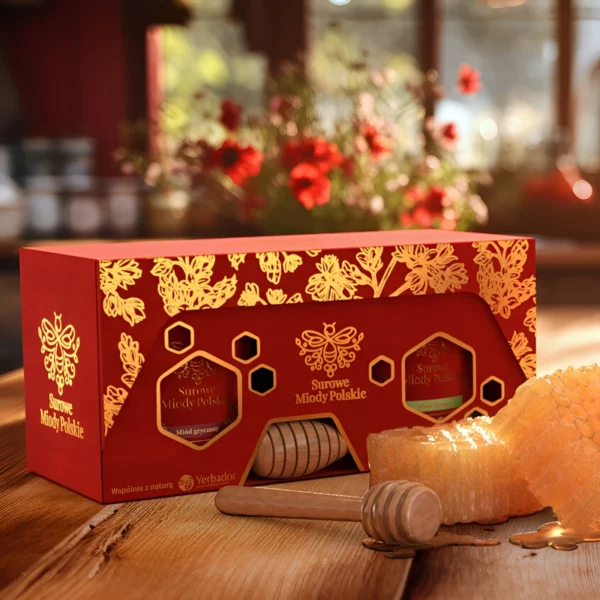
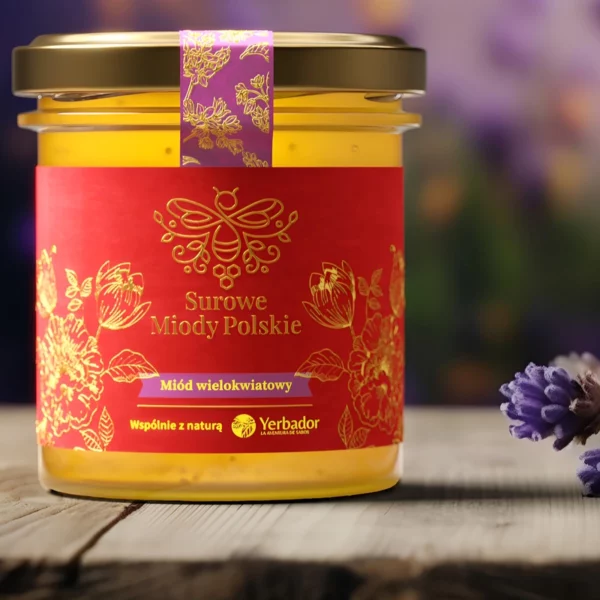
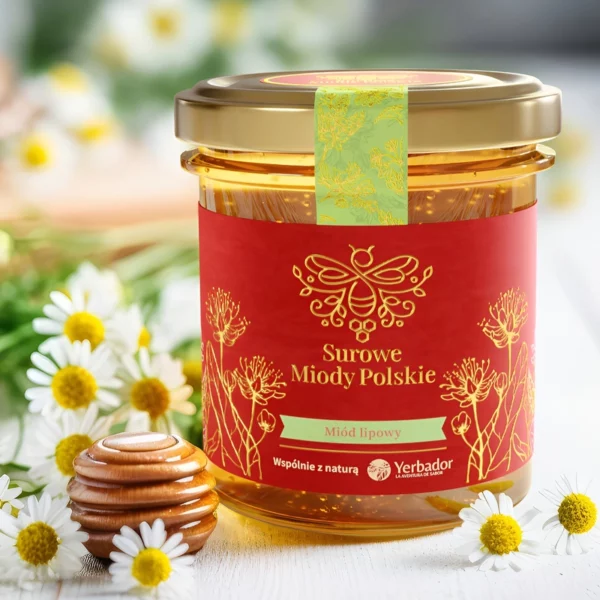
Certified raw honeys from Poland

Check the current price
free shipping
Up to 90 days
free returns
24 H
shipping